
Conan Campbell
Solar Savings Calculator for Estimating Home Energy Savings

Turn Your Calculator Estimate Into Real Numbers
A calculator gives you a ballpark. Request quotes from solar installers to see actual pricing for your home.
Disclosure: we may earn a commission if you switch or request a quote through this link, at no extra cost to you. It never changes which plan or company we recommend. How we make money.
Installing solar panels is no longer something reserved only for luxury homes or environmentally focused households. More homeowners are now seriously considering solar energy because electricity prices continue to rise year after year. Utility bills can quietly drain a household budget, especially during hotter months when air conditioners work nonstop or during colder seasons when heating systems consume more power than expected.
Before committing to solar energy, most people want clear answers. They want to know how much they could realistically save, how long it would take to recover installation costs, and whether solar panels would actually make a difference for their specific home. That is exactly why solar savings calculators have become such valuable tools.
A solar savings calculator helps homeowners estimate potential reductions in electricity expenses by analyzing household energy usage, regional sunlight exposure, and projected solar panel performance. Instead of relying on assumptions or sales pitches, homeowners can use data-driven estimates to understand how solar energy may affect their finances over time.
Many people are surprised by how much electricity their home consumes once they begin entering information into these calculators. Everyday appliances such as refrigerators, televisions, air conditioners, gaming systems, computers, water heaters, and laundry machines all contribute to monthly power usage. Even devices left plugged in continuously can increase electricity consumption more than expected.
Solar calculators simplify the process by converting all that information into understandable projections.
Most calculators ask for details such as:
• Average monthly electricity bill
• Household energy consumption
• Geographic location
• Roof size
• Roof direction
• Local utility rates
• Average sunlight exposure
After processing the data, the calculator estimates how much energy a solar system could generate and how much money the homeowner might save annually and over the system’s lifespan.
For homeowners who feel overwhelmed by solar terminology, calculators provide an easier starting point. Instead of jumping directly into complicated technical discussions about wattage, inverters, battery systems, or installation requirements, people can first focus on what matters most to them: savings.
One of the biggest reasons these tools are so valuable is personalization. Every home is different. A household with high energy usage may benefit from a larger solar setup, while a smaller household with efficient appliances may need fewer panels to offset electricity costs. Local weather patterns also play a major role in solar performance.
A home located in a sunny climate will generally produce more solar energy than a home in an area with heavy rainfall or long winters. Solar calculators help account for those regional differences so estimates feel more realistic.
Another reason calculators are becoming increasingly popular is transparency. In the past, homeowners often relied entirely on sales representatives for solar estimates. Today, calculators allow people to research independently before speaking with installers.
This creates a more informed customer experience.
Some calculators even estimate environmental benefits by showing potential reductions in carbon emissions. For homeowners interested in sustainable living, seeing the environmental impact alongside financial savings can strengthen interest in renewable energy solutions.
Many modern calculators also include battery storage projections. This feature helps homeowners understand how much stored electricity they may have available during nighttime hours or power outages.
Although calculators provide valuable estimates, homeowners should still remember that projections are not guarantees. Actual savings depend on multiple factors, including:
• Weather conditions
• Roof shading
• Panel quality
• Installation workmanship
• Household energy habits
• Future electricity prices
Still, despite these variables, solar savings calculators remain one of the most useful tools for homeowners beginning their solar energy journey.
How Solar Savings Calculators Estimate Energy and Financial Benefits
At first glance, solar savings calculators may seem simple, but they actually perform several important calculations behind the scenes. Their primary purpose is to compare current utility expenses against potential savings generated by a solar energy system.
The process usually begins with electricity usage.
Most calculators ask homeowners to enter their monthly electric bill because it serves as a quick estimate of household energy consumption. Some calculators also allow users to input kilowatt-hour usage directly from utility statements for improved accuracy.
This information is important because solar systems must be designed around actual energy demand.
A household that consumes large amounts of electricity due to multiple air conditioning systems, electric appliances, or home office equipment will generally require a larger solar installation than a household with lower energy consumption.
Location is another major factor in the calculation process.
Solar panels generate electricity from sunlight, which means regional solar exposure significantly affects system performance. Homes located in areas with longer sunlight hours and stronger solar irradiance typically generate more electricity throughout the year.
That is why two similar homes can experience very different solar savings depending on where they are located.
Roof characteristics also influence solar efficiency.
Calculators may request information regarding:
• Roof angle
• Roof orientation
• Available roof space
• Nearby tree coverage
• Potential shading issues
A roof that receives direct sunlight for most of the day will usually support better energy production than one heavily shaded by buildings or trees.
Once the calculator gathers enough information, it estimates the ideal solar system size for the home. This estimate is commonly measured in kilowatts.
The next step involves energy production forecasting.
Using regional sunlight data and estimated panel efficiency, the calculator predicts how much electricity the solar system could generate annually. This projected energy production is then compared against the household’s electricity consumption.
The greater the solar offset, the larger the projected savings.
Some calculators also factor in net metering programs. Net metering allows homeowners to send excess electricity back to the utility grid in exchange for credits. During especially sunny days, homeowners may generate more electricity than they use, reducing future electricity bills.
Installation cost estimates are another important part of the calculation process.
These estimates may include:
• Solar panel costs
• Inverter costs
• Installation labor
• Permits
• Electrical upgrades
• Battery storage systems
After comparing installation costs with projected utility savings, the calculator estimates the system’s payback period.
This refers to how long it may take for energy savings to recover the original investment cost. Depending on local electricity prices and solar system performance, some homeowners may recover costs within several years, while others may take longer.

Many calculators also estimate long-term savings over 20 to 25 years, which is often close to the expected lifespan of modern solar panels.
Here is an example of a typical solar savings estimate:
|
Factor |
Example Estimate |
|
Monthly Electric Bill |
$180 |
|
Annual Electricity Usage |
12,000 kWh |
|
Estimated Solar System Size |
8 kW |
|
Estimated Installation Cost |
$18,000 |
|
Estimated Annual Savings |
$2,100 |
|
Estimated Payback Period |
8.5 Years |
|
Estimated 25-Year Savings |
$40,000+ |
These projections help homeowners understand whether solar energy aligns with their financial goals and long-term household plans.
Common Mistakes Homeowners Make When Using Solar Savings Calculators
Although solar savings calculators are extremely useful, many homeowners misunderstand how to interpret the results. Unrealistic expectations can create confusion later in the decision-making process.
One common mistake is assuming the estimate is guaranteed.
Solar calculators provide projections based on available information and average performance assumptions. Real-world conditions can affect actual results over time.
Weather patterns, equipment aging, energy consumption changes, and future utility pricing can all influence long-term savings.
Another mistake involves ignoring roof condition.
Installing solar panels on an aging roof can become expensive if roof repairs are needed after installation. Homeowners should evaluate roof lifespan before committing to a solar project.
Shading is another issue people often underestimate.
Even partial shading from nearby trees or buildings can reduce panel efficiency significantly. In some solar setups, one shaded panel may affect the performance of surrounding panels.
Battery misunderstandings are also common.
Many homeowners assume solar panels automatically provide electricity during blackouts. However, most grid-connected systems shut down during outages unless battery storage systems are installed.
Understanding this difference is important when evaluating solar energy for emergency preparedness.
Some homeowners also provide incomplete electricity data.
Using only one month of utility information may not accurately reflect annual energy usage. Seasonal changes can dramatically alter electricity consumption.
For example:
• Air conditioning may increase summer electricity usage
• Electric heaters may raise winter energy costs
• Holiday lighting may increase seasonal consumption
• Remote work setups may increase daytime electricity use
Using a full year of electricity data generally improves estimate accuracy.
Financial misunderstandings can also create problems.
Some homeowners focus only on monthly loan payments instead of examining total lifetime costs and projected savings. Financing options can make solar more affordable upfront, but interest rates still affect long-term financial outcomes.
Homeowners should carefully compare:
• Total financing cost
• Expected lifetime savings
• Loan interest rates
• Equipment warranties
• Maintenance expenses
Another overlooked factor is panel degradation.
Solar panels slowly lose efficiency over time. Most high-quality panels continue performing effectively for decades, but annual energy production typically declines slightly each year.
Many reliable calculators include degradation estimates in long-term projections.
People also forget that lifestyle changes may alter solar economics.
Future changes such as purchasing electric vehicles, upgrading appliances, or expanding living space can increase household electricity demand. These changes may affect how well the solar system offsets utility costs.
Lastly, some homeowners prioritize the cheapest installation quote without considering installer reputation or equipment quality.
A poorly installed system may experience reduced efficiency, roof damage, or expensive repair issues later. Installation quality matters just as much as the projected savings themselves.
Making Smarter Decisions After Receiving a Solar Savings Estimate
Once homeowners receive a solar savings estimate, the next step is using the information wisely. The calculator should serve as a planning tool rather than the final deciding factor.
One of the smartest approaches is comparing multiple estimates from different providers. Different solar companies may use slightly different assumptions regarding panel efficiency, utility inflation, or system sizing.
Reviewing multiple projections provides a more balanced perspective.
Homeowners should also evaluate whether their home is energy efficient before installing solar panels. Reducing electricity waste can lower the required solar system size and reduce installation costs.
Useful efficiency improvements may include:
• Switching to LED lighting
• Installing smart thermostats
• Upgrading insulation
• Using energy-efficient appliances
• Sealing air leaks around windows and doors
• Maintaining HVAC systems regularly
Improving energy efficiency first often improves overall solar savings.
Utility policies should also be researched carefully.
Net metering programs, electricity rates, and solar incentives vary by location. These factors strongly influence long-term financial returns.
Homeowners should also understand the different solar financing structures available.
Common options include:
• Purchasing the system outright
• Financing through loans
• Leasing the system
• Power purchase agreements
Buying the system outright generally produces the highest lifetime savings because there are no interest payments involved. However, financing may still provide strong long-term value for homeowners who prefer lower upfront costs.
Battery storage should also be evaluated realistically.
Although batteries increase installation expenses, they may provide valuable backup power during outages and improve energy independence.
Modern solar systems often include monitoring apps that help homeowners track:
• Energy production
• Household consumption
• Grid electricity usage
• Battery charge levels
• System efficiency
These monitoring tools help homeowners maximize savings while identifying performance issues early.
Solar energy may also improve property appeal in some housing markets. Buyers interested in lower utility costs and sustainable living often view solar-equipped homes favorably.
Ultimately, a solar savings calculator is not just about predicting lower electric bills. It is about helping homeowners make informed decisions regarding long-term energy planning, household budgeting, and energy independence.
When used properly, these calculators provide a practical starting point for understanding whether solar energy is the right investment for a specific home and lifestyle.
Take the estimate a step further with a real quote
A calculator gives you a ballpark. A quote from local installers gives you the real figure. If your bill runs above $150 a month and your roof has decent sun exposure, it only takes a couple minutes to see actual pricing.
Solar Readiness Checklist for Homeowners Switching to Solar

Checked the List? Get Quotes Next
Once you know you're ready, the next step is comparing real quotes from solar installers near you.
Disclosure: we may earn a commission if you switch or request a quote through this link, at no extra cost to you. It never changes which plan or company we recommend. How we make money.
Switching to solar energy is one of the biggest home upgrades many homeowners will ever make. A properly designed solar system can lower electricity costs, improve energy independence, and increase long-term property value. But before installing solar panels, homeowners need to make sure the property is truly ready.
Many people rush into solar because of rising utility prices or attractive advertisements. Unfortunately, some discover later that their roof, electrical system, or energy usage habits were not properly evaluated beforehand.
Solar readiness is about more than simply having a roof with sunlight. A successful installation depends on several factors working together correctly.
A good solar preparation process helps homeowners:
- Avoid expensive mistakes
- Improve long-term savings
- Maximize system performance
- Reduce installation problems
- Prepare for battery storage
- Increase return on investment
In 2026, residential solar systems are more advanced than ever. Installers now evaluate energy consumption patterns, smart appliance usage, roof condition, and battery compatibility before recommending a system.
Homeowners who prepare carefully usually experience smoother installations and better long-term results.
Roof and Property Evaluation Checklist
The roof is one of the most important parts of any residential solar project. Solar panels typically remain installed for 25 years or longer, so the roof underneath them needs to be in good condition before installation begins.
Installing solar panels on an aging or damaged roof can create major problems later. Removing and reinstalling solar equipment for roof repairs is expensive and time-consuming.
Before switching to solar, homeowners should inspect:
- Roof age
- Roof material
- Structural condition
- Sunlight exposure
- Nearby shading
- Available installation space
Here is a simple roof readiness table:
|
Roof Factor |
Why It Matters |
|
Roof age |
Older roofs may need replacement first |
|
Roof direction |
Impacts solar production |
|
Shade levels |
Reduces energy generation |
|
Roof size |
Determines system capacity |
|
Structural strength |
Supports panel weight safely |
|
Roof material |
Affects installation complexity |
South-facing roofs generally provide the best solar exposure in many regions, but east-west configurations can still perform very well depending on energy usage patterns.
Shading is another critical issue. Trees, nearby buildings, antennas, and roof structures can reduce solar production significantly.
Even partial shading may affect output if the system is not designed properly.
Homeowners should evaluate shading during:
- Morning sunlight
- Midday sunlight
- Late afternoon sunlight
- Seasonal sun angle changes
Modern solar systems can reduce shading impact through:
- Microinverters
- Power optimizers
- Panel-level monitoring
- Strategic panel placement
Roof material also affects installation difficulty.
Common residential roofing materials include:
- Asphalt shingles
- Metal roofing
- Clay tiles
- Concrete tiles
- Flat membrane roofs
Some materials are easier and less expensive to work with than others.
Homeowners should also check for signs of roof damage such as:
- Water leaks
- Soft spots
- Missing shingles
- Structural sagging
- Poor drainage
Solar installers may recommend roof repairs before proceeding if issues are detected.
Ground-mounted systems may be an alternative for properties with poor roof conditions or heavy shading.
Electrical System and Energy Usage Assessment
Many homeowners focus only on solar panels while ignoring the home’s electrical system. However, electrical readiness is extremely important for safe and efficient solar installation.
Older homes sometimes require electrical upgrades before solar equipment can be installed properly.
A professional assessment usually checks:
- Main electrical panel condition
- Available breaker space
- Wiring quality
- Grounding system
- Utility meter compatibility
- Electrical capacity
Here is a basic electrical readiness checklist:
|
Electrical Component |
Importance |
|
Main service panel |
Supports solar connection |
|
Wiring condition |
Ensures safe energy flow |
|
Breaker capacity |
Allows system integration |
|
Utility meter |
Supports energy monitoring |
|
Grounding |
Protects equipment and home |
Homes with outdated electrical panels may need upgrades before installation.
This is especially common in older properties with:
- Small electrical capacity
- Fuse-based systems
- Corroded wiring
- Unsafe modifications
Energy usage analysis is another major step.
Solar systems should match actual household electricity consumption patterns.
Homeowners should review:
- Monthly utility bills
- Seasonal electricity changes
- Air conditioning usage
- Appliance energy demands
- Future electricity plans
Future planning matters because energy needs may increase over time.
Examples include:
- Electric vehicle charging
- Home office expansion
- Pool installation
- Electric appliance upgrades
- Battery storage systems
Many installers review at least 12 months of electricity bills to estimate annual energy usage accurately.
Homeowners should also consider improving energy efficiency before installing solar.
Reducing electricity waste can lower the size and cost of the required solar system.
Useful efficiency upgrades include:

- LED lighting
- Better insulation
- Smart thermostats
- Energy-efficient appliances
- Window improvements
Sometimes improving efficiency first provides stronger financial value than immediately installing a larger solar system.
Financial and Installation Planning Checklist
Solar installation is both a technical and financial decision. Homeowners should carefully evaluate costs, financing options, warranties, and installer quality before signing contracts.
One of the biggest mistakes homeowners make is focusing only on the lowest quote.
A cheaper system may use lower-quality equipment or inexperienced installers.
When comparing solar proposals, homeowners should review:
- Panel efficiency
- Inverter type
- Warranty coverage
- Estimated production
- Installation timeline
- Monitoring features
- Battery compatibility
Here is a simple financial planning comparison:
|
Consideration |
Why It Matters |
|
System cost |
Determines investment size |
|
Financing terms |
Impacts monthly payments |
|
Incentives |
Reduces upfront cost |
|
Utility savings |
Affects ROI |
|
Warranty quality |
Protects long-term value |
|
Installer reputation |
Reduces installation risks |
Homeowners should understand all available payment options.
Common solar financing methods include:
- Cash purchase
- Solar loans
- Lease agreements
- Power purchase agreements
Cash purchases often provide the strongest long-term savings because there are no financing costs.
Solar loans reduce upfront expenses while still allowing ownership benefits.
Leases and power purchase agreements usually require lower initial costs but may reduce lifetime savings since a third party owns the equipment.
Warranty coverage is extremely important.
Most systems include separate warranties for:
- Solar panels
- Inverters
- Installation workmanship
- Energy production guarantees
Homeowners should ask installers:
- Who handles warranty claims?
- How long has the company operated?
- What local service support exists?
- Are subcontractors involved?
- What happens if the company closes?
Reading online reviews and checking licensing information can also help reduce risk.
Battery readiness is another growing consideration in 2026.
Even homeowners not adding batteries immediately may want future compatibility.
Battery-ready systems should consider:
- Hybrid inverter options
- Backup panel space
- Electrical load planning
- Smart energy management systems
Preparing early for battery integration can reduce upgrade costs later.
Final Solar Readiness Checklist Before Installation
Once the roof, electrical system, and finances are reviewed, homeowners should complete a final readiness check before installation begins.
This helps avoid delays, misunderstandings, and unexpected costs.
A final preparation checklist may include:
|
Final Checklist Item |
Purpose |
|
Roof inspection completed |
Confirms installation safety |
|
Utility bills reviewed |
Helps size system correctly |
|
Financing approved |
Prevents project delays |
|
Permits confirmed |
Ensures legal compliance |
|
HOA requirements checked |
Avoids approval issues |
|
Installer contract reviewed |
Clarifies expectations |
|
Monitoring system explained |
Improves user understanding |
Homeowners should also prepare for the installation process itself.
Typical residential solar installations involve:
- Roof mounting work
- Electrical wiring
- Utility coordination
- System inspections
- Monitoring setup
The installation timeline varies depending on:
- System size
- Permit approvals
- Utility scheduling
- Weather conditions
- Equipment availability
Many homeowners are surprised that permitting and utility approvals sometimes take longer than the physical installation itself.
Communication with the installer is important throughout the process.
Questions homeowners should ask before installation include:
- What is the expected timeline?
- Will power be temporarily disconnected?
- How will roof penetrations be sealed?
- What monitoring tools are included?
- Who handles inspections?
- What maintenance is recommended?
Understanding system monitoring is especially valuable.
Modern solar systems often include mobile apps showing:
- Energy production
- Household consumption
- Battery charging status
- Utility grid interaction
- Historical performance data
Learning how to use these tools helps homeowners maximize long-term savings.
After installation, homeowners should also maintain records such as:
- Warranty documents
- System diagrams
- Equipment specifications
- Installer contact information
- Inspection approvals
These records become useful for maintenance, future upgrades, and property resale.
Switching to solar is a major investment, but preparation plays a huge role in long-term success.
Homeowners who carefully evaluate their property, electrical system, finances, and future energy needs usually achieve better savings, smoother installations, and stronger system performance over time.
In 2026, residential solar is no longer just about placing panels on a roof. It is about building a complete energy system that matches the homeowner’s lifestyle, budget, and long-term goals.
Ready to move past the checklist?
Once you’ve confirmed your home is a reasonable fit (you own it, your electric bill runs over $150 a month, and your roof gets decent sun) the next step is a quote request to see real pricing.
Solar Power Solutions For Smart Home Energy Systems

Pairing Solar With Smart Home Tech?
Get quotes from solar installers who can size a system for smart home energy use, from EV chargers to connected appliances.
Disclosure: we may earn a commission if you switch or request a quote through this link, at no extra cost to you. It never changes which plan or company we recommend. How we make money.
Smart homes are no longer just about voice assistants, automated lights, or connected security cameras. Today, homeowners are combining smart technology with renewable energy to create more efficient and cost effective living spaces. One of the biggest parts of this shift is solar power.
As electricity prices continue to rise and energy reliability becomes a growing concern, more homeowners are exploring solar power solutions that integrate directly with smart home systems. The idea is simple but powerful. Your home does not just consume energy anymore. It can generate, monitor, store, and intelligently manage energy in real time.
This combination of solar technology and smart automation gives homeowners more control over electricity usage, lower utility bills, and greater energy independence. It also creates a more sustainable way to power everyday life without sacrificing convenience or comfort.
In this article, you will learn how solar power solutions work within smart home energy systems, the most important components involved, the benefits and challenges, and how to choose the right setup for your home.
How Solar Power Works With Smart Home Energy Systems
Traditional solar systems focus mainly on generating electricity from sunlight through rooftop panels. Smart home solar systems take this further by integrating energy monitoring, automation, battery storage, and intelligent energy management.
Instead of simply producing electricity during the day, smart solar systems can track your energy usage, optimize when appliances run, and even store extra electricity for later use.
Here are the key components that make this possible:
• Solar panels
These capture sunlight and convert it into electricity for your home.
• Solar inverter
The inverter converts solar energy into usable electricity for household appliances.
• Smart energy management system
This system monitors energy production and consumption in real time.
• Battery storage
Batteries store excess energy for use at night or during outages.
• Smart devices and automation
Connected thermostats, appliances, and lighting systems can automatically adjust based on energy production and usage patterns.
Here is a table showing the role of each component:
|
Component |
Main Function |
|
Solar panels |
Generate electricity from sunlight |
|
Solar inverter |
Convert solar energy into usable power |
|
Smart energy system |
Monitor and optimize energy usage |
|
Battery storage |
Store extra electricity |
|
Smart appliances |
Improve efficiency through automation |
|
Monitoring apps |
Provide real time energy tracking |
For example, a smart home system may automatically run energy heavy appliances like washing machines during peak solar production hours. This reduces dependence on the utility grid and maximizes solar savings.
Benefits of Solar Powered Smart Home Systems
Combining solar energy with smart technology offers several advantages beyond basic electricity savings.
• Lower utility bills
One of the biggest reasons homeowners invest in solar is to reduce monthly energy costs. Smart systems help maximize these savings by optimizing energy usage.
• Better energy efficiency
Smart automation ensures that electricity is used more efficiently throughout the home.
• Backup power during outages
Battery systems allow homeowners to store electricity for emergencies or grid failures.
• Real time energy monitoring
Smart apps and dashboards help homeowners understand exactly how much electricity they are generating and using.
• Increased property value
Homes with integrated solar and smart technology often attract buyers looking for long term savings and modern features.
• Environmental benefits
Using renewable energy reduces dependence on fossil fuels and lowers carbon emissions.
Here is a comparison table between traditional and smart solar systems:
|
Feature |
Traditional Solar System |
Smart Solar Energy System |
|
Solar energy production |
Yes |
Yes |
|
Real time monitoring |
Limited |
Advanced |
|
Smart appliance integration |
No |
Yes |
|
Battery optimization |
Basic |
Intelligent |
|
Automated energy management |
No |
Yes |
|
Energy usage analytics |
Minimal |
Detailed |

Smart systems also provide greater convenience. Instead of manually adjusting energy usage, automation handles much of the optimization for you.
Popular Solar Power Solutions for Smart Homes
Several solar technologies and products are becoming increasingly popular among smart homeowners.
Solar panel systems
Modern high efficiency panels can generate more power while using less roof space. Monocrystalline panels are especially popular because of their performance and durability.
Battery storage systems
Battery storage is one of the most important upgrades for smart solar homes. These systems store extra electricity generated during the day for nighttime use or emergency backup.
Popular battery benefits include:
• Reduced dependence on the grid
• Backup power during outages
• Better use of solar energy
• Lower peak electricity costs
Smart inverters
Advanced inverters help improve system performance and allow homeowners to monitor solar production more accurately.
Energy monitoring platforms
Many smart systems include mobile apps that show:
• Energy production
• Home energy usage
• Battery storage levels
• Estimated savings
• Grid interaction
Smart home automation integration
Solar systems can now connect with:
• Smart thermostats
• Automated lighting
• Smart appliances
• Electric vehicle chargers
• Home assistants
Here is a table comparing common smart solar technologies:
|
Technology |
Main Benefit |
Best Use Case |
|
Monocrystalline panels |
High efficiency |
Homes with limited roof space |
|
Battery storage |
Backup power and energy storage |
Areas with outages |
|
Smart inverter |
Better monitoring and performance |
Advanced energy tracking |
|
Energy management software |
Automated optimization |
Smart home integration |
|
EV charger integration |
Solar powered vehicle charging |
Electric vehicle owners |
As smart homes continue evolving, these technologies are becoming more connected and easier to manage through centralized apps and automation systems.
How to Choose the Right Solar Smart Home Setup
Choosing the right solar power solution depends on your energy needs, home size, budget, and long term goals.
• Evaluate your energy usage
Look at your average monthly electricity consumption. This helps determine the size of the solar system you need.
• Consider battery storage
If you experience frequent outages or want greater energy independence, battery storage may be worth the investment.
• Think about future expansion
Some homeowners later add electric vehicles, additional appliances, or expanded automation systems. Plan ahead when designing your setup.
• Check smart compatibility
Make sure your solar system works with your preferred smart home platforms and devices.
• Review installation quality
A high quality installation often matters more than choosing the absolute cheapest equipment.
Here are practical tips for homeowners considering solar smart systems:
• Compare multiple installation quotes
• Ask about monitoring features
• Understand warranty coverage
• Review battery lifespan expectations
• Verify smart home compatibility
• Evaluate long term maintenance needs
Here is a simple decision guide:
|
Homeowner Goal |
Recommended Solution |
|
Lower electricity bills |
Standard solar plus monitoring |
|
Energy independence |
Solar with battery storage |
|
Full smart automation |
Integrated smart energy management system |
|
Backup power protection |
Battery focused setup |
|
Electric vehicle charging |
Solar plus EV charger integration |
Solar power and smart home technology are becoming increasingly connected. Together, they create homes that are not only more efficient but also more adaptable and future ready.
Instead of simply paying electricity bills every month, homeowners can now actively manage how energy is generated, stored, and used. This shift gives people more control, greater savings potential, and a smarter approach to modern living.
As technology continues to improve, solar powered smart homes will likely become a standard feature rather than a luxury. For homeowners looking toward long term efficiency and energy security, investing in these systems can be one of the most practical upgrades available today.
Homeowners: See Other Ways to Upgrade Your Home
Smart home energy upgrades often go hand in hand with other home improvements. Homeowners can request a quote to explore additional options for their property.
Solar Panel Savings and Return on Investment Explained

See What Solar Could Cost at Your Home
Savings depend on your specific roof, usage, and system size. Request quotes from local installers to get numbers based on your home, not averages.
Disclosure: we may earn a commission if you switch or request a quote through this link, at no extra cost to you. It never changes which plan or company we recommend. How we make money.
One of the biggest reasons homeowners install solar panels is simple. They want to save money on electricity. While environmental benefits matter to many people, the financial side of solar energy is usually what drives the final decision.
In 2026, residential solar systems are more efficient and more affordable than they were just a few years ago. At the same time, electricity prices continue rising in many regions, making solar energy increasingly attractive for long-term savings.
Still, many homeowners ask the same question before investing in a system:
“Will solar panels actually save me money?”
The short answer is yes for most households, but the amount of savings depends on several important factors. Solar savings are not identical for every home. Some homeowners recover their investment much faster than others.
Understanding return on investment, commonly called ROI, helps homeowners make smarter decisions before signing a solar contract.
How Solar Panel Savings Actually Work
Solar panel savings come from reducing the amount of electricity purchased from the utility company. When solar panels generate electricity during the day, the home uses that energy instead of pulling power from the grid.
If the system produces extra electricity, many utility companies offer credits through programs called net metering or energy buyback systems.
Over time, these electricity savings can become substantial.
Here is a simple example of how solar savings work:
|
Monthly Electricity Bill |
Estimated Solar Offset |
New Monthly Bill |
|
$250 |
80% |
$50 |
|
$180 |
70% |
$54 |
|
$320 |
90% |
$32 |
The higher a household’s electricity usage, the larger the potential savings from solar panels.
Homes with:
- Air conditioning
- Electric vehicles
- Home offices
- Large families
- Pool systems
- Electric appliances
usually see stronger financial benefits from solar energy because they consume more electricity daily.
Solar systems work best when energy production matches household usage patterns. For example, homes that use a lot of electricity during daylight hours often maximize savings faster because they consume solar power directly instead of buying from the grid.
Another important factor is local electricity rates. Areas with expensive utility prices usually provide faster solar payback periods.
Homeowners should also understand that solar savings increase over time. Utility prices historically rise over the years, while solar panels continue producing energy at little ongoing cost.
This creates a compounding financial advantage.
For example:
|
Year |
Utility Electricity Cost Without Solar |
Estimated Cost With Solar |
|
2026 |
$2,400 |
$600 |
|
2030 |
$2,900 |
$650 |
|
2035 |
$3,600 |
$700 |
As utility rates increase, the value of solar energy production also increases.
This is one reason many homeowners see solar as protection against future energy price inflation.
Understanding Solar Panel Return on Investment
Return on investment measures how long it takes for solar savings to recover the original installation cost.
A solar system is similar to a long-term investment. Homeowners spend money upfront and recover that cost gradually through lower electricity bills.
A basic ROI calculation looks like this:
|
Solar System Cost |
Annual Savings |
Estimated Payback Period |
|
$12,000 |
$1,500 |
8 years |
|
$18,000 |
$2,400 |
7.5 years |
|
$25,000 |
$3,000 |
8.3 years |
Once the system reaches the payback point, future electricity savings become financial gain.
Modern solar panels often last 25 to 30 years or longer. This means many homeowners continue benefiting from reduced electricity costs long after recovering the original investment.
Several factors affect ROI:
- System purchase price
- Local electricity costs
- Sunlight availability
- Roof orientation
- Incentives and rebates
- Financing structure
- Electricity usage habits
Solar incentives can significantly improve ROI by reducing upfront costs.
Some homeowners receive:
- Tax credits
- Local rebates
- Utility incentives
- Net metering benefits
- Low-interest financing programs
These programs can shorten the payback period by several years.
Roof quality also affects return on investment. Installing solar on an aging roof that soon requires replacement may create unnecessary extra costs later.
Many installers recommend addressing roof repairs before solar installation if the roof has limited remaining lifespan.
Another important point is system sizing. Oversized systems may cost more upfront without delivering proportional savings.
Undersized systems may reduce electricity bills but fail to maximize long-term financial benefits.
A properly sized system balances:
- Household electricity consumption
- Roof capacity
- Budget goals
- Future energy needs
Future planning matters too. Families expecting to buy electric vehicles or switch to electric appliances may benefit from slightly larger systems.
Factors That Affect Solar Savings the Most
Not all solar systems perform equally. Some households achieve excellent returns while others experience slower savings growth.
One of the biggest factors is sunlight exposure.
Homes with strong direct sunlight usually generate more electricity than shaded properties. Trees, nearby buildings, roof angles, and local weather patterns all influence production levels.
Here are some major factors that impact solar performance and savings:

|
Factor |
Impact on Savings |
|
Roof direction |
Affects sunlight exposure |
|
Shading |
Reduces energy production |
|
Climate |
Influences yearly output |
|
Panel quality |
Impacts efficiency |
|
Inverter quality |
Affects system performance |
|
Electricity rates |
Determines financial savings |
|
Maintenance |
Helps maintain production |
South-facing roofs in many regions generally produce the strongest solar output. However, east-west systems can still deliver excellent performance depending on local conditions.
Panel efficiency also matters, especially for homes with limited roof space. Higher efficiency panels generate more electricity from smaller areas.
Still, the highest efficiency panels are not always the best financial choice. Mid-range systems sometimes provide better overall value depending on pricing.
Maintenance costs for solar systems are usually low, but homeowners should still consider:
- Occasional cleaning
- Inverter replacement over time
- Monitoring system maintenance
- Roof inspections
Fortunately, modern solar panels are very durable. Most systems require minimal ongoing maintenance when installed correctly.
Battery storage is another factor affecting savings calculations.
Adding batteries increases upfront costs but may provide advantages such as:
- Backup power during outages
- Reduced peak electricity charges
- Greater energy independence
- Better nighttime energy usage
Whether batteries improve ROI depends heavily on local electricity pricing structures and outage frequency.
Some homeowners prioritize energy security over purely financial returns.
Common Misunderstandings About Solar ROI
Many misconceptions still surround solar panel savings. Some homeowners expect unrealistically fast profits, while others underestimate the long-term value of solar energy.
One common misunderstanding is believing solar eliminates all electricity bills.
In reality, most homes still maintain a utility connection. Utility fees, seasonal usage changes, and nighttime electricity consumption can still create monthly charges.
Another misunderstanding is focusing only on short-term savings.
Solar panels are designed as long-term investments. The strongest financial benefits usually appear over many years rather than within the first few months.
Some homeowners also assume all solar quotes are comparable.
Two systems may appear similar but differ greatly in:
- Equipment quality
- Warranty coverage
- Installer experience
- Production estimates
- Inverter technology
Cheaper systems sometimes use lower-quality components that reduce long-term performance.
Financing structure can also affect perceived savings.
For example:
|
Payment Method |
Upfront Cost |
Long-Term Savings Potential |
|
Cash purchase |
Higher |
Highest |
|
Solar loan |
Moderate |
Strong |
|
Lease agreement |
Lower |
Limited |
|
Power purchase agreement |
Very low |
Moderate |
Cash purchases usually provide the best lifetime financial return because there are no financing costs.
However, loans can still produce positive monthly cash flow if electricity savings exceed loan payments.
Leases and power purchase agreements may reduce upfront costs but often limit total long-term savings because a third party owns the equipment.
Another misconception is assuming solar panels immediately increase home value by the full installation cost.
While solar can improve property value, the increase depends on:
- Local housing market
- System ownership structure
- Electricity rates
- Buyer demand
- System age
Owned solar systems generally provide stronger resale value than leased systems.
Is Solar Still Worth It in 2026?
For many homeowners, the answer is yes.
Solar technology continues improving while energy prices remain unpredictable. This combination makes residential solar increasingly attractive as a long-term financial investment.
The strongest candidates for solar savings usually include homes with:
- High electricity bills
- Good sunlight exposure
- Long-term ownership plans
- Stable roof conditions
- Expensive local utility rates
Homeowners who stay in their homes longer often experience the greatest financial rewards because they benefit from many years of reduced electricity costs after reaching payback.
Here is a simplified example of long-term solar economics:
|
Timeline |
Financial Outcome |
|
Years 1 to 8 |
Recover installation cost |
|
Years 9 to 25 |
Mostly reduced electricity expenses |
|
After payback |
Continued energy savings |
Solar is not a guaranteed perfect investment for every property. Some homes with heavy shading, limited roof space, or very low electricity usage may see slower returns.
That is why proper system design and honest financial analysis matter.
The best solar investment decisions usually come from balancing:
- Budget
- Energy needs
- Equipment quality
- Long-term savings goals
- Local electricity conditions
In 2026, residential solar has become far more than a trend. It is now a practical energy strategy that allows many households to reduce utility dependence, stabilize long-term energy costs, and potentially save thousands of dollars over the lifespan of the system.
For homeowners willing to think long term, solar panels can provide both financial and practical benefits that continue growing year after year.
Want ROI numbers specific to your home?
Return on investment depends on your bill size, roof, and local rates, not a generic formula. If you’re a homeowner paying over $150 a month with a sun-exposed roof, a quote request will show you projected numbers for your address.
How to Choose a Power Company and a Broker: Power to Choose is Choose My Power

Choosing a power company and a broker might seem like a big task, especially with all the options out there. But it doesn’t have to be complicated. Think of it like picking a phone plan or a streaming service. You want the best deal for your needs. This guide will walk you through how to select a power company and energy broker, focusing on making informed decisions, especially if you’re in Texas. We’ll cover understanding your choices, the steps to pick the right provider, and what to look out for, so you can get the power you need without any hassle.
Compare Texas Power Plans Against Your Own Usage
Picking a phone plan is easier when you know your data usage. Picking a power plan works the same way: compare Texas electricity plans against your real bill and usage before you sign anything.
Disclosure: we may earn a commission if you switch or request a quote through this link, at no extra cost to you. It never changes which plan or company we recommend. How we make money.
Key Takeaways
- Understanding energy deregulation means you can pick your power provider, which can lead to better prices and service.
- To choose the right power company and broker, look at your past energy use, compare different suppliers, and check reviews.
- Platforms like Power to Choose and energy brokers both help you find plans, but they work a bit differently. Know when to use each.
- When selecting an energy plan, pay attention to fixed vs. variable rates, contract lengths, and any extra fees to avoid surprises.
- If you’re in Texas, specific resources like Power to Choose can help you find a power company and broker tailored to your needs, maximizing savings.
Understanding Energy Deregulation And Your Choices
What Business Energy Deregulation Means For Consumers
So, what exactly is energy deregulation? Basically, it’s a system where the government steps back and lets different companies compete to sell you electricity and natural gas. Before deregulation, your local utility company pretty much had a monopoly. You didn’t have a choice; you just paid what they charged. Now, in many places, you can actually pick your power provider. This shift opens the door to more competitive pricing and a wider range of plan options. It means you’re not stuck with one provider anymore. You can shop around, compare deals, and find a plan that fits your needs and budget better. It’s all about giving you, the consumer, more control over your energy bills.
How State Laws Impact Your Energy Selection
It’s not the same everywhere, though. The rules about energy deregulation vary quite a bit from state to state. Some states have fully embraced it, allowing you to choose both your electricity and natural gas supplier. Others might only deregulate one or the other. And then there are states that still operate under a regulated system, where your utility company is your only option. This means that before you start looking for a new provider, you really need to know what the laws are in your specific area. It directly affects who you can choose and what kind of plans are even available to you. You can’t just assume the same rules apply everywhere; it’s important to check the specifics for your state’s energy market.
The Benefits of A Competitive Energy Market
When companies have to compete for your business, it usually leads to better outcomes for you. Think about it: if you have multiple choices, you’re going to look for the best deal, right? Energy providers know this. They’re motivated to offer lower prices, more flexible plans, and better customer service to win you over. This competition can lead to significant savings on your energy bills. Plus, it often encourages innovation, with companies offering things like green energy options or special plans tailored to different usage patterns. It’s a system designed to benefit the consumer by driving providers to offer more value.
The energy market can seem complicated, but understanding the basics of deregulation is the first step to making smart choices. It’s about recognizing that you often have options and that taking a little time to compare can pay off.
Here are some key benefits:
- Potential Cost Savings: Competition often drives down prices.
- More Plan Variety: You can find plans that better match your usage habits.
- Improved Customer Service: Providers work harder to keep you happy.
- Access to Green Energy: Many suppliers offer renewable energy options.
Steps To Choose My Power Company And Broker
Alright, so you’ve decided to take the reins and pick your own power company, maybe even use a broker to help. That’s a smart move, especially if you’re looking to save some cash or go a bit greener. But where do you even start? It can feel like a lot, but breaking it down makes it way easier. Let’s get into it.
Analyze Your Past Energy Usage Patterns
First things first, you gotta know how much power you’re actually using. Think of it like checking your pantry before you go grocery shopping. You don’t want to buy stuff you already have plenty of, right? Your past energy bills are your best friend here. Look at them for the last year, if you can. See if you use more power in the summer when the AC is blasting, or in the winter when the heat is on. Maybe you have certain appliances that hog energy at specific times. Understanding these patterns helps you figure out what kind of plan will actually save you money, instead of just guessing.
Here’s a quick look at what to check:
- Monthly Usage: How many kilowatt-hours (kWh) for electricity or thousand cubic feet (Mcf) for natural gas did you use each month?
- Peak Usage Times: Are there specific months or seasons where your usage spikes significantly?
- Daily Habits: Do you use more power during the day or at night?
Knowing your typical energy consumption is the foundation for making any smart choice about your power provider. It stops you from picking a plan that’s way too much or not enough for your needs.
Gather A List Of Available Energy Suppliers
Once you know your usage, it’s time to see who’s actually selling power in your area. This is where deregulation really comes into play. Depending on where you live, there might be a bunch of different companies you can choose from, not just the one your utility company assigns you. You can usually find this info on your state’s public utility commission website or by using online comparison tools. Don’t just stick with the first name you see; cast a wide net.
Compare Supplier Ratings And Reviews
Okay, so you’ve got a list of potential suppliers. Now what? You can’t just pick them out of a hat. You need to see what other people are saying about them. Look for reviews online, check out consumer protection websites, or see if there are any official ratings from state agencies. Are they reliable? Is their customer service any good? Do they have a history of surprise fees? This step is super important to avoid headaches down the road.
Consider Environmental Impact And Green Energy Options
For some folks, how their energy is generated matters. If you’re interested in being more eco-friendly, ask about renewable energy plans. These often come from sources like wind or solar power. While they might sometimes cost a little more, many people find the peace of mind and the positive environmental impact worth it. It’s another way to tailor your energy choice to what’s important to you.
Navigating Power To Choose Vs. Energy Broker Services
So, you’ve decided to take control of your energy bill. That’s a big step! Now, how do you actually go about finding the best deal? You’ve probably seen terms like “Power to Choose” platforms and “energy brokers” thrown around. They sound similar, but they work a little differently, and knowing the difference can save you time and money.
Understanding The Role Of An Energy Broker
Think of an energy broker as your personal energy shopper. They work for you, not a specific power company. Their job is to understand your energy needs (how much you use, when you use it, and what your budget is) and then scour the market for the best plans available from various suppliers. They have access to deals and information that might not be readily advertised to the public. They’re essentially your advocate in the complex energy market.
- Market Knowledge: Brokers know the ins and outs of the energy industry and can spot good deals.
- Time Savings: They do the legwork of contacting suppliers and comparing offers.
- Personalized Service: They tailor recommendations to your specific situation.
- Negotiation: Some brokers can negotiate better rates or terms on your behalf.
How Power To Choose Platforms Work
“Power to Choose” platforms, often run by state-authorized entities or independent comparison websites, are more like online marketplaces. You go to their site, enter your information (like your ZIP code), and they show you a list of available energy suppliers and their plans. It’s a more direct, do-it-yourself approach. You’re the one comparing the rates, contract lengths, and terms side-by-side.
- Transparency: You see the available plans directly.
- Direct Comparison: Easy to line up different offers.
- Self-Service: You control the entire process.
When To Use A Broker Versus A Direct Comparison Site
Choosing between a broker and a “Power to Choose” platform really depends on your comfort level and how much time you have.
- Use a Broker if: You’re busy, find the energy market confusing, have complex energy needs (like a business with multiple locations), or want someone to negotiate on your behalf. They can be particularly helpful if you’re unsure about contract terms or hidden fees.
- Use a Comparison Site if: You have some time to research, feel confident comparing different offers yourself, and want to see all the options laid out clearly. It’s a great way to get a quick overview of what’s available in your area.
Ultimately, both methods aim to help you find a better energy plan. The key is to understand how each one works so you can pick the approach that best suits your needs and preferences. Don’t be afraid to ask questions, no matter which route you take.
Selecting The Right Energy Plan For Your Needs
Okay, so you’ve done your homework and you’re ready to pick an energy plan. This is where things get a little more personal, because what works for your neighbor might not be the best fit for you. It’s all about matching the plan to how you actually use energy.
Fixed Rate Versus Variable Rate Plans Explained
This is probably the biggest decision you’ll make. You’ve got two main flavors here: fixed and variable rates. A fixed rate means you pay the same price per unit of energy, like a kilowatt-hour (kWh), for the entire time your contract is active. Think of it like locking in the price of your groceries for a year. It’s predictable, which is great for budgeting. You know exactly what to expect each month, no surprises.
On the flip side, a variable rate plan means your price can go up or down. It’s usually tied to the wholesale market prices for energy. If the market drops, you might pay less. If it spikes, you could end up paying more. It can be a gamble, but sometimes you can get a really good deal if the market is favorable. For most people, especially if you like knowing what your bills will be, a fixed rate is the way to go.
Understanding Contract Lengths And Terms
Contracts aren’t all the same length. You’ll see options ranging from a few months to several years. Shorter contracts give you flexibility if you think energy prices might drop or if your needs might change. Longer contracts, however, often come with lower per-unit rates because the supplier is locking you in. It’s a trade-off between flexibility and potential savings.
Always read the fine print. What happens if you need to break the contract early? Are there penalties? Does the rate change if you move? These are important questions to ask before you sign anything. You can find a lot of information about different plans and what they entail by checking out supplier details.
Ready to take the next step? find the best energy plan and see your personalized options.
Evaluating Fees And Hidden Charges
This is where some people get tripped up. While the advertised rate might look great, there can be other charges. Some plans have monthly service fees, early termination fees, or even small administrative fees. It’s like buying a car, the sticker price isn’t always the final price.
Here’s a quick rundown of things to look out for:
- Monthly Maintenance Fees: A small charge each month just to have the service.
- Early Termination Fees (ETFs): What you pay if you break your contract before it’s up.
- Late Payment Fees: Standard stuff, but good to know.
- Other Administrative Fees: Sometimes suppliers tack on small charges for various reasons.
It’s really important to get a clear picture of the total cost. Don’t just look at the cents per kWh. Ask for a full breakdown of all potential charges. Sometimes, a slightly higher per-unit rate with no extra fees can actually be cheaper overall than a lower rate with a bunch of add-ons. Make sure you know exactly what you’re signing up for.
Making An Informed Decision For Your Texas Energy Needs
Key Considerations For Choosing A Power Company In Texas
When you’re looking to pick a power company in Texas, it’s not just about the cheapest rate you see advertised. You’ve got to think about what actually makes sense for your home or business. First off, really dig into your past energy bills. How much electricity do you use each month? Are there times of the year when you use way more than others? Knowing this helps you figure out if a fixed rate, where the price per kilowatt-hour stays the same, or a variable rate, which can go up or down, is better for you. Some companies like Gexa Energy, Frontier Utilities, and Rhythm Energy are popular choices, but what’s best depends on your specific situation.
Here are a few things to keep in mind:
- Usage Patterns: Do you use a lot of power during peak hours (usually weekdays, 9 am to 7 pm) or more during off-peak times?
- Contract Length: Are you looking for a short-term commitment or a longer one? Longer contracts sometimes offer lower rates.
- Customer Service: What do other people say about their experience with the company? Are they easy to reach when you have a problem?
- Fees: Always check for any hidden fees, like early termination fees or monthly service charges, that aren’t obvious at first glance.
Understanding your own energy habits is the first step to finding a plan that actually saves you money, rather than just looking good on paper.
How To Select An Energy Broker Specializing In Texas
An energy broker can be a real help, especially in a market as big as Texas. They know the ins and outs of the different plans and providers. Think of them as your guide through all the options. When you’re looking for one, ask if they focus on Texas. They should be able to explain the different types of plans, like fixed versus variable rates, and what contract lengths mean for you. They can also help you compare different suppliers based on things like customer reviews and their commitment to green energy. It’s their job to find a plan that fits your needs and budget, so don’t be afraid to ask them to explain anything you don’t understand.
Maximizing Savings With The Right Energy Plan
Finding the right energy plan is all about matching your usage to the plan’s structure. If you’re home a lot during the day, a fixed-rate plan might give you peace of mind. If you’re out most of the day and can shift your energy use to nights and weekends, a variable rate or a time-of-use plan could lead to bigger savings. It’s also worth looking into companies that offer renewable energy options if that’s something important to you. Remember, the goal is to find a plan that not only has a good rate but also fits your lifestyle and helps you save money over the long haul.
Finalizing Your Energy Contract And Ongoing Support
The Process Of Signing Your Energy Contract
So, you’ve done your homework, compared suppliers, and picked the plan that feels right. Awesome! Now comes the part where you make it official. Signing the contract is usually pretty straightforward. Most companies will send you the agreement electronically. You’ll get a chance to read through everything one last time. Think of it as a final check-up. Make sure you understand all the terms before you click that ‘sign’ button. It’s all about making sure there are no surprises down the road. If anything seems unclear, don’t hesitate to reach out to your chosen supplier or broker for clarification. They’re there to help you get it right.
What To Expect During The Switch
Once the contract is signed, the actual switch usually happens behind the scenes. You don’t need to do much, and importantly, your power won’t go out. Your utility company, the one that owns the poles and wires, still handles the delivery of electricity or gas to your home or business. The change is really just about who is supplying the energy and at what price. You’ll typically start seeing the new rates on your bill within one to two billing cycles. It’s a pretty smooth process, honestly. No need to worry about service interruptions.
The Importance Of Ongoing Broker Support
Signing the contract isn’t the end of the road, especially if you’re working with a broker or a service like Power To Choose. The energy market can shift, and what looks like a great deal today might need a second look a year from now. A good broker or platform will keep an eye on things for you. They can alert you when your contract is nearing its end, giving you a heads-up to shop around again before you get automatically renewed at potentially higher rates. They can also help if your energy needs change, like if you expand your business or your usage patterns shift. Think of them as your energy advisor, always looking out for your best interests and helping you keep those savings rolling in.
Wrapping It Up
So, picking an energy company and a broker might seem like a lot, but really, it’s about taking control. You’ve got options out there, whether you’re looking to save a few bucks, go green, or just get a plan that makes sense for you. Don’t just stick with what you’ve always had. Take a look around, compare what’s offered, and remember that finding the right fit now means less hassle and maybe even some savings down the road. It’s your power, after all.
Frequently Asked Questions
What exactly is energy deregulation?
Think of it like this: normally, you have to buy your electricity or gas from just one company in your area. But with deregulation, the government lets different companies sell you energy. This means you get to pick who you buy your power from, kind of like choosing a phone plan.
Will I lose power if I switch companies?
Nope, not at all! The company that brings the power to your house (the utility company) stays the same. Switching companies just changes who you pay for the energy itself. Your lights will stay on, promise!
What’s the difference between a fixed and a variable rate plan?
A fixed rate plan means your price per unit of energy stays the same, no matter what. It’s predictable. A variable rate plan means the price can go up or down depending on what’s happening in the energy market. It can be cheaper sometimes, but also riskier.
How do I know how much energy I usually use?
The easiest way is to look at your past electricity or gas bills. Most companies let you see this information online in your account. This helps you figure out if you use more energy in the summer or winter, for example.
What does an energy broker do?
An energy broker is like a guide. They know the energy market really well and can help you compare different plans and companies. They work for you to find the best deal, often without charging you extra.
Can switching energy companies really save me money?
Yes, often it can! Because companies compete for your business, they offer different prices and plans. By comparing them, you can find a plan that fits your needs and budget better, potentially lowering your monthly bills.
Affiliate Disclosure: This article contains affiliate links. If you click through and make a purchase or request a quote, we may earn a commission at no additional cost to you. We only recommend services we believe provide genuine value. Read our full disclosure policy.
Ready to Switch Your Texas Electricity Plan?
Skip the broker. Compare live Texas electricity plans direct from the source through our partner ComparePower. Takes under 2 minutes.
We earn a commission if you switch. Same plans, same prices. How we make money
Ready to Start Saving on Your Energy Bills?
Get a free, no-obligation quote from trusted local providers in under 2 minutes.
No obligation • Free estimates • Takes under 2 minutes
Arizona Solar Tax Credit: Incentives, Eligibility & How to Claim
See What Solar Costs at Your Arizona Address
The 30% federal credit ended for systems installed after 31 December 2025, so a 2026 purchase is priced on the Arizona state credit, your roof and your utility. A local quote shows what you would actually pay.
Disclosure: we may earn a commission if you switch or request a quote through this link, at no extra cost to you. It never changes which plan or company we recommend. How we make money.
Thinking about putting solar panels on your roof in Arizona? That’s a smart move, especially with all the ways you can save money. Besides the sunshine, Arizona offers some pretty good financial breaks to help you out. We’re talking about tax credits and other incentives that can really lower the cost of going solar. Let’s break down what you need to know about the arizona solar tax credit and other programs that can make your solar investment even better.
Key Takeaways
- The Arizona solar tax credit lets you deduct 25% of your solar system’s cost from your state taxes, up to $1,000. You can carry over any unused credit for up to five years.
- To claim the state credit, you’ll need to fill out Arizona Form 310 and send it in with your state tax return.
- The federal Residential Clean Energy Credit is no longer available to Arizona homeowners who buy. It gave 30% of the system cost, but it was repealed for anything installed after 31 December 2025. Build a 2026 budget on the state credit and the exemptions below.
- You can also benefit from a sales tax exemption on solar equipment purchases and a property tax exemption on the added value of your solar system.
- Make sure your solar system components qualify and that you meet the ownership requirements for the Arizona state credit. There is no federal residential credit to claim on a 2026 install, so the timing that matters now is your state return for the year the system is placed in service.
Understanding the Arizona Solar Tax Credit
So, you’re thinking about going solar in Arizona? That’s awesome, especially with all that sunshine we get. Besides the obvious benefit of lower electricity bills, there are some pretty sweet tax credits that can make the whole thing even more affordable. Let’s break down the main one you’ll want to know about: the Arizona Credit for Solar Energy Devices.
The federal credit has gone. Your Arizona incentives have not.
The 30% federal solar credit ended on 31 December 2025, so a system you buy or finance in 2026 does not qualify for it. Arizona’s own incentives still apply, and they are what a 2026 quote should be built on. A lease or PPA is the one route that still carries the federal credit, because the solar company owns the system and claims it.
Credit for Solar Energy Devices Explained
This state-level incentive is designed to give Arizona homeowners a little extra nudge towards adopting solar power. It basically lets you subtract a portion of your solar system’s cost from your state income taxes. It’s a one-time credit, offering 25% of the total cost of your solar or wind energy system, but it’s capped at $1,000. So, even if your system costs a lot, the maximum you can get back from the state is a grand. This credit applies to qualifying solar and wind energy devices installed on your primary or secondary residence within Arizona. Think solar water heaters, photovoltaic panels, and even wind turbines. It’s a nice chunk of change that helps offset the initial investment.
Eligibility for the Arizona Solar Tax Credit
To snag this credit, you’ve got to be an Arizona taxpayer who actually paid for the qualifying solar or wind energy upgrades. It’s pretty straightforward: if you bought and installed a system that meets the state’s criteria, you’re likely eligible. The system needs to be installed on your residence, and there are specific definitions for what counts as a qualifying device. Generally, anything that directly uses solar or wind power for your home’s energy needs is on the table. It’s always a good idea to check the specifics on Arizona Title 44, Chapter 11, Article 11 if you’re unsure about your particular setup.
How the Credit Reduces Your Tax Liability
This is where it gets interesting. The Credit for Solar Energy Devices doesn’t put cash back in your pocket directly like a rebate. Instead, it lowers the amount of state income tax you owe. So, if your tax bill for the year you installed the system is, say, $1,500, and you qualify for the full $1,000 solar credit, you’d only owe $500. What if your tax bill is less than the credit amount? No worries. Any unused portion of the credit can be carried forward for up to five years. This means if you owe $300 in taxes and have a $1,000 credit, you use $300, and the remaining $700 can be applied to your taxes in the following years. This carry-forward feature is a big deal, especially for folks who might not have a large tax liability in the year of installation. It ensures you eventually get the full benefit of the credit. Remember, this state credit is separate from the federal incentive, which also has its own rules and end date, with the current 30% Residential Clean Energy Credit set to expire after December 31, 2025. Federal solar tax credit details are important to consider alongside this state benefit.
It’s important to remember that tax laws and incentives can change. While the Arizona Credit for Solar Energy Devices doesn’t currently have a set end date, other incentives, like the federal credit, do. Staying informed about these changes is key to making the most of your solar investment.
Here’s a quick rundown:
- What it is: A state tax credit for solar or wind energy systems.
- Value: 25% of system cost, capped at $1,000.
- Who gets it: Arizona taxpayers who pay for qualifying installations.
- How it works: Reduces your state income tax liability.
- Unused credit: Can be carried forward for up to five years.
Claiming Your Arizona Solar Tax Credit
So, you’ve gone solar in Arizona, awesome! Now, let’s talk about actually getting that state tax credit. It’s not super complicated, but you do need to fill out the right paperwork. Think of it like this: you wouldn’t try to cash a check without signing it, right? Same idea here.
Required Arizona Tax Forms
To claim the Arizona Credit for Solar Energy Devices, you’ll need to use a specific form. This form is where you’ll report the cost of your solar system and calculate the credit amount. The primary form you’ll need is Arizona Form 310. You can usually find this form on the Arizona Department of Revenue’s website. Make sure you’re downloading the most current version for the tax year you’re filing.
Here’s a quick rundown of what you’ll typically need:
- Arizona Form 310: This is the main form for claiming the solar tax credit. It’s where you’ll detail your solar system’s cost and figure out your credit.
- Proof of Purchase: Keep all your invoices and receipts for the solar system components, installation, and any related costs. The state might ask for these.
- Your Federal Tax Return: Keep your federal return handy for your records. There is no federal residential solar credit to claim on a 2026 install, so for most people this is now an Arizona-only filing.
When to File for the Solar Tax Credit
Timing is pretty important when it comes to tax credits. For the Arizona Credit for Solar Energy Devices, you claim it for the tax year in which your solar energy system was installed and placed in service. This means the year your system was up and running, not necessarily the year you signed the contract or paid for it.
- Installation Date: The clock starts ticking from when your solar system is installed and operational. Check your installer’s paperwork or your utility’s
The Federal Solar Tax Credit Has Ended
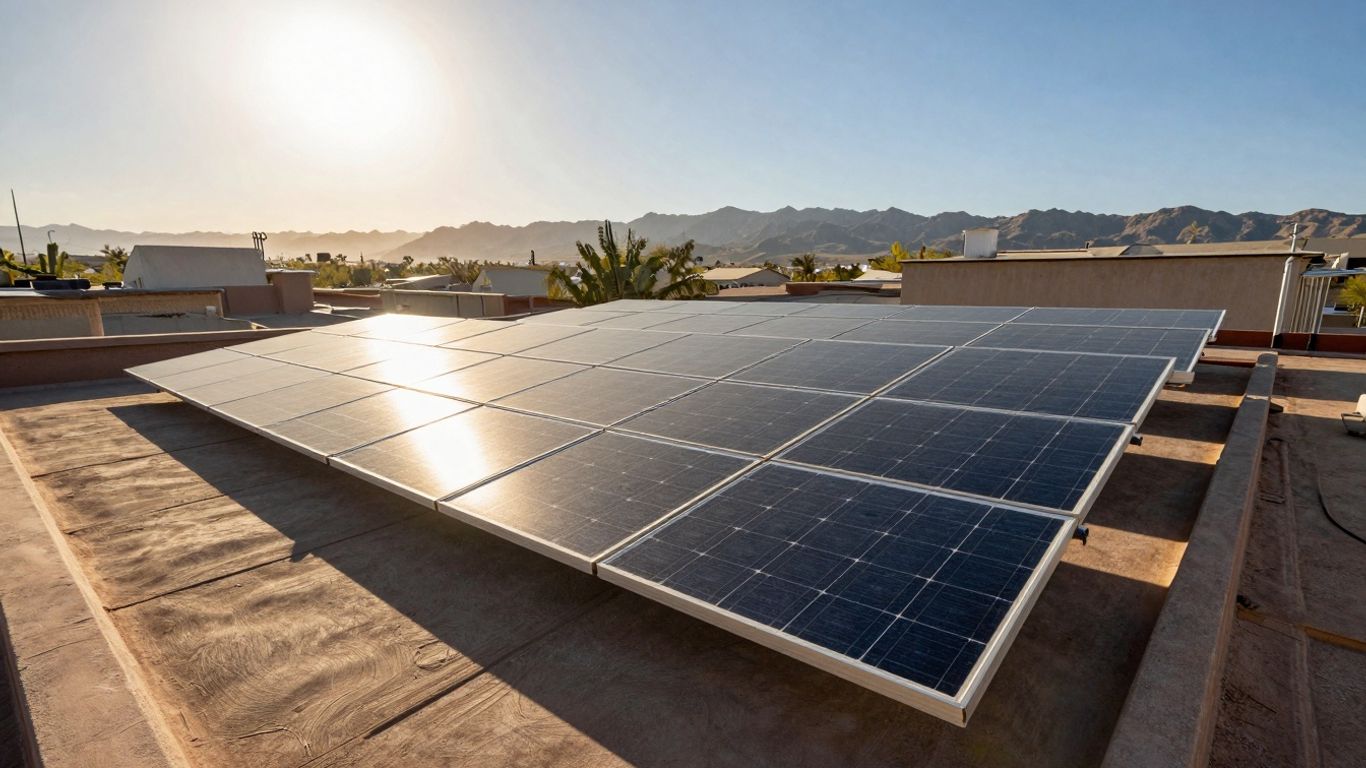
For years the big one from Uncle Sam was the Residential Clean Energy Credit. It is gone for people who buy a system now. Congress repealed it for any residential solar system installed after 31 December 2025, so a 2026 purchase gets no federal credit at all. Arizona’s own incentives were not repealed, and they are what a 2026 budget should be built on.
Residential Clean Energy Credit Details
This credit was 30% of your total solar system expenses. That counted the panels, inverters, batteries, installation labor, permitting fees, and even sales tax on those items. On a $20,000 system it was about $6,000 off your federal tax bill. It ended for systems installed after 31 December 2025. If your system was placed in service in 2025, you can still claim it on your 2025 federal return. Buy a system in 2026 and you get no federal credit.
One route still carries a federal credit: a lease or a power purchase agreement (PPA). There the company owns the system, claims the commercial credit itself, and can price that saving into what it charges you. You do not claim anything on your own return.
Here’s a quick rundown of what qualified while the credit ran:
- Solar electric panels (photovoltaics): The main event, obviously.
- Solar water heaters: If your system heats your water using the sun, that counts too.
- Battery storage technology: Yes, adding a battery to store excess energy is eligible.
- Labor costs: The folks who install it get paid, and that’s part of the credit.
- Permitting and inspection fees: All the necessary paperwork and checks are included.
While the credit ran you had to own the system outright, through a cash purchase or a solar loan. Leased systems and power purchase agreements (PPAs) never qualified for the homeowner’s version of this credit, though under a lease or PPA the owner can still claim the commercial credit and pass the benefit through in your rate.
Claiming the Federal Solar Tax Credit for a 2025 Install
This section only applies if your system was placed in service on or before 31 December 2025. A 2026 install has no federal credit to claim. If you did finish in 2025, you did not need to apply beforehand: when you file your federal taxes for that year, you use IRS Form 5695. This form helps you calculate the exact credit amount. After filling out Form 5695, you’ll then add that credit information to your main tax return, usually on Form 1040 or Schedule 3.
Here are the basic steps:
- Gather all your solar installation receipts: Keep records of every expense related to your system. This is your proof.
- Complete IRS Form 5695: This is where you’ll calculate your credit amount based on your eligible expenses.
- Attach Form 5695 to your federal tax return (Form 1040/Schedule 3): File it like you normally would.
If your tax bill for the year isn’t high enough to use the full credit amount, don’t sweat it. The great news is that any unused portion of the credit can be carried forward for up to five years. This means you can still get the full benefit, even if it takes a few years to apply it all.
Federal Credit End Date and Implications
The 30% federal solar tax credit expired at the end of 2025. Any residential system placed in service on or after 1 January 2026 gets no federal credit. If your system was fully installed and operational by 31 December 2025, you can still claim the full 30% on your 2025 federal return. If you are quoting a system now, build the budget on the Arizona state credit and the sales and property tax exemptions below, and treat any quote that still prices in a 30% federal credit as out of date.
Other Arizona Solar Incentives
Beyond the main tax credit, Arizona offers a few other ways to save money when you decide to go solar. These can really add up and make your solar investment even more appealing.
Solar and Wind Equipment Sales Tax Exemption
This is a pretty straightforward one. When you buy solar panels, inverters, racking, and other qualifying equipment for your home, you won’t have to pay state sales tax on those purchases. It’s a 100% exemption from state sales tax, which can shave a noticeable amount off the total cost of your system. This applies to anyone buying eligible equipment in Arizona, making it a broad incentive for homeowners.
Ready to take the next step? compare Arizona solar quotes and see your personalized options.
Energy Equipment Property Tax Exemption
Once your solar system is installed, you might worry about your property taxes going up because your home’s value increased. Well, good news! Arizona has an exemption for this. The added value to your home from a solar installation is generally not included when your property taxes are assessed. This means you get the benefit of a more valuable home without the increased tax burden. It’s a 100% exemption on the added system value, which is a nice perk.
Local Utility Rebate Programs
While not statewide, some local utility companies in Arizona offer their own rebate programs. These can vary quite a bit. For example, Mohave Electric Cooperative has a program that offers a certain amount per watt installed, up to a cap. It’s always a good idea to check with your specific utility provider to see if they have any incentives available. Sometimes these require you to apply before installation, so do your homework!
It’s worth noting that incentives can change. What’s available today might not be tomorrow, so it’s smart to look into all these options when you’re planning your solar project. Getting all the details ironed out upfront can save you a lot of hassle and money down the line.
Here’s a quick rundown of what to look for:
- Sales Tax Exemption: Saves you money on the initial purchase of equipment.
- Property Tax Exemption: Prevents your property taxes from increasing due to the solar installation.
- Utility Rebates: Direct financial incentives from your local power company, if available.
Check with the Arizona Department of Revenue for the Solar and Wind Equipment Sales Tax Exemption details, or check your Arizona solar eligibility to see how it applies to your purchase.
Maximizing Your Solar Investment in Arizona
So, you’re thinking about putting solar panels on your roof here in Arizona. That’s a smart move, especially with all the sunshine we get. But to really make it pay off, you’ve got to think about a few things beyond just the panels themselves. It’s not just about buying the cheapest system; it’s about making sure everything works together and that you’re getting all the benefits you’re entitled to.
Qualifying Solar System Components
When you’re looking at tax credits and incentives, not every single piece of your solar setup might count. Generally, the main things that qualify are:
- Solar Panels: These are the big ones, obviously. They’re what capture the sunlight.
- Inverters: These convert the direct current (DC) electricity from your panels into the alternating current (AC) that your home uses.
- Racking and Mounting Equipment: This is what holds your panels in place on your roof or on the ground.
- Battery Storage Systems: If you’re adding batteries to store excess energy, these often qualify too, which is great for backup power and using your solar energy even when the sun isn’t shining.
- Labor Costs: Sometimes, the costs associated with installing these qualifying components can also be included.
It’s always a good idea to double-check with your installer or the relevant tax forms to be sure exactly what’s covered. You don’t want to miss out on claiming something that should count.
Ownership Requirements for Tax Credits
This is a big one that trips people up. To claim the Arizona solar tax credit (and the federal one while it still ran) you generally need to own the solar energy system. This means if you’re leasing your panels or have a Power Purchase Agreement (PPA) where a third party owns the system and you just buy the electricity it produces, you typically can’t claim the tax credits yourself. The system owner is the one who gets to take advantage of those savings. So, if you’re looking to get the tax benefits directly, buying your system outright is the way to go.
When you’re looking at solar, think about the long game. The upfront cost is one thing, but how you structure the ownership and what components you choose can really change how much you save over the years. It’s worth taking the time to get it right from the start.
Importance of Timely Installation
Incentives and tax credits don’t last forever. The rules can change, and programs can expire. The federal Residential Clean Energy Credit is the clearest example: it was extended several times over the years and then repealed outright for systems installed after 31 December 2025. Similarly, state-level programs or utility rebates might have specific deadlines or limited funding. Installing your system sooner rather than later means you’re more likely to capture these valuable financial benefits before they disappear or change. It’s like catching a sale. You want to get in while the deals are good. Plus, the sooner you install, the sooner you start saving money on your electricity bills and generating your own clean energy.
Wrapping Up Your Solar Savings
So, going solar in Arizona comes with some pretty good perks. The 30% federal credit is gone for anyone buying a system now, but Arizona’s own breaks are not. You still have the state credit worth 25% of your system cost up to $1,000, the sales tax exemption, and the property tax exemption, and those can add up. If you finished an install in 2025, claim the federal credit on your 2025 return while you still can. For a 2026 project, get quotes priced on the Arizona incentives alone, and check that nobody is still quoting you a 30% federal discount that no longer exists.
Frequently Asked Questions
How much is the Arizona solar tax credit?
The Arizona solar tax credit, called the Credit for Solar Energy Devices, lets you deduct 25% of the cost of your solar system from your state income taxes. However, there’s a limit, and you can get a maximum credit of $1,000. It’s a great way to lower your tax bill when you install solar!
Who can get the Arizona solar tax credit?
To get this credit, you need to be an Arizona taxpayer who installs a qualifying solar or wind energy system on your home. This applies to both your main house and any second homes you own in Arizona. You must also be the one paying for the solar setup.
Can I use the Arizona solar tax credit if I don’t owe a lot in taxes?
Yes, you can! If the solar tax credit amount is more than the taxes you owe for that year, you can carry over the extra credit to the next five years. This means you won’t lose out on any of the savings, even if your tax bill is small.
What kind of solar equipment qualifies for the Arizona tax credit?
The credit covers a range of solar and wind energy devices. This includes things like solar panels for electricity (photovoltaic systems), solar water heaters, solar pool heaters, and even small wind turbines. Basically, anything that helps harness solar or wind power for your home can potentially qualify.
How do I claim the Arizona solar tax credit?
Claiming the credit is straightforward. When you file your Arizona state income taxes for the year you installed your solar system, you’ll need to fill out and submit Arizona Form 310 to the Arizona Department of Revenue. It’s usually filed along with your regular tax return.
Is the Arizona solar tax credit different from the federal one?
Yes, they are separate, and only one of them is still running. The Arizona credit is for your state taxes and is still available: 25% of your system cost up to $1,000. The federal one (the Residential Clean Energy Credit) was 30% of your system cost and ended for systems installed after 31 December 2025. If you installed in 2025 you can claim both on the relevant returns. If you are buying in 2026, only the Arizona credit applies.
Ready to Start Saving on Your Energy Bills?
Get a free, no-obligation quote from trusted local providers in under 2 minutes.
No obligation • Free estimates • Takes under 2 minutes
Get a Second Quote for Your Arizona Home
Installer pricing can vary a lot, even in the same state. A second quote gives you a number to compare before you sign.
Commercial Solar Financing: Best Options for Businesses (Loans, PPAs, Leases)

Get Commercial Solar Numbers for Your Building
PPAs, loans, and leases each change the numbers differently for a business owner. A quote for your property lays out real installed cost and payment options before you commit to a structure.
Disclosure: we may earn a commission if you switch or request a quote through this link, at no extra cost to you. It never changes which plan or company we recommend. How we make money.
Thinking about putting solar panels on your business property? That’s great! But the big question is usually how to pay for it all. It’s not like you can just pull out your wallet for a massive solar setup. Luckily, there are several ways to finance commercial solar projects, and each one changes how you pay, who owns the equipment, and what kind of savings you’ll see. We’ll walk through the main options for commercial solar financing so you can figure out what makes the most sense for your company.
Key Takeaways
- A Power Purchase Agreement (PPA) lets you buy solar power at a set rate, often lower than utility prices, without paying for installation upfront. You don’t own the system, though.
- A Solar Lease means you pay a fixed monthly fee to use the solar system installed on your roof. Like a PPA, there’s no upfront cost, but you’re paying for the equipment use, not the electricity generated.
- Solar Loans allow your business to own the solar system while spreading the cost over time with monthly payments. You get to claim tax benefits and incentives, potentially leading to better long-term returns.
- A Cash Purchase means you pay for the entire solar system upfront. This gives you full ownership, the best long-term savings, and allows you to take advantage of all available tax credits and incentives.
- Commercial Property Assessed Clean Energy (C-PACE) offers loans for energy upgrades that are repaid through property tax assessments, making it accessible even for businesses with less-than-perfect credit.
Power Purchase Agreement (PPA)
A Power Purchase Agreement, or PPA, is a pretty popular way for businesses to go solar without having to shell out a ton of cash upfront. Basically, a solar company or investor puts up all the money for the solar system (the panels, the inverters, all of it) and installs it on your business’s property. Your business then agrees to buy the electricity that the system generates over a set period, usually 10 to 25 years.
The big draw here is that you typically pay a lower rate per kilowatt-hour (kWh) for this solar electricity than you would for power from the utility company. This means you start saving money on your electricity bills from day one. It also gives you a predictable energy cost for years to come, which is nice for budgeting and planning.
Here’s a quick rundown of how it generally works:
- Developer Owns and Operates: The solar company owns the system, handles all the installation costs, and takes care of maintenance and repairs. You don’t have to worry about fixing anything.
- You Buy the Power: Your business buys the electricity produced by the panels at a pre-agreed rate. This rate is usually lower than your current utility rate.
- Long-Term Contract: You sign a contract for a specific term, like 20 years, agreeing to purchase the power generated.
It’s important to know that with a PPA, you don’t own the solar system. This means you can’t claim things like the Investment Tax Credit (ITC) or depreciation benefits. Those go to the system owner. However, for organizations that can’t take advantage of tax incentives, like some non-profits or government entities, a PPA can still be a really smart move because the savings are passed on through the lower electricity rate.
Think of it like leasing a car. You get to use the car and enjoy the benefits of driving it, but you don’t own it. The leasing company handles the big maintenance stuff, and you pay a monthly fee for the use. With a PPA, you’re essentially ‘leasing’ the solar power generated, not the equipment itself, and the payment is based on how much power you use.
Solar Lease
A solar lease is another way for businesses to go solar without shelling out a ton of cash upfront. Think of it like renting the solar panel system for your building. You pay a set monthly fee to use the equipment, and the company that owns it handles the installation and upkeep.
The main difference from a Power Purchase Agreement (PPA) is that with a lease, you’re paying a fixed amount each month for the system itself, not for the actual amount of electricity it produces. This can make budgeting a bit simpler, as you know exactly what your solar payment will be, regardless of how sunny it is.
Here’s a quick rundown of how it generally works:
- Installation: A third-party company installs the solar panels on your property.
- Monthly Payments: You pay a consistent monthly lease payment for a set term, usually between 6 to 10 years.
- Maintenance: The lease provider typically covers all maintenance and repairs.
- Ownership: You don’t own the system, and you can’t claim tax credits or depreciation benefits. Those usually go to the system owner.
- End of Term: At the end of the lease, you might have options to renew the lease, buy the system at a pre-determined price, or have the system removed.
While leases offer predictable monthly costs and zero upfront investment, they might not always be the most popular choice for businesses compared to PPAs. It can sometimes be trickier to directly compare lease payments to your current utility bills, especially since the payment isn’t tied to your actual energy usage.
One thing to keep in mind is that the financial incentives, like tax credits, usually go to the company that owns the solar system, not to your business. So, while you get the benefit of using the solar power and potentially lower electricity bills, you miss out on those direct tax advantages. It’s worth checking if solar leases are even allowed in your specific state, as not all jurisdictions permit them.
Solar Loans
When you go with a solar loan, your business basically takes out a loan to buy a solar energy system, much like you might get a loan for a new piece of equipment or a building upgrade. The lender puts a lien on the solar system itself, but you, the business owner, are the direct owner of everything. This means you get to claim all the good stuff that comes with owning a solar setup.
The biggest perk here is that you own the system outright and can take advantage of the federal Investment Tax Credit (ITC), which lets you deduct a good chunk of the system’s cost from your federal taxes. Other benefits include any state rebates and the income you might get from selling Solar Renewable Energy Credits (SRECs). You’ll also see savings on your electricity bills, of course.
There are a couple of ways these loans can work, especially when it comes to using that ITC refund:
- Split Loan: You get a short-term, interest-free loan for about 30% of the project cost. You pay this off in full once you get your tax refund. The rest of the loan is a standard, longer-term loan with interest.
- Re-amortized Loan: After you get your ITC refund, you make a big payment towards the principal. The loan is then recalculated with a lower monthly payment for the rest of its term.
When you’re shopping around for a solar loan, you’ll find options with fixed or variable interest rates. Fixed rates give you predictable payments, while variable rates can change if the market rates go up or down. Some loans are secured, meaning you’ll need to put up an asset as collateral, while others are unsecured, with the solar equipment itself acting as the guarantee.
Remember, with a solar loan, you’re responsible for the system’s upkeep and any future maintenance costs. If managing that sounds like a hassle, you might want to look at other options like leases or PPAs where someone else handles the operations.
Interest rates and how long you have to pay the loan back can vary a lot. Lenders might include what they call ‘dealer fees’ to cover their administrative work or the risk they’re taking. It’s super important to read all the fine print and understand every single fee before you sign anything. You want to make sure the savings on your electricity bill are more than your monthly loan payment, especially after you factor in all the incentives.
Cash Purchase
So, you’ve got the capital and you’re thinking about going solar. Buying a solar system outright with cash is pretty much the most straightforward way to do it, and honestly, it often ends up being the most profitable in the long run. You pay for the whole thing upfront, and bam. It’s yours. No monthly payments to worry about, just pure energy savings from day one.
What’s really cool about this is you get to claim all the good stuff, like the federal tax credits. That’s a big chunk of the cost right back in your pocket. Plus, there’s depreciation, which is another way to cut down on your business taxes. It’s like the government is giving you a pat on the back for going green. And hey, owning the system outright adds real value to your property. It’s a tangible asset that makes your building worth more.
Here’s a quick rundown of why it’s a solid choice:
- Maximum Long-Term Savings: You’re not paying interest or lease fees, so your savings just keep adding up over the system’s lifespan.
- Full Ownership & Control: It’s your system. You own everything it produces and can decide what to do with any excess energy.
- Tax Advantages: You can take advantage of the Investment Tax Credit (ITC) and accelerated depreciation.
- Increased Property Value: A solar installation is a physical asset that boosts your building’s worth.
Of course, it’s not all sunshine and rainbows. The biggest hurdle is that initial investment. It’s a significant amount of money to put down all at once. You’ll also be the one responsible for any maintenance, though solar systems are pretty low-maintenance these days, and the costs are usually minimal over the years. Most businesses find the payback period is pretty reasonable, often somewhere between 4 to 7 years, after which all the energy is essentially free.
This method is best suited for businesses that have the available cash and want to maximize their return on investment while also taking full advantage of all available tax incentives. It’s a commitment, for sure, but one that pays off handsomely over time.
Commercial Property Assessed Clean Energy (C-PACE)
Commercial Property Assessed Clean Energy, or C-PACE, is a financing tool that lets businesses pay for solar installations and other energy upgrades through their property tax bill. It’s available in many states, and the idea is pretty straightforward: instead of taking out a traditional loan with upfront payments and credit checks, you get a voluntary assessment added to your property taxes. This assessment covers the cost of the solar project, including interest, and is repaid over a long period, often 20 to 30 years.
The biggest draw of C-PACE is that it often requires no money down and can be repaid over a much longer term than typical business loans, making solar more accessible. Because the repayment is tied to the property itself, it can be a good option even if your business has a less-than-perfect credit history. Plus, the assessment automatically transfers to the new owner if you sell the property, which can make it more attractive to buyers.
Here’s a quick look at how it generally works:
- Project Approval: Your solar project gets the green light.
- Financing Secured: A third-party lender provides the capital for the project.
- Installation: The solar system is installed on your property.
- Repayment via Property Taxes: The project cost is added as a special assessment to your annual property tax bill, which you then pay to the lender.
It’s worth noting that C-PACE programs are still relatively new in some areas, so availability and specific rules can vary by state and even by local municipality. If you own your commercial property and plan to stay put for a while, C-PACE is definitely worth looking into.
C-PACE financing is tied to the property, not the business owner. This means if you sell your building, the C-PACE assessment transfers to the new owner. This can be a benefit, as it makes the property more attractive by including a pre-paid energy upgrade.
Wrapping It Up
So, picking the right way to pay for solar for your business really matters. It’s not just about getting panels on the roof; it’s about how it fits your budget now and in the future. Whether you go with a PPA where you just pay for the power, a lease for predictable monthly costs, or buy it outright for the best long-term savings, the main thing is to match it to what your business needs. Think about your money goals, if you can use tax breaks, and what you plan to do down the road. Getting some expert advice can really help sort through the options and make sure you’re making a smart move for your company’s bottom line and its future.
Frequently Asked Questions
What is a Power Purchase Agreement (PPA) for businesses?
A PPA lets your business use solar power without buying the equipment. A company installs and owns the solar panels on your roof. You then buy the electricity they make, usually at a lower price than what your regular power company charges. It’s like paying for the electricity, not the panels themselves.
How is a Solar Lease different from a PPA?
With a solar lease, you pay a set monthly fee to use the solar system that’s installed on your property. Unlike a PPA where you pay for the actual electricity used, a lease payment is fixed, regardless of how much power the system generates. Think of it like renting the solar equipment.
Residential readers weighing the same own-versus-rent question have a more direct comparison available: our review of what a Credit Human solar loan actually costs over its full term.
What are Solar Loans for businesses?
A solar loan is like a regular loan but specifically for buying a solar energy system. Your business owns the system from the start, and you pay back the loan over time, usually with interest. This means you can take advantage of tax breaks and own the system outright once the loan is paid off.
Can my business buy solar panels outright with cash?
Yes, a cash purchase means your business pays for the entire solar system upfront. This is the most direct way to own the system and get the best long-term savings because you avoid interest payments and can claim all tax benefits and incentives immediately.
What is C-PACE financing?
C-PACE stands for Commercial Property Assessed Clean Energy. It’s a special type of loan that helps businesses pay for energy-saving upgrades, including solar. The loan is repaid through an extra charge on your property’s tax bill, which can make it easier to qualify for, even with a less-than-perfect credit history.
Which financing option is best for my business?
The best option depends on your business’s financial situation and goals. If you want no upfront costs and immediate savings, a PPA or lease might be good. If you want to own the system and get the highest long-term return, a solar loan or cash purchase is better. C-PACE is a helpful option if you need easier financing terms.
On the commercial side, the two companion pieces are pricing and negotiating a commercial solar PPA and how C-PACE financing works for building owners. It is worth running your own numbers through the solar loan calculator first.
Want real quotes before you decide how to pay for it?
A loan only makes sense once you know what the system will actually cost. If your electric bill runs above $150 a month and your roof gets decent sun, a personalized quote gives you real numbers to put into any loan comparison. Quotes are available nationwide.
Solar Financing Near Me: How to Find Local Lenders & the Best Deals

This gallery contains 1 photo.
Skip the Lender Search, Start With a Quote
Local lenders can only quote you a rate once they know the loan amount, and that starts with a real system price. A quote for your home gives you the number to bring to any lender.
Disclosure: we may earn a commission if you switch or request a quote through this link, at no extra cost to you. It never changes which plan or company we recommend. How we make money.
Thinking about going solar but not sure how to pay for it? It can feel like a big step, especially with the upfront costs. But don’t worry, there are plenty of ways to finance solar panels, and finding the right option near you is key to making it affordable. This guide will help you sort through the different choices, from your local bank to installer deals, so you can find the best fit for your home and your wallet. Let’s figure out how to make solar financing near me work for you.
Key Takeaways
- When looking for solar financing near me, check with your local bank or credit union first. They might offer better rates than national companies, especially credit unions that focus on community projects.
- Be cautious with installer financing, especially ‘0% interest’ deals. Always compare the installer’s cash price to their financed price to see if costs are inflated.
- Home Equity Lines of Credit (HELOCs) can be a good option if you have equity in your home, often providing lower interest rates than unsecured loans.
- Government rebates and incentives can significantly lower the amount you need to borrow, making your solar loan more manageable.
- Understand how owning vs. leasing solar panels affects your home’s financing. Owned systems are generally viewed favorably by lenders, while leases can complicate mortgages.
Exploring Local Solar Financing Options
So, you’re thinking about going solar, which is awesome! But then comes the big question: how do you pay for it? It can feel a bit overwhelming at first, especially with all the different ways to finance a system. The good news is, you don’t have to go it alone. There are plenty of local options out there, and understanding them is the first step to finding the best deal for your home.
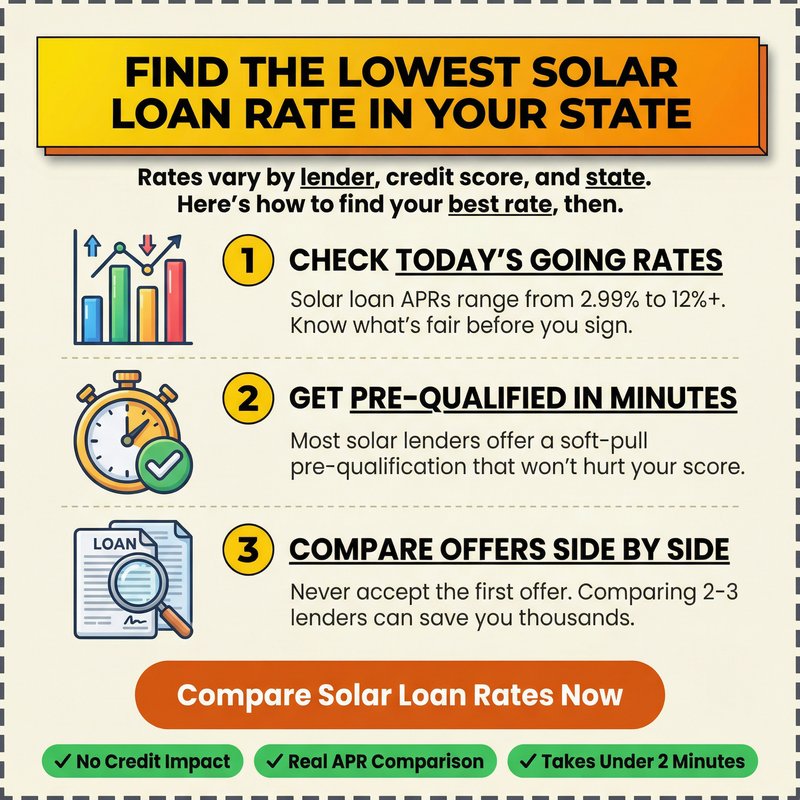
Understanding Your Local Solar Financing Near Me Landscape
When you start looking for solar financing, it’s easy to get lost in all the national programs and big-name lenders. But often, the best deals are closer than you think. Your local banks, credit unions, and even some community-focused organizations might have specific programs or a better understanding of your local market. Think about it: they’re invested in your community, and that can translate into more flexible terms or even slightly better rates than you might find with a giant, faceless corporation.
- Start with your current bank: You already have a relationship there, which can sometimes make things smoother. See what they offer for home improvement loans or green energy projects.
- Check out local credit unions: These are member-owned and often prioritize community benefit. They might have specialized solar loans with competitive rates.
- Look into community programs: Some towns or regions have specific initiatives or grants for renewable energy that can lower your overall cost.
Key Factors When Comparing Solar Loans
Not all solar loans are created equal. When you’re comparing different offers, it’s super important to look beyond just the monthly payment. You need to see the whole picture to make sure you’re getting a good deal that won’t cost you a fortune in the long run.
Here are some things to keep an eye on:
- Interest Rate: This is a big one. Is it fixed or variable? What’s the actual percentage? Even a small difference can add up to thousands over the life of the loan.
- Loan Term: How long do you have to pay it back? A longer term means lower monthly payments, but you’ll likely pay more interest overall. A shorter term means higher payments but less interest paid.
- Fees: Are there any origination fees, closing costs, or prepayment penalties? Make sure you know about all the extra costs involved.
- Total Cost: Add up all the payments, including interest and fees, to get the total amount you’ll pay for the system. This is the number that really matters.
When comparing financing options, always ask for the total cost of the loan over its entire term. This figure will give you a clear picture of what you’ll actually pay for your solar system beyond the initial price tag.
Navigating the Solar Financing Process
Getting approved for a solar loan isn’t usually as complicated as buying a house, but it does take a few steps. Being prepared can make the whole thing go much smoother.
- Get Quotes: First, you need to know how much you need to borrow. Get detailed quotes from a few reputable solar installers. Make sure you ask for the ‘cash price’ of the system, not just the financed price.
- Check for Incentives: Look into any local, state, or federal rebates or tax credits available for solar. These can significantly reduce the amount you need to finance.
- Gather Your Financials: Have your income information, credit score details, and details about your home (like equity if you’re considering a HELOC) ready.
- Apply: Approach lenders with your quotes and incentive information. Be ready to discuss your energy savings projections. This shows them it’s a smart investment.
- Compare Offers: Don’t just take the first offer. Lay out all the loan terms side-by-side and pick the one that makes the most sense for your budget and financial goals.
Leveraging Traditional Lenders for Solar Power
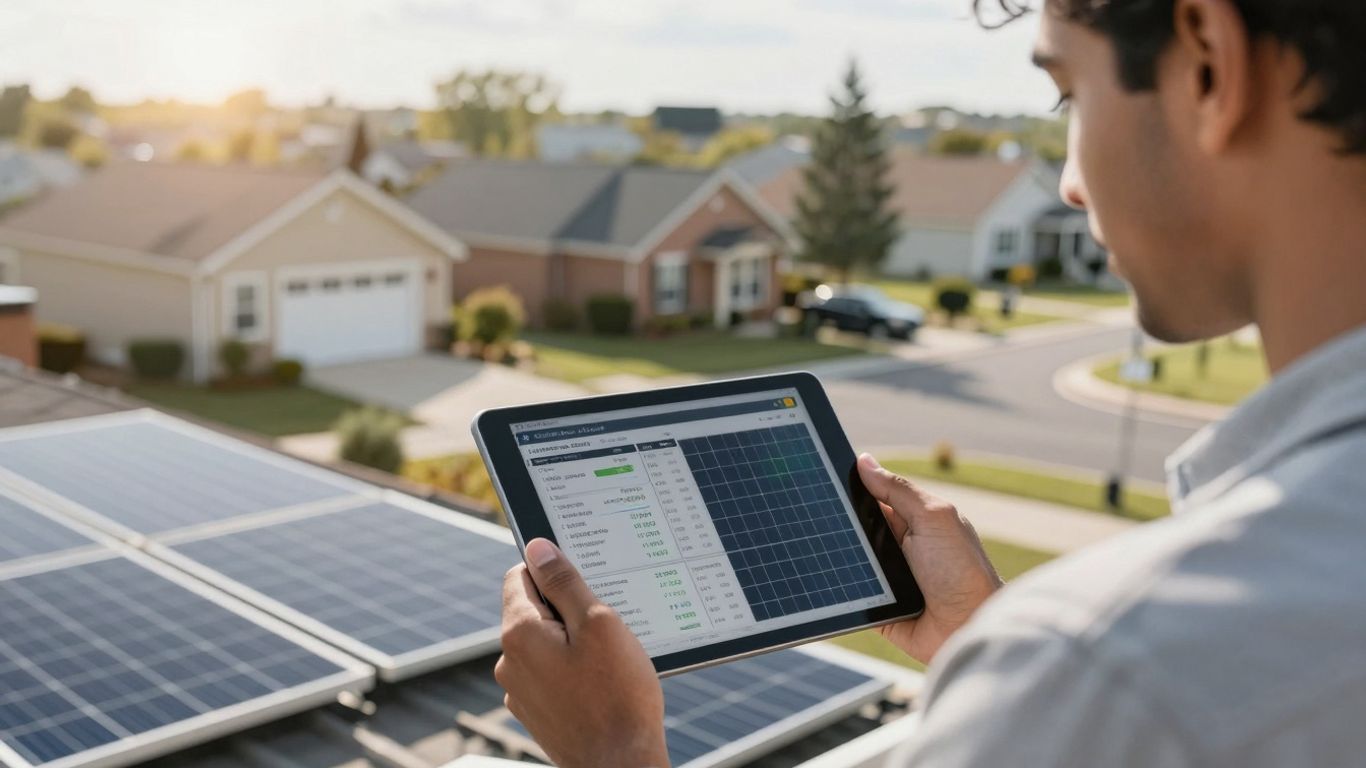
When you’re looking into solar, don’t forget about the banks and credit unions you already work with. They can be a solid place to start, especially if you’ve built a good relationship with them over time. Think of them as your first line of defense for getting a loan.
Working With Your Existing Bank for Solar Loans
Your current bank might have options that fit your solar project. They often have “green” loan programs designed for energy-efficient upgrades. While these might sound special, they’re often just standard personal loans with a slightly better interest rate. It’s worth asking about them.
- Ask about “green” or “eco-friendly” loans: Some banks specifically market these for home improvements like solar.
- Inquire about personal loans: Even if there isn’t a dedicated green loan, a standard personal loan could work. Just be sure to compare the rates.
- Discuss your home improvement plans: Frame your solar installation as a way to increase your home’s value and lower your monthly expenses. Providing your installer’s quote and estimated energy savings can help.
When talking to your bank, try to present your solar project as a smart investment. Showing them how it will increase your property value and reduce your utility bills can make them more receptive to offering favorable loan terms. It’s not just about borrowing money; it’s about financing an upgrade that pays for itself.
Credit Unions: A Community-Focused Alternative
Local credit unions are another great option to explore. Since they’re member-owned, they often focus more on community benefit and might offer more competitive rates or flexible terms than big banks. They sometimes have specific loan products tailored for solar installations.
- Check for membership requirements: You’ll usually need to be a member to get a loan.
- Ask about “green” or “solar” loans: Many credit unions are ahead of the curve on these types of loans.
- Compare rates and terms: Even if you’re already a bank customer, a credit union might surprise you with a better deal.
Credit unions can sometimes be more flexible with their lending criteria, which can be helpful if you don’t have a long credit history or if your financial situation is a bit unique. Their local focus means they might understand your community’s needs better.
Home Equity Lines of Credit for Solar Investments
If you own a home and have built up some equity, a Home Equity Line of Credit (HELOC) can be a very attractive option for financing solar. It’s essentially a line of credit secured by your home’s value. This often comes with lower interest rates compared to unsecured loans.
- Understand the collateral: Your home is used as security for the loan.
- Check current interest rates: HELOC rates are often variable, tied to the prime rate.
- Determine your borrowing limit: This will depend on how much equity you have in your home.
A HELOC can be a smart move because it typically offers lower interest rates than a personal loan. However, it’s important to remember that your home is on the line, so make sure you’re comfortable with that arrangement and can manage the payments comfortably. It’s a significant financial commitment.
When considering a HELOC, be sure to compare the interest rates and fees with other loan options. While the rates are often lower, the total cost over the life of the loan can still add up. It’s a good idea to get quotes from a few different lenders, including your current bank and any credit unions you’re a member of.
Solar Installer Financing: Convenience and Considerations
Many solar companies make it super easy to finance your new solar setup right through them. They often partner with finance companies to offer packages that bundle everything together. It sounds pretty straightforward, right? You get a quote, they handle the installation, and the financing is all part of the deal. This can be a big plus if you just want a simple, one-stop solution.
Evaluating Installer Financing Packages
When an installer presents their financing plan, it’s smart to look beyond just the monthly payment. Ask for the total cash price of the system too. This way, you can figure out the actual cost of the financing they’re offering. Sometimes, what looks like a great deal might have hidden costs or a higher overall price compared to getting a loan elsewhere.
Here’s a quick way to compare:
- Cash Price: The price of the system if you paid upfront.
- Financed Price: The total amount you’ll pay over the life of the loan, including interest.
- Loan Term: How many years you’ll be paying.
- Monthly Payment: The amount you pay each month.
The Truth Behind ‘0% Interest’ Solar Deals
That “0% interest” offer sounds amazing, and sometimes it really is. But it’s important to know how these deals usually work. Often, the “0% interest” is baked into a higher overall system price. So, while you’re not paying interest, you might be paying more for the panels and installation itself. It’s like getting a “free” appetizer with a meal that costs a bit more than it should.
Always ask for the system’s cash price. This is the number you need to compare apples to apples with other financing options. If the installer won’t give you a clear cash price, that’s a red flag.
Comparing Installer Offers to Traditional Loans
Don’t just take the installer’s financing at face value. It’s a good idea to shop around. Get quotes from your own bank or a local credit union. You might find that a traditional loan, even with a small interest rate, ends up being cheaper overall because the principal loan amount is lower. It takes a little more effort, but saving money in the long run is usually worth it.
Here’s a quick comparison table to help you think it through:
| Feature | Installer Financing (Example) | Traditional Loan (Example) | Notes |
|---|---|---|---|
| Interest Rate | Often advertised as 0% | Varies (e.g., 5-10%) | Check if 0% is built into a higher price. |
| Total Cost | Potentially higher | Potentially lower | Compare total paid over loan term. |
| Application Ease | Very easy, bundled | May require more steps | Installer financing is often quicker. |
| Flexibility | Limited to installer’s terms | More options available | Banks may offer better terms. |
Maximizing Your Solar Investment with Smart Financing
So, you’ve decided to go solar. That’s awesome! But before you sign on the dotted line for that shiny new system, let’s talk about making sure your financing plan actually works for you in the long run. It’s not just about getting the panels on your roof; it’s about making sure the money side of things makes sense for your wallet.
Calculating the True Cost of Solar Financing
This is where a lot of people get tripped up. You see a monthly payment, and it seems manageable. But have you looked at the total cost over the life of the loan? It’s easy to get excited about a ‘0% interest’ deal from an installer, but sometimes that ‘deal’ is baked into a higher overall system price. Always ask for the cash price of the system so you can compare apples to apples.
Here’s a quick way to think about it:
- Principal Amount: The actual cost of the solar system.
- Interest Rate: How much the lender charges you to borrow money.
- Loan Term: How many years you’ll be paying it off.
- Total Paid: Principal + Total Interest Paid.
The lowest monthly payment isn’t always the cheapest option overall. Sometimes, a slightly higher monthly payment over a shorter term can save you thousands in interest.
How Rebates and Incentives Impact Your Loan
Government rebates, tax credits, and local incentives can seriously cut down the upfront cost of your solar system. This is fantastic news because it means you might need to borrow less money, or maybe you can pay off the loan faster. It’s like getting a discount before you even start paying interest.
- Federal Tax Credits: These can offset a significant portion of your system’s cost when you file your taxes.
- State/Provincial Rebates: Many regions offer direct cash rebates for installing solar.
- Local Utility Programs: Some power companies have their own incentives.
Always factor these in before you finalize your loan. If you get a rebate after you’ve already borrowed the full amount, you’ll just have extra cash to put towards paying down the loan principal faster, saving you interest.
Ready to take the next step? solar financing near me and see your personalized options.
The Long-Term Value of Owned Solar Systems
When you own your solar system outright (or have paid off your loan), you’re essentially getting free electricity from the sun. Think about how much you spend on electricity now. That money could be going into your pocket instead. Plus, studies show that homes with owned solar systems often sell for more than comparable homes without them. Buyers see the value in those lower, predictable energy bills.
Owning your solar panels means you get to keep all the savings and the increased home value. It’s an investment that pays you back over time, not just in electricity bill reductions, but also in your property’s market appeal. It’s a win-win for your finances and the planet.
It’s really about looking at the whole picture. Don’t just focus on the immediate monthly payment. Consider the total cost, how incentives affect what you need to borrow, and the long-term benefits of owning a system that generates your own power.
Financing Solar During Home Construction or Renovation
Planning to build a new home or give your current one a major facelift? Integrating solar panels into these projects can be a smart move, but it requires a different approach to financing than adding solar to an existing, finished house. You’ll want to make sure the costs are rolled into your overall construction or renovation budget.
Integrating Solar into Construction Mortgages
If you’re building a new home from the ground up, your construction mortgage is the most straightforward place to include solar panel costs. Lenders typically disburse funds in stages as the building progresses. By including the solar installation as part of the initial construction plan, it can be factored into the total loan amount. This means the solar system is financed at your mortgage’s interest rate, which is usually lower than other loan types. It’s important to have detailed quotes from solar installers ready when you apply for your construction loan so the lender can assess the full project cost.
Using HELOCs for Solar Installations
For major renovations on an existing home, a Home Equity Line of Credit (HELOC) can be a flexible option. You can draw funds from the HELOC as needed to cover the solar installation costs during the renovation phase. Often, you’ll pay interest only on the amount you’ve drawn during this period. Once the renovation is complete and you move to regular payments, the HELOC converts to a standard repayment schedule. Rates for HELOCs are typically tied to the prime rate, so they can fluctuate.
Refinancing Your Mortgage for Solar Upgrades
Another route for existing homes undergoing renovation is refinancing your current mortgage. This allows you to tap into your home’s equity to get a lump sum for the solar installation. While refinancing might offer lower interest rates compared to a HELOC, it can involve more upfront costs like appraisal fees and closing costs. You’ll also need to consider any penalties if you’re breaking a fixed-rate mortgage term early. It’s a good idea to compare the total cost of refinancing against other options to see what makes the most financial sense for your specific situation.
When incorporating solar into a construction or renovation project, clear communication with your lender is key. Make sure they understand the full scope of the project, including the solar component, from the outset to avoid any surprises that could delay your financing or construction timeline.
Understanding How Solar Affects Property Financing
So, you’re thinking about putting solar panels on your roof, or maybe you’re eyeing a house that already has them. That’s great! But before you get too far down the road, it’s important to know how these systems can change things when it comes to getting a mortgage or refinancing your home. Lenders look at solar installations in a few different ways, and it really matters whether you own the panels outright, lease them, or have a power purchase agreement.
Owned Solar Systems and Mortgage Approval
If you buy your solar panels outright, lenders generally see them as a home improvement, kind of like a new kitchen or a better roof. This usually adds value to your property without causing major headaches for your mortgage. It’s an asset, not a debt. The main thing here is making sure the appraisal reflects the added value accurately. Sometimes, appraisers might not be totally up-to-date on how much solar adds, so it’s good to have your ducks in a row with documentation.
Challenges Posed by Leased Solar Panels
Leasing solar panels is where things can get a bit tricky. When you lease, you’re signing a long-term contract, often 15 to 25 years, with monthly payments. This lease essentially creates a lien on your property. Most mortgage lenders aren’t big fans of this. They want their mortgage to be the primary lien, and a solar lease can complicate that. Many lenders might refuse to approve a mortgage on a home with a solar lease unless that lease is paid off or transferred to the new owner before closing. The monthly payment also counts against your debt-to-income ratio, which can affect how much you can borrow.
Power Purchase Agreements and Lender Perspectives
Power Purchase Agreements (PPAs) are pretty similar to leases from a lender’s point of view. With a PPA, you agree to buy the electricity the panels produce, but you don’t actually own the equipment. The PPA company owns the panels and maintains a lien on your property. This means you run into the same issues as with a lease: the lien position and the ongoing payment obligation can make lenders hesitant. It’s not impossible to get a mortgage with a PPA, but it often requires extra steps and clear communication with all parties involved.
Here’s a quick rundown of how different solar setups are viewed:
- Owned Systems: Generally viewed positively, adding property value.
- Leased Systems: Can be a significant hurdle; lenders may require payoff or transfer.
- PPAs: Similar to leases; the system isn’t owned by you, creating lender concerns.
When you’re applying for a mortgage or refinancing, being upfront with your lender about any solar installations is super important. Surprises during the appraisal or title search can delay or even derail your deal. It’s always better to discuss it early so you know exactly where you stand and what needs to be done.
Wrapping Up Your Solar Financing Search
So, finding the right financing for your solar panels might take a little digging, but it’s definitely doable. We’ve looked at banks, credit unions, and even installer financing, each with its own pluses and minuses. Remember Dave’s story? He found a much better deal by looking beyond the obvious options and talking to his local credit union. Don’t just jump at the first offer, especially those ‘0% interest’ deals that might hide extra costs. Get a few quotes, compare them carefully, and think about what makes the most sense for your wallet and your home long-term. With a little effort, you can lock in a smart loan that makes going solar a financially sound choice.
Frequently Asked Questions
What’s the difference between a solar loan from a bank and one from an installer?
A bank loan is a more traditional loan, like one for a car or a home. Installer financing is often offered by the company putting in your solar panels. It might seem easier because it’s all in one place, but sometimes these deals have hidden costs or higher interest rates compared to what a bank or credit union might offer. It’s always smart to compare offers.
For a reference point, our review sets out a national credit union’s solar loan rates and membership terms in full rather than in summary.
Can I get a loan for solar panels if I don’t have a lot of money saved?
Yes, there are several ways to finance solar panels even if you don’t have a lot saved. You can look into loans from banks or credit unions, or sometimes installers offer special payment plans. Programs that offer rebates or grants can also lower the total amount you need to borrow.
What is a Home Equity Line of Credit (HELOC) and how can it help with solar?
A HELOC is like a credit card for your home. If you own your home and have paid off some of your mortgage, you can borrow against that owned part. This can be a good way to pay for solar panels because the interest rates are often lower than other types of loans, and you can borrow the money as you need it during the installation.
What does ‘0% interest’ solar financing really mean?
While ‘0% interest’ sounds amazing, it’s important to look closely. Sometimes, the price of the solar system itself might be higher to make up for the lack of interest. It’s like getting a free gift with a purchase, but the purchase price is inflated. Always compare the total cost over time, not just the monthly payment.
How do solar panels affect my mortgage if I want to sell my house?
If you *own* your solar panels outright, they usually make your house more attractive to buyers and can even increase its value. However, if you *lease* your solar panels or have a Power Purchase Agreement (PPA), it can make selling your house more complicated. Lenders might be hesitant because the lease or PPA is a long-term contract tied to the house that needs to be handled.
Are there local programs or incentives that can help me pay for solar?
Absolutely! Many towns, cities, and states offer special programs, rebates, or tax credits to encourage people to go solar. These can significantly lower the total cost of your system. You should check your local government’s website or ask solar installers if they know about any available incentives in your area.
Local lenders are one route among several. See also reading a solar loan quote properly and how solar loans work, start to finish.
Ready to Start Saving on Your Energy Bills?
Get a free, no-obligation quote from trusted local providers in under 2 minutes.
No obligation • Free estimates • Takes under 2 minutes
Want real quotes before you decide how to pay for it?
A loan only makes sense once you know what the system will actually cost. If your electric bill runs above $150 a month and your roof gets decent sun, a personalized quote gives you real numbers to put into any loan comparison. Quotes are available nationwide.
Solar Home Financing: How to Pay for Panels Without Breaking the Budget

Find Out What Fits Your Budget
The right way to pay for solar depends on your monthly bill and what you can put down. A quote for your home shows the real cost so you can see what actually fits.
Disclosure: we may earn a commission if you switch or request a quote through this link, at no extra cost to you. It never changes which plan or company we recommend. How we make money.
Thinking about going solar for your home? It’s a great idea for saving money and the planet. But the upfront cost can seem like a lot. Don’t worry, though. There are actually quite a few ways to pay for solar panels without emptying your bank account. This article breaks down the different solar home financing options available, so you can find the best fit for your budget.
Key Takeaways
- You can get solar home financing through banks, credit unions, or directly from solar installers. Each has its own pros and cons.
- Home Equity Lines of Credit (HELOCs) can be a good option if you have equity in your home, often offering lower interest rates.
- Installer financing might seem easy with ‘0% interest’ offers, but be sure to check if the system price is inflated to cover the financing cost.
- Look into local and state rebates or grants. These can significantly reduce the amount you need to finance.
- Always compare different loan terms, interest rates, and the total cost of ownership before deciding on your solar home financing.
Exploring Your Solar Home Financing Options
So, you’re thinking about going solar. That’s awesome! It’s a big step towards saving money on electricity and helping the planet. But let’s be real, the upfront cost can seem pretty daunting. Most home solar systems can run anywhere from $15,000 to $30,000, depending on how big you need it and where you live. The good news is, you don’t necessarily need a pile of cash sitting around to make it happen. There are several ways to pay for solar panels without emptying your bank account. The key is understanding these options and picking the one that fits your financial situation best.
Understanding the Appeal of Solar Financing
Why is financing solar so popular? Well, it makes a big purchase much more manageable. Instead of paying a huge sum all at once, you can spread the cost out over time. This often means your monthly solar payments are less than what you were paying for electricity before. Plus, many systems are designed to pay for themselves through energy savings. It’s a way to get into solar energy without an initial investment, which is a big deal for many homeowners.
Navigating the Landscape of Solar Loans
When you start looking into financing, you’ll find a few main categories. You’ve got your traditional banks and credit unions, financing options offered directly by the solar installers, and sometimes, local government programs. Each has its own set of pros and cons. It’s not a one-size-fits-all situation, so taking the time to compare is really important. You might find that a loan from your local credit union is a better deal than what an installer offers, even if the installer’s offer sounds good at first glance.
Our review shows what that comparison looks like in practice, down to Credit Human’s APR ranges and the membership requirement most homeowners overlook.
Key Considerations for Solar Home Financing
Before you sign anything, there are a few things you should keep in mind. Always ask for the cash price from installers, not just their financing offer. This helps you see if they’ve marked up the price to cover their financing costs. Also, look into any rebates or incentives available in your area; these can significantly lower the amount you need to borrow. Finally, think about the total cost over the life of the loan, not just the monthly payment. A lower monthly payment might end up costing you more in the long run due to higher interest rates or longer terms.
Getting solar panels can increase your home’s value. Studies show that homes with solar systems can sell for more, as potential buyers appreciate the long-term savings on electricity bills. It’s an investment that can pay off in more ways than one.
Here are some common financing avenues to explore:
- Solar Loans: These are loans specifically for solar installations, often offered by banks, credit unions, or specialized solar financing companies. They can be secured (like a home equity loan) or unsecured.
- Home Equity Lines of Credit (HELOCs): If you have equity in your home, a HELOC can be a good option, often with lower interest rates than personal loans.
- Installer Financing: Many solar companies partner with lenders or offer their own financing plans, sometimes including attractive interest rates. Just be sure to compare these carefully against other options.
- Green Personal Loans: Some banks offer personal loans tailored for energy-efficient home improvements, which might come with slightly better terms.
Leveraging Traditional Lenders for Solar Investment
When you’re looking to finance solar panels, don’t forget about the banks and credit unions you already work with. They often have options that can be quite competitive, especially if you’ve built up some history with them.
Partnering with Banks and Credit Unions
Your existing bank or credit union is a good place to start. They know you and might be more willing to work with you on a loan for solar. Big banks often have “green” loan programs, though sometimes these are just regular loans with a slightly different name. Credit unions, on the other hand, are member-owned and sometimes focus more on community projects, which could mean better terms for solar installations. It’s worth checking out both.
- Major Banks: Look into their eco-friendly loan options. These might be personal loans or lines of credit. They can be convenient, but sometimes the rates aren’t as good as other options.
- Credit Unions: These often provide more personalized service and might offer more competitive rates, especially for green projects. You’ll usually need to become a member first.
- Negotiation Tip: When you talk to your bank, don’t just ask for a loan. Explain that you’re making a home improvement that will increase its value and lower your energy bills. Show them your solar quotes and estimated savings. This makes it look like a smart investment.
Home Equity Lines of Credit for Solar
If you own your home and have built up some equity, a Home Equity Line of Credit (HELOC) can be a really good way to finance solar. It’s basically a loan secured by your home’s value. This usually means lower interest rates compared to unsecured loans. You can often draw money as you need it, which is handy if your project has phased costs. The main downside is that your home is the collateral, so you need to have enough equity built up. This can be a hurdle for newer homeowners.
HELOCs typically have variable interest rates tied to the prime rate. While this can be an advantage if rates fall, it also means your payments could increase if rates go up. It’s important to understand this risk before committing.
Green Personal Loans for Energy Upgrades
Some banks offer specific personal loans designed for energy-efficient upgrades, sometimes called “green loans.” While they sound special, they’re often just standard personal loans with a small discount on the interest rate. These are unsecured, meaning your home isn’t directly on the line, but the interest rates can be higher than with a HELOC. You might see rates anywhere from 7% to 12% or more, depending on your credit score. These can be a good option if you don’t have much home equity or prefer not to use your home as collateral. Just be sure to compare the rates and terms carefully against other financing methods. Many lenders are hesitant to offer mortgages for homes with leased solar panels, often requiring the lease to be paid off or transferred first, which can complicate property sales [4ebb].
Evaluating Installer-Provided Solar Financing
Many solar installation companies make it easy to get financing right through them. It’s a convenient package deal where they handle the quote, the installation, and the loan all at once. They usually team up with third-party lenders to make this happen. You might see ads for “0% interest” financing, which sounds great, but it’s important to look closer.
The Convenience of Bundled Packages
Going with an installer’s financing means you’re dealing with one company for the whole project. This can simplify things, especially if you’re not keen on shopping around for loans separately. They present it as a complete solution, taking the guesswork out of paying for your new solar setup. It feels like a straightforward path from deciding you want solar to having it on your roof.
Understanding “0% Interest” Offers
That “0% interest” deal sounds like a dream, right? It often means the installer has built the cost of the financing into the overall price of the system. So, while you’re not paying interest, you might be paying a higher price for the panels and installation itself. It’s like getting a “free” gift with purchase that actually just inflates the main item’s cost. Always ask for the system’s cash price so you can compare apples to apples.
Here’s a quick way to check if a “0% interest” offer is really a good deal:
- Get the Cash Price: Ask the installer for the price of the solar system without any financing.
- Get a Loan Quote Elsewhere: See what a bank or credit union would charge you for a loan for that cash price.
- Compare Total Costs: Add up the monthly payments and any fees for the installer’s offer versus the loan you got elsewhere. See which one ends up costing you less over the life of the loan.
Comparing Installer Quotes and Cash Prices
When you get a quote from an installer that includes financing, make sure you also get the price if you were to pay cash. This is key. Sometimes, the “0% interest” offer comes with a significantly higher price tag than if you paid upfront or secured your own loan. You want to know the real cost of the equipment and installation, separate from the financing costs.
It’s easy to get caught up in the excitement of a “0% interest” offer, but remember that financing costs are often hidden within the total price of the solar system. Always compare the installer’s financed price against their cash price and against loan offers from traditional lenders to find the most cost-effective solution for your budget.
Let’s look at a hypothetical comparison:
| Feature | Installer’s “0%” Offer | Your Own Loan (e.g., Credit Union) |
|---|---|---|
| System Price | $25,000 | $21,000 |
| Loan Amount | $25,000 | $21,000 |
| Interest Rate | 0% | 6.5% |
| Loan Term | 10 Years | 10 Years |
| Monthly Payment | ~$208 | ~$220 |
| Total Paid (10 yrs) | $25,000 | ~$26,400 |
In this example, even though the installer’s offer has no interest, the higher initial system price means you end up paying more overall compared to getting a lower cash price and a loan from a credit union. Always do the math!
Maximizing Savings with Solar Incentives
So, you’re thinking about solar panels, which is great! But the upfront cost can feel like a big hurdle. Luckily, there are a bunch of incentives out there designed to make it much more affordable. Think of these as discounts or credits that chip away at the total price, making your investment in clean energy even smarter. It’s all about reducing that initial financial burden so you can start seeing savings sooner.
Exploring State and City Rebates
Many states and even individual cities offer their own programmes to encourage solar adoption. These can come in the form of direct rebates, where you get a certain amount of money back after purchasing your system, or sometimes as tax credits. It really pays to do your homework here, as these programs can vary a lot from one place to another. Some might offer a set dollar amount, while others are calculated based on the size of your system.
- Check your state energy office: Many have dedicated pages detailing available solar incentives.
- Look into your local municipality’s website: Smaller, local grants can sometimes be found.
- Ask your solar installer: They often have a good handle on what incentives are currently available in your area.
For example, several states run rebates calculated on system capacity, paid per watt installed. It is these kinds of programmes that can significantly lower your out-of-pocket expenses. You might even be able to combine these with other financing options, which is a huge plus.
Combining Grants with Solar Loans
This is where things get really interesting. Imagine getting a grant that reduces the total cost of your solar system, and then financing the remaining amount with a loan. This means your loan principal is smaller from the start, leading to lower monthly payments and less interest paid over time. It’s a powerful way to make solar accessible even if you don’t have a huge amount of cash saved up. Some state and utility programmes have offered 0% interest options, which is excellent for keeping costs down.
The key is to find incentives that reduce the upfront cost before you secure financing. This strategy minimizes the amount you need to borrow, ultimately saving you money on interest payments and making your solar investment more financially attractive.
Ready to take the next step? solar home financing and see your personalized options.
The Role of Net Metering Programs
Net metering is a billing mechanism that credits solar energy system owners for the electricity they add to the grid. When your solar panels produce more electricity than your home is using, the excess power is sent back to the utility grid. Your utility company then gives you credit for this excess energy, which can be used to offset your electricity bill during times when your panels aren’t producing enough power (like at night or on cloudy days). This effectively turns your electricity meter into a two-way street, allowing you to get paid for the clean energy you generate.
- Full Retail Rate Credit: The best net metering programs credit you at the full retail price for the electricity you send back. The rules vary a lot by state, and in some places the credit is worth noticeably less than the retail rate.
- Time-of-Use Credits: Some programs might offer different rates depending on the time of day, reflecting the actual market value of electricity.
- Annual Reconciliation: Often, any excess credits are reconciled annually, though some programs might have different reconciliation periods.
These programs are a major reason why solar makes financial sense, even without large upfront grants. They provide a steady stream of savings or credits that contribute to paying off your system over time. It’s a crucial part of the overall financial picture for any homeowner considering solar power.
Developing Your Solar Financing Action Plan
Okay, so you’ve looked at the different ways to pay for solar panels, and maybe you’re feeling a little overwhelmed. That’s totally normal! It’s not like buying a new toaster. But don’t worry, we can break it down into manageable steps. Think of this as your roadmap to getting those panels on your roof without stressing your bank account.
Gathering Solar Installation Quotes
Before you can figure out how much you need to borrow, you need to know the actual cost of the system. This means getting quotes from a few different solar companies. Don’t just go with the first one you talk to. Aim for at least two or three. When you get these quotes, make sure they’re detailed. Ask for the “cash price” this is what the system costs if you pay for it upfront. Sometimes, the “0% interest” deals offered by installers actually have a higher cash price built in to cover their financing costs. Knowing the real cash price helps you compare apples to apples later on.
Here’s what to look for in a quote:
- System Size: Measured in kilowatts (kW).
- Equipment: Specifics on the panels and inverter brand.
- Total System Cost: The full price before any incentives.
- Estimated Energy Production: How much electricity the system is expected to generate annually.
- Warranty Information: Details on panel and installer warranties.
Researching Local and Federal Incentives
This is where you can really bring down the amount you need to finance. State and city governments often offer incentives to encourage solar adoption. These can come in the form of rebates, grants, or tax credits. You’ll need to do a bit of digging on your local government’s website. Look for terms like “solar rebates,” “energy efficiency grants,” or “renewable energy incentives.” Sometimes these programs have specific requirements or deadlines, so it’s good to get this information early. Even a few hundred dollars back can make a difference in your loan amount.
Remember that incentives can change, and sometimes programs get cancelled. It’s always best to check the most current information available from official government sources.
Negotiating with Financial Institutions
Once you have your solar quotes and a clear idea of available incentives, it’s time to talk to lenders. Don’t just accept the first loan offer you get. If you have a good relationship with your bank or a local credit union, start there. Ask them specifically about “green loans” or loans for energy efficiency upgrades. A Home Equity Line of Credit (HELOC) can also be a great option if you have equity in your home, often coming with lower interest rates than personal loans. Be prepared to show them your solar quotes and the estimated savings on your energy bills. The more information you have, the better you can negotiate for the best possible interest rate and loan terms. Don’t be afraid to mention offers you’ve received from other institutions to see if they can match or beat them. Getting multiple loan offers is key to finding the most affordable financing.
Making the Smart Solar Home Financing Decision

So, you’ve explored your options, gotten quotes, and maybe even snagged some incentives. Now comes the part where you actually pick the money plan that works best for your wallet. It’s not just about the lowest monthly payment, though that’s definitely important. You need to look at the whole picture to make sure you’re not overpaying in the long run.
Comparing Loan Terms and Interest Rates
This is where you really need to put on your detective hat. Different lenders will offer different interest rates and loan lengths. A loan with a super low monthly payment might actually cost you more over time because the interest rate is higher or the loan term is longer. Always ask for the Annual Percentage Rate (APR), which includes fees and gives you a clearer idea of the true cost.
Here’s a quick way to see how different rates can add up:
| Loan Amount | Interest Rate | Loan Term (Years) | Total Interest Paid |
|---|---|---|---|
| $20,000 | 5% | 10 | $5,300 |
| $20,000 | 7% | 10 | $7,700 |
| $20,000 | 5% | 15 | $8,500 |
See? Even a couple of percentage points can make a big difference over the life of the loan. Don’t be afraid to shop around and ask for the best rate they can offer.
Calculating Total Cost of Ownership
Think beyond just the loan payments. You need to figure out the total cost of owning your solar system for its expected lifespan, which is usually 25 years or more. This includes:
- The total amount you’ll pay back on your loan (principal + interest).
- Any maintenance costs (though solar panels typically require very little).
- The cost of any necessary inverter replacements down the line.
Then, compare that total cost to how much you expect to save on your electricity bills over those same 25 years. The goal is for your savings to significantly outweigh the total cost of the system.
It’s easy to get caught up in the excitement of going solar, but remember this is a big financial decision. Take your time, do the math, and don’t feel pressured into a deal that doesn’t feel right. Your future self will thank you for making a well-informed choice.
Choosing the Best Fit for Your Budget
Ultimately, the best financing plan is the one that you can comfortably afford without straining your monthly budget. Consider your current income, any upcoming expenses, and your comfort level with debt. If a slightly higher monthly payment means a shorter loan term and less interest paid overall, that might be the smarter move. Or, if you prefer the lowest possible monthly outlay, a longer term might be better, as long as you’ve factored in the total interest. It’s all about finding that sweet spot that makes solar energy achievable for you.
Making Solar a Reality for Your Home
So, while that big federal loan might be gone, it doesn’t mean going solar is out of reach. We’ve seen there are actually quite a few ways to pay for panels without needing a massive pile of cash upfront. Whether it’s working with your local bank, checking out credit union deals, or even looking at what installers offer, there are options. It might take a little more digging than before, but getting solar power for your home is still totally doable. Think about those lower electricity bills and the boost to your home’s value. It’s a smart move for your wallet and the planet.
Frequently Asked Questions
What’s the main reason people finance solar panels?
The biggest reason is the upfront cost. Solar panel systems can cost a lot initially, often between $15,000 and $30,000. Financing helps spread this cost over time, making it easier to afford without paying everything at once. Plus, the money you save on electricity bills can help pay off the loan.
Are there different ways to get a loan for solar panels?
Yes, there are several ways! You can look into loans from your own bank or credit union, sometimes called ‘green loans.’ Solar companies might also offer financing plans, and some local governments have programs or rebates that can help lower the cost or provide loan options.
What’s the deal with ‘0% interest’ financing from installers?
While ‘0% interest’ sounds great, it’s important to look closely. Often, the installer includes the cost of this ‘free’ financing by raising the total price of the solar system. It’s like getting a discount that’s already built into a higher price. Always ask for the ‘cash price’ to compare fairly.
Can I combine different ways to pay for solar panels?
Absolutely! You can often combine savings from government rebates or grants with a loan. For example, a rebate might reduce the amount you need to borrow, making your loan smaller and easier to manage. It’s smart to see what incentives are available in your area.
How do I know which financing option is best for me?
The best option depends on your situation. Compare the total cost of each loan, including interest and fees, over the entire time you’ll be paying it off. Think about your budget, how much you can afford each month, and if you have equity in your home that could help you get a better loan rate.
Will solar panels increase my home’s value?
Yes, studies show that homes with solar panels often sell for more than similar homes without them. Buyers see the benefit of lower electricity bills in the future, which makes your home more attractive and valuable.
Budget-first readers usually pair this with the best financing routes for homeowners and financing strategies for first-time buyers.
Ready to Start Saving on Your Energy Bills?
Get a free, no-obligation quote from trusted local providers in under 2 minutes.
No obligation • Free estimates • Takes under 2 minutes
Want real quotes before you decide how to pay for it?
A loan only makes sense once you know what the system will actually cost. If your electric bill runs above $150 a month and your roof gets decent sun, a personalized quote gives you real numbers to put into any loan comparison. Quotes are available nationwide.
Solar Loan Guide: How It Works, Pros/Cons & Best Places to Apply

Ready to See Loan Options From Real Installers?
This guide covers how solar loans work. The next step is getting quotes from installers so you can compare real offers, not just estimates.
Disclosure: we may earn a commission if you switch or request a quote through this link, at no extra cost to you. It never changes which plan or company we recommend. How we make money.
Thinking about putting solar panels on your roof? It’s a great idea for saving money on electricity and helping the planet. But, let’s be real, those panels cost a good chunk of change upfront. That’s where a solar loan comes in. It’s basically a loan to help you pay for your solar system, letting you spread the cost out over time. We’re going to break down how these loans work, what you need to qualify, and where you can find the best deals. Stick around, and we’ll help you figure out if a solar loan is the right move for your home.
Key Takeaways
- A solar loan lets you finance your solar panel system, paying it off in monthly installments instead of a big upfront cost.
- You’ll typically need a decent credit score (around 640+), proof of stable income, and often need to be a homeowner to qualify for a solar loan.
- Options range from secured loans (using your home as collateral, lower rates) to unsecured loans (no collateral, higher rates), and specialized solar loans often have unique benefits.
- Watch out for extra fees like ‘dealer markups’ that can significantly increase the loan amount; always compare the total cost, not just the interest rate.
- Consider lenders like traditional banks, credit unions, and specialized solar financing companies, but also look into government programs for potential benefits.
Understanding Solar Loans
Thinking about going solar but not sure how to pay for it? A solar loan might be just the ticket. Basically, it’s a loan specifically for putting solar panels on your home. Instead of paying a big chunk of cash upfront, you borrow the money and pay it back over time, usually with interest. This makes solar power way more accessible for a lot of people who can’t just drop tens of thousands of dollars all at once.
What Is a Solar Loan?
A solar loan is pretty much what it sounds like: a loan designed to cover the costs of a solar energy system for your home. This includes the panels themselves, inverters, batteries (if you get them), and even the installation labor. The idea is to spread out the expense over several years, making it a more manageable financial decision. You own the system from day one, which is a big plus because it means you can take advantage of tax credits and incentives.
How Solar Loans Work
Getting a solar loan usually follows a few steps. First, you’ll get quotes from solar installers to know the total project cost. Then, you’ll shop around for lenders. Many lenders offer pre-qualification, which is a quick check that doesn’t hurt your credit score, letting you see what rates and loan amounts you might get. Once you find a lender you like, you’ll formally apply, providing documents like proof of income and details about the solar installation contract. If approved, the lender disburses the funds, often directly to the installer. You then start making regular payments back to the lender.
Here’s a general breakdown of the process:
- Get Solar Quotes: Figure out how much your system will cost from a few different installers.
- Shop for Loans: Compare interest rates, terms, and fees from various lenders.
- Pre-Qualify: See what you might be approved for without impacting your credit.
- Apply: Submit your application with all necessary documentation.
- Installation: Once approved and funded, your solar system is installed.
- Repay: Make your monthly loan payments.
Key Benefits of Solar Loans
Why choose a loan over other options? Well, for starters, you own the solar system outright from the moment it’s installed. This is a pretty big deal. It means you’re eligible for all the federal, state, and local tax credits and incentives available, which can significantly reduce your overall cost. Plus, owning the system means you benefit from any increase in your home’s value. Unlike leases or power purchase agreements (PPAs), where a third party owns the system and gets the tax benefits, with a loan, those savings are yours to keep. It’s a straightforward way to invest in renewable energy and potentially lower your electricity bills for years to come.
Navigating Solar Loan Requirements
While Leases Have Lower Upfront Costs, Solar Loans Provide 40% Higher Long-Term Savings By Year 10. Source: Energy Board.
So, you’re thinking about getting solar panels and need a loan to make it happen. That’s smart! But before you get too excited about those sunny savings, let’s talk about what lenders actually look for. It’s not just about wanting solar; they need to be sure you can pay the loan back. Think of it like applying for any other big loan, but with a few solar-specific twists.
Credit Score Expectations
Your credit score is a big deal here. It’s basically a snapshot of how you’ve handled debt in the past. Lenders use it to guess how likely you are to pay them back on time. Generally, a higher score means better loan terms and lower interest rates.
Here’s a rough idea of what different lenders might expect:
- Prime Lenders/Specialized Solar Companies: Often look for scores of 720 and up for their best deals.
- Traditional Banks & Credit Unions: Might be okay with scores in the 640-660 range, especially if you’re already a customer.
- Alternative Lenders/Some Government Programs: Sometimes go as low as 580, but expect higher interest rates and fees.
If your score isn’t quite where you want it, don’t despair. Some lenders offer options, or you might need to work on improving your credit before applying.
Income and Debt-to-Income Criteria
Beyond your credit score, lenders want to see that you have a steady income and aren’t already drowning in debt. They’ll look at your Debt-to-Income (DTI) ratio. This is simply your total monthly debt payments divided by your gross monthly income. Most lenders prefer this ratio to be below 40-50%.
They’ll also want proof of stable income, usually for the last two years. If you’re self-employed, be ready to provide tax returns and bank statements. Retirement income like Social Security or pensions is usually fine, too.
Lenders want to make sure you can comfortably handle another monthly payment on top of your existing bills. It’s all about assessing your ability to repay the loan over its lifespan.
Home Ownership and Property Details
Most solar loans are tied to your home. This means you generally need to own your home outright or have a significant amount of equity in it, especially for secured loans. Lenders will want to verify your ownership, usually through property deeds or mortgage statements.
They’ll also check:
- Property Type: Is it a single-family home, condo, etc.?
- Property Condition: Is the home in good shape and well-maintained?
- Insurance: You’ll need homeowners insurance that covers the solar system.
- Permits and HOA: Ensure your local area and Homeowners Association allow solar installations.
Sometimes, especially with secured loans, the amount you can borrow might be limited by your home’s equity. It’s a good idea to have all your property documents handy when you start applying.
Exploring Different Solar Loan Options
So, you’re thinking about going solar, which is awesome! But the upfront cost can feel like a big hurdle. Luckily, there are several ways to finance your solar panel system, and understanding these options is key to making the best choice for your wallet and your home. It’s not just one-size-fits-all, and different types of loans come with their own set of pros and cons.
Secured Versus Unsecured Solar Loans
This is a pretty big distinction. Secured loans mean you’re putting something up as collateral, usually your house or the solar system itself. Because the lender has that backup, they often offer lower interest rates and longer repayment periods, sometimes up to 25 years. The flip side? If you can’t make payments, you risk losing that collateral. Unsecured loans, on the other hand, don’t require collateral. This means less risk for you if things go south financially, but you’ll typically see higher interest rates and shorter loan terms, often just a few years. Approval might also be quicker with unsecured loans.
Solar-Specific Loans Versus Personal Loans
Some lenders offer loans made just for solar installations. These can be really handy because they might have features tailored to solar projects, like allowing deferred payments until you get your tax credits or even paying the installer directly. However, watch out for potentially higher “dealer fees” that can inflate the loan amount. A general personal loan might be an alternative. While they offer more flexibility in how you use the money, they usually come with less favorable interest rates and don’t have those solar-specific perks. It’s a trade-off between specialized features and general usability.
Home Equity Financing for Solar
If you own your home and have built up some equity, tapping into that can be a really cost-effective way to finance solar. Home equity loans give you a lump sum with a fixed interest rate, and the interest might even be tax-deductible since it’s considered a home improvement. Home Equity Lines of Credit (HELOCs) are a bit different; they work more like a credit card where you can draw funds as needed during the installation. These often have variable rates, which can be lower initially, and offer more flexibility in repayment. Generally, home equity financing tends to have some of the lowest rates available for solar projects, making it a popular choice for many homeowners. You can explore options for home equity financing to see if it fits your situation.
Evaluating Solar Loan Terms and Fees
So, you’re thinking about getting a solar loan. That’s great! But before you sign on the dotted line, we really need to talk about the nitty-gritty: the terms and fees. It’s not just about the interest rate; there’s more to it than meets the eye, and some of these details can really change how much you end up paying over the life of the loan.
Typical Loan Terms and Payment Structures
Most solar loans come with a few standard features. You’ll usually see fixed interest rates, which means your rate won’t change over time, making budgeting easier. Payments are typically made monthly, and the interest is calculated simply. A big plus is that many solar loans don’t have penalties if you decide to pay them off early. This is super handy if you get a tax credit or just want to be debt-free sooner. Loan terms can vary a lot, often ranging from 2 to 12 years for unsecured loans, and sometimes up to 25 years for secured options like home equity loans. A longer term means lower monthly payments, but you’ll pay more interest overall. A shorter term means higher monthly payments, but you’ll save money in the long run.
Here’s a quick look at how loan terms can affect your costs:
| Loan Term | Monthly Payment | Total Interest Paid |
|---|---|---|
| Shorter (e.g., 7 years) | Higher | Lower |
| Longer (e.g., 20 years) | Lower | Higher |
Understanding Hidden Fees and Dealer Markups
This is where things can get a little tricky. Some companies, especially solar installers, might add on extra fees that aren’t always obvious. These are often called “dealer fees” or “origination fees.” The Consumer Financial Protection Bureau (CFPB) has pointed out that these fees can sometimes inflate the loan amount by 30% or even more compared to what you’d pay if you just bought the system outright. It’s really important to ask about these upfront. You might also see documentation fees for processing paperwork, or late payment fees if you miss a due date. Always ask for a full breakdown of all potential charges before agreeing to anything.
Always ask for a detailed breakdown of all fees associated with the loan. Don’t be afraid to question anything that seems unclear or unusually high. Understanding these costs upfront is key to avoiding surprises later on.
Ready to take the next step? best solar loan and see your personalized options.
Calculating the Total Cost of Ownership
To really get a handle on whether a solar loan is a good deal, you need to look at the total cost. This isn’t just the amount you borrow. You have to factor in the principal and all the interest you’ll pay. Then, add in any fees, like origination or documentation fees. On the flip side, you’ll want to subtract any incentives you get, like federal tax credits, and estimate the electricity savings you’ll see over the system’s lifespan. Sometimes, solar panels can even increase your home’s value, which is another factor to consider. By looking at the whole picture, you can make a much more informed decision about the long-term financial impact. For example, many states run their own low-rate loan programmes through a green bank or state energy office, and those are usually cheaper than anything an installer will put in front of you.
Comparing Top Solar Loan Providers
Standard Bank And Absa Currently Lead The Market With Green Energy Concessions For 2026 Bondholders.
Alright, so you’ve decided a solar loan is the way to go. Now comes the part where you figure out who to get that loan from. It’s not just one big pool of lenders out there; there are a few different types of places you can turn to, each with its own quirks.
Traditional Banks and Credit Unions
Your usual suspects, like big banks and local credit unions, do offer solar loans. Sometimes, if you’re already a customer, you might get a slightly better deal or at least a smoother process. They often have competitive rates, especially if you have a solid credit history. However, they might not be as specialized in solar as other options, so the loan terms might be more generic.
Some are more specialised than that reputation suggests. Credit Human runs a dedicated solar loan product, and our review covers its rates and approval requirements.
- Light-Stream by Truist: Known for having no fees and requiring good credit, they offer a wide range of loan amounts and terms. They even have a rate beat program.
- Truist Bank: Good for existing customers, they also offer home equity options and have physical branches if you prefer that.
- Local Credit Unions: Many credit unions are getting into the solar game. They often have a community focus and can offer competitive rates, especially for members. Some even have specific clean energy loan programs.
Specialized Solar Loan Companies
Then there are companies that only do solar financing. These guys are the specialists. They understand the ins and outs of solar projects, which can sometimes mean more tailored loan products. They often work closely with solar installers, which can streamline the whole installation process. Just be aware that some might have higher dealer fees baked into the loan, so always read the fine print.
- Mosaic: This company is all about solar financing. They have various loan products designed specifically for solar and work directly with installers. They even offer bridge loans to help you cover costs while waiting for tax credits.
- Sunlight Financial: Another big player focused on solar. They use technology to speed up approvals and have a network of contractors they work with.
When you’re comparing lenders, don’t just look at the interest rate. You need to factor in all the fees, like origination fees or dealer markups, which can significantly increase the total cost of your solar system. Always ask for a full breakdown of all charges.
Government-Backed Solar Financing Programs
Don’t forget about government programs! These can sometimes offer more flexible requirements, especially if your credit score isn’t perfect. They might have lower interest rates or longer repayment terms. It’s worth checking what’s available in your area, as these programs can be a great way to make solar more affordable. You can often find information on these through local government websites or by asking your solar installation company.
- FHA Loans: Specifically, the 203(k) rehabilitation loan can be used for energy-efficient upgrades, including solar panels. These often have more lenient credit score requirements.
- VA Solar Financing: If you’re a veteran, there might be specific financing options available through the Department of Veterans Affairs.
Remember, it’s a good idea to get quotes from a few different types of providers to see who offers the best combination of rates, terms, and fees for your specific situation.
Maximizing Your Solar Loan Investment
So, you’re thinking about getting solar panels and a loan to go with it. That’s a big step, and a smart one if you do it right. It’s not just about getting the panels on your roof; it’s about making sure the loan you get actually helps you save money in the long run. Let’s break down how to make your solar loan work best for you.
Solar Loans and Tax Credits Explained
The federal solar investment tax credit (ITC) used to let you deduct 30% of your system cost from your federal taxes. It ended on 31 December 2025 and does not apply to a system you buy or finance in 2026. It’s important to know how this works with your loan. Some solar loans might let you defer payments until you can claim the credit, which can really help with upfront costs. Others might require you to pay from the start. Always ask your lender about this. Understanding how and when you’ll receive your tax credit is key to maximizing your savings.
Here’s a quick look at how tax credits can impact your loan:
- Federal Solar Tax Credit (ITC): Ended 31 December 2025. A 2026 purchase does not qualify. A lease or PPA still can, because the solar company owns the system and claims it.
- State and Local Incentives: Many states and cities offer additional rebates or credits. These vary widely, so research what’s available in your area.
- Loan Structure: Some loans are designed to let you benefit from the tax credit sooner, potentially reducing your loan principal or providing a rebate.
When a Solar Loan Makes Financial Sense
Getting a solar loan makes the most sense when the money you save on electricity bills, plus any incentives you get, outweighs the total cost of the loan (including interest and fees). It’s a calculation you’ll want to do carefully. If you can pay cash for your solar system, that’s usually the cheapest option overall because you avoid interest. But for most people, a loan is the way to go. You want to look for loans with competitive interest rates and reasonable terms. A shorter loan term means higher monthly payments but less interest paid over time, while a longer term means lower monthly payments but more interest overall.
The real win with a solar loan is when the system pays for itself faster than you’re paying off the loan, and you start seeing pure savings. It’s about turning a big upfront cost into a manageable monthly payment that eventually leads to free, clean energy.
Avoiding Predatory Solar Lending Practices
Unfortunately, not all solar loan offers are created equal. Some companies might try to tack on huge fees or offer loans with really high interest rates that eat up your savings. It’s super important to read the fine print. Watch out for:
- High Dealer Fees: These are often hidden costs added by the installer or lender, sometimes adding 20-30% to the loan amount. Always ask for the
Wrapping It Up
So, going solar with a loan seems like a pretty solid plan for a lot of folks. It lets you get those energy savings rolling without needing a huge pile of cash upfront. Just remember to do your homework. Compare those rates, watch out for sneaky fees (seriously, read the fine print) and make sure you’re picking a lender that fits your financial picture. Whether it’s a big bank, a credit union, or a solar-specific company, there are options out there. Taking the time to find the right loan means you’ll be well on your way to a sunnier, cheaper energy future for your home.
Frequently Asked Questions
What exactly is a solar loan and how does it help me?
Think of a solar loan as a special kind of loan that helps you pay for solar panels for your home. Instead of paying a lot of money all at once, you can borrow what you need and pay it back over time with monthly payments. It’s a way to get solar power without needing all the cash upfront, and you get to own the panels from the start.
What kind of credit score do I need to get a solar loan?
Most companies that offer solar loans like to see a credit score of at least 640. If you have a score of 720 or higher, you’ll likely get the best interest rates. Some places might work with scores a bit lower, but the rates might be higher.
How do solar loans work with those solar tax credits I hear about?
Solar loans and tax credits are separate but work well together. You make your regular loan payments each month. Then, when you file your taxes, you can claim the federal tax credit (which is a good chunk of the cost!). Many people use the money they get back from the tax credit to make a big payment on their loan, but you don’t have to.
Are there any hidden costs I should watch out for with solar loans?
Yes, definitely! Some companies might add extra fees that aren’t obvious. These are sometimes called ‘dealer fees’ or ‘markups,’ and they can make the loan cost much more than the actual price of the panels. Always ask for a clear breakdown of all the fees before you sign anything.
What’s the difference between a solar loan and just getting a regular personal loan?
Solar loans are made just for solar panel systems. They might have special features, like letting you wait to start payments until you get your tax credit. Regular personal loans can be used for anything, but they might have higher interest rates and don’t have those solar-specific perks.
Can I use my home’s value to get a loan for solar panels?
Yes, you can! Loans like home equity loans or HELOCs let you borrow against the value of your home. These often have lower interest rates than other loans, but remember, your home is used as security, so you need to be sure you can make the payments.
The guide pairs naturally with which solar loan types you can qualify for and the main solar panel financing options explained.
Ready to Start Saving on Your Energy Bills?
Get a free, no-obligation quote from trusted local providers in under 2 minutes.
No obligation • Free estimates • Takes under 2 minutes
Want real quotes before you decide how to pay for it?
A loan only makes sense once you know what the system will actually cost. If your electric bill runs above $150 a month and your roof gets decent sun, a personalized quote gives you real numbers to put into any loan comparison. Quotes are available nationwide.
Recent Posts
- Houston Texas electricity plans: How to compare rates, fees, and contract terms
- Time of use electricity plans: How they work, peak hours, and what to check before enrolling
- Residential electricity plans: How to compare rates, contract terms, and fees
- How to set up electricity for a new home: a step-by-step guide
- Texas energy plans comparison: how to compare rates, fees, and contract terms