Solar
Electric bill calculator Texas: Estimate your monthly electricity bill by usage
Key Takeaways
A Texas electric bill calculator is useful only when it uses your real usage, ZIP code, and plan rules. The headline rate is a starting point, not the final answer.
- Start with your actual monthly kWh, not a guess based only on home size.
- Add local TDU delivery charges to the energy rate.
- Use the EFL to check credits, fees, deposits, and cancellation terms.
- Compare plans at the usage level you really expect to use.
- Treat the calculator result as an estimate that can change with weather and plan details.
Compare Texas Plans Against Your Real Usage
A headline rate only applies at one exact usage level, and your home does not run on an ad. Compare Texas electricity plans against your own kWh numbers before you switch.
Disclosure: we may earn a commission if you switch or request a quote through this link, at no extra cost to you. It never changes which plan or company we recommend. How we make money.
How the Texas electric bill calculator works
Texas electricity ads often quote a low rate that works only at a narrow usage level. An electric bill calculator texas tool helps you test the number against your own home. You enter usage, location, and plan details, then review the estimated monthly charge. The goal is to see the math before you choose a contract.
Enter your monthly kWh or read it from your last bill
Your usage is the first input. Find the kWh total on a recent bill or in your electric account. If you are moving, use a reasonable range based on the home’s size, heating system, and number of people, then test more than one usage level.
A single month can mislead you. Summer cooling or winter heating may push usage higher than usual. Your last twelve months give you a better picture, especially if you are renewing a plan.
Enter your zip code so local TDU charges load
Your ZIP code helps identify the local transmission and distribution utility, known as the TDU. The TDU maintains the wires and delivers power to your address. Its delivery charges can appear as a separate part of the bill, even when you shop for the electricity plan.
A ZIP code also helps show plans available in your service area. The plan comparison tool accepts a ZIP code and displays available plans with filters for term, provider, plan type, and green energy.
Pick a plan type: fixed, variable, or free-hours
Next, choose the kind of plan you want to test. A fixed-rate plan usually keeps the energy rate steady for the contract term. A variable plan can change from month to month. A free-hours plan shifts part of the price into other hours or usage rules.
Do not compare the plan names alone. Read the rate details and check how each option treats your expected kWh. A plan that looks cheap at one usage level may look different at another.
Read the result as a dollar range, not a promise
The result is an estimate based on your inputs. Weather, billing dates, usage changes, taxes, and plan charges can move the final amount. Use the number to compare the same plan across several usage levels.
ChooseMyPower’s bill estimator is built to estimate a bill from usage. That fits the first step, but the EFL still controls the contract details. Use both pieces together.
What is a good price per kWh in Texas right now
There is no single price that is good for every Texas household. A small apartment, a large home, and a home with electric heating can use very different amounts of power. The real question is what the plan costs at your usage after its fees and delivery charges are included.
The U.S. Energy Information Administration reported that ERCOT electricity demand rose 5% from January through September 2024 to the same period in 2025, reaching 372 terawatt-hours, according to its published analysis. You can also review the figure directly through the U.S. Energy Information Administration. Demand conditions can affect the market, but they do not replace a plan-level bill calculation.
Why the advertised rate is not the rate you pay
The advertised number may combine an energy charge with assumptions about usage. It may leave out a monthly fee or show a rate that includes a credit at one specific level. Your bill can also include TDU delivery charges, taxes, and other listed fees.
Look for the average price at several usage levels in the EFL. The number at a lower usage level may be much higher than the number shown in the ad. That is why the Real-Bill Ranking looks at the bill tied to your own usage instead of a single headline rate.
How a teaser rate and bill credit distort the headline
A teaser rate can depend on a credit that applies only inside a certain usage band. If you use too little or too much, the credit may disappear. A plan can then cost more than its advertised rate suggests.
The Teaser Test is a simple check: run the plan at your low, typical, and high monthly kWh. If the price changes sharply between those points, read the credit and fee rules before you sign.
Decode the charges on your Texas electricity bill
A Texas bill often makes more sense when you split it into parts. One part comes from the retail electric provider, or REP. Another part comes from the TDU that delivers power. Taxes, assessments, and plan fees may sit below those main charges.
The line items matter because you can shop some charges but not others. A low REP rate does not erase the local delivery charge. Read every section beside the matching part of the EFL.
REP charge: the part you can shop
The REP charge covers the electricity plan you select. It may include an energy rate, a base charge, a usage fee, or a credit. These terms are set out in the plan documents.
When you compare plans, hold your usage steady. Then compare the energy charge and recurring fees. This shows whether a lower rate still works after the plan’s other charges are added.
TDU delivery charge: the part you cannot shop
The TDU delivery charge pays for delivery through the local wires. It can include a monthly amount and a usage-based amount. The charge depends on the service area, so two Texas ZIP codes can produce different bills under the same plan.
You cannot remove this charge by choosing a different REP. Include it in every estimate. Leaving it out makes a plan look cheaper than the bill you will receive.
Taxes, fees, and the PUC assessment
Taxes and listed fees can add another layer to the total. Check whether a fee is charged every month, tied to usage, or triggered by a special condition. The EFL should explain the charges that apply to the plan.
The Public Utility Commission assessment may also appear as a separate line or within the bill’s regulated charges. Read the wording on your bill rather than assuming the headline rate includes everything.
How home size changes your Texas bill
Square footage gives you a rough starting point, but it does not set your bill. Insulation, windows, thermostat settings, appliances, and heating type can matter just as much. Your own kWh history is usually more useful than a broad home-size estimate.
Use home size to choose an initial usage range. Then replace that range with actual bill data as soon as you have it. That keeps the estimate tied to your household instead of a generic example.
Apartments and small homes under 1,000 sq ft
A smaller home may use less power, especially when it shares walls with other units. Electric heat, old appliances, and heavy air-conditioning use can still raise the total. Do not assume a small home automatically fits the lowest advertised usage tier.
Test the plan at your normal month and at a higher cooling month. Watch for minimum usage fees because a low-use month may trigger a charge that is not obvious in the headline rate.
Mid-size homes around 1,500 to 2,500 sq ft
A mid-size home often has more than one major power load. Air conditioning, water heating, laundry, and cooking can all affect the monthly kWh. The shape of your usage matters more than the square footage alone.
Review bills from both mild and hot months. If a credit applies only at one level, check whether your actual pattern stays inside that range throughout the year.
Larger homes around 3,000 sq ft and up
Larger homes can have more rooms to cool and more equipment running at once. Pools, workshops, electric vehicles, and detached spaces may add usage that a basic home-size estimate misses.
Use separate high and low scenarios in the calculator. A plan with a strong rate at one usage level may not fit the full range of your household’s demand.
Why Houston, Dallas, Austin, and El Paso differ
Your city affects the local delivery utility, weather pattern, and available plans. Houston and Dallas may have different TDU charges from Austin or El Paso. Even nearby homes can see different bills when their service areas differ.
Enter your actual ZIP code rather than selecting a city from memory. That gives the calculator the local charge information needed for a closer estimate.
Plan types that change your bill the most
The contract structure can matter as much as the energy rate. Fixed plans focus on a set rate for a term. Variable plans can change. Free-hours and credit plans move more of the calculation into timing or usage rules.
Read the EFL before comparing the numbers. A plain comparison at your normal kWh can reveal which plan rules are doing the most work.
Fixed-rate plans
A fixed-rate plan generally keeps its energy rate steady during the contract term, subject to the terms in the EFL. That can make monthly planning easier. It does not mean your bill stays identical because your kWh and delivery charges can change.
Check the contract length, early cancellation fee, deposit terms, and any base charge. A fixed rate is only one part of the agreement.
Variable-rate and month-to-month plans
A variable-rate plan can change after the initial period. It may be convenient when you need flexibility, but the next bill can depend on the provider’s current rate and the plan rules.
If a fixed contract is ending, check whether you will move to a month-to-month rate. Compare that rate with available fixed options before letting the renewal pass without review.
Free nights, free weekends, and usage credits
Free-hours plans are not free in every part of the bill. You still need to understand the paid-hour rate, delivery charges, and the times that count as free. Your routine decides whether the offer fits.
List the hours when you use air conditioning, cooking equipment, laundry, and other large loads. If most of your use happens in paid hours, the plan may not work as the ad suggests.
Solar buyback and net metering plans
Solar plans use a different calculation because you may send some electricity back to the grid. Read the buyback rate, export rules, monthly charges, and treatment of unused credits. Do not assume the purchase rate and buyback rate are the same.
Your production can also change by season. Use the plan’s written terms and your own generation history when estimating the net bill.
Read the EFL before you sign
The Electricity Facts Label, or EFL, is the plan’s detail sheet. It shows the pricing structure behind the advertisement. The EFL Decoder focuses on the parts that can change your real monthly bill.
A quick scan is not enough. Read the usage examples, fine print, and contract terms before you choose a plan. The document is where the teaser rate usually becomes clear.
Where to find the EFL on any Texas plan page
Look for a link labeled EFL, Electricity Facts Label, plan documents, or pricing details. It may appear beside the plan card or inside a details panel. Save the document for the plan you are comparing.
If you cannot find the EFL, pause before enrolling. You need the full charge details to compare the plan fairly.
The five EFL numbers that decide your real bill
Start with the figures that feed the monthly estimate. Check the energy charge, average price at the listed usage levels, base charge, TDU delivery charge, and any credit or minimum-use rule.
These five items give you a practical first pass:
- Energy charge per kWh
- Average price at your expected usage
- Monthly base or service charge
- TDU delivery charge
- Credit, minimum-use, or usage-tier rule
After you find them, run the plan at more than one usage level. That shows whether the advertised rate is stable or depends on one narrow month.
Gotchas: minimum usage fees, deposit rules, early cancel fees
A minimum usage fee can raise a low-use bill. A deposit can affect the amount you need before service begins. An early cancellation fee can matter if you move or change plans before the term ends.
Read these rules beside the contract term. The Internal Revenue Service says the Residential Clean Energy Credit is not available for property placed in service after December 31, 2025, as stated on its current Residential Clean Energy Credit page. That federal home-energy credit is separate from electricity-plan pricing and does not reduce a retail plan bill.
Estimate your own bill in three steps
You can make a useful estimate without guessing at a single perfect number. Start with your own usage record. Then match that record to the plan’s rules and local charges.
This process is more reliable than sorting plans by the lowest headline rate. It also gives you a clear reason for each number in the estimate.
Step 1: Pull your last 12 months of kWh from your bill or account
Collect the kWh from each bill or your online account. Mark the lowest, typical, and highest months. If you have fewer than twelve months at the address, use the months you have and note any missing seasons.
The U.S. Department of Energy provides general energy information, while its solar credit guidance should not be used to replace the EFL for a retail electricity plan. Your bill history remains the better starting point for this calculation.
Step 2: Match a plan to your real usage pattern
Read the plan’s EFL at your low, typical, and high kWh. Check the paid hours for time-based plans and the threshold for credits. Then compare the full estimated bill, not just the energy rate.
A plan that works only at one usage level is harder to evaluate. Make the usage range visible before you decide.
Step 3: Run the number through the calculator at your zip code
Enter your ZIP code and usage into the calculator. Review the TDU charge, recurring fees, credits, and plan term in the result. If the plan page and your calculation disagree, return to the EFL and check the assumptions.
ChooseMyPower compares available Texas plans by the bill inputs you provide. Its comparison position is simple: "Ranked by your bill, not our commission." Use the displayed result as a way to inspect the math, then confirm the contract details.
Common mistakes that push a Texas bill higher
Most errors happen before the calculator is opened. You may use the wrong kWh, overlook a local delivery charge, or compare a credit plan at the one usage level shown in the ad.
Slow down at these three points. A few extra checks can make the estimate much closer to the bill you are trying to plan for.
Trusting the headline rate over the EFL
The headline rate is easy to see and easy to remember. It may not include every charge or may depend on a credit. The EFL shows the conditions behind it.
Use the Teaser Test at several usage levels. If the price changes sharply, the headline is not a complete comparison.
Picking a free-hours plan with average daytime usage
A free-hours plan may suit a household that can shift large loads into the stated free period. It may fit less well when cooling, cooking, and work equipment run during paid hours.
Look at your actual schedule. Count the hours when your biggest loads operate, then check the plan’s paid-hour rate and delivery charges.
Ignoring the TDU delivery charge in your math
The TDU charge is easy to miss because it is not the part you shop. It still affects the final bill. Leave it out, and every plan can look cheaper than it really is.
Enter your ZIP code and include the delivery line in the comparison. That gives you a clearer view of the amount you may actually pay.
Choose by the bill you use
A good Texas electricity estimate starts with your own kWh and ends with the full EFL math. Check the REP charge, TDU delivery charge, taxes, credits, and contract rules together. Then compare plans at low, typical, and high usage. When you are ready to inspect available options, compare plans using your ZIP code and real usage.
Conclusion
The lowest advertised rate is not always the lowest bill for your home. Use your usage history, local ZIP code, and the EFL to test the complete price. That simple process gives you a clearer basis for choosing a Texas electricity plan.
Frequently Asked Questions
What does a Texas electric bill calculator need?
It usually needs your ZIP code, monthly kWh, and plan details. More complete calculators also account for recurring fees, credits, and delivery charges.
Why does my bill differ from the advertised rate?
The advertised rate may use a specific usage level or include a credit. Your bill can also include TDU delivery charges, taxes, base fees, and different monthly usage.
Is the TDU charge included in the electricity rate?
It depends on how the plan presents its price. Check the EFL and bill estimate to see whether the delivery charge is listed separately or included in an average price.
Can a fixed-rate plan produce different monthly bills?
Yes. A fixed energy rate does not freeze your usage. Weather, appliances, heating, cooling, and delivery charges can change the total from month to month.
Are free nights or free weekends completely free?
Usually, only the stated energy usage during the stated hours receives the special treatment. Delivery charges, paid-hour usage, base fees, and other rules can still apply.
What is the fastest way to estimate a new home’s bill?
Use bills from a similar home if you have them, then test a low, typical, and high usage level. Replace the estimate with your own kWh history once you receive bills at the new address.
Should I compare plans by cents per kWh alone?
No. Compare the full estimated bill at your real usage. Include the energy charge, TDU delivery charge, monthly fees, credits, and contract terms.
Georgia solar incentives: what homeowners can actually claim in 2026

Solar incentives in Georgia are mostly federal and utility-specific. They are not one tidy state programme, and the rules differ depending on whether your electric provider is Georgia Power, an EMC, or a municipal utility.
Turn These Georgia Programs Into a Project Cost
Some benefits apply before installation, others show up later on your bill. Get a quote to see how the timeline and cost work for your home.
Disclosure: we may earn a commission if you switch or request a quote through this link, at no extra cost to you. It never changes which plan or company we recommend. How we make money.
That detail is the one most listings gloss over, and it is the detail that changes whether the economics actually work.
The federal Residential Clean Energy Credit
The main money on the table comes from the federal Residential Clean Energy Credit, which equals 30% of the cost of new, qualified clean energy property installed from 2022 through December 31, 2025, per the Internal Revenue Service. For a typical rooftop system, that 30% is several thousand dollars back on your federal tax bill.
You have to owe federal income tax to use the credit. It is nonrefundable, so it can bring your tax bill to zero but will not send you a check for any leftover amount. Carryforward rules apply for the unused portion, and a tax professional can walk you through how that interacts with your other credits. The U.S. Department of Energy notes that the credit will step down to 26% for systems installed in 2033 and 22% in 2034, so a homeowner who is close to ready has a reason to decide in 2025 rather than wait.
The credit also covers labor, assembly, and certain balance-of-system costs on a system you own and install at a home you use as a residence in the United States. Battery storage of at least 3 kWh that is charged by your solar system can qualify as well.
A typical Georgia home covers a meaningful share of its usage this way: Georgia’s consumer-protection website notes that the U.S. Department of Energy says most homes with solar panels get at least 40% of their energy from solar, though the exact share depends on system size, roof orientation, and household usage (consumer.georgia.gov).
Georgia state incentives: property tax exemption and what else exists
Georgia does not offer a state income tax credit for residential solar, which is a different rule than some of its neighbors. What the state does offer is a property tax exemption on the added value that a solar system gives your home, so your assessment does not jump the day the panels go on.
To claim it, the installer typically files a Form PT-50S or equivalent with the county tax assessor, and the assessor notes the exemption on the parcel record. You do not usually owe anything additional to file, but the paperwork still needs to land with the county before the assessment cycle closes. Confirm the exact form and timing with your county assessor, since counties handle the calendar differently.
The same exemption generally covers geothermal heat pumps, and local utility rebates are sometimes available on top of federal and state treatment. A few municipal utilities and EMCs have offered small incentives from time to time. These come and go, so the current list is best checked with your specific utility rather than a third-party summary.
Battery storage in Georgia
Nothing state-level in Georgia currently pays for a residential battery on its own. A battery paired with a solar system that you own can be folded into the 30% federal credit if it meets the 3 kWh capacity rule and is charged substantially by the solar array, per the IRS. Standalone batteries charged from the grid generally do not qualify.
Net metering in Georgia: who pays what for your excess solar
Net metering is the part homeowners misunderstand most, and Georgia is one of the trickier states to explain. The term gets used loosely for what are actually two very different billing arrangements.
Georgia Power, the investor-owned utility serving most of the state, does not offer full retail-rate net metering. Instead, customers on the standard residential rate plan who add solar receive credits for the energy they send back to the grid, but those credits are valued at an avoided-cost rate that is lower than the retail rate they pay for grid power. The exact mechanism and rate have shifted over time, so ask Georgia Power for the current buyback rate that applies to your plan, and read your interconnection agreement carefully before signing.
Members of electric membership cooperatives (EMCs) and customers of municipal electric utilities are treated differently. Some cooperatives offer true net metering at the retail rate, some offer avoided-cost rates similar to Georgia Power, and the terms are set at the utility level rather than statewide. Because these rules are set by each utility, the practical answer is: check with your EMC or municipal provider directly for the buyback rate your bill actually applies.
Whatever the rate, credits are most valuable when they offset energy charges you would have paid anyway. They often do not cover fixed monthly charges or demand fees, which is why a smaller array paired with a smart export schedule can sometimes earn more than a larger one.
How the numbers combine on a real installation
The full package for a Georgia homeowner who owns the system generally looks like this: 30% federal credit on qualifying costs (per the U.S. Department of Energy), Georgia property tax exemption on the added value, and bill savings from reduced grid purchases at your retail rate minus the value of any exports under your utility’s plan.
How fast that pays back depends on the system size, your roof’s sun exposure, your current tariff, and your local utility’s buyback rate. A typical homeowner in Georgia recovers the out-of-pocket cost somewhere in the range of roughly 8 to 14 years, then keeps the difference. The federal credit drops to 26% in 2033, per the U.S. Department of Energy, which on a similar future system could lengthen that payback window.
Use the same model on your own roof and your own utility tariff rather than a national average, and confirm your expected annual production in kWh before you size the system around it.
Leases, PPAs, and who claims the credit when you do not own the panels
If you sign a solar lease or a power purchase agreement, the third-party owner of the system is the one claiming the federal credit, not you. The lower upfront cost comes with lower long-term savings, because the credit is baked into the lease pricing rather than passed back to you.
Some leases advertise a “federal credit applied” line, which means the developer kept the credit and built it into the rates they quoted you. That is normal, but the dollar amount may not be obvious. Ask the company for a clear breakdown, in writing, of how much of the advertised savings is the federal credit.
If you want the credit yourself, you need to own the system, either through a cash purchase or a solar loan where you hold the title. A loan also lets you claim the credit, provided the paperwork lines up and you have enough tax liability to use it.
What to verify before you sign a quote
Start with the roof. A shaded or south-facing-by-accident array will underperform the estimate, and a new roof before the panels go on is cheaper than a new roof after. If you are comparing solar panels, ask each bidder for the same set of numbers: system size in kW, expected annual production in kWh, warranty terms on panels and inverters, and the full price after any advertised rebate.
Ask the installer to identify the exact utility rate plan they are modeling against, and the buyback rate that will apply to any energy you do not use on site. A quote that assumes full retail-rate net metering on a Georgia Power customer is overstating your savings and should be corrected.
Finally, bring the proposed Form 5695 and any property tax exemption paperwork to a tax professional before installation, not after. They can confirm your federal tax liability is enough to use the credit and flag anything that would change the math, like a planned Roth conversion or a year with unusually low income.
Frequently asked questions
Is the federal solar tax credit going away soon? The 30% credit applies to systems installed through December 31, 2025, per the IRS, with a step down to 26% in 2033 and 22% in 2034.
Does Georgia offer a state solar tax credit? No state income tax credit exists, but the state property tax exemption keeps a solar install from raising your home’s assessed value.
What is net metering and does Georgia have it? Georgia Power offers an avoided-cost buyback rather than full retail-rate net metering; EMC and municipal utilities set their own rules, so check with yours.
Can I claim the federal credit on a leased system? No, the system owner claims it in a lease or PPA, which is why lease pricing typically starts lower and ends with less long-term savings.
Do solar incentives work the same with Georgia Power and EMCs? The federal credit and state property tax exemption are the same, but utility-level buyback rates and any local rebates vary by provider.
Compare your current electricity plan and what a typical installation would save under your actual tariff before you commit. Run your numbers on the plan comparison page.
Wisconsin Solar Incentives: How the Federal Credit, Focus on Energy and Net Metering Stack

Wisconsin has fewer solar incentives than states with their own income credit, so the real question is how the pieces that do exist stack on your specific roof and bill. The federal credit, the Focus on Energy reward, net metering, the property tax exclusion, and the sales tax treatment each do a different job. Here is how they fit together for a Wisconsin homeowner, in the order they hit your wallet.
Turn These Wisconsin Programs Into a Project Cost
Some benefits apply before installation, others show up later on your bill. Get a quote to see how the timeline and cost work for your home.
Disclosure: we may earn a commission if you switch or request a quote through this link, at no extra cost to you. It never changes which plan or company we recommend. How we make money.
What incentives are actually on the table for a Wisconsin homeowner
There is no Wisconsin state income tax credit for solar. What exists is a smaller, layered set of federal, utility-programme, and property-tax benefits. Understanding them as a stack matters more than chasing any single number.
The federal Residential Clean Energy Credit at 30 percent
The largest piece is the federal Residential Clean Energy Credit, which the Internal Revenue Service sets at 30% of qualifying system costs for property installed between 2022 and December 31, 2025. It applies to panels, inverters, mounting equipment, and the labour for on-site preparation and assembly, and it is claimed on your federal return.
Focus on Energy’s solar reward for residential customers
Focus on Energy, the state’s energy-efficiency programme, runs a solar reward for Wisconsin households served by participating utilities. Rewards are typically structured as a set dollar amount per watt of installed capacity, with the per-watt figure stepping down once a programme funding tier is met. Confirm the current per-watt figure with Focus on Energy and that your chosen contractor is on the participating list before you sign anything.
Wisconsin’s property tax exclusion for solar
Wisconsin excludes the value added by a solar system from local property tax assessments for both residential and commercial property. That means the added value a solar system brings to the home does not add to the assessed value used for the property tax bill. Recording the exclusion with your local assessor is a separate step from the federal filing.
Sales tax treatment of solar equipment in Wisconsin
Wisconsin’s state and local sales tax generally applies to the purchase of a solar system, so there is no sales-tax exemption to count on here. Knowing that up front keeps your net-cost arithmetic honest.
How the credits and rewards combine on one project
The pieces land in different pockets, so the order matters. You want to know what reduces the bill you pay the installer, what reduces the tax you owe the IRS, and what reduces the property tax bill every year after.
The order the savings land
The Focus on Energy reward, when paid, typically reduces the upfront invoice paid to the installer. The federal Residential Clean Energy Credit reduces your federal income tax owed for the year the system is placed in service. The property tax exclusion is ongoing, removing the solar value from each year’s assessed value for as long as the system stays in place.
What share of the gross cost each piece usually absorbs once current figures are confirmed
On a typical Wisconsin residential job, the federal credit is the single largest piece and absorbs close to 30% of qualifying gross cost. The Focus on Energy reward absorbs a smaller slice, with the per-watt figure varying by utility and funding tier. The property tax exclusion is smaller in dollars each year but compounds across the life of the system. Exact percentages depend on system size, the Focus on Energy tier in effect when you reserve your reward, and your assessed home value.
Net metering in Wisconsin and why your utility matters
Net metering rules decide how the kilowatt-hours your panels push back onto the grid are valued on your monthly bill. In Wisconsin, the rules are set at the state level, but how the credit shows up on your bill depends on the utility on the meter.
The one-to-one credit rule and the size cap tied to your prior year’s usage
Wisconsin’s retail-rate net metering credits each exported kilowatt-hour at the same cents-per-kWh rate you pay to buy electricity. The system’s nameplate capacity is capped at the customer’s previous 12 months of electricity usage, or an estimate if the home is new. Credits roll forward month to month, but the utility pays out the unused balance at avoided cost rather than retail when the agreement ends.
How the deal shifts for Alliant, WPS, We Energies, MG&E and Xcel customers
Alliant Energy, Wisconsin Public Service (WPS), We Energies, Madison Gas and Electric (MG&E), and Xcel Energy each operate under the same state net metering statute, but tariff differences still affect bill timing, credit carryover language, and the avoided-cost rate at contract end. Focus on Energy availability also varies by utility service area, which means the reward piece of the stack is not the same for every Wisconsin homeowner. Pull your own utility’s tariff sheet before you plan around the numbers.
What a solar system costs in Wisconsin and what that does to payback
Wisconsin system pricing sits close to the national residential average, with the spread driven by roof, shade, and equipment choice more than by the state line.
Nationally, the U.S. Energy Information Administration expects residential electricity prices to average about 16.8 cents per kilowatt-hour, a useful benchmark for judging whether your own utility’s rate makes solar pay back faster or slower than a typical home (U.S. Energy Information Administration, Today in Energy).
The drivers of the spread: size, roof pitch, shading, equipment
Most Wisconsin homes land in the 6 to 10 kilowatt range. Steep or complex roofs, asphalt that needs replacement before mounting, heavy tree shading, and premium inverter or panel choices all push the per-watt number up. A simple gable roof with good southern exposure lands at the lower end of the range.
A plain-language payback range and what makes one home faster than another
After the federal credit and the Focus on Energy reward, payback for a typical Wisconsin rooftop system tends to land in the low-to-middle teens of years. A roof with strong southern exposure and a bill that already runs high will hit break-even faster than a shaded, low-usage home. Get the production estimate for your specific address and your utility’s net metering tariff before you plan around any payback number.
How to claim each incentive, in the order you claim it
The order of operations matters. Some steps happen before the panels go on the roof, some in the year of installation, and one every year after.
Working with a Focus on Energy-eligible installer
Pick a contractor on Focus on Energy’s participating list and reserve your reward before installation. The reservation locks the per-watt tier available to you and keeps the reward payment flowing to the installer at the time of project completion.
Filing the federal credit on your return
Once the system is placed in service, file IRS Form 5695 with your federal return for the installation year. Keep the installer invoice, the utility interconnection paperwork, and the date the system was turned on.
Recording the property tax exclusion with your assessor
Submit a Wisconsin Property Tax Exemption form for solar to your local assessor after the system is installed. The exclusion then applies to each year’s assessed value for the life of the system.
Common situations that change the picture
The base stack assumes you own the system and the home. Three situations break that assumption.
Selling the home or transferring ownership
The property tax exclusion transfers with the property, so the new owner keeps that benefit. The federal credit is a personal income tax claim, so it stays with whoever filed it and does not affect closing. Disclosure of the system’s age, production history, and any warranty carries the most weight at resale.
Leasing or a PPA instead of buying
With a solar lease or power purchase agreement, the third-party owner claims the federal credit and the Focus on Energy reward, not you. Your monthly savings show up as a lower bill than your previous utility bill, but the incentives that drive payback flow to the lease provider.
Low tax liability and the carry-forward option for the federal credit
If your federal tax owed in the installation year is smaller than the credit, the unused portion carries forward to the next year’s return. The credit does not refund beyond your tax liability, so a low-income year stretches the benefit rather than losing it. Run the math across two or three years before assuming the credit is wasted.
Before you sign a quote, check these four things
Four checks catch most of the surprises. Run them before you commit to a contract.
- Confirm your installer is on the Focus on Energy participating list and that the per-watt tier has been reserved for your project.
- Pull your previous 12 months of usage from your utility and confirm the proposed system size stays at or below that figure so you qualify for full retail-rate net metering.
- Ask for a production estimate tied to your specific roof and address, and ask which tariff sheet your utility uses for credit carryover and contract-end payout.
- Estimate your federal tax liability for the installation year and the next two years so the 30% credit has somewhere to land or carry forward.
FAQ
Does Wisconsin have a statewide solar tax credit? No. Wisconsin does not offer a state income tax credit for solar; the state-level benefit is the property tax exclusion for solar equipment.
Is the 30 percent federal solar tax credit going away? The U.S. Department of Energy confirms the 30% rate applies to systems installed from 2022 through 2032, then steps down to 26% in 2033 and 22% in 2034.
How does Focus on Energy’s solar reward work? Focus on Energy pays a set dollar amount per watt of installed capacity to participating contractors, with the per-watt figure stepping down once each funding tier fills.
Does Wisconsin offer net metering? Yes, at the retail rate, with system size capped at the customer’s prior 12 months of usage and unused balances settled at avoided cost when the agreement ends.
Will solar raise my property taxes in Wisconsin? No. Wisconsin excludes the value added by a qualifying solar system from the assessed value used to calculate your property tax bill.
Compare what these incentives look like on your own roof and your own utility bill: run your numbers against current Wisconsin electricity plans.
Ohio Solar Incentives: A Homeowner’s Guide to What You Can Actually Claim

Before a salesperson draws you a picture of "free money" from solar in Ohio, you can read the incentive stack yourself in about ten minutes. The federal credit, two state tax treatments, net metering rules, certificate income, and any local rebate each do one job, and they layer in a predictable order once you know it.
Turn These Ohio Programs Into a Project Cost
Some benefits apply before installation, others show up later on your bill. Get a quote to see how the timeline and cost work for your home.
Disclosure: we may earn a commission if you switch or request a quote through this link, at no extra cost to you. It never changes which plan or company we recommend. How we make money.
This guide walks through each piece in plain English, names the source for every dollar figure, and ends with a short checklist of what to keep on file. If you are still comparing solar panels for your home, start here.
How Ohio’s incentive stack fits together
Five layers matter for a typical Ohio homeowner. The federal Residential Clean Energy Credit reduces your income tax bill. A property tax exemption keeps your solar equipment off the county reassessment. A sales tax exemption removes the state sales charge at purchase. Net metering credits you for the excess electricity your system exports to the grid. SRECs and local rebates, where available, add income or upfront discounts on top.
Some layers touch each other, and a few can replace each other. The order below is the order most homeowners encounter them, from purchase to tax season.
The federal residential clean energy credit
The Residential Clean Energy Credit is the single largest incentive most Ohio homeowners will claim. It is a federal income tax credit, claimed on your federal return, and it reduces the tax you owe rather than generating a refund on its own.
How the credit is calculated
The credit equals 30% of the costs of new, qualified clean energy property for your home installed anytime from 2022 through December 31, 2025, according to the Internal Revenue Service. That 30% applies to the system, labor, assembly, wiring, and mounting equipment, not to unrelated roof work.
After 2025, the credit steps down. The U.S. Department of Energy explains that those who install a PV system between 2022 and 2032 will receive a 30% tax credit, that this will decrease to 26% for systems installed in 2033 and to 22% for systems installed in 2034. A system put on the roof in late 2025 and a system put on in early 2026 are treated under very different rules, so the installation date on your contract matters more than the contract signing date.
For an average residential system, the Department of Energy notes the ITC will cut the cost of installing rooftop solar for a home by 30%, or more than $7,500 for an average system, and help households gain an additional average savings of $9,000 on their electricity bills over the life of the system.
Who can use the full credit, and who cannot
The credit is nonrefundable. It can reduce your federal income tax to zero, but anything beyond that is not paid out as a refund. Instead, the unused portion can be carried forward to future tax years, which protects you from losing the credit in a low-income year.
If you owe little or nothing in federal tax in a given year, the credit still has value, but it arrives a year at a time. Homeowners with a predictable tax liability of around 30% of system cost or more will use the credit most cleanly. Renters, and homeowners whose system is used more than 20% for business, follow different rules spelled out on the IRS page.
Ohio’s state-level solar tax treatment
Ohio addresses taxes on solar in two narrow but useful ways. They are easy to miss because they do not look like incentives at first glance.
The property tax exemption
Qualified solar energy property installed on a home in Ohio is exempt from the state’s tangible personal property tax and from the property tax reappraisal that would otherwise add your system’s value to your home’s assessed value. In practice, this means adding a solar array should not raise your county property tax bill, even though it adds a substantial improvement to your house.
The exemption covers the equipment itself. Your home’s market value may still reflect the solar in a sale, but the tax bill you pay the county each year is held flat.
The sales tax exemption
Ohio provides a statewide sales tax exemption on qualifying solar energy equipment purchased for residential use. That removes the state sales charge at the point of purchase, which lowers your upfront cost without requiring a later rebate check.
Ask your installer to itemize the exemption on the invoice. It should appear as a separate line so you can confirm the exemption was applied to the equipment portion of the bill, not to labor.
Net metering in Ohio
Net metering is the rule that decides what happens to the electricity your panels send to the grid when your home is producing more than it uses. In Ohio, the rules depend on which utility serves your address.
How bill credits work month to month
Under traditional net metering, your utility runs your meter forward when you import power and backward when you export it. The exported kilowatt-hours show up as a credit on your monthly bill at the same retail rate you would have paid for them.
That credit covers the supply portion of your bill. It usually does not cover fixed monthly charges, transmission riders, or demand charges, so your bill will not usually drop to zero even in a high-production month.
What changes when the annual cycle resets
Most Ohio utilities settle net metering credits once a year, often at the customer’s contract anniversary or in spring. Any positive balance at that point may be paid out at a lower avoided-cost rate, not the full retail rate.
This is why sizing matters. A system that produces far more than your home uses can leave money on the table at the annual true-up. A system sized to roughly match your annual consumption tends to capture the most value from net metering.
SRECs and other certificate income
An SREC, or Solar Renewable Energy Credit, is a tradeable certificate created for every megawatt-hour of electricity your system produces. Utilities that must meet renewable portfolio standards buy SRECs to prove compliance, and that buyer pays you, the system owner, for each certificate.
Why the value swings and how to read a quote
SREC prices move with supply and demand in the regional market. A year with many new systems coming online pushes prices down. A year with tight compliance targets pushes them up. Ohio’s market has historically been thinner than markets in the mid-Atlantic, and availability varies by which state your system registers into.
When an installer quotes an SREC income estimate, ask which market the certificates will be sold into, what the five-year average price has been, and whether the installer takes a percentage as the broker. The same system can produce a meaningful second income stream in a high-price year and almost nothing in a low-price year, so treat the figure as a bonus, not as the basis for the deal.
Local and utility incentives worth checking
County, township, municipal, and utility programs sit on top of the federal and state layers. A roof in one zip code can qualify for a few hundred dollars in extra rebates while a roof ten miles away qualifies for none.
Check your electric utility’s tariff for any renewable credit program, your county auditor’s site for local property tax treatments, and your municipality for any small efficiency grant. Some Ohio municipalities have run pilot programs funded by grants that ended, while others have standing per-kilowatt rebates funded through the utility’s distribution rate case.
The same roof, in two nearby zip codes, can have a meaningfully different incentive stack. Local research is where most homeowners either find an extra discount or discover that nothing additional is on offer.
How the incentives stack, and where they conflict
For most Ohio homeowners, the stack works cleanly when applied in this order: sales tax exemption at purchase, local or utility rebates at purchase, the federal credit on next year’s tax return, the property tax exemption on every county bill going forward, net metering credits month to month, and SREC income as your system generates certificates.
Conflicts appear in two places. Some utility rebates require you to assign the federal credit or SREC rights to the utility as a condition of the rebate, which reduces your long-term return. Some third-party-owned structures, like leases and PPAs, claim the federal credit on the homeowner’s behalf and pass through a smaller share. Read the assignment language carefully before signing anything that frames the federal credit as a discount on your installation.
A simple mental model: the federal credit and the SREC income are the two pieces that can move from your roof to someone else’s balance sheet. Everything else stays attached to the property and to your tax return.
Do Ohio incentives make solar worth it?
Ohio’s average residential electricity prices sit below the national average, which makes the math tighter than in high-rate states. The U.S. Energy Information Administration forecasts retail electricity prices for residential customers will average 16.8 cents per kilowatthour in 2025, two percent higher than 2024, and projects wholesale prices in the part of Texas where the grid is managed by ERCOT to average around $30/MWh while other regions run higher. Ohio sits closer to the lower end of that range, which compresses the bill savings a solar array can produce.
Whether incentives alone make solar worth it depends on three numbers: your installed price per watt, your roof’s production, and your retail rate trajectory.
Owning the system outright
Cash purchase with the federal credit, sales tax exemption, and any local rebate captures the full stack. The payback window for a typical Ohio roof with average shading and a south-facing orientation usually lands in a wide band driven mainly by retail rates and production. The same system in Columbus and the same system in a shaded rural lot can return very different numbers.
Financing with a loan
A loan keeps the federal credit, property tax exemption, and SREC income with the homeowner, while adding interest to the total cost. The credit still arrives at tax time, so a loan can be reasonable if the loan payment is comfortably below your expected first-year bill savings. It is harder to justify when the loan payment is close to or above the bill savings, because interest can quietly erase the value of the credit.
Third-party ownership and lease structures
Leases and power purchase agreements usually pass a small share of the federal credit and SREC income to the homeowner in exchange for the installer or financier keeping the rest. The appeal is a low or zero upfront cost. The trade-off is that the long-term return is lower than owning the system outright, and the homeowner does not own the certificates or the equipment at the end of the term. Read the fine print around assignment of the federal credit and SREC rights before treating a "free panel" offer as equivalent to owning.
A short checklist before you sign anything
- Confirm your utility’s current net metering tariff and the annual true-up date in writing.
- Ask whether the installer takes the federal credit as an upfront discount, and if so, what the dollar value of that discount is.
- Ask whether the contract assigns your SREC rights, and to whom.
- Get the installed price per watt and the assumed production in kWh for the first year.
- Itemize the sales tax exemption on the invoice.
- Verify any local rebate eligibility with the issuing utility or municipality, not just the installer.
Where to verify current program details
Three pages carry most of the official weight. The IRS Residential Clean Energy Credit page defines what qualifies and how to claim. The Department of Energy ITC explainer covers the phase-down schedule. Your Ohio electric utility’s published tariff covers net metering and any utility-specific rebates.
Check those three sources within a week of signing, since program rules and rates change.
FAQ
Does Ohio still offer a statewide solar rebate? No statewide cash rebate program exists in Ohio at this time. The state-level support is delivered through the property tax exemption and the sales tax exemption instead.
Is net metering required by every Ohio utility? Net metering availability and credit rates vary by utility and by rate class. Check your specific utility’s tariff before assuming a credit on every exported kilowatt-hour.
Can a homeowner claim the federal credit with little or no tax liability? The credit is nonrefundable, but unused amounts carry forward to future tax years. A low-tax year delays the benefit rather than losing it.
How long do Ohio solar incentives typically last after installation? The property tax exemption and sales tax exemption continue for the life of the system, while net metering and any local rebate are tied to the utility’s current tariff and can change.
What paperwork should a homeowner keep to prove the incentives later? Keep the itemized invoice, the federal tax filing with Form 5695, the net metering interconnection agreement, any rebate award letter, and the SREC registration confirmation in one folder.
Once you know the incentive stack and your own tax picture, the next step is comparing what different plans and installers would actually cost you. Run the numbers side by side here.
Minnesota solar incentives: a practical guide for homeowners and small businesses

Minnesota has more solar incentives than most states, but they are run by different agencies and utilities, and the rules differ depending on where you live and who supplies your power. A homeowner in Xcel territory plays by a different set of rules than one served by Minnesota Power, Dakota Electric or a local cooperative, and the state-level programs layer on top of a generous federal tax credit. This guide walks through each piece, what it pays, who qualifies, and how to stack them on a single project without missing paperwork or double-counting a benefit.
Turn These Minnesota Programs Into a Project Cost
Some benefits apply before installation, others show up later on your bill. Get a quote to see how the timeline and cost work for your home.
Disclosure: we may earn a commission if you switch or request a quote through this link, at no extra cost to you. It never changes which plan or company we recommend. How we make money.
How Minnesota’s solar incentives fit together
Solar incentives generally fall into three buckets: a federal tax credit that pulls down your upfront cost, state and utility programs that pay you over time, and tax exemptions that remove sales and property tax from the bill. In Minnesota all three apply, which is why a typical install here ends up costing noticeably less than the sticker price once everything is filed.
The reason to understand the buckets separately is that they have different rules about who claims them, when they are paid, and what happens if you sell the home. Conflating them is the most common source of confusion in online comparisons.
The federal tax credit and what it does to your upfront cost
The Residential Clean Energy Credit equals 30% of the costs of new, qualified clean energy property for your home installed anytime from 2022 through December 31, 2025, according to the Internal Revenue Service. The credit is nonrefundable, so it only pays you back through your federal tax liability, and any unused portion carries forward.
The same federal credit covers a 30% tax credit for PV systems installed between 2022 and 2032, the U.S. Department of Energy explains, with the rate stepping down to 26% in 2033 and 22% in 2034. For a Minnesota homeowner, that 30% is the single largest incentive on the table, and it is why timing matters.
State-level programs worth knowing
Minnesota runs the Made in Minnesota solar incentive program for customers of participating utilities, plus a separate Solar Incentive Program (SIP) that has historically served smaller utilities and certain commercial projects. Both are reservation-based, meaning funding is awarded each year until the year’s allocation runs out.
These programs are administered by the Minnesota Department of Commerce and paid out over time, usually as a credit on your utility bill. That structure is different from a tax credit, and it changes the way the money flows.
Made in Minnesota and Xcel’s Solar*Rewards, side by side
Made in Minnesota (MiM) and Xcel’s Solar*Rewards are the two flagship state-level incentive streams. Both pay you for the electricity your system produces over a set term, but they use different formulas, different reservation systems, and serve different customers.
Who qualifies for each program
Made in Minnesota is open to customers of participating utilities, which historically includes Minnesota Power, Otter Tail Power, and several cooperatives and municipal utilities. Xcel’s Solar*Rewards is, as the name suggests, only for customers of Xcel Energy in Minnesota. If your home or business is served by Dakota Electric, Connexus, or another co-op, you may have access to MiM, Solar*Rewards, or a smaller utility-run program, but not necessarily both.
Eligibility also covers residential, small commercial, and some agricultural and nonprofit customers, with reservation windows that vary by program year. Verifying which utility serves your address is the first step before you reserve a slot.
How the payments are structured over the life of the system
MiM pays a fixed rate per kilowatt-hour produced over a 10-year term, and the rate is set at the time you reserve. Solar*Rewards has historically offered either an upfront incentive per watt installed or a production-based incentive paid over 10 or 20 years, depending on the program year and customer type.
Both programs settle as credits on your utility bill rather than as a check, so the value depends on whether you have a bill to credit against. That detail is easy to skip over when comparing headline numbers.
The property tax and sales tax exemptions
Minnesota exempts the added home value from a solar installation from property tax, which matters because appraised resale value can rise by the value of the system. The exemption applies for the typical useful life of the system and is filed with your county assessor rather than as part of your income tax return.
Minnesota also exempts the equipment purchase from state sales tax, which is taken off at the point of sale. Both exemptions apply to residential and most small commercial installs, and both are administrative rather than financial, meaning the savings show up as a smaller invoice or a smaller assessment rather than a later refund.
Net metering in Minnesota, by utility territory
Net metering is the rule that decides what your utility pays you for electricity your system sends back to the grid. In Minnesota the rules differ depending on whether your utility is Xcel or one of the others, which is why two neighbors with identical panels can see different export credits on their bills.
What Xcel customers receive for exported power
Xcel Energy customers are credited at the retail rate for exported solar electricity, with credits applied to the customer’s bill. Excess credits typically carry forward month to month rather than being paid out as a check, and there are rules about how long credits accumulate before they expire.
What customers of other utilities receive
Customers of Minnesota Power, Otter Tail, Dakota Electric, and most cooperatives are generally credited at a different avoided-cost rate that is below the retail rate. The exact rate, the rollover rules, and whether monthly negative balances are paid out vary by tariff, so the bill from your specific utility is the only source that matters.
How interconnection paperwork works
Interconnection is the technical and contractual step that lets your system feed power back to the grid. In Minnesota the process is standardized, but the application goes to your utility, and your installer usually handles the filing. Expect an interconnection agreement, a net metering rider, and a separate meter or a reconfigured meter as part of the install.
How to stack incentives on a single project
Stacking is the part most articles skip past, and it is also where the savings actually add up. The trick is the order, because some incentives are paid by the utility and some come from the federal government, and the reservation programs fund out for the year.
A simple order of operations from quote to tax filing
The practical sequence looks like this: get three quotes from installers, confirm which utility serves your address, check whether that utility participates in Made in Minnesota or runs its own program, reserve a slot if a state or utility program is open, sign the install contract, complete the install, file the interconnection agreement with your utility, claim the sales tax exemption at the point of sale, claim the property tax exemption with the county assessor, then claim the federal Residential Clean Energy Credit on your tax return for the year the system was placed in service.
Each step has its own paperwork and its own timing, and they do not overlap in a way that lets you skip one. A solar loan is often used to bridge the upfront cost while you wait for the federal credit to land on next year’s return.
What small businesses should add to the picture
A small business owner gets most of the same incentives a homeowner does, but with two additions: depreciation of the system as a business asset, and access to the commercial side of the Solar Incentive Program. The rules are stricter on eligibility, so the right answer depends on how the business is structured and what it uses the building for.
Depreciation and how it changes the math for a business owner
Bonus depreciation and the federal Modified Accelerated Cost Recovery System let a business recover the cost of the system faster than a homeowner can, which lowers taxable income in the early years. The federal ITC still applies, but the rules about fuel cell property limits and shared homes do not bind a business owner the same way.
A small business should also weigh the property tax exemption against depreciation, because the two interact. Talking to a tax professional before placing the system in service is the move that saves the most money.
Timing, funding windows and what to verify each year
Federal rules are set by statute and change on a known schedule, with the 30% credit available through the end of 2025. State and utility programs, on the other hand, are funded annually, and the reservation window, the payment rate, and even the program name can change from one cycle to the next.
Use this each year before you sign: confirm the federal credit rate for your install year with the Internal Revenue Service, check the current MiM and SIP reservation window and rate with the Minnesota Department of Commerce, confirm which program your utility is part of this year, and re-read your utility’s net metering tariff because rates and rollover rules can change at any tariff filing. Treat every dollar figure as something you verify at the moment you sign, because it usually is.
What a typical Minnesota system costs before incentives
Residential solar panels in the Upper Midwest are sized around a typical home’s annual usage and roof area. A common residential install runs from the high single-digit thousands to the low tens of thousands of dollars before incentives, and the exact number depends on roof complexity, panel count, inverter type, and whether the work is bundled with a new roof or electrical panel.
The federal 30% credit applies to that gross cost, and the sales tax exemption removes the state sales tax on the equipment too. Add the avoided property tax on the system’s assessed value, and the total reduction usually adds up to a meaningful share of the sticker price before utility or state incentives are even counted. Get a quote for your own roof before you plan around any of these numbers. Nationally, the U.S. Energy Information Administration expects residential electricity prices to average about 16.8 cents per kilowatt-hour, a useful benchmark for judging your own payback against your Xcel or cooperative rate (U.S. Energy Information Administration, Today in Energy).
Frequently asked questions about Minnesota solar incentives
Do I have to be an Xcel customer to get a state solar incentive?
No. Xcel customers get one set of programs, but Made in Minnesota and the broader Solar Incentive Program serve customers of other utilities and cooperatives too.
Can renters or condo associations use these incentives?
Is my shaded or unsuitable roof a deal-breaker?
Not necessarily. Ground-mounts, carports, and community solar subscriptions can replace a rooftop install, and the same federal and state credits usually still apply.
Ready to see how these incentives change the math on a real plan for your home or business? Compare electricity and solar plans in your area to put a number next to each incentive.
Victron MPPT Charge Controller: What It Does
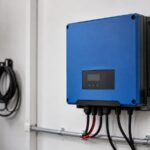
Victron MPPT Charge Controller: What It Does Before You Compare Texas Electricity Plans
A Victron MPPT charge controller turns changing solar-panel output into controlled charging for a battery bank. It is not an electricity plan, and it does not decide what your Texas utility or retail provider charges for grid power. That distinction matters for any grid-connected home using solar and batteries: the controller handles the panel-to-battery path, while your retail contract governs the electricity you still buy from the grid.
Not Sure DIY Is Right for You?
Sizing a Victron MPPT controller to your array and battery bank takes real math and product research. If you’d rather have a licensed installer handle the design, get a quote instead.
Disclosure: we may earn a commission if you switch or request a quote through this link, at no extra cost to you. It never changes which plan or company we recommend. How we make money.
This is a plain-English guide to the hardware, not a solar-equipment sales pitch. It explains what the controller does, what the numbers on a Victron model mean, and how to keep solar-related plan shopping grounded in documents and bill math. ChooseMyPower’s fully built comparison service is for Texas deregulated electricity plans. We do not sell or design solar systems.
What a Victron MPPT Charge Controller Does
A charge controller sits between the solar array and the battery bank. Its job is to manage the voltage and current coming from the panels so the battery can charge within the limits set for that system. MPPT means Maximum Power Point Tracking. Victron says its SmartSolar MPPT controllers track the power point quickly to maximize energy harvest, including when light conditions change or panels are partly shaded.[1]
The controller also moves the battery through automatic charging stages: bulk, absorption, and float.[1] In simple terms, bulk is the fast-fill stage, absorption slows charging as the battery nears full, and float maintains the battery after that. A controller is therefore about safely managing solar energy and battery charging. It is not a meter for your retail electricity bill.
Victron model names give you a starting point, not a complete purchase decision. On a model such as 100/20, the first number identifies the controller’s maximum PV open-circuit voltage rating, and the second identifies its maximum battery charge-current rating.[1] The exact model still has to fit the array’s cold-weather open-circuit voltage, its current, the battery-bank voltage and chemistry, wire protection, and the product documentation. Victron publishes an MPPT Calculator to help match an array and controller, but it does not replace the manual or qualified installation review.[2]
| Question | What the controller answers | What it does not answer | |, |, |, | | Can solar charge the battery safely? | It manages solar-panel voltage and current for the battery bank. | It does not select a retail electricity provider. | | What happens when sunlight changes? | MPPT tracks the array’s working point to pursue available solar output. | It does not change a utility delivery charge. | | What does 100/20 mean? | It points to the model’s PV-voltage and battery-charge-current limits. | It does not tell you whether the model fits every array and battery. |
The plumber-in-10s test is this: a charge controller manages your solar equipment; an electricity plan manages the price of power you take from the grid. Treat those as two separate decisions.
Solar Hardware and the Texas Grid: Keep the Boundaries Clear
A controller can make better use of the solar energy available to a battery system. It cannot change the terms of a Texas retail electricity contract. It cannot remove a base charge, revise TDU delivery charges, enroll you in a solar buyback program, or make a bill credit apply. Those questions belong in the plan documents and, where relevant, in the separate solar agreement.
That is why solar shoppers should not assume a more efficient controller makes their grid bill irrelevant. On a low-solar day, at night, or whenever household demand is higher than available battery and solar output, a grid-connected home may still buy electricity. The cost of that electricity depends on the plan’s price structure, contract terms, and your actual grid usage. The Public Utility Commission of Texas describes the Electricity Facts Label, or EFL, as a standardized way to compare electricity prices and contract terms from competitive retail providers.[3]
For a homeowner with solar, the useful number is not total household consumption alone. It is the kWh actually drawn from the grid after solar and battery behavior are accounted for. That is the usage number that should go into a retail-plan comparison. Do not use a summer bill from before the solar setup or a guessed annual average if your grid draw has changed.
Use the EFL Decoder and the Teaser Test Before You Sign
The marketing problem is simple: a plan can show a low headline rate while the details tell a different story at your usage. Our customer-facing warning says it plainly: “Your 9-cent plan is a marketing tactic.” The Teaser Test asks one question before anything else: does the advertised rate still describe the plan at my expected grid kWh?
For solar households, that question is even more important. A bill credit, a minimum-use fee, or a usage threshold that looked harmless before solar can change the price when the panels reduce the kWh purchased from the grid. The EFL, not the big number in an ad, is where you check the price components, contract terms, and usage-based rules. Texas retail providers must make an EFL available, and the PUCT says the document is designed for standardized comparison.[3]
ChooseMyPower’s EFL Decoder is the practical next read for finding those terms. Start with the energy charge, delivery charges, base charges, and any credit or fee that changes with kWh. Then test the plan at your actual expected grid usage. The line “Used 999 kWh? You just lost your $100 credit” is the EFL Decoder’s plain-language warning about why a threshold must be read before you rely on an advertised average. It is not a promise that every plan carries that credit.
| Document or number | What to check | Why it matters with solar | |, |, |, | | Electricity Facts Label | Charges, contract terms, credits, and usage thresholds | Solar may lower the kWh you buy and change whether a condition applies. | | Recent electric bills | kWh drawn from the grid, not just total household load | This is the starting point for a realistic plan comparison. | | Solar agreement, if you have one | Terms for exported electricity and system-specific rules | A charge controller does not set those terms. |
Four Situations Where the Hardware Decision Meets the Plan Decision
A solar controller and a retail plan are separate products, but the questions meet at the bill. The right plan is not the same for every household because actual grid kWh, service area, and contract terms differ.
| Situation | Hardware question | Electricity-plan question | |, |, |, | | Grid-connected solar owner | Does the array, battery, and controller configuration match the manufacturer’s limits? | What kWh will still come from the grid in a typical month, and what does the EFL charge at that usage? | | Renter with a portable battery or solar setup | Does the setup comply with the lease and electrical-safety requirements? | Could a low-usage credit or fee create a poor fit for the apartment’s grid draw? Our apartment plan guide explains this low-usage problem. | | Mover planning solar later | Will the new address need grid power before any solar project is operating? | Compare service-start options and enter realistic move-in usage first. A controller cannot turn on retail service. | | Fixed-rate shopper with solar | Does the controller improve battery charging under the system’s stated limits? | Decide whether a fixed or variable retail structure fits your grid-usage pattern. See the fixed-rate vs. variable-rate guide. |
The point is not to pretend there is one universal solar plan or one universal controller. The point is to use the right tool for the right decision, then check the bill logic before signing anything.
The Real-Bill Ranking Puts the EFL Before Commission
Ranked by your bill, not our commission. That is the rule behind the Real-Bill Ranking. The shopper pays $0 to use ChooseMyPower’s comparison service. If someone we helped switches or buys through a participating link, ChooseMyPower may earn a referral commission. That does not change the order of operations: we start with the bill math in the EFL, not with which plan pays us.
The Real-Bill Ranking takes the entered usage, reads the plan’s EFL charges and terms, includes applicable delivery and base charges, and applies only a credit that the EFL says applies at that usage. It then compares the resulting estimated bill. That is also why a plan cannot be called the right fit just because it has the lowest ad rate. A plan’s availability and details vary by ZIP code, TDU area, usage, and contract terms.
If you have solar, enter the kWh you expect to buy from the grid, not a headline consumption number from before the system was installed. If you do not have enough bill history, use a conservative estimate and revisit it once you have real statements. The comparison tool is for Texas electricity plans, not a substitute for a solar design or interconnection review.
Frequently Asked Questions
What does a Victron MPPT charge controller do? It regulates solar-panel output for battery charging and uses Maximum Power Point Tracking to pursue available solar energy. Victron says the SmartSolar MPPT line also uses bulk, absorption, and float charging stages.[1]
Does a Victron MPPT charge controller take me off the grid? No. A charge controller is a part of a solar-and-battery system. It does not cancel a utility account or choose a retail electricity plan. Whether a home remains grid-connected depends on the entire system, its design, and local service arrangements.
How should I read a 100/20 Victron model label? Victron uses the first number for the controller’s maximum PV open-circuit-voltage rating and the second for its maximum battery charge-current rating.[1] Confirm the full array, battery, wire, and protection requirements against the model documentation before selecting equipment.
Why should a solar owner read an EFL? The EFL is where a Texas retail plan presents price and contract information in a standardized format.[3] It helps you test whether fees, credits, and rate rules still make sense at the kWh you actually buy from the grid after solar output.
Compare Texas Electricity Plans by Your Actual Grid Usage
Compare Texas electricity plans with the Real-Bill Ranking.
References
[1]: https://www.victronenergy.com/solar-charge-controllers/smartsolar-mppt-75-10-75-15-100-15-100-20 “Victron Energy, SmartSolar MPPT 75/10, 75/15, 100/15 & 100/20”
[2]: https://www.victronenergy.com/mppt-calculator “Victron Energy, MPPT Calculator”
[3]: https://www.puc.texas.gov/industry/electric/rates/facts/ “Public Utility Commission of Texas, Electricity Facts Labels for Residential Electric Service”
Looking at EcoFlow?
If you want the battery and controller in one unit instead of separate parts, EcoFlow power stations are the usual choice for smaller loads.
Browse EcoFlow power stationsAffiliate link: we earn a commission if you buy through this link, at no extra cost to you. It does not affect what we recommend.
Ready for a Full Solar and Battery System?
If you are a homeowner planning more than a single component like a charge controller, Homerenewally connects you with local installers who can design and install the full system.
Solar Installation Tips for Energy Efficient Homes

Get Quotes Before You Install
These tips help you prepare. Request quotes from solar installers to compare options before you start your project.
Disclosure: we may earn a commission if you switch or request a quote through this link, at no extra cost to you. It never changes which plan or company we recommend. How we make money.

Many homeowners get excited about solar panels because they want lower electricity bills and greater energy independence. While solar energy can absolutely help reduce long-term utility costs, one of the biggest mistakes people make is installing solar panels before improving their home’s energy efficiency.
An energy efficient home allows a solar system to perform better while requiring fewer panels to meet household electricity needs. In simple terms, the less energy a home wastes, the more effective solar power becomes.
Think of it this way. Installing solar panels on an inefficient home is similar to pouring water into a bucket with holes in it. Some of the energy savings are immediately lost because the home consumes more electricity than necessary.
Before sizing a solar system, homeowners should first evaluate how much energy their home actually uses and where waste occurs.
Several common household issues increase electricity consumption unnecessarily:
• Poor insulation
• Drafty windows and doors
• Old air conditioning systems
• Inefficient lighting
• Aging appliances
• Poor attic ventilation
• Excessive standby power usage
Addressing these problems before solar installation can dramatically reduce energy demand.
For example, replacing outdated incandescent bulbs with LED lighting may lower electricity consumption significantly over time. Upgrading an old HVAC system can create even larger savings because heating and cooling often represent one of the biggest energy expenses in a household.
A more efficient home usually means a smaller solar system is needed.
That matters because solar installation costs are heavily influenced by system size. Fewer required panels can reduce equipment costs, installation labor, and roof space requirements.
Homeowners who improve energy efficiency first often discover they can meet their electricity goals with a far more affordable solar setup.
Energy audits are one of the best starting points.
An energy audit helps identify hidden areas of energy loss throughout the home. Professional auditors may inspect insulation, ductwork, appliance efficiency, ventilation, and overall energy consumption patterns.
Some utility companies even offer free or discounted energy audits.
Simple efficiency upgrades can provide surprisingly large improvements, including:
• Adding attic insulation
• Sealing air leaks
• Installing energy-efficient windows
• Replacing outdated appliances
• Using smart thermostats
• Cleaning HVAC systems regularly
• Improving natural ventilation
These upgrades not only reduce electricity consumption but also improve indoor comfort year-round.
Another major advantage of combining energy efficiency with solar energy is maximizing return on investment.
Solar systems are long-term investments. Reducing household energy demand before installation improves the system’s ability to offset electricity costs more effectively over time.
Many homeowners also appreciate the environmental benefits. A highly efficient home paired with solar energy reduces dependence on fossil fuels while lowering overall carbon emissions.
The goal is not simply producing renewable energy. The goal is using energy intelligently.
Homes that combine strong efficiency practices with properly designed solar systems often experience the best long-term financial and environmental results.
Choosing the Right Solar System for Your Home’s Energy Needs
One of the most important parts of any solar project is selecting the right system size and design. Many homeowners assume bigger automatically means better, but oversized systems can unnecessarily increase costs while undersized systems may fail to provide meaningful savings.
The best solar installation starts with understanding actual household energy usage.
Most installers review electricity bills from the past 12 months to identify average consumption patterns. This creates a clearer picture of how much energy the home uses throughout different seasons.
Energy usage often changes dramatically during the year.
For example:
• Summer air conditioning may increase electricity usage
• Winter heating systems may raise energy demand
• Holiday lighting may temporarily increase power consumption
• Working from home may increase daytime electricity usage
Looking at annual patterns helps installers design systems more accurately.
Roof condition is another major factor homeowners should evaluate before installation.
Solar panels typically remain in place for decades. Installing them on an aging or damaged roof can create expensive problems later if roof replacement becomes necessary.
If the roof is already near the end of its lifespan, replacing or repairing it before solar installation is often the smarter decision.
Roof orientation also affects performance.
In many regions, south-facing roofs receive the strongest sunlight exposure throughout the day. East-facing and west-facing roofs can still work effectively, although energy production may vary depending on local sunlight conditions.
Shading must also be carefully considered.
Nearby trees, neighboring buildings, chimneys, and roof structures can reduce solar panel efficiency. Even partial shading can lower overall system performance depending on panel configuration.
Professional installers often use solar mapping tools to evaluate sunlight exposure throughout the year.
Choosing quality equipment is equally important.
Solar systems consist of several major components, including:
• Solar panels
• Inverters
• Mounting systems
• Electrical wiring
• Monitoring systems
• Battery storage systems
Not all solar equipment performs equally. Higher-quality panels may cost more initially but often provide better efficiency, longer warranties, and slower performance degradation over time.
Inverters deserve special attention because they convert solar-generated electricity into usable household power.
There are different inverter options available, including:
• String inverters
• Microinverters
• Power optimizers
Each setup has advantages depending on roof layout and shading conditions.
Battery storage is becoming increasingly popular as well.
Homeowners interested in backup power during outages may benefit from adding battery systems. Batteries allow homes to store excess solar energy generated during the day for nighttime use or emergency situations.
Battery systems may provide benefits such as:
• Backup power during outages
• Greater energy independence
• Reduced reliance on utility companies
• Better control over electricity usage
• Improved use of solar-generated power
Although batteries increase installation costs, many homeowners view the added resilience as worthwhile.
Monitoring systems also play an important role in modern solar installations.
Most systems now include smartphone apps or online dashboards that allow homeowners to track:
• Daily energy production

• Household electricity usage
• Grid electricity consumption
• Battery charge levels
• System efficiency
These tools help homeowners identify performance issues early while optimizing energy usage habits.
A properly designed solar system should align with the home’s current needs while also considering future lifestyle changes.
For example:
• Purchasing an electric vehicle may increase electricity demand
• Adding family members may raise energy usage
• Expanding living space may require additional power
• Installing new appliances may affect consumption patterns
Thinking ahead helps avoid expensive system upgrades later.
Common Solar Installation Mistakes Homeowners Should Avoid
Solar energy can provide excellent long-term benefits, but installation mistakes can reduce savings, lower efficiency, and create costly repairs later. Understanding common mistakes helps homeowners make smarter decisions throughout the installation process.
One of the biggest mistakes is choosing installers based only on price.
The cheapest quote is not always the best value. Poor installation workmanship can lead to roof leaks, wiring issues, reduced efficiency, or shortened system lifespan.
Homeowners should carefully research installers before signing contracts.
Important factors to evaluate include:
• Licensing and certifications
• Insurance coverage
• Customer reviews
• Warranty terms
• Years of installation experience
• Equipment quality
• Maintenance support
Another mistake involves ignoring roof condition.
Installing solar panels on a roof that may require replacement within a few years creates unnecessary complications. Removing and reinstalling solar panels during future roof repairs can become expensive.
Poor system sizing is another common issue.
Oversized systems may cost far more than necessary, while undersized systems may fail to provide expected savings. Proper sizing depends on realistic energy consumption analysis rather than sales pressure.
Homeowners should also avoid unrealistic savings expectations.
Solar panels reduce electricity costs, but actual savings depend on many factors, including:
• Weather conditions
• Utility rates
• Household energy habits
• Equipment performance
• Seasonal sunlight exposure
Some homeowners expect their electricity bill to disappear completely, which may not always happen depending on system size and local utility policies.
Ignoring maintenance is another problem.
Although solar systems require relatively little maintenance, they are not entirely maintenance-free.
Homeowners should occasionally inspect systems for:
• Dirt accumulation
• Debris buildup
• Wiring issues
• Shading changes
• Inverter performance alerts
• Roof condition around mounting points
Keeping panels reasonably clean helps maintain performance levels.
Another major mistake involves misunderstanding net metering policies.
Net metering rules vary depending on utility provider and location. Homeowners should fully understand how excess electricity credits work before installation.
Battery storage confusion is also common.
Many people assume solar panels automatically provide power during blackouts. In reality, most grid-connected systems shut down during outages unless batteries are installed.
Homeowners interested in backup power should discuss battery storage options carefully with installers.
Financing decisions also deserve careful attention.
Some financing offers may appear attractive initially but include higher long-term costs through interest charges or escalator clauses.
Homeowners should compare:
• Loan terms
• Total repayment amounts
• Lease agreements
• Warranty coverage
• Expected savings projections
Finally, many homeowners fail to think long term.
Solar systems often last 25 years or more. Decisions made during installation can affect energy costs, maintenance expenses, and system performance for decades.
Taking time to research equipment, installers, and financing options carefully can prevent many future problems.
Maximizing Long-Term Savings and Solar Performance
Installing solar panels is only the beginning. Homeowners who actively manage their energy usage and system performance often achieve much greater long-term savings.
One of the smartest strategies is adjusting household energy habits to align with solar production.
Solar panels typically generate the most electricity during daylight hours. Running high-energy appliances during these periods can maximize use of solar-generated electricity instead of relying on utility power.
Helpful daytime energy habits may include:
• Running dishwashers during sunny hours
• Charging electric vehicles during the day
• Doing laundry during peak solar production
• Using programmable appliances strategically
• Cooling the home before evening hours
Energy monitoring apps can help homeowners understand usage patterns more clearly.
Tracking production and consumption allows households to identify opportunities for additional savings.
Homeowners should also continue improving efficiency after installation.
Even small upgrades can enhance solar performance benefits over time.
Useful long-term improvements may include:
• Smart home automation
• Improved insulation
• Energy-efficient windows
• Advanced HVAC systems
• Efficient water heaters
• Better attic ventilation
Panel maintenance also matters.
While rain naturally cleans panels in many regions, excessive dirt, pollen, leaves, or bird droppings may reduce efficiency. Occasional cleaning can help maintain energy production.
Tree growth should also be monitored.
Trees that create little shading today may gradually block sunlight years later. Trimming vegetation when necessary helps preserve panel performance.
Homeowners should periodically review electricity bills as well.
Unexpected increases in utility usage may indicate:
• Appliance inefficiency
• HVAC problems
• Increased household consumption
• Solar system performance issues
• Inverter malfunctions
Monitoring helps catch problems early before they affect savings significantly.
Battery systems may become increasingly valuable in the future as electricity pricing structures evolve. Some utility providers now charge higher rates during peak evening hours.
Stored solar energy can help homeowners avoid expensive peak electricity pricing while increasing energy independence.
Many homeowners also appreciate the added property value solar systems may provide. Energy-efficient homes with lower operating costs often attract buyers interested in long-term savings and sustainable living.
Ultimately, the best solar installations combine several important elements:
• Strong energy efficiency practices
• Proper system sizing
• High-quality equipment
• Skilled installation
• Smart energy management habits
When all these factors work together, homeowners can create highly efficient homes that reduce electricity costs, improve energy resilience, and provide meaningful long-term financial benefits.
Homeowners: See Other Efficiency Upgrades
Solar installation is one step toward an efficient home. Homeowners can request a quote to look at other improvement options.
Solar Comparison Guide for Choosing the Right Solar Company

Compare Companies With Real Quotes
This guide covers what to look for. The next step is requesting quotes from solar companies so you can compare real offers.
Disclosure: we may earn a commission if you switch or request a quote through this link, at no extra cost to you. It never changes which plan or company we recommend. How we make money.
Choosing a solar company is one of the most important decisions homeowners make during the switch to solar energy. The quality of the installer can affect system performance, long-term savings, warranty support, and even roof safety. In many cases, the installer matters just as much as the equipment itself.
In 2026, the residential solar market is more competitive than ever. Homeowners now have access to national installers, regional solar providers, local contractors, and online solar marketplaces. While more competition creates better choices, it also makes comparing companies more complicated.
Some solar companies focus on premium systems with advanced battery integration. Others compete mainly on lower pricing. Some provide excellent customer support, while others rely heavily on subcontractors and high-pressure sales tactics.
The best solar company is not automatically the biggest or the cheapest. The right choice depends on the homeowner’s goals, property conditions, budget, and expectations.
A proper comparison process helps homeowners:
- Avoid overpriced systems
- Reduce installation risks
- Improve long-term savings
- Get better warranty support
- Prevent hidden costs
- Choose reliable equipment
Before signing any agreement, homeowners should carefully compare installers using both technical and customer service factors.
Understanding the Different Types of Solar Companies
Not all solar companies operate the same way. Some handle every part of the process internally, while others outsource installation work to third-party contractors.
Understanding company structure can help homeowners know what to expect.
Here are the most common types of residential solar providers:
| Solar Company Type | Typical Characteristics |
| National installers | Large operations with standardized processes |
| Regional installers | Strong local market experience |
| Local contractors | Personalized service and flexibility |
| Online solar marketplaces | Multiple quote comparison platforms |
| Roofing and solar companies | Combined roof and solar services |
National solar companies often provide streamlined systems and financing options. They may also have stronger brand recognition and larger support teams.
However, some homeowners report challenges such as:
- Slower customer service
- Longer scheduling times
- Less personalized communication
- Heavy use of subcontractors
Regional and local installers sometimes provide more customized support and stronger knowledge of local utility rules, permitting requirements, and weather conditions.
Local installers may also offer:
- Faster service response
- Direct communication with technicians
- More flexible installation designs
- Better local reputation accountability
Homeowners should ask whether installation crews are:
- In-house employees
- Licensed subcontractors
- Temporary labor teams
This matters because installation quality directly affects system safety and long-term reliability.
Some companies specialize in premium solar and battery systems, while others focus on budget-friendly installations.
Before comparing quotes, homeowners should clearly identify their priorities such as:
- Lowest cost
- Premium equipment
- Battery backup
- Fast installation
- Long-term warranty support
- Smart energy management
Knowing these priorities helps narrow the search more effectively.
Comparing Solar Quotes the Right Way
One of the biggest mistakes homeowners make is comparing solar quotes based only on total price.
Two systems with similar pricing can differ significantly in:
- Panel quality
- Inverter technology
- Installation methods
- Warranty coverage
- Production estimates
- Battery compatibility
A proper comparison should evaluate the entire system.
Here are some important quote comparison categories:
| Comparison Factor | Why It Matters |
| System size | Determines energy production |
| Panel efficiency | Impacts roof space usage |
| Inverter type | Affects performance and monitoring |
| Warranty length | Protects long-term investment |
| Estimated production | Impacts savings potential |
| Installation timeline | Affects project completion |
| Financing terms | Influences total cost |
Homeowners should request detailed proposals rather than simple sales summaries.
A quality solar proposal usually includes:
- Equipment specifications
- Estimated yearly energy production
- Roof layout design
- Utility savings estimates
- Warranty information
- Payment breakdown
- Permit responsibilities
Production estimates are especially important.
Some companies intentionally provide overly optimistic savings projections to make systems appear more attractive.
Homeowners should ask:
- What assumptions were used?
- Were shading conditions included?
- Are seasonal weather changes considered?
- What utility rate increases were assumed?
Realistic projections are more valuable than aggressive sales promises.
Another important factor is inverter selection.
Common residential inverter options include:
- String inverters
- Microinverters
- Hybrid inverters
Microinverters are popular for homes with shading or complex roof layouts because each panel operates independently.
String inverters may cost less but can experience reduced performance if one panel becomes shaded.
Hybrid inverters are useful for battery-ready systems because they support future energy storage integration.
Homeowners should also evaluate system monitoring tools.
Modern systems often include smartphone apps that track:
- Energy production
- Household usage
- Battery charging
- Grid interaction
- Historical system performance
Strong monitoring systems help homeowners identify performance issues early.
Questions Every Homeowner Should Ask a Solar Company

Sales presentations can sometimes focus heavily on savings while avoiding important technical details.
Asking the right questions helps homeowners identify trustworthy companies.
Before signing a contract, homeowners should ask:
- How long has the company operated?
- Are installers licensed and insured?
- Is installation handled in-house?
- What equipment brands are used?
- What happens if equipment fails?
- How are warranty claims handled?
- What local permits are required?
- Is battery expansion possible later?
Here is a useful company evaluation table:
| Question Area | What to Look For |
| Experience | Proven installation history |
| Licensing | Proper certifications and insurance |
| Equipment quality | Tier-one manufacturers |
| Warranty support | Clear long-term coverage |
| Communication | Fast and transparent responses |
| Reviews | Consistent customer satisfaction |
| Service availability | Local support presence |
Online reviews can help, but homeowners should read carefully.
Every company receives occasional complaints, but repeated issues involving:
- Poor communication
- Delayed installations
- Roof damage
- Warranty disputes
- Hidden charges
can indicate larger problems.
Homeowners should also be cautious of:
- Extremely aggressive sales tactics
- Pressure to sign immediately
- Unrealistic savings claims
- “Free solar” advertising
- Verbal promises not included in contracts
A professional solar company should explain both advantages and limitations honestly.
Another important topic is roof responsibility.
Homeowners should ask:
- Who handles roof penetrations?
- What leak protection methods are used?
- Is roof damage covered?
- Will roof inspections occur before installation?
Roof quality plays a major role in long-term system safety.
Some companies now offer roofing and solar together, which can simplify projects for homes needing roof replacement before installation.
Battery integration is another growing consideration in 2026.
Even if homeowners are not adding batteries immediately, they should ask whether the system supports future upgrades.
Battery-ready systems may require:
- Hybrid inverter compatibility
- Additional electrical planning
- Smart panel integration
- Backup load management
Preparing for future expansion can save money later.
Understanding Solar Financing and Contracts
Solar financing has become more flexible, but contract terms vary significantly between companies.
Understanding financing details is critical before committing to a system.
Common solar payment options include:
| Financing Option | Main Advantage |
| Cash purchase | Highest long-term savings |
| Solar loan | Lower upfront cost |
| Lease agreement | Minimal initial expense |
| Power purchase agreement | Predictable monthly payments |
Cash purchases usually produce the best lifetime financial return because homeowners fully own the system immediately.
Solar loans spread costs over time while still allowing ownership benefits.
Leases and power purchase agreements reduce upfront costs but may limit long-term savings because the solar provider retains ownership.
Homeowners should carefully review financing terms including:
- Interest rates
- Escalator clauses
- Transfer conditions during home sale
- Early payoff penalties
- Warranty responsibilities
Some financing agreements include annual payment increases that reduce future savings.
Contracts should also clearly explain:
- Installation timelines
- Cancellation terms
- Estimated energy production
- Utility interconnection process
- Equipment ownership
One common mistake is assuming all maintenance is included automatically.
Homeowners should confirm:
- Who handles equipment failures?
- Is monitoring included?
- Are service calls covered?
- What labor warranties exist?
Transparent contracts usually indicate more professional companies.
Final Tips for Choosing the Right Solar Company
The best solar company is not simply the cheapest or most heavily advertised option. The ideal installer balances quality equipment, fair pricing, strong communication, and reliable long-term support.
Homeowners should compare at least three solar proposals before making a decision.
This helps identify:
- Unrealistic pricing
- Inflated savings claims
- Equipment differences
- Financing variations
A strong solar company usually demonstrates:
- Clear communication
- Honest expectations
- Technical knowledge
- Transparent contracts
- Proven installation experience
Here is a simplified final comparison checklist:
| Final Decision Factor | Why It Matters |
| Installer reputation | Reduces project risk |
| Equipment quality | Improves system lifespan |
| Warranty support | Protects investment |
| Realistic production estimates | Prevents disappointment |
| Financing clarity | Avoids hidden costs |
| Customer service | Improves overall experience |
Homeowners should also trust the quality of communication during the sales process.
Companies that avoid questions, rush decisions, or provide vague answers may create larger problems later.
Solar systems are long-term investments expected to operate for decades. Choosing the right installer can influence energy savings, system reliability, and overall homeowner satisfaction for many years.
In 2026, residential solar is more advanced and accessible than ever before, but careful comparison remains essential. The homeowners who benefit most are usually the ones who take time to evaluate companies carefully instead of rushing into the first offer they receive.
A well-designed solar system installed by a reliable company can provide decades of lower electricity costs, improved energy independence, and long-term value for the home.
Skip the guesswork, get quotes to compare
The fastest way to choose the right company is to see what a few of them would actually charge. If you own your home, have a bill above $150 a month, and get decent sun, a quote request takes a couple of minutes.
Smart Home Energy Strategies Using Solar Power Systems

Plan Your Smart Home Energy Setup
Request quotes from solar installers who can design a system that works with your smart home devices and energy goals.
Disclosure: we may earn a commission if you switch or request a quote through this link, at no extra cost to you. It never changes which plan or company we recommend. How we make money.
Smart homes are becoming more than just connected devices and automated routines. They are evolving into intelligent energy ecosystems where electricity is generated, stored, and used in a much more efficient way. At the center of this transformation is solar power.
When solar systems are integrated with smart home technology, homeowners gain more control over how energy flows through their house. Instead of passively consuming electricity from the grid, your home can actively decide when to use solar power, when to store it, and when to reduce unnecessary consumption.
This shift is especially important as energy prices continue to rise and grid reliability becomes less predictable in many regions. Solar powered smart home strategies help reduce costs, improve energy efficiency, and increase independence from traditional utility providers.
In this article, you will learn practical smart home energy strategies using solar power systems, how these systems work together, and how to optimize your home for better performance and long term savings.
How Solar Power Integrates With Smart Home Energy Systems
At a basic level, solar panels generate electricity from sunlight. But when combined with smart home systems, that electricity becomes part of a much larger and more intelligent network.
Instead of sending all energy directly into your home or the grid, smart systems analyze usage patterns and make real time decisions to improve efficiency.
Here are the key components involved:
• Solar panels
These capture sunlight and convert it into usable electrical energy.
• Solar inverter
The inverter converts solar energy into electricity your home can use.
• Smart energy management system
This system tracks energy production and usage throughout the home.
• Battery storage
Excess energy is stored for later use during nighttime or outages.
• Smart appliances and devices
Connected devices adjust automatically based on available energy.
Here is a table showing how each component contributes to the system:
|
Component |
Function |
|
Solar panels |
Generate electricity from sunlight |
|
Inverter |
Convert solar power into usable energy |
|
Energy management system |
Optimize energy flow and usage |
|
Battery storage |
Store excess energy |
|
Smart devices |
Automate and reduce energy consumption |
Together, these components create a system that does more than just power your home. It actively manages energy efficiency.
Core Smart Home Energy Strategies Using Solar Power
Once solar is installed, the real benefit comes from how you manage and optimize the system. Smart strategies can significantly improve savings and performance.
• Time based energy usage optimization
One of the simplest strategies is running high energy appliances during peak solar production hours. For example, using washing machines, dishwashers, or EV chargers during the daytime helps maximize solar energy usage.
• Battery storage prioritization
Instead of sending all excess energy to the grid, smart systems store energy in batteries for nighttime use or outages.
• Load shifting strategy
This involves moving energy heavy tasks away from peak grid hours and into solar productive hours.
• Smart thermostat integration
Heating and cooling systems are one of the biggest energy users in a home. Smart thermostats can adjust automatically based on solar availability.
• Appliance automation
Smart plugs and devices allow homeowners to schedule appliances based on solar output.
• Energy monitoring and feedback loops
Real time data helps homeowners understand where energy is being wasted and adjust habits accordingly.
Here is a table showing common strategies and their benefits:
|
Strategy |
What It Does |
Main Benefit |
|
Time based usage |
Runs appliances during sunlight hours |
Higher solar efficiency |
|
Battery storage usage |
Stores excess energy |
Backup power and savings |
|
Load shifting |
Moves usage away from peak grid times |
Lower electricity costs |
|
Smart thermostat control |
Automates temperature settings |
Reduced energy waste |
|
Appliance automation |
Schedules device usage |
Better energy management 
|
|
Energy monitoring |
Tracks usage in real time |
Improved decision making |
When combined, these strategies help homeowners use more of their own solar energy instead of relying on the grid.
Benefits of Smart Solar Energy Strategies
Integrating smart strategies with solar systems offers several long term advantages.
• Lower electricity bills
Using solar energy more efficiently reduces reliance on expensive grid electricity.
• Improved energy independence
Homes can rely less on utility companies, especially during peak pricing hours.
• Better system efficiency
Smart management ensures that little to no solar energy goes unused.
• Increased backup protection
Battery systems provide security during outages or grid failures.
• Environmental impact reduction
Using more renewable energy and less grid electricity reduces carbon emissions.
• Greater convenience
Automation removes the need for manual energy management.
Here is a comparison table between basic solar usage and smart solar strategies:
|
Feature |
Basic Solar Usage |
Smart Solar Strategy |
|
Energy usage control |
Manual |
Automated |
|
Battery optimization |
Limited |
Intelligent |
|
Appliance scheduling |
None |
Automated based on solar output |
|
Energy monitoring |
Basic |
Real time detailed tracking |
|
Cost savings |
Moderate |
Higher potential savings |
|
Efficiency |
Passive |
Active optimization |
Smart solar systems essentially turn your home into an energy aware environment.
Practical Steps to Improve Smart Solar Energy Efficiency
To get the most from a solar powered smart home, homeowners need to adopt practical habits and system improvements.
• Install a smart energy monitoring system
This allows you to track how much energy your home produces and consumes in real time.
• Upgrade to smart appliances
Energy efficient and connected appliances respond better to automation systems.
• Schedule energy heavy tasks during daylight hours
Maximize solar production by aligning usage with sunlight availability.
• Use battery storage strategically
Store energy during the day and use it during peak evening hours.
• Automate temperature control
Heating and cooling systems should adjust based on energy availability and occupancy.
• Regularly review energy data
Understanding usage patterns helps identify unnecessary consumption.
Here is a table showing practical actions and their impact:
|
Action |
Result |
|
Install monitoring system |
Better energy awareness |
|
Use smart appliances |
Reduced energy waste |
|
Daytime scheduling |
Higher solar utilization |
|
Battery optimization |
Improved energy independence |
|
Temperature automation |
Lower heating and cooling costs |
|
Data review |
Continuous efficiency improvement |
Even small adjustments in daily habits can lead to noticeable improvements in energy savings over time.
Conclusion
Smart home energy strategies using solar power systems are changing how homeowners think about electricity. Instead of simply consuming power from the grid, homes are now capable of generating, managing, and optimizing their own energy in real time.
By combining solar panels with smart devices, battery storage, and automation tools, homeowners can reduce costs, improve efficiency, and gain more control over their energy usage. The key is not just installing solar panels, but actively using smart strategies to maximize their potential.
From scheduling appliances during peak sunlight hours to using intelligent energy monitoring systems, every step contributes to a more efficient and independent home. Over time, these strategies do more than reduce bills. They create a more sustainable and future ready lifestyle.
As smart home technology continues to evolve, solar powered energy systems will become even more advanced and accessible. Homeowners who adopt these strategies early will be better positioned to enjoy long term savings, improved reliability, and greater energy control.
Homeowners: Ask About Other Home Improvements
Smart home strategies often extend beyond solar. Homeowners can request a quote to explore other options for their property.
Renewable Energy Solutions for Modern Residential Homes

See Renewable Options for Your Home
Request quotes from solar installers to find out what a renewable energy setup would look like and cost at your house.
Disclosure: we may earn a commission if you switch or request a quote through this link, at no extra cost to you. It never changes which plan or company we recommend. How we make money.
Modern homes are changing in the way they consume and manage electricity. What used to be a simple “plug into the grid and pay the bill” system is now evolving into something more flexible, efficient, and self-sufficient. Rising electricity prices, frequent power interruptions in some areas, and growing awareness about sustainability are pushing homeowners to look for better alternatives.
Renewable energy solutions are no longer limited to large power plants or industrial facilities. Today, they are becoming a practical part of everyday residential living. Homeowners now have access to systems that can generate electricity, store energy, and even reduce or eliminate dependence on traditional utility providers.
The shift is not only about saving money, but also about gaining energy independence and long term stability. Instead of reacting to monthly bill increases, homeowners are beginning to control how their energy is produced and consumed.
This article explores the most important renewable energy solutions for modern residential homes, how they work, and why they are becoming essential in today’s energy landscape.
Solar Energy Systems for Residential Homes
Solar energy is currently the most widely adopted renewable energy solution for residential properties. It works by converting sunlight into electricity through photovoltaic panels installed on rooftops or open spaces.
The biggest advantage of solar energy is its ability to directly reduce electricity bills. Once installed, solar systems generate power during the day, allowing homeowners to use free energy instead of purchasing it from the grid.
Modern solar setups can be customized based on household needs, making them suitable for small homes, large families, and even high consumption households.
Here is a breakdown of how a basic residential solar system works:
|
Component |
Function |
|
Solar Panels |
Capture sunlight and convert it into electricity |
|
Inverter |
Converts energy into usable household power |
|
Electrical Meter |
Tracks energy usage and production |
|
Optional Battery |
Stores excess energy for later use |
Solar energy helps reduce electricity costs in several ways:
- Directly powers home appliances during the day
- Reduces reliance on grid electricity
- Lowers peak hour energy usage
- Allows excess energy to be stored or credited
- Provides long term savings over system lifespan
Homes with high daytime electricity usage benefit the most because solar energy is used immediately instead of going unused.
A simple comparison shows the difference:
|
Household Type |
Without Solar |
With Solar |
|
High Day Usage |
Expensive bills |
Reduced bills |
|
Low Day Usage |
Constant grid use |
Partial savings |
|
Mixed Usage |
High variability |
Stabilized costs |
Solar energy remains the foundation of most residential renewable systems because it is scalable, widely available, and increasingly affordable.
Solar Battery Storage and Energy Independence Systems
While solar panels generate electricity, they do not automatically solve the problem of nighttime energy use or power interruptions. This is where battery storage systems become essential.
Solar batteries store excess electricity produced during the day so it can be used later at night or during outages. This transforms a solar system from a daytime power source into a 24 hour energy solution.
Battery storage significantly improves energy independence by reducing reliance on the electrical grid.
Here is how a solar battery system operates in a home:
|
Time Period |
Energy Source |
|
Daytime |
Solar panels power home and charge battery |
|
Evening |
Stored energy powers home |
|
Nighttime |
Battery continues supplying electricity |
|
Outage |
Battery provides backup power |
This setup allows homeowners to manage their energy instead of depending fully on utility companies.
Key benefits of solar battery systems include:
- Energy availability during power outages
- Reduced nighttime electricity costs
- Better use of excess solar production
- Increased self consumption of renewable energy
- Protection from rising electricity rates
Battery systems also support more predictable energy usage. Instead of relying on fluctuating grid prices, homeowners can use stored energy strategically during expensive peak periods.
Another important advantage is energy reliability. Essential appliances like refrigerators, lights, and internet routers can continue running even when the grid goes down.
Here is a comparison of homes with and without battery storage:
|
Feature |
Solar Only |
Solar with Battery |
|
Nighttime Power |
Grid required |
Stored solar energy |
|
Power Outages |
No backup |
Backup available |
|
Energy Efficiency |
Moderate |
High |
|
Energy Independence |
Partial |
Strong |

Although battery systems increase installation costs, they significantly improve long term energy control and resilience.
Wind, Geothermal, and Hybrid Renewable Systems
While solar energy dominates residential renewable solutions, other technologies also play important roles depending on location and environmental conditions.
Wind energy systems for homes are less common but can be effective in areas with consistent wind flow. Small residential wind turbines can generate electricity, but they require open space and proper wind conditions to be efficient.
Geothermal energy is another option that uses stable underground temperatures to regulate heating and cooling in homes. Instead of relying on traditional air conditioning systems, geothermal systems transfer heat to and from the ground.
Hybrid renewable systems combine multiple energy sources into one integrated solution. These systems may include solar panels, batteries, wind turbines, and energy management technology working together.
Here is a comparison of alternative renewable solutions:
|
System Type |
Best Use Case |
Main Limitation |
|
Wind Energy |
Windy rural areas |
Site dependent |
|
Geothermal |
Heating and cooling efficiency |
High installation cost |
|
Hybrid Systems |
Full energy optimization |
Complex setup |
Hybrid systems are becoming more popular in modern homes because they offer flexibility and resilience. When one energy source is weak, another can compensate.
For example, solar panels may produce less energy during cloudy days, but battery storage or wind energy can help balance supply.
These systems are especially useful for homeowners aiming for long term energy independence rather than just bill reduction.
Smart Home Energy Management and Efficiency Solutions
Renewable energy is not only about producing electricity. It is also about using it efficiently. This is where smart home energy management systems come into play.
These systems help homeowners monitor, control, and optimize their energy consumption. They can automatically adjust appliance usage based on energy availability and cost.
For example, a smart system may prioritize running high energy appliances during peak solar production hours and reduce usage during expensive grid periods.
Smart energy solutions include:
- Automated appliance scheduling
- Real time energy monitoring
- Load balancing between solar and grid
- Energy usage optimization
- Integration with mobile apps
Here is how smart energy systems improve efficiency:
|
Function |
Benefit |
|
Energy Monitoring |
Better understanding of usage |
|
Automated Scheduling |
Lower electricity costs |
|
Load Optimization |
Improved solar efficiency |
|
Usage Alerts |
Prevents energy waste |
Smart energy systems work especially well with solar and battery setups because they maximize how stored and generated energy is used inside the home.
For example, instead of manually deciding when to run appliances, the system automatically adjusts based on solar production levels.
This reduces waste and ensures that renewable energy is used as efficiently as possible.
Over time, these systems help homeowners lower electricity bills even further by reducing unnecessary consumption.
Choosing the Right Renewable Energy Solution for a Home
Selecting the right renewable energy solution depends on several factors, including budget, location, energy consumption, and long term goals.
Not every home needs a complex system. Some households may only need basic solar panels, while others may benefit from full hybrid systems with batteries and smart controls.
Here are key factors to consider:
- Monthly electricity consumption
- Availability of sunlight or wind
- Budget for installation
- Frequency of power interruptions
- Long term property plans
- Desired level of energy independence
Here is a simplified guide:
|
Home Situation |
Recommended Solution |
|
Budget focused |
Basic solar system |
|
High electricity usage |
Solar with battery storage |
|
Frequent outages |
Hybrid solar system |
|
Rural or off-grid |
Full renewable hybrid setup |
Homeowners should also think long term. Energy needs often increase over time due to new appliances, air conditioning usage, or lifestyle changes.
A properly designed renewable system should account for future expansion, not just current usage.
Many modern homeowners start with solar panels and later add batteries or smart energy systems as their needs grow.
This phased approach makes renewable energy more accessible and financially manageable.
Renewable energy solutions for residential homes are no longer future concepts. They are practical systems that are already helping homeowners reduce electricity bills, improve energy reliability, and gain more control over how their homes are powered.
From solar panels and battery storage to smart energy systems and hybrid setups, modern residential energy is becoming more flexible and independent than ever before.
As electricity prices continue to rise and energy demand increases, these solutions are becoming not just optional upgrades, but important tools for long term household stability and financial efficiency.
Homeowners: Explore More Upgrade Options
Renewable energy is one part of a modern home. Homeowners can request a quote to see what other improvements might be worth considering.
Recent Posts
- Pennsylvania electricity supplier complaints: How to document, file, and resolve a billing dispute
- What happens when my electricity contract ends in Pennsylvania? A practical guide
- Pennsylvania electricity early termination fees: what to check before canceling your contract
- Power to Choose in Texas: How to compare electricity plans and rates
- How to read your Texas energy bill: A plain-English guide to every charge and fee