How Solar Energy Helps Homeowners Reduce Electricity Costs

For many homeowners, the monthly electricity bill feels like a never ending expense. Every time rates increase, families are forced to adjust budgets, reduce appliance usage, or search for ways to save energy around the house. Air conditioning, refrigerators, gadgets, lights, and home entertainment systems all contribute to rising power consumption, especially in households where more people work or study from home.
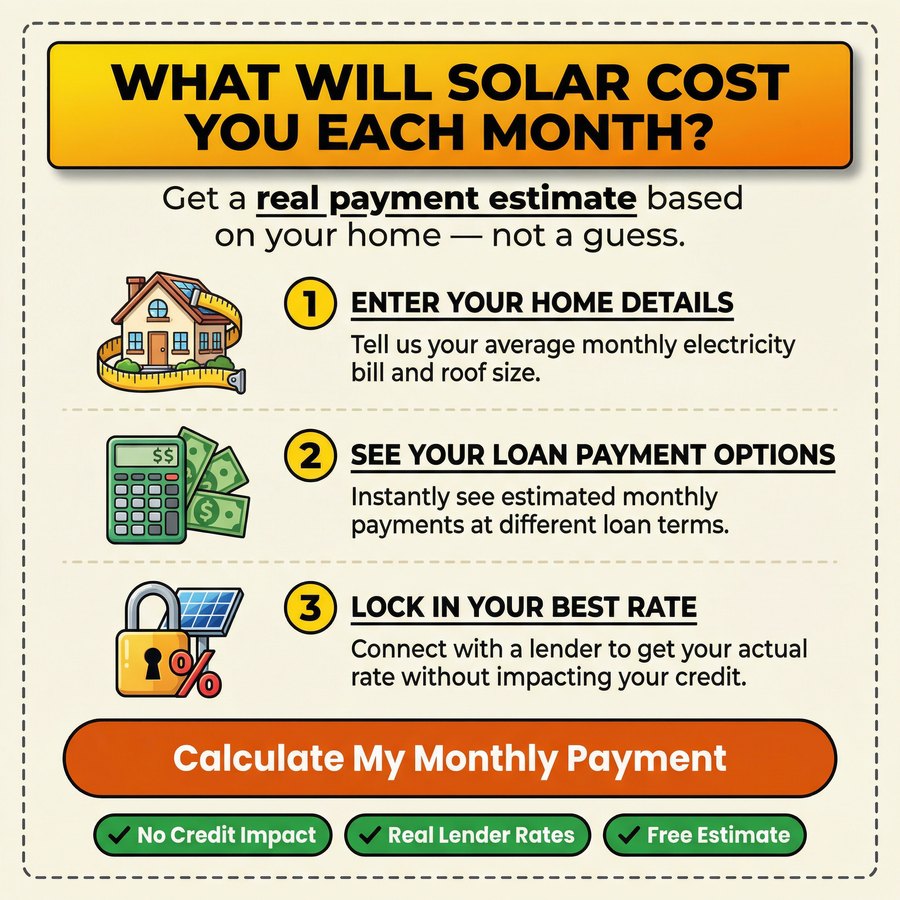
This is one of the biggest reasons why solar energy has become more popular in recent years. More homeowners are realizing that producing electricity from sunlight is not only environmentally friendly, but also financially practical. What once seemed like an expensive luxury is now becoming a realistic long term investment for ordinary families.
Solar energy allows homeowners to reduce dependence on traditional power companies by generating electricity directly from sunlight. Over time, this can significantly lower electricity bills and create more predictable energy expenses. In sunny countries and tropical areas where sunlight is available most of the year, solar systems can become especially valuable.
The conversation around solar energy is no longer limited to environmental advocates or large businesses. Families, small homeowners, and even people living in suburban communities are now exploring solar power as a smart financial decision.
This article explores how solar energy helps homeowners reduce electricity costs, how savings happen over time, what factors affect solar efficiency, and why more households are beginning to see solar panels as an investment rather than just an upgrade.
Understanding How Solar Energy Works in Homes
At its core, solar energy works by converting sunlight into usable electricity. This happens through solar panels that are usually installed on rooftops or open areas exposed to direct sunlight.
The process is simpler than many people think. Solar panels absorb sunlight during the day and convert it into electrical energy that powers appliances and devices inside the home. Depending on the size of the system, some households can produce enough electricity to cover a large percentage of their daily usage.
A standard home solar setup usually includes:
|
Solar Component |
Purpose |
|
Solar Panels |
Capture sunlight and convert it into electricity |
|
Inverter |
Converts solar energy into usable household electricity |
|
Mounting System |
Holds the panels securely in place |
|
Batteries (Optional) |
Store extra electricity for later use |
|
Monitoring System |
Tracks energy production and usage |
Many homeowners are surprised to learn that solar systems do not require constant maintenance. Once installed properly, they can operate efficiently for many years with only occasional cleaning and inspections.
The biggest financial advantage comes from reducing the amount of electricity purchased from utility companies. During sunny hours, homes can use solar generated electricity instead of relying entirely on the power grid.
Here are some common household items that can run using solar generated electricity:
- Electric fans
- Refrigerators
- Air conditioning units
- Washing machines
- Televisions
- Wi Fi routers
- Laptops and computers
- Kitchen appliances
- Lighting systems
Some households even produce more electricity than they consume during the daytime. Depending on local policies and utility programs, excess energy may sometimes be credited back to the homeowner.
One reason solar energy is attractive is because sunlight itself is free. Unlike traditional electricity where homeowners continuously pay for fuel generation and distribution, solar power allows families to generate their own electricity once the system is installed.
This changes the relationship between homeowners and electricity costs. Instead of being fully dependent on monthly utility pricing, homeowners gain more control over their energy consumption and expenses.
Another important point is that solar technology has improved significantly over the years. Older systems were often less efficient and more expensive. Modern solar panels now generate more power while requiring less roof space.
The growing demand for renewable energy has also increased competition among solar providers, making installations more affordable compared to the past.
Here is a general comparison between traditional electricity dependence and solar assisted households:
|
Factor |
Traditional Electricity |
Solar Assisted Home |
|
Monthly Electric Bills |
Usually high and increasing |
Reduced over time |
|
Energy Source |
Utility company |
Sunlight |
|
Long Term Savings |
Limited |
Potentially significant |
|
Power Cost Predictability |
Affected by rate hikes |
More stable |
|
Environmental Impact |
Higher carbon emissions |
Cleaner energy source |
For many homeowners, understanding these basics is the first step toward realizing how solar energy can lower long term electricity expenses.
How Solar Energy Creates Long Term Savings
One of the biggest misconceptions about solar energy is that it only saves a small amount of money. In reality, many homeowners experience meaningful long term savings after installation.
The savings usually become more noticeable over time because utility electricity prices tend to increase year after year. A home using solar power can offset a significant portion of those rising costs.
At first, homeowners may focus on the upfront installation expense. This is understandable because solar systems require an initial investment. However, looking only at installation cost often ignores the long term financial picture.
Solar energy works more like an investment than a short term purchase.
Think of it this way. Homeowners already spend money on electricity every month. Those payments continue indefinitely and usually increase over time. Solar systems redirect part of that spending toward owning an energy producing asset instead.
Over several years, the monthly savings can add up substantially.
Here are some of the common ways homeowners save money through solar energy:
- Lower monthly electricity bills
- Reduced dependence on utility rate increases
- Possible energy credits from excess electricity production
- Lower peak hour electricity usage
- Increased property value in some markets
- Reduced generator fuel costs in certain homes
Some homeowners notice immediate reductions in their bills after installation, especially if their previous electricity usage was very high.
Air conditioning is one major contributor to high power consumption. In warmer climates, cooling costs can become expensive during summer months. Solar systems help offset this by generating electricity during sunny daytime hours when air conditioning demand is often highest.
Families working remotely also benefit from solar power because daytime electricity consumption increases when people stay home longer.
Here is a simplified example of how solar savings may work:
|
Monthly Expense Type |
Before Solar |
After Solar |
|
Air Conditioning |
High |
Reduced |
|
Lighting |
Moderate |
Reduced |
|
Appliance Usage |
High |
Reduced |
|
Utility Dependence |
Full |
Partial |
|
Total Electricity Bill |
Expensive |
Lower |
Another major advantage is predictability. Traditional electricity costs fluctuate due to fuel prices, infrastructure expenses, and utility rate adjustments. Solar systems give homeowners more stability because sunlight costs nothing.

This becomes especially important for families trying to manage long term household budgets.
There is also psychological value in reducing electricity bills. Many homeowners feel less stress knowing they are producing part of their own energy instead of relying entirely on external providers.
Battery storage systems add another layer of savings potential. Batteries allow excess solar energy to be stored and used later, especially during nighttime or power interruptions.
Although batteries increase upfront costs, they can provide benefits such as:
- Better energy independence
- Backup power during outages
- Reduced nighttime electricity purchases
- Improved overall solar efficiency
For homeowners planning to stay in their property for many years, solar systems often become more financially rewarding over time.
The longer the system operates efficiently, the more opportunity there is for savings to exceed installation costs.
Factors That Affect Solar Energy Savings
Not every home experiences the same level of solar savings. Several factors influence how effective a solar energy system will be.
One of the most important factors is sunlight exposure. Homes located in sunny regions naturally produce more solar electricity compared to homes in areas with frequent cloud cover.
Roof condition and orientation also matter. Roofs facing the direction that receives the most sunlight generally perform better for solar installations.
Here are some major factors that affect solar energy performance:
- Amount of daily sunlight
- Roof angle and orientation
- Household electricity consumption
- Local electricity rates
- Quality of solar panels
- Presence of shading from trees or buildings
- Maintenance and cleaning
- Battery storage capacity
Electricity usage patterns also influence savings. Homes that consume more electricity during daytime hours often maximize solar benefits more effectively.
For example, households running appliances, air conditioning, or office equipment during the day may use solar generated electricity immediately instead of purchasing power from the grid.
Energy efficient appliances can further improve solar savings. Combining solar panels with efficient air conditioners, LED lights, and energy saving appliances reduces total electricity demand.
This creates a more optimized energy system inside the home.
Here is a table showing how different household conditions may affect solar efficiency:
|
Household Factor |
Impact on Solar Savings |
|
Sunny Roof Location |
Higher energy production |
|
Heavy Tree Shade |
Reduced panel efficiency |
|
High Daytime Usage |
Better direct solar usage |
|
Energy Efficient Appliances |
Improved savings |
|
Poor Roof Condition |
May require repairs first |
|
Large Household Consumption |
Greater savings potential |
Maintenance is another factor many homeowners worry about, but solar systems are generally durable. Most systems require only basic maintenance such as occasional cleaning to remove dirt or debris.
Modern solar panels are designed to withstand weather conditions including rain and heat. Many systems continue operating efficiently for decades.
Homeowners should also understand that solar energy systems can be customized based on household needs.
Some families choose smaller systems to offset part of their electricity costs, while others install larger systems aiming for near total energy independence.
Budget, roof size, and energy consumption all influence system design.
Government incentives and financing options may also affect affordability in some regions. Depending on local policies, homeowners may have access to tax incentives, rebates, or payment programs that reduce upfront costs.
However, even without incentives, many homeowners still see long term value because electricity savings continue year after year.
Solar adoption is also becoming more socially accepted. Years ago, some neighborhoods viewed solar panels as unusual or expensive. Today, they are increasingly seen as practical home upgrades.
As energy prices continue rising globally, homeowners are paying closer attention to ways of controlling monthly utility expenses.
Why More Homeowners Are Turning to Solar Energy
The growing popularity of solar energy is not happening by accident. Homeowners are becoming more financially aware and are actively searching for ways to reduce recurring expenses.
Electricity bills are one of the most frustrating household costs because they never completely disappear. Unlike one time purchases, utility payments continue every month for as long as the home consumes electricity.
Solar energy changes this situation by allowing households to produce their own power.
For many people, the decision starts with curiosity. They notice neighbors installing solar panels or hear stories about reduced electricity bills. Over time, they begin researching whether solar power makes sense for their own homes.
Several reasons explain why homeowners are increasingly interested in solar energy:
- Rising electricity prices
- Desire for lower monthly expenses
- Interest in renewable energy
- Better solar technology availability
- Improved financing options
- Increased awareness about energy independence
- Growing concern about long term utility costs
Homeowners also appreciate the idea of having more control over energy consumption.
Traditional electricity systems leave consumers vulnerable to rate increases and service interruptions. Solar systems provide an alternative that feels more stable and self sufficient.
In some communities, homes with solar installations are also viewed as modern and future focused.
Property value is another consideration. Some buyers are attracted to homes with existing solar systems because they may offer lower operating costs.
While results vary depending on the market, energy efficient features often appeal to cost conscious buyers.
Here is a simple overview of why homeowners consider solar worthwhile:
|
Homeowner Concern |
How Solar Helps |
|
Expensive Electric Bills |
Reduces monthly costs |
|
Rising Utility Rates |
Less dependence on utilities |
|
Power Interruptions |
Battery systems provide backup |
|
Long Term Financial Planning |
Creates future savings |
|
Environmental Concerns |
Uses cleaner energy |
The emotional side of solar adoption should not be ignored either.
Many homeowners feel satisfied knowing they are using renewable energy and reducing dependence on fossil fuels. While financial savings are usually the primary motivation, environmental benefits often become an added bonus.
Another reason solar energy continues growing is visibility. Solar panels are now commonly seen in residential areas, commercial buildings, schools, and businesses. This familiarity reduces skepticism and encourages more people to consider installation.
Technology improvements continue making systems more efficient and accessible. As competition increases, installation prices may continue becoming more affordable for average homeowners.
The future of residential energy is clearly shifting toward smarter and more sustainable systems. Solar energy represents one of the most practical ways homeowners can reduce electricity costs while gaining greater energy control.
For families looking at long term financial stability, solar power is increasingly seen not as an unnecessary luxury, but as a realistic investment that can provide years of savings and energy support.
In the end, solar energy is about more than just panels on a roof. It is about reducing financial pressure, improving energy independence, and creating a more sustainable way of powering everyday life.