Texas Solar Incentives: The Honest Post-Tax-Credit 2026 Guide
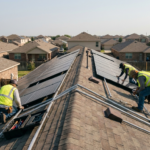
Texas homeowners are hearing solar pitches built around expired tax-credit language and vague claims about free equipment. The useful question in 2026 is simpler: which local incentives still apply to your property, and will the system improve your total power costs after financing and plan terms are included?
See What These Texas Incentives Mean for Your Roof
Local programs and financing terms change the real cost of a system. Get a quote built around your home and your electricity plan.
Disclosure: we may earn a commission if you switch or request a quote through this link, at no extra cost to you. It never changes which plan or company we recommend. How we make money.
Start with the current rules, then reduce the electricity you need before you price a system. That sequence makes the comparison clearer.
The Hard Truth About Texas Solar Incentives in 2026
Texas incentives are local and specific rather than one statewide package that fits every roof. Your location, utility territory, retail electricity plan, home ownership, and the equipment in a proposal can each change the result.
The Federal Solar Tax Credit (Section 25D) Has Officially Ended
The federal residential clean energy credit applied at 30% to qualified new home clean-energy property installed from 2022 through December 31, 2025, according to the Internal Revenue Service. A system placed in service after that period cannot use that expired residential credit in a 2026 purchase calculation.
Older pages may still quote a federal incentive because the U.S. Department of Energy described a 30% credit for photovoltaic systems installed from 2022 through 2032 on a page written under earlier rules, according to the U.S. Department of Energy. Check the installation date rule before treating a percentage in a quote as money you will receive.
Active Texas Incentives: Property Tax Exemptions & Utility Rebates
Texas property-tax law includes a solar property-tax exemption under Texas Tax Code Section 11.27. In practical terms, the exemption is meant to keep a qualifying solar addition from raising the taxable value used for property taxes.
Confirm eligibility with the local appraisal district before signing a contract, because property classification and filing practices can matter. Keep the equipment description and completed-project paperwork together for that review.
Some utilities and local programs may offer rebates or other limited incentives, but their budgets, eligible equipment, application windows, and service areas can change. Ask for the current program document, the deadline, and the party responsible for submitting the application.
Understanding Texas Solar Buyback Plans & Net Metering
Solar buyback plans determine how a retail provider credits electricity your system sends to the grid. The important details are the export rate, any cap on credited production, whether credits carry forward, and which bill charges remain after solar production is counted.
Texas does not give every solar customer the same billing arrangement, so a plan should be read alongside the expected production profile for your roof. Reliant and other retail providers may offer buyback-style plans, but the plan document controls the credit you actually receive.
The credit is gone. The rate you pay is not.
With the 30% federal credit repealed for 2026 purchases, the biggest saving still available to a Texas household is the one that needs no install at all. Switching to a cheaper plan takes an afternoon and cuts the same bill solar was going to cut.
Available in Texas today. We earn a commission if you switch, at no extra cost to you, and it never changes which plan we show first.
Exposing “Free Solar Panels” and Low-Interest Financing Traps
A good quote shows equipment, installation, loan terms, assumptions about output, and the electricity plan behind the savings estimate. When any of those pieces are hidden, the advertised monthly payment can look easier than the full obligation.
Why “Free Government Solar Panels” Do Not Exist in Texas
The phrase “free solar panels” often refers to a financed purchase, a lease, or a power purchase arrangement rather than equipment provided at no cost. You need to know who owns the system, who receives any available incentive, what happens when you sell the property, and how the agreement affects your utility bill.
Government and utility programs can reduce a qualifying cost or provide a bill credit, but they follow eligibility rules and paperwork. Ask for the program name, written terms, and the exact assumption built into the proposal.
The Deceptive “1.99% APR” Solar Loan and Hidden Dealer Fees
A low advertised rate can be paired with a dealer fee that is included in the amount financed, which raises the loan principal before interest is calculated. Compare the cash price, financed price, total payments, payment schedule, and any prepayment terms on the same document.
Ask the lender or installer whether a dealer fee exists, who receives it, and whether the cash price changes if you use outside financing. A separate solar loan calculation can help you compare the payment structure with the total amount borrowed.
Do not let a monthly-payment comparison replace a whole-project comparison. A longer term can lower the monthly figure while increasing the total repaid.
The ChooseMyPower Strategy: Cut Your Texas Power Bill First
The strongest solar decision begins with the electricity you buy today. Lowering waste and choosing a rate plan that matches your use can reduce the production capacity you need from a future system.
Step 1: Switch to a Cheaper Electricity Plan Using Live Texas Data
Start with recent bills and identify your usage pattern, contract end date, and rate components. Then compare plans using the same usage assumptions so you can see how energy charges, delivery charges, credits, and contract conditions affect the total bill.
This step matters because solar savings are based partly on the retail electricity purchases your panels can offset. A lower-cost plan can improve your bill now and prevent an inflated solar proposal from becoming the only answer to a high bill.
Steps 2-5: Simple Efficiency Upgrades That Cut Energy Waste
Check air leaks around doors, windows, attic openings, and ductwork, then address the most obvious gaps. Insulation, thermostat settings, HVAC maintenance, shade control, and efficient lighting can also reduce avoidable demand.
Work from the bill and the building, not from a generic checklist. Cooling equipment, water heating, pool equipment, and operating hours often reveal where a small building or home uses the most electricity.
- Review recent electric bills to spot seasonal changes and unusually high usage.
- Ask a qualified professional to evaluate equipment that cycles too often or fails to maintain a steady indoor temperature.
- Make low-cost improvements first, then measure the next bills before sizing solar around past waste.
Step 6: Right-Size and Compare Solar Estimates Honestly to Save Thousands
After you reduce waste, request estimates based on the revised usage level, your roof orientation, shading, electrical condition, and local interconnection rules. This gives you a clearer way to compare solar panels without paying for capacity designed around inefficient consumption.
Request the projected annual production, the assumed self-consumption, the assumed export value, the cash price, the financed price, and the maintenance assumptions in writing. Compare like with like before you choose an installer or financing path.
Calculate Your Real 2026 Texas Solar Savings Unbiasedly
Your real savings estimate is the difference between a realistic future electric bill with solar and a realistic bill without it, including financing if you borrow. It should use your own electricity use and plan terms rather than a statewide average.
For context, utility-scale solar supplied 45 terawatthours in ERCOT during the first nine months of 2025, according to the U.S. Energy Information Administration. That grid-scale figure does not tell you what a rooftop system on your property will produce or earn.
Build the estimate in layers: current bill, lower-use bill after efficiency work, solar output for the actual roof, electricity still bought from the grid, exported electricity, fixed bill charges, and the financing payment if applicable. If an estimate cannot show each layer, it is difficult to test.
FAQ
Is the 30% federal solar tax credit still available in Texas for 2026?
The IRS lists the residential credit for qualified property installed through December 31, 2025, according to the Internal Revenue Service. A 2026 home solar calculation should not include it.
Can I get free solar panels from a Texas government program?
Ask for the written terms behind any offer using that phrase. A real rebate or bill credit has eligibility rules, while a financing agreement has ownership and repayment terms that deserve separate review.
Why is my electric bill still high after installing solar in Texas?
You may still buy grid electricity when the system is not producing, pay fixed charges, or receive a different value for exported power than for avoided purchases. Review the plan’s buyback terms beside your production and consumption data.
How do I check if my solar installer is hiding dealer fees in my loan?
Request the cash price, amount financed, stated dealer fee, repayment schedule, and total of payments in writing. Compare that offer with outside financing using the same equipment scope.
What energy efficiency upgrades will shrink my future solar system size the most?
Focus on the biggest drivers in your own bills, often cooling, heating, water heating, pool equipment, or long operating hours. Reduce waste first, then size the system from the newer usage pattern.
Before you move forward, use ChooseMyPower’s plan comparison to review the electricity-plan side of the decision.
Own Your Home in Texas
Homeowners can also request information on home energy financing programs to weigh against a cash purchase. It is a request, not a commitment.
Recent Posts
- Pennsylvania electricity supplier complaints: How to document, file, and resolve a billing dispute
- What happens when my electricity contract ends in Pennsylvania? A practical guide
- Pennsylvania electricity early termination fees: what to check before canceling your contract
- Power to Choose in Texas: How to compare electricity plans and rates
- How to read your Texas energy bill: A plain-English guide to every charge and fee