Michigan Solar Tax Credit: Incentives, Eligibility & How to Claim
A solar installation in Michigan is a real expense before any incentives are applied. Several federal and state programs cut into that upfront number, and the biggest of them is the one most people mean when they search for a Michigan solar tax credit, even though it is technically a federal credit rather than a state one. This guide covers what is actually available, who qualifies, and how to claim it, including a federal deadline that has confused a lot of homeowners this year.
See What Solar Costs at Your Michigan Address
Michigan homeowners can still use the federal tax credit and the property tax exemption. A local quote shows the real cost for your roof before either one is applied.
Disclosure: we may earn a commission if you switch or request a quote through this link, at no extra cost to you. It never changes which plan or company we recommend. How we make money.
Key Takeaways
- The federal Residential Clean Energy Credit lets homeowners deduct 30% of a solar system’s cost from federal taxes, for property placed in service through December 31, 2025. Per current IRS guidance, it is not available for property placed in service after that date.
- Michigan does not currently run its own state-level solar tax credit. Its main state incentive is a property tax exemption: installing solar panels will not increase your home’s assessed value for tax purposes.
- To claim the federal credit, you generally need to own your home and the solar system, whether that ownership comes from a cash purchase or a loan. Leased systems don’t qualify.
- Claiming the credit means filing IRS Form 5695 with your federal tax return.
- Beyond the federal credit, local utility rebates and loan programs like Michigan Saves can reduce your total cost further.
Michigan Solar Incentives At A Glance
Here is how the major incentives compare before we get into the details of each one. Confirm current amounts and availability directly with the program administrator or a tax professional before relying on any of these for your own project.
| Incentive | Type | Value | Who qualifies |
|---|---|---|---|
| Federal Residential Clean Energy Credit | Federal tax credit | 30% of system cost, for systems placed in service through December 31, 2025. Not available after that date under current IRS guidance. | Homeowners who purchase (cash or loan) and own the system |
| Michigan property tax exemption | State property tax protection | The added value of a solar installation is excluded from your home’s assessed value | Michigan homeowners with a qualifying solar installation |
| Lansing Board of Water & Light solar rebate | Utility rebate | $500 per kilowatt of installed capacity, up to a program limit | BWL customers; contact BWL for current program status |
| DTE Energy and Consumers Energy renewable programs | Utility rebate or incentive | Varies by program; confirm current offerings with your utility | Customers of the respective utility |
| Michigan Saves Home Energy Loan | Financing program | Loans covering solar and more than 150 other home upgrades | Michigan homeowners; financing through a loan does not affect ITC eligibility since you still own the system |
| Net metering / Distributed Generation | Utility billing credit | Credit for excess electricity your system sends back to the grid | Customers with a grid-tied solar system, limited by array size |
Understanding The Michigan Solar Tax Credit Landscape
Michigan does not currently run its own state-level solar tax credit. What people usually mean by “Michigan solar tax credit” is the federal Residential Clean Energy Credit, combined with a handful of state and local programs that add up.
Federal Investment Tax Credit For Solar
The federal Residential Clean Energy Credit is the largest incentive available to Michigan homeowners. For property placed in service through December 31, 2025, the credit equaled 30% of the total cost of the solar installation, applied directly against your federal tax bill rather than your taxable income. Per current IRS guidance, this residential credit is not available for property placed in service after December 31, 2025. Confirm the current rules with the IRS or a qualified tax professional before assuming it applies to your installation.
Michigan’s Property Tax Exemption For Solar
Home improvements usually raise your property’s assessed value, which raises your property tax bill. Since 2019, Michigan law has exempted solar energy systems from that increase. You can add a solar system, a significant upgrade to your home, without your property taxes going up because of it.
The Role Of The Inflation Reduction Act In Solar Incentives
The Inflation Reduction Act originally extended and enhanced the residential solar tax credit at a 30% rate with a multi year runway. Federal rules have since changed: the residential credit was wound down for property placed in service after December 31, 2025. If you are planning a purchase around this credit, check current IRS guidance rather than the original IRA schedule, since the two no longer match for residential systems.
Eligibility Requirements For Solar Incentives
Qualifying for these incentives is not automatic. A few requirements determine whether you can claim the federal credit and other programs.
Homeownership And System Ownership Criteria
You generally need to own your home to claim most solar tax credits and incentives, and you need to own the solar system itself. If you lease your panels, you likely cannot claim the federal tax credit, even though the leasing company may claim a benefit on its own taxes.
System Purchase Versus Leasing
The federal solar tax credit is only available if you purchase your solar system, whether that’s paid in cash or financed through a solar loan. A loan does not change who owns the system, so financed purchases still qualify. Leasing your panels or signing a power purchase agreement removes your eligibility for the federal credit, because in both cases the leasing company, not you, owns the equipment. Know how you are financing your system before you plan around this credit.
Installation Deadlines For Maximum Savings
For a homeowner’s residential system, the federal Residential Clean Energy Credit applied to property placed in service through December 31, 2025, and current IRS guidance does not make it available after that date. Separate federal rules, with different construction start and in service deadlines, apply to business and utility scale projects. Those commercial rules are not the same as the homeowner credit and should not be assumed to apply to a residential installation. Check the latest IRS guidelines or talk with a qualified tax professional about which deadline applies to your project. You can find Michigan program details at Michigan EGLE’s solar projects page.
Incentive programs change. Confirm current rules and deadlines before making a purchase decision.
Local And Utility Solar Rebates In Michigan
Beyond the federal credit and the state’s property tax exemption, several Michigan utilities run their own rebate or incentive programs. These work like a discount applied before taxes even enter the picture, and they are separate from your federal eligibility.
Lansing Board Of Water & Light
The Lansing Board of Water & Light (BWL) has offered a solar rebate of $500 per kilowatt of installed capacity, up to a program limit. Availability and terms can change, so check with BWL directly for the current rebate before finalizing a system size.
DTE Energy
DTE Energy runs renewable energy programs for customers who install solar. Rebate amounts and program rules are set by DTE, not by the federal government, so confirm current offerings on DTE’s website or by contacting their customer service line before counting on a specific figure.
Consumers Energy
Consumers Energy also offers renewable energy programs, separate from the federal credit and the property tax exemption. As with DTE, contact Consumers Energy directly or check their site for current terms, since utility rebate programs are adjusted more often than federal tax rules.
None of these utility programs affect your eligibility for the federal Residential Clean Energy Credit. You can generally combine a utility rebate with the federal credit, though the rebate may reduce the cost basis used to calculate the credit. A tax professional can confirm how that interacts with your specific installation.
Claiming Your Michigan Solar Tax Credit
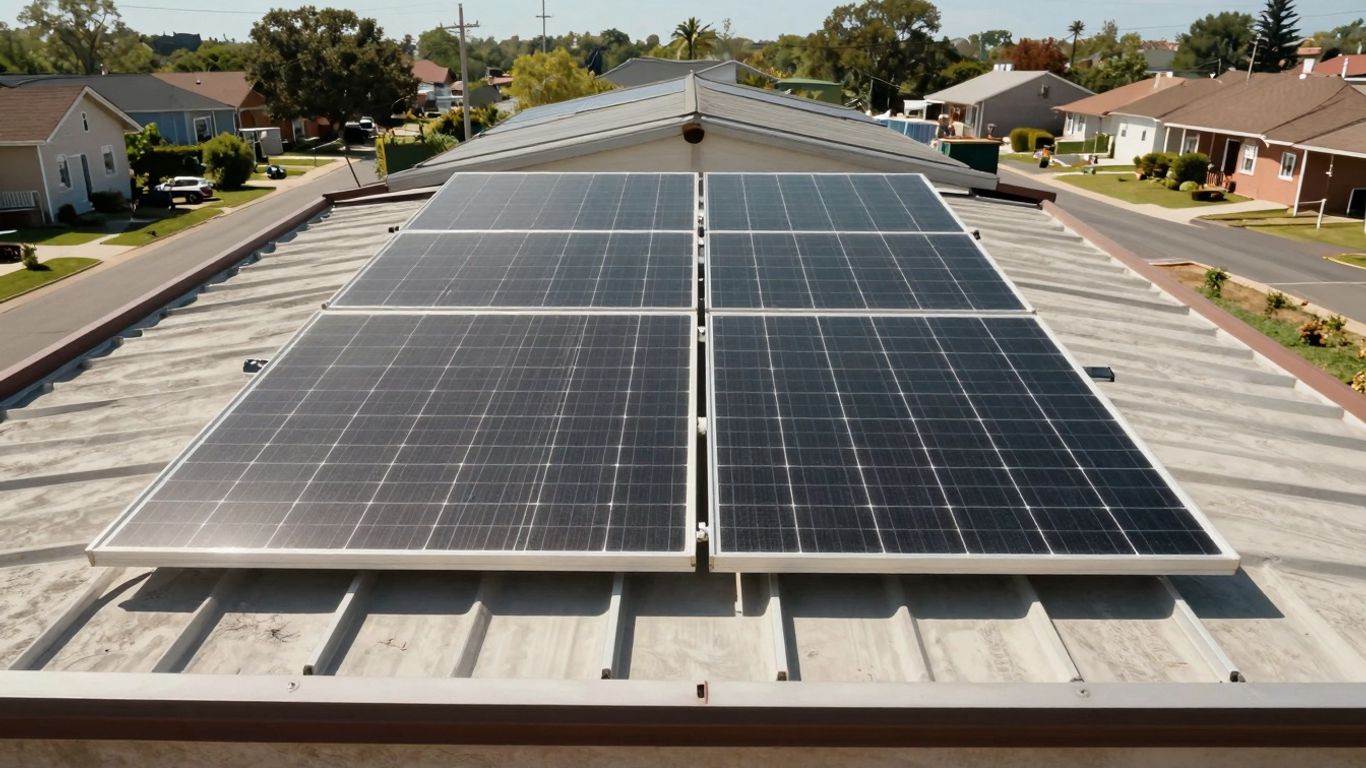
Once your solar system is installed, claiming the federal tax credit comes down to one IRS form. Skipping it means missing the savings entirely.
Navigating IRS Form 5695
Form 5695 is what you use to claim the Residential Clean Energy Credit, the federal solar tax credit. It gets you the 30% back on your solar system’s cost, for systems placed in service through December 31, 2025. You can get the form directly from the IRS website, and while it is not complicated, you do need your documentation organized before you start.
Here’s the basic process:
- Get the form: Download IRS Form 5695 from IRS.gov, or ask your tax preparer for a copy.
- Check your details: Confirm you meet the requirements. The form instructions cover this, or ask a tax professional.
- Fill it out: You will need details about your solar installation, including costs and the date it was placed in service.
The credit applies to the year your solar system was installed. If the credit is worth more than what you owe in taxes that year, you can carry the unused portion forward to future tax years. The IRS does not set a hard limit on how long you can carry it over, but check current tax law or ask a tax advisor to be sure.
Gathering Necessary Documentation
Before filling out Form 5695, get your paperwork together:
- Invoices and receipts: Keep everything from your solar installer, including total system cost, installation fees, and related expenses.
- System details: Information about the equipment itself, such as capacity or model numbers.
- Proof of ownership: Documents showing you purchased the system. Leased systems do not qualify for this federal credit.
Filing Your Federal Tax Return With Solar Credits
Once Form 5695 is filled out and your documents are ready, file your federal tax return (Form 1040) and attach the completed Form 5695. Tax software will usually prompt you to enter the Form 5695 information. If you file by mail, include it with your other tax documents.
Exploring Additional Solar Incentives In Michigan
Michigan Saves Home Improvement Loans
Solar panels are a real investment, and if you don’t have the cash upfront, financing programs like Michigan Saves can help. Michigan Saves provides loan options for solar energy systems and more than 150 other home improvements, spreading the cost over time instead of requiring it all at once. Financing through a loan still counts as ownership for federal tax credit purposes, since a solar loan does not change who owns the system. See the IRS Residential Clean Energy Credit page for the current federal rules, since financing programs like Michigan Saves are separate from federal tax-credit eligibility.
Understanding Net Metering And Distributed Generation
When your solar panels produce more electricity than you use, Michigan’s Distributed Generation program credits you for the excess sent back to the grid. Instead of a fixed rate for that extra power, you get credit based on the energy sent back, with the main limit being the size of your solar array.
MI Solar for All
Michigan also has a state-administered program called MI Solar for All, aimed at expanding solar access. Its funding and enrollment status have changed over time and may be paused or limited depending on when you’re reading this. Check the Michigan.gov site directly for its current status before assuming it applies to your situation.
Incentive programs change on their own schedules. Look into your options as soon as you start considering a solar installation, since some programs move faster than others.
A quick summary of where to look for savings beyond the federal credit:
- Utility rebates: Check with your local power company, including Lansing BWL, DTE Energy, and Consumers Energy, for current cash-back offers.
- Financing programs: Explore options like Michigan Saves to finance your system.
- Net metering: Understand how you’ll be credited for excess energy sent to the grid.
- Property tax exemption: In Michigan, the added value from a solar installation is excluded from your property tax assessment.
Future Of Solar Tax Credits In Michigan
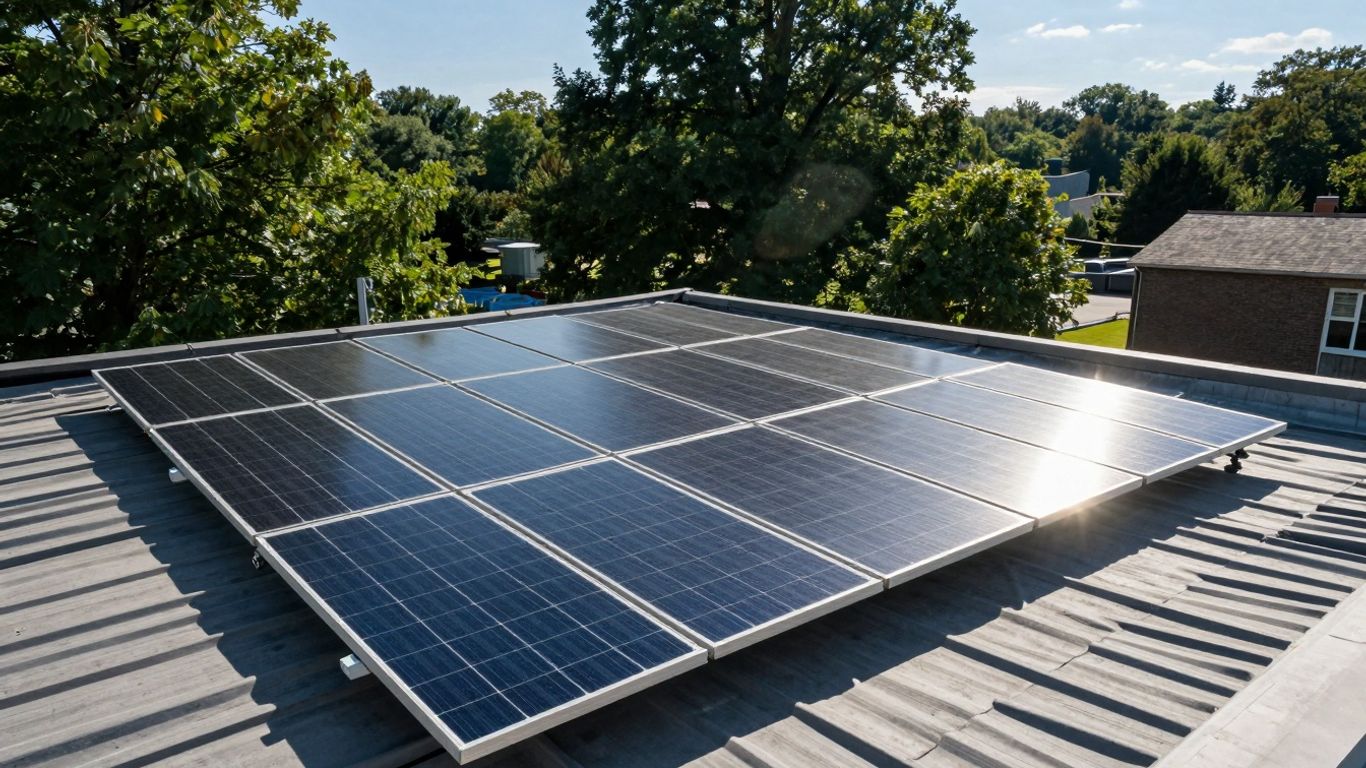
If you’ve read conflicting information online about when the federal solar credit ends, you’re not imagining it. Here is what the current rules actually say.
Projected Changes To Federal Tax Credit Percentages
The federal Residential Clean Energy Credit let homeowners claim 30% of solar system costs for property placed in service through December 31, 2025. That original Inflation Reduction Act schedule, a multi year 30% rate followed by a step down, no longer reflects current law for residential systems. Per current IRS guidance, the residential credit is not available for property placed in service after December 31, 2025. Check the IRS Residential Clean Energy Credit page or a qualified tax professional for the rules that apply to your installation date.
The Importance Of Acting Before Expiration Dates
The residential 30% federal credit applied only through December 31, 2025. A system placed in service after that date does not qualify under current IRS guidance. Confirm the current rules before assuming any federal credit applies to a new installation.
Potential For Future State-Level Solar Programs
Michigan could introduce its own state-level solar incentives at some point, as other states have. Keep an eye on state legislative news and energy policy updates, and check with local utilities periodically, since programs like the ones from Lansing BWL, DTE Energy, and Consumers Energy are set independently and change on their own schedules.
The Bottom Line On Michigan Solar Incentives
Going solar in Michigan comes with real financial support, most of it federal rather than state. The 30% federal residential credit applied to systems placed in service through December 31, 2025, but per current IRS guidance it is not available after that date, so confirm the current rules before counting on it. Michigan’s property tax exemption still applies regardless of when you install. There is no statewide solar tax credit right now, but utility rebates, Michigan Saves financing, and net metering can still lower what you pay.
Frequently Asked Questions
What is the main federal tax credit for solar panels in Michigan?
The main one is the federal Residential Clean Energy Credit, sometimes called the solar Investment Tax Credit (ITC). It lets you deduct 30% of the cost of your solar panel system from your federal taxes, for property placed in service through December 31, 2025. This applies to the system itself, installation costs, and sales tax.
Do I need to own my home and the solar system to get the tax credit?
Yes, generally. To claim most solar tax credits, you need to own both your home and the solar system, whether you paid cash or financed it with a loan. You typically cannot get the credit if you’re renting or if your solar system is part of a lease agreement.
How do I claim the federal solar tax credit?
File IRS Form 5695 with your federal income tax return. Keep your receipts and paperwork from the solar installation on hand, since you’ll need details like total cost and the date the system was placed in service.
Are there any other ways to save money on solar in Michigan besides the federal tax credit?
Yes. Some local utilities, including the Lansing Board of Water & Light, DTE Energy, and Consumers Energy, offer their own rebates or renewable energy programs. Michigan Saves offers loans that can help finance a solar project, and Michigan’s property tax exemption means adding solar panels won’t increase your property taxes.
What if I lease my solar panels instead of buying them?
Leasing removes your eligibility for the federal solar tax credit, because the leasing company owns the equipment, not you. A solar loan is different: since you still own the system when you finance it with a loan, a loan-financed purchase keeps you eligible for the credit. Only leases and power purchase agreements disqualify you.
Are there utility rebates for solar in Michigan?
Some Michigan utilities offer their own rebates on top of the federal credit. The Lansing Board of Water & Light has offered a rebate based on installed kilowatt capacity, and DTE Energy and Consumers Energy both run renewable energy programs for solar customers. Rates and availability change, so confirm current terms directly with your utility before finalizing a system size.
When will the federal solar tax credit end?
Per current IRS guidance, the 30% federal Residential Clean Energy Credit applied to property placed in service through December 31, 2025, and is not available for property placed in service after that date. Check the IRS Residential Clean Energy Credit page or a qualified tax professional for the rules that apply to your installation.
What happens if my solar tax credit is more than the taxes I owe?
You don’t lose the extra amount. You can usually roll over the unused credit to future tax years, so you can still benefit from the full credit over time, even if it takes a few years to use it all up.
Get a Second Quote for Your Michigan Home
Installer pricing varies even within the same state. A second quote gives you a number to compare before the federal credit and property tax exemption are applied.
Recent Posts
- Pennsylvania electricity supplier complaints: How to document, file, and resolve a billing dispute
- What happens when my electricity contract ends in Pennsylvania? A practical guide
- Pennsylvania electricity early termination fees: what to check before canceling your contract
- Power to Choose in Texas: How to compare electricity plans and rates
- How to read your Texas energy bill: A plain-English guide to every charge and fee