
Conan Campbell
Generac Whole House Generator and Texas Power Plans

A Generac whole house generator keeps selected circuits, or the whole home, running when utility power fails. Interest in home standby power has grown across Texas after major winter storms left homes without power for days, and many homeowners now shop for backup power before the next big storm instead of after one. A generator changes what happens during an outage. It does not pause the fine print in your Texas electricity plan. If your plan carries a bill credit, a minimum-usage charge, or a rate that only works out at a certain kWh level, an outage can change the monthly math once utility service is back.
Comparing Generac Against Other Backup Options?
A Generac standby system is a major installation project. A 4Patriots solar generator is a smaller, portable alternative worth comparing if your main goal is covering a few essential circuits.
Disclosure: we may earn a commission if you switch or request a quote through this link, at no extra cost to you. It never changes which plan or company we recommend. How we make money.
Ranked by your bill, not our commission. ChooseMyPower is built for comparing deregulated Texas electricity plans. The comparison tool is free to visitors; if a person we helped switches or buys, we may earn a referral commission. We do not rank or sell Generac generators, and this is not a generator-installation quote. This guide covers what Texas homeowners weigh when choosing a generator, then walks through the electricity-plan check that most buyers skip.
How to choose a Generac generator for a Texas home
How a whole-house generator works
The basic sequence is the same across brands. Utility power drops or falls below a preset level, an automatic transfer switch detects the change, and the generator starts and takes over the home’s electrical load. Generac describes this switch as the component that separates utility and generator power and moves the load between them.[1] When utility power returns, the same switch shifts the load back and the generator shuts down.[1]
Common Generac sizes for Texas homes
Generac’s residential standby line is the Guardian Series, sized by kilowatt (kW) capacity. A smaller unit is typically matched to essential circuits, things like refrigeration, a well pump, and some lighting and outlets. A larger unit is sized to cover most or all of a home’s electrical load, including HVAC. Many residential models run on natural gas or liquid propane, according to Generac’s product catalog.[2] An authorized dealer sizes the unit from your home’s electrical panel and the circuits you want to keep powered during an outage. We do not sell or size generators, so treat this as background for that conversation, not a substitute for it.
Factors that determine installation cost in Texas
Generac and its dealers do not publish one installed price because the cost depends on variables specific to the site: local permits, site preparation, the length of gas or propane line needed, the electrical work to tie into the home’s panel, and the transfer switch itself. Permit requirements and inspection timelines can vary by city, so the same generator model can involve different steps in Houston, Dallas, or Austin. A dealer quote for your address is the only reliable way to get a number, and it is the step where installation cost actually gets answered.
Two different problems, two different fixes
A whole-house generator handles outages. Your power plan handles the other 8,700 hours. If you are on a month-to-month rate you did not choose, fixing that costs nothing and pays back immediately.
Available in Texas today. We earn a commission if you switch, at no extra cost to you, and it never changes which plan we show first.
The critical step Texas homeowners miss before installation
Once sizing and the transfer switch are settled, most buyers go straight to a dealer quote. That skips a step specific to Texas’s deregulated market: while the home runs on generator power, the grid meter may record fewer kWh, and some electricity plans respond to that shift in ways a buyer would not expect.
The fuel used while the generator runs is not purchased through your Retail Electric Provider, or REP. Your electricity plan resumes when utility service resumes. In a Texas choice area, the REP sells the plan, while the local Transmission and Distribution Utility, or TDU, maintains the wires, reads the meter, and responds to outages.[4] Changing a REP does not change who repairs local poles and wires.[4]
That division is the first check in the EFL Decoder. A generator may reduce grid kWh in a billing period, but it does not erase plan terms, fixed monthly charges, TDU delivery charges, or contract obligations that appear in the Electricity Facts Label. The exact result depends on the specific plan and the actual outage.
the EFL Decoder: Read the Parts That Move When kWh Moves
The Public Utility Commission of Texas describes the Electricity Facts Label, or EFL, as a standardized way to compare electricity prices and contract terms.[3] Treat it like the receipt behind the advertised rate. Do not decide from the large cents-per-kWh number alone.
Use the EFL Decoder to look for the following items before you connect a generator decision to a power-plan decision.
| EFL item | Why a generator can make it matter | What to verify |
|---|---|---|
| Price disclosure at stated usage levels | A plan can look different at 500, 1,000, and 2,000 kWh. An outage can push a month below or above one of those examples. | Compare the disclosed examples with your past bills and a lower-usage outage month. |
| Bill credit or usage threshold | A credit may require a particular kWh range or a minimum amount of use. | Read the trigger, the amount, and whether the credit disappears below the threshold. |
| Minimum-usage charge | Some plans charge more when monthly use falls below a stated level. Power to Choose says common cutoffs can include 500 or 1,000 kWh.[4] | Check the exact kWh cutoff and whether the charge is separate or embedded in the bill. |
| Base charge and TDU delivery charges | These charges may still apply even when grid consumption is lower. | Read the plan’s recurring charges and its TDU delivery section. |
| Contract term and early termination fee | Installing a generator does not change an existing electricity contract. | Check the end date and the terms before changing plans. |
This is about removing the plan design that can surprise you when a normal usage pattern changes, not predicting an outage bill down to the dollar. We read the EFL so you don’t have to means we show the documents and the math in the comparison process, rather than asking you to trust an advertised rate.
the Teaser Test: Does the Rate Work Outside One Perfect Month?
A plan’s advertised rate may be calculated at one usage level. That is not automatically wrong. It becomes a problem when the headline number hides a credit, fee, or threshold that only works in a narrow band of consumption. the Teaser Test asks one direct question: if your grid usage is meaningfully lower or higher than the headline example, what changes on the bill?
For a home with a whole-house generator, run the test at three levels: your typical monthly kWh, a lower usage month after an outage, and a high summer month. Then read the EFL at each point. If the plan applies a credit only at or above a threshold, write the threshold down. If it charges a minimum-usage fee below a cutoff, write that down too. The EFL is the source of truth, not the colorful rate card.
Used 999 kWh? You may miss the bill credit.
This is a hypothetical EFL warning, not an average, quote, or outcome promise. Your plan’s EFL determines whether it has a credit, what the threshold is, and how much it is.
A fixed-rate plan can still include recurring charges or usage-based conditions. A plan without a bill credit is not automatically a fit, either. the Teaser Test is about exposing the bill mechanics so you can compare like with like.
the Real-Bill Ranking: Compare the Plan, Not the Slogan
the Real-Bill Ranking starts with your actual kWh history instead of a generic household assumption. For a generator owner, it also creates a sensible lower-usage check: what happens if the grid meter records materially less electricity during a billing period? The comparison is a clear total-bill calculation, including the EFL’s stated plan charges and TDU delivery charges, not a single headline rate.
That distinction matters because no one can promise what an outage, fuel use, weather, or household demand will do to a future bill. A comparison can show the rules. It cannot turn a plan into a guarantee. The useful question is whether you can see the charges that remain, the thresholds that trigger, and the usage range where the plan changes. If not, the plan has not passed the Real-Bill Ranking.
You can also use the same check when comparing a new plan against the one already on your bill. Bring a recent statement, find the billed kWh, and match it to the plan’s EFL. For a refresher on the document itself, see our Electricity Facts Label guide. For a broader view of retail choice, see our Texas electricity guide.
Generator Owners, Movers, Renters, and Solar Households
For homeowners with a standby generator, keep an EFL copy with the generator paperwork. Before a contract renewal, run the EFL Decoder again. A renewal offer can have different thresholds, fixed charges, or delivery-charge disclosures than the plan you used last year.
For movers, do not let the generator discussion crowd out the move-in electricity decision. Texas electric choice is not available everywhere; municipal utilities and cooperatives may not offer retail choice.[4] Where you can choose, compare the EFL, contract term, deposit policy, and requested start date together. A move-in electricity promise is never universal; any deposit requirement is set by the provider’s eligibility process and plan terms. Review our moving electricity guide alongside the Real-Bill Ranking.
For renters, confirm who owns the generator, who can approve installation, and whose name is on the electricity account. The EFL can still help the account holder avoid a plan with a narrow kWh target.
For solar households, do not treat a standby generator and a solar-export plan as the same product. A generator supplies backup power from its fuel source; solar export terms govern how a plan handles energy sent to the grid. Read the EFL and the plan’s solar terms separately. the Teaser Test should include a low net-usage month, because export rules and usage credits can make the bill calculation different from a non-solar home.
One Clear Next Step
Buying a generator usually runs in this order: settle on a size for the circuits you want covered, collect quotes from authorized dealers, and confirm permits and site work before signing. Before you sign an electricity contract to go with it, add one more step.
If you live in a deregulated Texas service area, use your latest bill and an EFL to compare electricity plans based on the usage you actually have, including a lower-use scenario you want to understand. That is the job of the Real-Bill Ranking.
Compare Texas electricity plans with the Real-Bill Ranking
FAQ
What size Generac generator do I need for a Texas home?
It depends on which circuits you want powered during an outage. A dealer typically runs a load calculation against your electrical panel to match a model in the Guardian Series to your home. We do not sell or size generators, so this is background for that conversation rather than a recommendation.
How much does a Generac whole house generator cost to install in Texas?
There is no single published price. Cost depends on the generator size, permits, site preparation, the fuel line, and the electrical work needed to connect the transfer switch, and these vary by city. An authorized dealer quote is the only way to get a number for your address; we do not publish generator installation prices.
What fuel do Generac generators use?
Many residential Generac standby models run on natural gas or liquid propane, according to Generac’s product catalog.[2] Either fuel is purchased separately from your Texas electricity plan.
How long can a Generac whole house generator run?
A unit connected to natural gas can run for as long as the fuel supply and the manufacturer’s duty-cycle guidance allow, since it is not limited by an onboard tank the way a propane or gasoline generator can be. Actual service life depends on maintenance and use; check the manufacturer’s and your installer’s guidance for your specific model.
Does a Generac whole house generator use my electricity plan during an outage?
No. A standby generator uses its installed fuel source while it is supplying the home. Generac says its automatic transfer switch separates utility and generator power and transfers the load when utility power is interrupted.[1] Your grid kWh can be lower during that period, which is why the EFL terms still matter when the regular bill arrives.
Can a generator change my Texas electricity bill?
It can change the grid kWh recorded during a billing period. Whether that changes the total due depends on the individual plan’s EFL, including any usage threshold, bill credit, minimum-usage charge, base charge, and TDU delivery charges. Use the EFL Decoder instead of assuming lower kWh always means a lower total bill.
Why should I check 500, 1,000, and 2,000 kWh on an EFL?
Those are common usage points used in Texas plan disclosures, and a plan may calculate differently at each level. Power to Choose notes that some plans include minimum-usage conditions at levels such as 500 or 1,000 kWh.[4] the Teaser Test uses more than one usage point so you can see whether the headline rate depends on a narrow target.
Will switching electricity providers change who fixes an outage?
No. In Texas choice areas, the local TDU continues to maintain the poles and wires and respond to outages regardless of which REP sells your plan.[4] The electricity-plan comparison is about your billing terms; the local TDU remains the outage contact listed on your bill.
Is ChooseMyPower a Generac dealer or generator installer?
No. ChooseMyPower’s current comparison coverage is Texas deregulated electricity plans. Generator content is here to help you understand the electricity-plan side of a backup-power decision, not to present nationwide generator shopping, installation, or dealer comparisons. For a dealer, contact Generac’s authorized network directly.
Sources
- Generac, How Does an Automatic Transfer Switch Work?
- Generac, Standby Generators
- Public Utility Commission of Texas, Electricity Facts Labels for Residential Electric Service
- Power to Choose, FAQs
Want a Battery-Based Backup Instead of Fuel?
Jackery’s portable power stations offer a fuel-free way to keep essentials running during an outage, with no installation or permits required. Compare that against a standby generator project.
Solar Panels How to Install: Texas Grid & Bill Guide

Solar panels how to install is really two questions stacked on top of each other. The first is whether solar makes sense for your specific roof, usage and budget at all. The second is how the work actually gets done: a system, an installation path, an approval process and a retail electricity plan that governs the power you still buy and any credit for exporting power back to the grid. This guide covers both, in that order, because sizing up the investment before you sign anything is what separates a reasoned decision from a sales pitch you fell for.
See What Installation Looks Like For Your Home
Every roof and budget is different. Get quotes from installers who can walk through the real steps for your specific home.
Disclosure: we may earn a commission if you switch or request a quote through this link, at no extra cost to you. It never changes which plan or company we recommend. How we make money.
If you’ve sat through a solar sales presentation, you already know the pitch can outrun the math. Quotes get built around a monthly payment that “beats your current bill,” incentives get described as if they last forever, and buyback rates get quoted without the delivery charges and base fees that still show up next to them. None of that means solar is a bad idea for your house. It means the sales conversation and the actual numbers for your home are two different things, and this guide is about telling them apart.
ChooseMyPower’s live plan comparison currently covers deregulated electricity states such as Texas, our flagship market, and is expanding to more. We do not sell or install solar equipment. Ranked by your bill, not our commission. You do not pay to use the comparison; we may earn a referral or affiliate commission when someone we helped enrolls. This guide walks through Texas deregulated market rules as a working example. It is not a national solar installation service.
Is solar worth it, and what does it actually cost?
This is the question competitors’ guides lead with, and it’s a fair one to ask before you get into permits and TDU paperwork. There isn’t a single number that answers it. A system’s price depends on how much electricity you use, how many panels that requires, roof complexity, the equipment brand and tier an installer proposes, and local labor costs. Two homes on the same street can get quotes that differ by thousands of dollars for reasons that have nothing to do with whether solar is a good fit for either of them.
“Payback period,” the point where your bill savings add up to what you paid, works the same way. It depends on your system’s real output, your household’s usage pattern, and, just as much, the retail electricity plan you’re on before and after installation. A plan with a weak export credit or high delivery charges stretches the payback period even if the panels themselves perform exactly as promised. The DOE’s homeowner guidance is blunt about this: there’s no universal solar solution, because home suitability, expected generation and ownership terms differ from house to house. [1]
Practically, that means an installer’s payback estimate is a starting point, not a promise. Ask for the assumptions behind it: what electricity rate they used, what export rate they assumed, and whether they used your actual usage history or a regional average. Then check those assumptions against your EFL and your real bills, not the installer’s slide deck.
Before the panels go on, check the rate
Installation takes weeks and the payback is calculated against your current bill. If that bill is sitting on a holdover rate, every number in the quote is wrong. One check first.
Available in Texas today. We earn a commission if you switch, at no extra cost to you, and it never changes which plan we show first.
Incentives that can change the math
Three categories of incentive come up in almost every Texas solar conversation: a federal tax credit, property tax treatment for the value solar adds to your home, and utility rebates.
The federal government has offered a tax credit for residential solar installations, sometimes called the Residential Clean Energy Credit. The rate, eligibility rules and expiration timeline for federal tax credits are set by federal tax law, not by us or by an installer, and they change over time. Confirm the current terms directly with the IRS or a tax professional before you build it into your budget. Don’t take a sales rep’s word for what percentage applies to your installation this year.
Texas also treats the added home value from a renewable energy device differently for property tax purposes in some cases. The exact rules and how they’re applied in your county are worth confirming with your county appraisal district rather than assuming a blanket exemption, since local administration varies.
Some Texas utilities and TDUs, including Oncor, have at various points offered rebates for solar or solar-plus-battery installations. Availability and amounts change and aren’t guaranteed to be in effect when you buy. Ask your own utility or TDU for its current program details in writing before letting an installer’s quote assume a rebate you may not actually receive.
How people pay for a solar system
Three basic structures cover most residential deals in Texas.
A cash purchase means you own the system outright from day one. No loan or lease payment competes with your bill savings, and you’re the one who can claim available ownership-based tax incentives at filing. The tradeoff is the upfront cost.
A solar loan lets you own the system while paying it off over time, similar to any secured loan. You still qualify for ownership incentives, but the loan’s interest rate and term affect how much of your bill savings actually reach your pocket each month. Read the loan terms as carefully as the EFL: origination fees, prepayment penalties and rate structure all matter.
A lease or power purchase agreement (PPA) means a third party owns the system, and you pay either a fixed lease payment or a rate for the power it produces. These can bring the upfront cost close to zero, but you typically don’t qualify for ownership-based tax incentives, and the agreement usually needs to transfer to a new owner if you sell the house, which is its own negotiation separate from the home sale.
| Payment structure | Who owns the system | Ownership tax incentives | If you sell the house |
|---|---|---|---|
| Cash purchase | You, from day one | Yes, in your name | Typically transfers with the home as-is |
| Solar loan | You, with a loan against the system or your home | Yes, in your name | Remaining balance usually needs to be paid off or assumed |
| Lease or PPA | The leasing company | No, the equipment owner claims them | New owner typically must qualify for and accept the existing agreement |
Whichever structure you use, the same rule applies: get the full contract in writing and compare it to your actual usage, not a hypothetical average household’s.
Solar Panels How to Install: Start With the Bill Path
The practical answer is to plan the project first, then let the physical work and approvals follow the rules for your home. The U.S. Department of Energy says there is no universal solar solution. Roof condition, shade, household usage, ownership terms and local rules all belong in the decision before work starts. [1]
A grid-connected project normally involves more than panels. It can include roof mounting, an inverter that converts the panels’ electricity for home use, electrical protection equipment, monitoring, meter work and utility paperwork. You do not need to perform those tasks yourself to understand them. You do need to know who is responsible for each one before signing a contract.
For Texas homes that remain connected to the grid, the bill path matters as much as the roof path. The Public Utility Commission of Texas, or PUCT, says a solar home may still use grid power at night or on cloudy days and may still have monthly base charges. [2] The question is not only, “How many panels can I install?” It is also, “What will I pay for electricity I import, and how will a plan handle electricity I export?”
EFL check: Use the EFL as the plan record for charges and credits. Read it with the plan terms before the system is live. Our Electricity Facts Label guide shows what to compare.
Who handles what?
You can be hands-on without taking on every technical task. The useful split is who owns the design, physical work, permits, interconnection steps and bill review.
| Your situation | What you should own | What to verify | What to bring to the plan comparison |
|---|---|---|---|
| You hire an installer | Usage history, contract review and plan choice | Permit responsibility, warranty responsibility, TDU application and meter steps | Recent bill, estimated generation, proposed EFL |
| You manage a DIY or hybrid project | Equipment scope and local requirements | Permit, inspection, interconnection approval and safe commissioning | Bills plus a cautious import/export estimate |
| You move into or rent a solar home | Account-transfer and ownership documents | System ownership, current approval and retail-plan details | Existing bill, EFL and solar agreement if available |
A qualified installer can manage physical work and paperwork. A DIY or hybrid homeowner can still ask for documents and reject vague claims. Do not treat managing the project as permission to perform roof, electrical or energization work that local rules, equipment instructions or safety requirements assign to a qualified professional.
The TDU is the poles-and-wires company, not the company that sells the retail plan. In the Houston area, for example, CenterPoint says a distributed-generation customer or contractor must complete an application and show that the system conforms to safety standards. [3] Your local TDU process may differ, but approval and retail-plan selection are separate jobs.
Use this install sequence before the roof work begins
1. Check the home, not a generic package
Start with roof condition, available space, shade and any planned roof work. Then pull a full year of electricity bills if possible. The DOE points homeowners first to home suitability and expected generation, not a one-size-fits-all system. [1]
Bring those bills into the Real-Bill Ranking early. The comparison should be built around the electricity you still expect to buy from the grid and the excess you might send back. A panel-output estimate by itself cannot show the full bill path.
2. Get the responsibility list in writing
Before work begins, identify who handles local permits, inspection, the TDU interconnection application, documents you must sign and the conditions for activation. CenterPoint’s published process is one Texas example of an application and safety-conformity step for distributed generation. [3]
A system that is mounted is not necessarily ready to operate. Treat approval status as a document check, not a verbal assurance. That distinction matters more than any sales timeline.
3. Separate TDU approval from the electricity plan
In Texas areas where customers can choose a retail provider, PUCT says customers can shop for plans with buyback rates and other features. [2] The TDU application handles the grid connection. The retail-provider contract describes the supply charges and any export-credit arrangement.
If a city-owned utility or cooperative serves your address, do not assume a competitive-market plan applies. PUCT says those providers set their own buyback rates. [2] Ask your utility for its current solar and export terms instead.
4. Apply the Teaser Test
A large buyback headline can distract from the rest of the bill. PUCT says the buyback rate is part of the provider contract and is usually lower than the retail price a customer pays. [2] That is why a plan needs to be read as a whole.
The Teaser Test asks four plain questions:
- What does the plan charge for imported electricity after solar output no longer covers demand?
- How are exports credited, and does the credit have a cap, rollover rule or expiration rule?
- Which base charges and TDU delivery charges remain on the bill?
- What contract term and cancellation rule apply if you move?
Battery storage: what it does and doesn’t solve
Grid-tied solar systems, the type most Texas homeowners install, are designed to shut off automatically during a grid outage. That’s a safety requirement, not a flaw. It keeps your system from feeding electricity into lines utility crews may be working on. Without a battery, an outage means your solar panels stop producing usable power for your house right along with everyone else’s lights going out.
A battery adds stored backup power you can draw on during an outage, which matters more in Texas, where the ERCOT-managed grid sees real strain during extreme weather. It also adds cost and another piece of equipment that has to be sized correctly for your home’s critical loads, so treat it as its own decision rather than an automatic add-on. If battery backup is the main reason you’re considering solar at all, say that plainly to any installer quoting you. A system sized for daytime bill offset is not automatically sized for outage backup.
A battery doesn’t change the retail electricity plan conversation. You still need to check how a plan credits exports, what happens to stored energy you don’t use, and whether adding a battery affects your interconnection application with the TDU. [3]
Read the EFL before you choose a solar buyback plan
A solar buyback rate is not the whole plan. It is one part of a retail contract. The PUCT consumer guide makes this plain: a grid-connected solar customer can still need electricity at night or on cloudy days, may still have base charges, and should check the provider’s buyback rules. [2]
This is where the EFL Decoder earns its place. Put the EFL beside your recent bill and check the imported-energy charge, delivery charges, base charges, export-credit method, credit limit, rollover or expiration language, contract length and cancellation terms. Then use the Real-Bill Ranking to judge the full bill path rather than a headline credit.
Your 9-cent plan is a marketing tactic. That does not make every low advertised rate bad. It means the visible rate is not enough. A plan can advertise a strong export credit and still be a poor match if its imported-power charges, delivery charges or credit rules do not fit how your home uses energy.
“We read the EFL so you don’t have to” explains the job of the comparison. Still, keep the source document. It is the receipt that lets you check whether the plan description matches the terms you are being asked to accept. See our guide to solar buyback electricity plans before treating a credit as a result.
Use the right checklist for your situation
Movers should confirm whether the new address has solar, who owns it and which documents transfer with the property. Use the moving electricity checklist before starting service. Do not assume the previous occupant’s retail plan or export arrangement transfers automatically.
Renters should treat solar as an account and paperwork question, not a roof project. The property owner usually controls the roof and the approvals. Ask for the system-ownership and current-plan details, then compare only the choices you are allowed to make.
Fixed-rate customers should read the current contract before changing service. A solar installation does not erase a contract term or cancellation rule. Put the current EFL beside a proposed plan and review Texas fixed-rate electricity plans before switching.
Existing solar owners should not wait for renewal to check export terms. Use the latest bill, actual usage and the EFL in the EFL Decoder. That gives you a bill-based comparison instead of a guess based on panel output alone.
How to vet a solar installer in Texas
We don’t publish a ranked list of installers. What we can do is give you a checklist that works regardless of which company ends up on your roof, because the goal here is protecting you from a bad contract, not steering you toward a specific brand.
- Certification and licensing. Ask whether the system designer or installer holds NABCEP certification, and confirm the state or local licensing required for the electrical work involved. Texas licensing for electrical work generally falls under state and local authorities, including TDLR for certain trades. Ask the installer directly which licenses apply to your job, then verify them yourself rather than taking a business card at face value.
- Insurance and warranty layers. A single “warranty” claim can bundle at least three different things: equipment performance, equipment defects and installer workmanship. Ask which company stands behind each one, for how long, and what happens to that coverage if the installer goes out of business.
- The full written contract. Get system size, equipment brand and model, total price, financing terms, permit and interconnection responsibility, and estimated timeline in writing before you sign, not just a proposal summary.
- The proposed electricity plan. If the installer or a partnered retailer proposes a specific electricity plan alongside the system, run it through the Teaser Test above and read the EFL the same way you would for any other plan. A well-built system attached to a poor buyback plan is still a poor result for your bill.
None of this requires trusting us instead of trusting them. It requires trusting documents over pitches, on both sides of the transaction.
Make the plan comparison part of the installation plan
Solar installation has two tracks: a safe, approved system and a retail plan that makes sense for the electricity you still import and the excess you may export. Keep the proposal, approval, EFL and first post-install bills together. Those are the documents that let you test a claim against the actual bill.
Compare the plan terms before the panels go live. Use the ChooseMyPower comparison tool to compare Texas electricity plans by your expected import and export profile.
Ranked by your bill, not our commission.
Frequently asked questions
Is solar worth it in Texas?
It depends on your roof, your usage and the electricity plan you end up on, which is exactly why we won’t give you a blanket yes or no here. Compare an installer’s cost and payback estimate against your own usage history and the assumptions behind the number, not a regional average, before deciding. [1]
Can I install solar panels myself?
You can manage research, documents and vendor selection yourself. A grid-connected roof system can still have local permitting, electrical, inspection and interconnection requirements. The DOE describes solar as a home-specific decision, and a TDU may require application and safety-conformity steps before activation. [1] [3] Make the responsible party for each regulated or technical task clear in writing.
Do I need a new roof before installing solar?
Not always, but it’s worth checking early. Installers typically assess remaining roof life as part of a site evaluation, because removing and reinstalling panels to redo roofing work later adds cost and downtime you can avoid by handling roof repairs first. Ask directly whether your roof’s condition affects the installer’s warranty or mounting plan.
Do I need a different electricity plan after solar is installed?
Not automatically. In Texas areas with retail choice, you can shop for a plan with a buyback arrangement if you expect to export excess electricity. PUCT says the rates and features are set by the provider contract. [2] Apply the Teaser Test and read the EFL before switching. If a municipal utility or cooperative serves you, ask that utility for its terms. [2]
What should I compare in a solar buyback plan?
Compare the full bill structure: imported-electricity charge, export-credit method, any credit limit, base charges, TDU delivery charges, contract length and cancellation terms. The EFL Decoder is designed to make that document-by-document review practical. Do not compare the export credit by itself.
Will solar panels eliminate my electricity bill?
Do not assume that. PUCT says a grid-connected solar home may still draw power at night or on cloudy days and may still have monthly base charges. [2] The only defensible way to evaluate a plan is to compare its terms against the household’s actual and expected usage.
Do I need a battery to keep power during an outage?
Yes, in most cases. A standard grid-tied system without a battery shuts off during an outage for safety, so it will not power your home while utility crews are working on the lines. If backup power during an outage is a priority, say so upfront. A system sized for daily bill offset is not automatically sized for backup loads.
What happens to my solar system if I sell my house?
That depends on how you paid for it. An owned system, whether bought with cash or a loan, typically transfers with the house, though a loan balance may need to be paid off or assumed. A lease or PPA usually requires the new owner to qualify for and accept the existing agreement, a separate negotiation from the home sale itself. Confirm the transfer process in writing before you sign either the original agreement or, later, the sale.
Sources
- Homeowner’s Guide to Solar | U.S. Department of Energy
- Thinking About Solar Panels for Your Home? | Public Utility Commission of Texas
- Solar Energy: Connecting Your System to the Grid | CenterPoint Energy
Own Your Home and Exploring Energy Upgrades
Homeowners looking into ways to finance home energy improvements can request more information through this program. It is a request, not a purchase.
Michigan Solar Tax Credit: Incentives, Eligibility & How to Claim

A solar installation in Michigan is a real expense before any incentives are applied. Several federal and state programs cut into that upfront number, and the biggest of them is the one most people mean when they search for a Michigan solar tax credit, even though it is technically a federal credit rather than a state one. This guide covers what is actually available, who qualifies, and how to claim it, including a federal deadline that has confused a lot of homeowners this year.
See What Solar Costs at Your Michigan Address
Michigan homeowners can still use the federal tax credit and the property tax exemption. A local quote shows the real cost for your roof before either one is applied.
Disclosure: we may earn a commission if you switch or request a quote through this link, at no extra cost to you. It never changes which plan or company we recommend. How we make money.
Key Takeaways
- The federal Residential Clean Energy Credit lets homeowners deduct 30% of a solar system’s cost from federal taxes, for property placed in service through December 31, 2025. Per current IRS guidance, it is not available for property placed in service after that date.
- Michigan does not currently run its own state-level solar tax credit. Its main state incentive is a property tax exemption: installing solar panels will not increase your home’s assessed value for tax purposes.
- To claim the federal credit, you generally need to own your home and the solar system, whether that ownership comes from a cash purchase or a loan. Leased systems don’t qualify.
- Claiming the credit means filing IRS Form 5695 with your federal tax return.
- Beyond the federal credit, local utility rebates and loan programs like Michigan Saves can reduce your total cost further.
Michigan Solar Incentives At A Glance
Here is how the major incentives compare before we get into the details of each one. Confirm current amounts and availability directly with the program administrator or a tax professional before relying on any of these for your own project.
| Incentive | Type | Value | Who qualifies |
|---|---|---|---|
| Federal Residential Clean Energy Credit | Federal tax credit | 30% of system cost, for systems placed in service through December 31, 2025. Not available after that date under current IRS guidance. | Homeowners who purchase (cash or loan) and own the system |
| Michigan property tax exemption | State property tax protection | The added value of a solar installation is excluded from your home’s assessed value | Michigan homeowners with a qualifying solar installation |
| Lansing Board of Water & Light solar rebate | Utility rebate | $500 per kilowatt of installed capacity, up to a program limit | BWL customers; contact BWL for current program status |
| DTE Energy and Consumers Energy renewable programs | Utility rebate or incentive | Varies by program; confirm current offerings with your utility | Customers of the respective utility |
| Michigan Saves Home Energy Loan | Financing program | Loans covering solar and more than 150 other home upgrades | Michigan homeowners; financing through a loan does not affect ITC eligibility since you still own the system |
| Net metering / Distributed Generation | Utility billing credit | Credit for excess electricity your system sends back to the grid | Customers with a grid-tied solar system, limited by array size |
Understanding The Michigan Solar Tax Credit Landscape
Michigan does not currently run its own state-level solar tax credit. What people usually mean by “Michigan solar tax credit” is the federal Residential Clean Energy Credit, combined with a handful of state and local programs that add up.
Federal Investment Tax Credit For Solar
The federal Residential Clean Energy Credit is the largest incentive available to Michigan homeowners. For property placed in service through December 31, 2025, the credit equaled 30% of the total cost of the solar installation, applied directly against your federal tax bill rather than your taxable income. Per current IRS guidance, this residential credit is not available for property placed in service after December 31, 2025. Confirm the current rules with the IRS or a qualified tax professional before assuming it applies to your installation.
Michigan’s Property Tax Exemption For Solar
Home improvements usually raise your property’s assessed value, which raises your property tax bill. Since 2019, Michigan law has exempted solar energy systems from that increase. You can add a solar system, a significant upgrade to your home, without your property taxes going up because of it.
The Role Of The Inflation Reduction Act In Solar Incentives
The Inflation Reduction Act originally extended and enhanced the residential solar tax credit at a 30% rate with a multi year runway. Federal rules have since changed: the residential credit was wound down for property placed in service after December 31, 2025. If you are planning a purchase around this credit, check current IRS guidance rather than the original IRA schedule, since the two no longer match for residential systems.
Eligibility Requirements For Solar Incentives
Qualifying for these incentives is not automatic. A few requirements determine whether you can claim the federal credit and other programs.
Homeownership And System Ownership Criteria
You generally need to own your home to claim most solar tax credits and incentives, and you need to own the solar system itself. If you lease your panels, you likely cannot claim the federal tax credit, even though the leasing company may claim a benefit on its own taxes.
System Purchase Versus Leasing
The federal solar tax credit is only available if you purchase your solar system, whether that’s paid in cash or financed through a solar loan. A loan does not change who owns the system, so financed purchases still qualify. Leasing your panels or signing a power purchase agreement removes your eligibility for the federal credit, because in both cases the leasing company, not you, owns the equipment. Know how you are financing your system before you plan around this credit.
Installation Deadlines For Maximum Savings
For a homeowner’s residential system, the federal Residential Clean Energy Credit applied to property placed in service through December 31, 2025, and current IRS guidance does not make it available after that date. Separate federal rules, with different construction start and in service deadlines, apply to business and utility scale projects. Those commercial rules are not the same as the homeowner credit and should not be assumed to apply to a residential installation. Check the latest IRS guidelines or talk with a qualified tax professional about which deadline applies to your project. You can find Michigan program details at Michigan EGLE’s solar projects page.
Incentive programs change. Confirm current rules and deadlines before making a purchase decision.
Local And Utility Solar Rebates In Michigan
Beyond the federal credit and the state’s property tax exemption, several Michigan utilities run their own rebate or incentive programs. These work like a discount applied before taxes even enter the picture, and they are separate from your federal eligibility.
Lansing Board Of Water & Light
The Lansing Board of Water & Light (BWL) has offered a solar rebate of $500 per kilowatt of installed capacity, up to a program limit. Availability and terms can change, so check with BWL directly for the current rebate before finalizing a system size.
DTE Energy
DTE Energy runs renewable energy programs for customers who install solar. Rebate amounts and program rules are set by DTE, not by the federal government, so confirm current offerings on DTE’s website or by contacting their customer service line before counting on a specific figure.
Consumers Energy
Consumers Energy also offers renewable energy programs, separate from the federal credit and the property tax exemption. As with DTE, contact Consumers Energy directly or check their site for current terms, since utility rebate programs are adjusted more often than federal tax rules.
None of these utility programs affect your eligibility for the federal Residential Clean Energy Credit. You can generally combine a utility rebate with the federal credit, though the rebate may reduce the cost basis used to calculate the credit. A tax professional can confirm how that interacts with your specific installation.
Claiming Your Michigan Solar Tax Credit
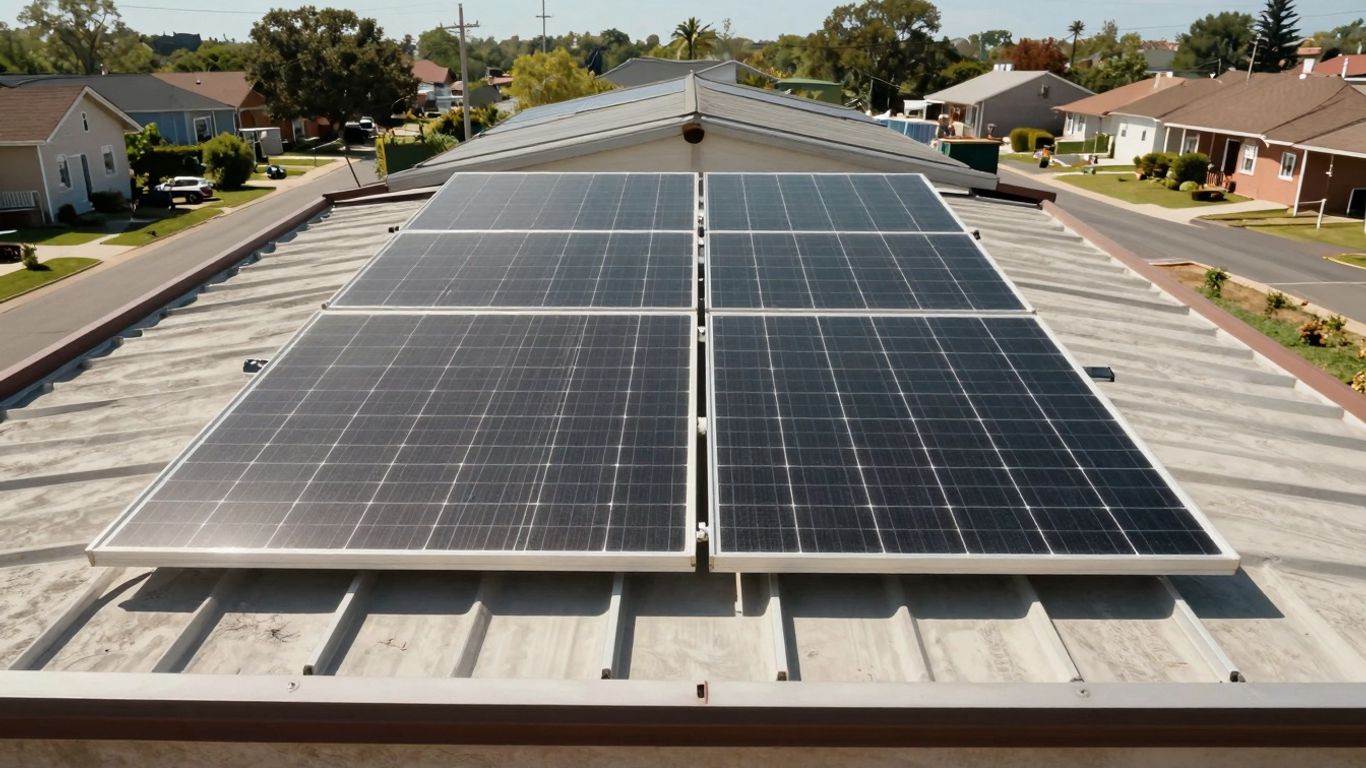
Once your solar system is installed, claiming the federal tax credit comes down to one IRS form. Skipping it means missing the savings entirely.
Navigating IRS Form 5695
Form 5695 is what you use to claim the Residential Clean Energy Credit, the federal solar tax credit. It gets you the 30% back on your solar system’s cost, for systems placed in service through December 31, 2025. You can get the form directly from the IRS website, and while it is not complicated, you do need your documentation organized before you start.
Here’s the basic process:
- Get the form: Download IRS Form 5695 from IRS.gov, or ask your tax preparer for a copy.
- Check your details: Confirm you meet the requirements. The form instructions cover this, or ask a tax professional.
- Fill it out: You will need details about your solar installation, including costs and the date it was placed in service.
The credit applies to the year your solar system was installed. If the credit is worth more than what you owe in taxes that year, you can carry the unused portion forward to future tax years. The IRS does not set a hard limit on how long you can carry it over, but check current tax law or ask a tax advisor to be sure.
Gathering Necessary Documentation
Before filling out Form 5695, get your paperwork together:
- Invoices and receipts: Keep everything from your solar installer, including total system cost, installation fees, and related expenses.
- System details: Information about the equipment itself, such as capacity or model numbers.
- Proof of ownership: Documents showing you purchased the system. Leased systems do not qualify for this federal credit.
Filing Your Federal Tax Return With Solar Credits
Once Form 5695 is filled out and your documents are ready, file your federal tax return (Form 1040) and attach the completed Form 5695. Tax software will usually prompt you to enter the Form 5695 information. If you file by mail, include it with your other tax documents.
Exploring Additional Solar Incentives In Michigan
Michigan Saves Home Improvement Loans
Solar panels are a real investment, and if you don’t have the cash upfront, financing programs like Michigan Saves can help. Michigan Saves provides loan options for solar energy systems and more than 150 other home improvements, spreading the cost over time instead of requiring it all at once. Financing through a loan still counts as ownership for federal tax credit purposes, since a solar loan does not change who owns the system. See the IRS Residential Clean Energy Credit page for the current federal rules, since financing programs like Michigan Saves are separate from federal tax-credit eligibility.
Understanding Net Metering And Distributed Generation
When your solar panels produce more electricity than you use, Michigan’s Distributed Generation program credits you for the excess sent back to the grid. Instead of a fixed rate for that extra power, you get credit based on the energy sent back, with the main limit being the size of your solar array.
MI Solar for All
Michigan also has a state-administered program called MI Solar for All, aimed at expanding solar access. Its funding and enrollment status have changed over time and may be paused or limited depending on when you’re reading this. Check the Michigan.gov site directly for its current status before assuming it applies to your situation.
Incentive programs change on their own schedules. Look into your options as soon as you start considering a solar installation, since some programs move faster than others.
A quick summary of where to look for savings beyond the federal credit:
- Utility rebates: Check with your local power company, including Lansing BWL, DTE Energy, and Consumers Energy, for current cash-back offers.
- Financing programs: Explore options like Michigan Saves to finance your system.
- Net metering: Understand how you’ll be credited for excess energy sent to the grid.
- Property tax exemption: In Michigan, the added value from a solar installation is excluded from your property tax assessment.
Future Of Solar Tax Credits In Michigan
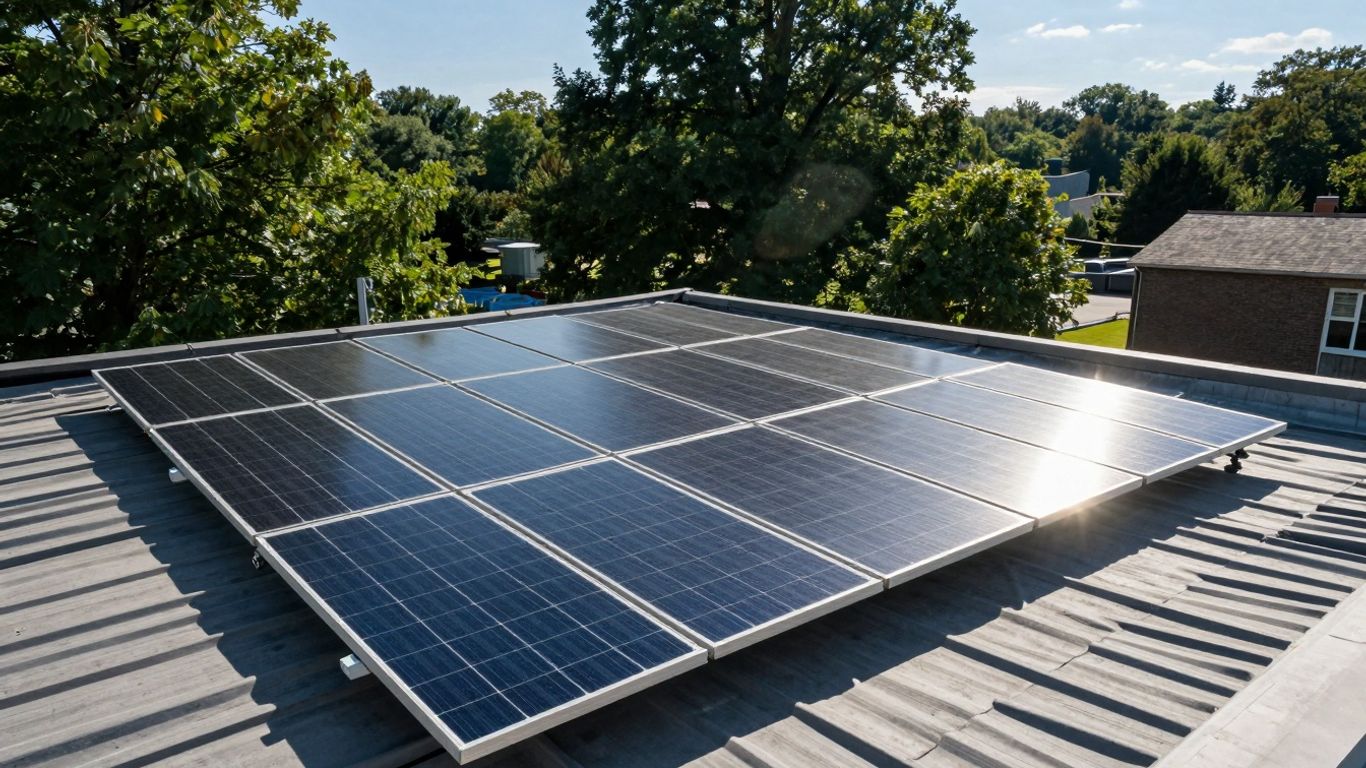
If you’ve read conflicting information online about when the federal solar credit ends, you’re not imagining it. Here is what the current rules actually say.
Projected Changes To Federal Tax Credit Percentages
The federal Residential Clean Energy Credit let homeowners claim 30% of solar system costs for property placed in service through December 31, 2025. That original Inflation Reduction Act schedule, a multi year 30% rate followed by a step down, no longer reflects current law for residential systems. Per current IRS guidance, the residential credit is not available for property placed in service after December 31, 2025. Check the IRS Residential Clean Energy Credit page or a qualified tax professional for the rules that apply to your installation date.
The Importance Of Acting Before Expiration Dates
The residential 30% federal credit applied only through December 31, 2025. A system placed in service after that date does not qualify under current IRS guidance. Confirm the current rules before assuming any federal credit applies to a new installation.
Potential For Future State-Level Solar Programs
Michigan could introduce its own state-level solar incentives at some point, as other states have. Keep an eye on state legislative news and energy policy updates, and check with local utilities periodically, since programs like the ones from Lansing BWL, DTE Energy, and Consumers Energy are set independently and change on their own schedules.
The Bottom Line On Michigan Solar Incentives
Going solar in Michigan comes with real financial support, most of it federal rather than state. The 30% federal residential credit applied to systems placed in service through December 31, 2025, but per current IRS guidance it is not available after that date, so confirm the current rules before counting on it. Michigan’s property tax exemption still applies regardless of when you install. There is no statewide solar tax credit right now, but utility rebates, Michigan Saves financing, and net metering can still lower what you pay.
Frequently Asked Questions
What is the main federal tax credit for solar panels in Michigan?
The main one is the federal Residential Clean Energy Credit, sometimes called the solar Investment Tax Credit (ITC). It lets you deduct 30% of the cost of your solar panel system from your federal taxes, for property placed in service through December 31, 2025. This applies to the system itself, installation costs, and sales tax.
Do I need to own my home and the solar system to get the tax credit?
Yes, generally. To claim most solar tax credits, you need to own both your home and the solar system, whether you paid cash or financed it with a loan. You typically cannot get the credit if you’re renting or if your solar system is part of a lease agreement.
How do I claim the federal solar tax credit?
File IRS Form 5695 with your federal income tax return. Keep your receipts and paperwork from the solar installation on hand, since you’ll need details like total cost and the date the system was placed in service.
Are there any other ways to save money on solar in Michigan besides the federal tax credit?
Yes. Some local utilities, including the Lansing Board of Water & Light, DTE Energy, and Consumers Energy, offer their own rebates or renewable energy programs. Michigan Saves offers loans that can help finance a solar project, and Michigan’s property tax exemption means adding solar panels won’t increase your property taxes.
What if I lease my solar panels instead of buying them?
Leasing removes your eligibility for the federal solar tax credit, because the leasing company owns the equipment, not you. A solar loan is different: since you still own the system when you finance it with a loan, a loan-financed purchase keeps you eligible for the credit. Only leases and power purchase agreements disqualify you.
Are there utility rebates for solar in Michigan?
Some Michigan utilities offer their own rebates on top of the federal credit. The Lansing Board of Water & Light has offered a rebate based on installed kilowatt capacity, and DTE Energy and Consumers Energy both run renewable energy programs for solar customers. Rates and availability change, so confirm current terms directly with your utility before finalizing a system size.
When will the federal solar tax credit end?
Per current IRS guidance, the 30% federal Residential Clean Energy Credit applied to property placed in service through December 31, 2025, and is not available for property placed in service after that date. Check the IRS Residential Clean Energy Credit page or a qualified tax professional for the rules that apply to your installation.
What happens if my solar tax credit is more than the taxes I owe?
You don’t lose the extra amount. You can usually roll over the unused credit to future tax years, so you can still benefit from the full credit over time, even if it takes a few years to use it all up.
Get a Second Quote for Your Michigan Home
Installer pricing varies even within the same state. A second quote gives you a number to compare before the federal credit and property tax exemption are applied.
Victron MPPT Charge Controller: What It Does
Victron MPPT Charge Controller: What It Does Before You Compare Texas Electricity Plans
A Victron MPPT charge controller turns changing solar-panel output into controlled charging for a battery bank. It is not an electricity plan, and it does not decide what your Texas utility or retail provider charges for grid power. That distinction matters for any grid-connected home using solar and batteries: the controller handles the panel-to-battery path, while your retail contract governs the electricity you still buy from the grid.
Not Sure DIY Is Right for You?
Sizing a Victron MPPT controller to your array and battery bank takes real math and product research. If you’d rather have a licensed installer handle the design, get a quote instead.
Disclosure: we may earn a commission if you switch or request a quote through this link, at no extra cost to you. It never changes which plan or company we recommend. How we make money.
This is a plain-English guide to the hardware, not a solar-equipment sales pitch. It explains what the controller does, what the numbers on a Victron model mean, and how to keep solar-related plan shopping grounded in documents and bill math. ChooseMyPower’s fully built comparison service is for Texas deregulated electricity plans. We do not sell or design solar systems.
What a Victron MPPT Charge Controller Does
A charge controller sits between the solar array and the battery bank. Its job is to manage the voltage and current coming from the panels so the battery can charge within the limits set for that system. MPPT means Maximum Power Point Tracking. Victron says its SmartSolar MPPT controllers track the power point quickly to maximize energy harvest, including when light conditions change or panels are partly shaded.[1]
The controller also moves the battery through automatic charging stages: bulk, absorption, and float.[1] In simple terms, bulk is the fast-fill stage, absorption slows charging as the battery nears full, and float maintains the battery after that. A controller is therefore about safely managing solar energy and battery charging. It is not a meter for your retail electricity bill.
Victron model names give you a starting point, not a complete purchase decision. On a model such as 100/20, the first number identifies the controller’s maximum PV open-circuit voltage rating, and the second identifies its maximum battery charge-current rating.[1] The exact model still has to fit the array’s cold-weather open-circuit voltage, its current, the battery-bank voltage and chemistry, wire protection, and the product documentation. Victron publishes an MPPT Calculator to help match an array and controller, but it does not replace the manual or qualified installation review.[2]
| Question | What the controller answers | What it does not answer | |, |, |, | | Can solar charge the battery safely? | It manages solar-panel voltage and current for the battery bank. | It does not select a retail electricity provider. | | What happens when sunlight changes? | MPPT tracks the array’s working point to pursue available solar output. | It does not change a utility delivery charge. | | What does 100/20 mean? | It points to the model’s PV-voltage and battery-charge-current limits. | It does not tell you whether the model fits every array and battery. |
The plumber-in-10s test is this: a charge controller manages your solar equipment; an electricity plan manages the price of power you take from the grid. Treat those as two separate decisions.
Solar Hardware and the Texas Grid: Keep the Boundaries Clear
A controller can make better use of the solar energy available to a battery system. It cannot change the terms of a Texas retail electricity contract. It cannot remove a base charge, revise TDU delivery charges, enroll you in a solar buyback program, or make a bill credit apply. Those questions belong in the plan documents and, where relevant, in the separate solar agreement.
That is why solar shoppers should not assume a more efficient controller makes their grid bill irrelevant. On a low-solar day, at night, or whenever household demand is higher than available battery and solar output, a grid-connected home may still buy electricity. The cost of that electricity depends on the plan’s price structure, contract terms, and your actual grid usage. The Public Utility Commission of Texas describes the Electricity Facts Label, or EFL, as a standardized way to compare electricity prices and contract terms from competitive retail providers.[3]
For a homeowner with solar, the useful number is not total household consumption alone. It is the kWh actually drawn from the grid after solar and battery behavior are accounted for. That is the usage number that should go into a retail-plan comparison. Do not use a summer bill from before the solar setup or a guessed annual average if your grid draw has changed.
Use the EFL Decoder and the Teaser Test Before You Sign
The marketing problem is simple: a plan can show a low headline rate while the details tell a different story at your usage. Our customer-facing warning says it plainly: “Your 9-cent plan is a marketing tactic.” The Teaser Test asks one question before anything else: does the advertised rate still describe the plan at my expected grid kWh?
For solar households, that question is even more important. A bill credit, a minimum-use fee, or a usage threshold that looked harmless before solar can change the price when the panels reduce the kWh purchased from the grid. The EFL, not the big number in an ad, is where you check the price components, contract terms, and usage-based rules. Texas retail providers must make an EFL available, and the PUCT says the document is designed for standardized comparison.[3]
ChooseMyPower’s EFL Decoder is the practical next read for finding those terms. Start with the energy charge, delivery charges, base charges, and any credit or fee that changes with kWh. Then test the plan at your actual expected grid usage. The line “Used 999 kWh? You just lost your $100 credit” is the EFL Decoder’s plain-language warning about why a threshold must be read before you rely on an advertised average. It is not a promise that every plan carries that credit.
| Document or number | What to check | Why it matters with solar | |, |, |, | | Electricity Facts Label | Charges, contract terms, credits, and usage thresholds | Solar may lower the kWh you buy and change whether a condition applies. | | Recent electric bills | kWh drawn from the grid, not just total household load | This is the starting point for a realistic plan comparison. | | Solar agreement, if you have one | Terms for exported electricity and system-specific rules | A charge controller does not set those terms. |
Four Situations Where the Hardware Decision Meets the Plan Decision
A solar controller and a retail plan are separate products, but the questions meet at the bill. The right plan is not the same for every household because actual grid kWh, service area, and contract terms differ.
| Situation | Hardware question | Electricity-plan question | |, |, |, | | Grid-connected solar owner | Does the array, battery, and controller configuration match the manufacturer’s limits? | What kWh will still come from the grid in a typical month, and what does the EFL charge at that usage? | | Renter with a portable battery or solar setup | Does the setup comply with the lease and electrical-safety requirements? | Could a low-usage credit or fee create a poor fit for the apartment’s grid draw? Our apartment plan guide explains this low-usage problem. | | Mover planning solar later | Will the new address need grid power before any solar project is operating? | Compare service-start options and enter realistic move-in usage first. A controller cannot turn on retail service. | | Fixed-rate shopper with solar | Does the controller improve battery charging under the system’s stated limits? | Decide whether a fixed or variable retail structure fits your grid-usage pattern. See the fixed-rate vs. variable-rate guide. |
The point is not to pretend there is one universal solar plan or one universal controller. The point is to use the right tool for the right decision, then check the bill logic before signing anything.
The Real-Bill Ranking Puts the EFL Before Commission
Ranked by your bill, not our commission. That is the rule behind the Real-Bill Ranking. The shopper pays $0 to use ChooseMyPower’s comparison service. If someone we helped switches or buys through a participating link, ChooseMyPower may earn a referral commission. That does not change the order of operations: we start with the bill math in the EFL, not with which plan pays us.
The Real-Bill Ranking takes the entered usage, reads the plan’s EFL charges and terms, includes applicable delivery and base charges, and applies only a credit that the EFL says applies at that usage. It then compares the resulting estimated bill. That is also why a plan cannot be called the right fit just because it has the lowest ad rate. A plan’s availability and details vary by ZIP code, TDU area, usage, and contract terms.
If you have solar, enter the kWh you expect to buy from the grid, not a headline consumption number from before the system was installed. If you do not have enough bill history, use a conservative estimate and revisit it once you have real statements. The comparison tool is for Texas electricity plans, not a substitute for a solar design or interconnection review.
Frequently Asked Questions
What does a Victron MPPT charge controller do? It regulates solar-panel output for battery charging and uses Maximum Power Point Tracking to pursue available solar energy. Victron says the SmartSolar MPPT line also uses bulk, absorption, and float charging stages.[1]
Does a Victron MPPT charge controller take me off the grid? No. A charge controller is a part of a solar-and-battery system. It does not cancel a utility account or choose a retail electricity plan. Whether a home remains grid-connected depends on the entire system, its design, and local service arrangements.
How should I read a 100/20 Victron model label? Victron uses the first number for the controller’s maximum PV open-circuit-voltage rating and the second for its maximum battery charge-current rating.[1] Confirm the full array, battery, wire, and protection requirements against the model documentation before selecting equipment.
Why should a solar owner read an EFL? The EFL is where a Texas retail plan presents price and contract information in a standardized format.[3] It helps you test whether fees, credits, and rate rules still make sense at the kWh you actually buy from the grid after solar output.
Compare Texas Electricity Plans by Your Actual Grid Usage
Compare Texas electricity plans with the Real-Bill Ranking.
References
[1]: https://www.victronenergy.com/solar-charge-controllers/smartsolar-mppt-75-10-75-15-100-15-100-20 “Victron Energy, SmartSolar MPPT 75/10, 75/15, 100/15 & 100/20”
[2]: https://www.victronenergy.com/mppt-calculator “Victron Energy, MPPT Calculator”
[3]: https://www.puc.texas.gov/industry/electric/rates/facts/ “Public Utility Commission of Texas, Electricity Facts Labels for Residential Electric Service”
Looking at EcoFlow?
If you want the battery and controller in one unit instead of separate parts, EcoFlow power stations are the usual choice for smaller loads.
Browse EcoFlow power stationsAffiliate link: we earn a commission if you buy through this link, at no extra cost to you. It does not affect what we recommend.
Ready for a Full Solar and Battery System?
If you are a homeowner planning more than a single component like a charge controller, Homerenewally connects you with local installers who can design and install the full system.
Solar Installation Tips for Energy Efficient Homes

Get Quotes Before You Install
These tips help you prepare. Request quotes from solar installers to compare options before you start your project.
Disclosure: we may earn a commission if you switch or request a quote through this link, at no extra cost to you. It never changes which plan or company we recommend. How we make money.
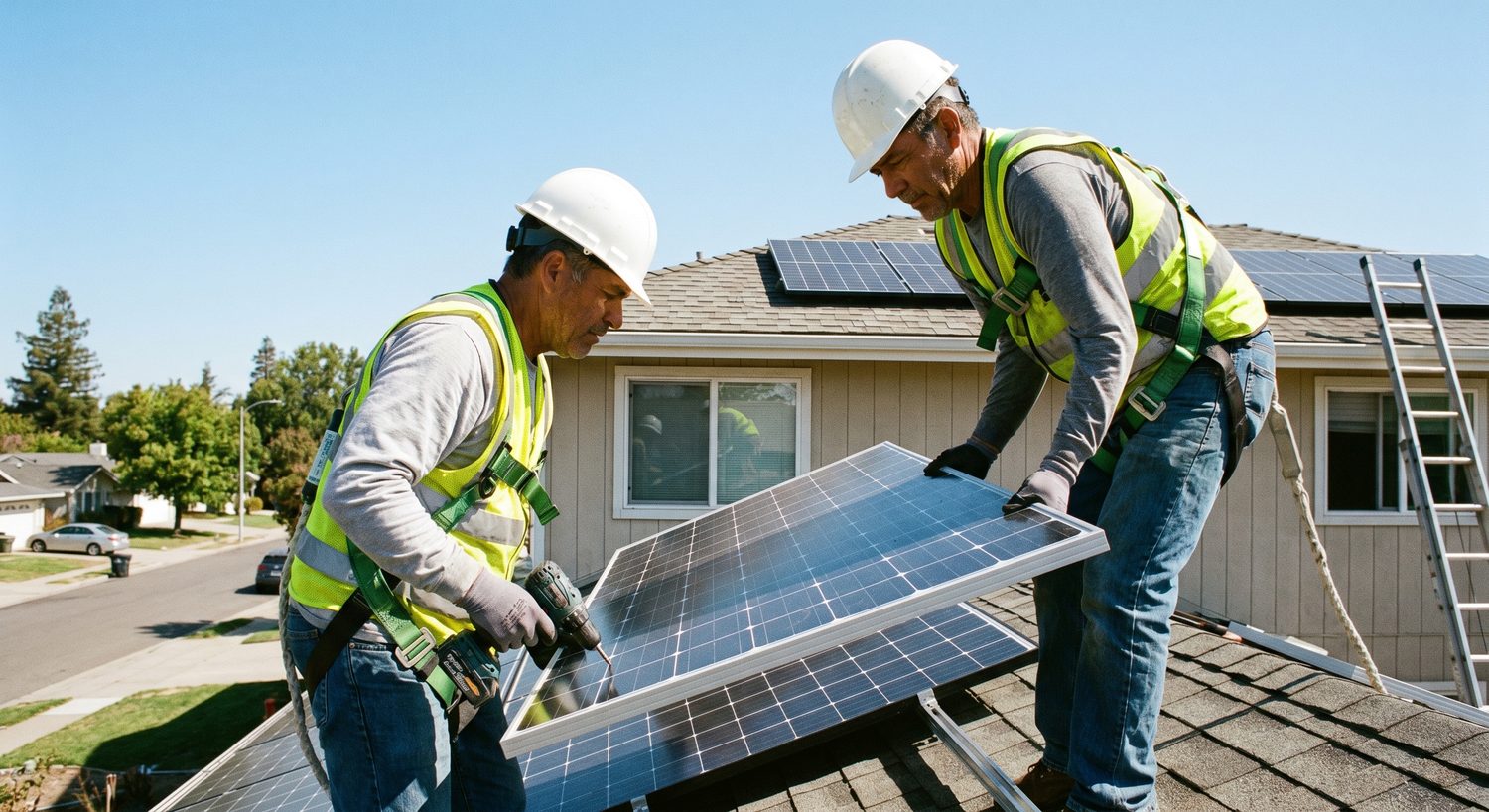
Many homeowners get excited about solar panels because they want lower electricity bills and greater energy independence. While solar energy can absolutely help reduce long-term utility costs, one of the biggest mistakes people make is installing solar panels before improving their home’s energy efficiency.
An energy efficient home allows a solar system to perform better while requiring fewer panels to meet household electricity needs. In simple terms, the less energy a home wastes, the more effective solar power becomes.
Think of it this way. Installing solar panels on an inefficient home is similar to pouring water into a bucket with holes in it. Some of the energy savings are immediately lost because the home consumes more electricity than necessary.
Before sizing a solar system, homeowners should first evaluate how much energy their home actually uses and where waste occurs.
Several common household issues increase electricity consumption unnecessarily:
• Poor insulation
• Drafty windows and doors
• Old air conditioning systems
• Inefficient lighting
• Aging appliances
• Poor attic ventilation
• Excessive standby power usage
Addressing these problems before solar installation can dramatically reduce energy demand.
For example, replacing outdated incandescent bulbs with LED lighting may lower electricity consumption significantly over time. Upgrading an old HVAC system can create even larger savings because heating and cooling often represent one of the biggest energy expenses in a household.
A more efficient home usually means a smaller solar system is needed.
That matters because solar installation costs are heavily influenced by system size. Fewer required panels can reduce equipment costs, installation labor, and roof space requirements.
Homeowners who improve energy efficiency first often discover they can meet their electricity goals with a far more affordable solar setup.
Energy audits are one of the best starting points.
An energy audit helps identify hidden areas of energy loss throughout the home. Professional auditors may inspect insulation, ductwork, appliance efficiency, ventilation, and overall energy consumption patterns.
Some utility companies even offer free or discounted energy audits.
Simple efficiency upgrades can provide surprisingly large improvements, including:
• Adding attic insulation
• Sealing air leaks
• Installing energy-efficient windows
• Replacing outdated appliances
• Using smart thermostats
• Cleaning HVAC systems regularly
• Improving natural ventilation
These upgrades not only reduce electricity consumption but also improve indoor comfort year-round.
Another major advantage of combining energy efficiency with solar energy is maximizing return on investment.
Solar systems are long-term investments. Reducing household energy demand before installation improves the system’s ability to offset electricity costs more effectively over time.
Many homeowners also appreciate the environmental benefits. A highly efficient home paired with solar energy reduces dependence on fossil fuels while lowering overall carbon emissions.
The goal is not simply producing renewable energy. The goal is using energy intelligently.
Homes that combine strong efficiency practices with properly designed solar systems often experience the best long-term financial and environmental results.
Choosing the Right Solar System for Your Home’s Energy Needs
One of the most important parts of any solar project is selecting the right system size and design. Many homeowners assume bigger automatically means better, but oversized systems can unnecessarily increase costs while undersized systems may fail to provide meaningful savings.
The best solar installation starts with understanding actual household energy usage.
Most installers review electricity bills from the past 12 months to identify average consumption patterns. This creates a clearer picture of how much energy the home uses throughout different seasons.
Energy usage often changes dramatically during the year.
For example:
• Summer air conditioning may increase electricity usage
• Winter heating systems may raise energy demand
• Holiday lighting may temporarily increase power consumption
• Working from home may increase daytime electricity usage
Looking at annual patterns helps installers design systems more accurately.
Roof condition is another major factor homeowners should evaluate before installation.
Solar panels typically remain in place for decades. Installing them on an aging or damaged roof can create expensive problems later if roof replacement becomes necessary.
If the roof is already near the end of its lifespan, replacing or repairing it before solar installation is often the smarter decision.
Roof orientation also affects performance.
In many regions, south-facing roofs receive the strongest sunlight exposure throughout the day. East-facing and west-facing roofs can still work effectively, although energy production may vary depending on local sunlight conditions.
Shading must also be carefully considered.
Nearby trees, neighboring buildings, chimneys, and roof structures can reduce solar panel efficiency. Even partial shading can lower overall system performance depending on panel configuration.
Professional installers often use solar mapping tools to evaluate sunlight exposure throughout the year.
Choosing quality equipment is equally important.
Solar systems consist of several major components, including:
• Solar panels
• Inverters
• Mounting systems
• Electrical wiring
• Monitoring systems
• Battery storage systems
Not all solar equipment performs equally. Higher-quality panels may cost more initially but often provide better efficiency, longer warranties, and slower performance degradation over time.
Inverters deserve special attention because they convert solar-generated electricity into usable household power.
There are different inverter options available, including:
• String inverters
• Microinverters
• Power optimizers
Each setup has advantages depending on roof layout and shading conditions.
Battery storage is becoming increasingly popular as well.
Homeowners interested in backup power during outages may benefit from adding battery systems. Batteries allow homes to store excess solar energy generated during the day for nighttime use or emergency situations.
Battery systems may provide benefits such as:
• Backup power during outages
• Greater energy independence
• Reduced reliance on utility companies
• Better control over electricity usage
• Improved use of solar-generated power
Although batteries increase installation costs, many homeowners view the added resilience as worthwhile.
Monitoring systems also play an important role in modern solar installations.
Most systems now include smartphone apps or online dashboards that allow homeowners to track:
• Daily energy production

• Household electricity usage
• Grid electricity consumption
• Battery charge levels
• System efficiency
These tools help homeowners identify performance issues early while optimizing energy usage habits.
A properly designed solar system should align with the home’s current needs while also considering future lifestyle changes.
For example:
• Purchasing an electric vehicle may increase electricity demand
• Adding family members may raise energy usage
• Expanding living space may require additional power
• Installing new appliances may affect consumption patterns
Thinking ahead helps avoid expensive system upgrades later.
Common Solar Installation Mistakes Homeowners Should Avoid
Solar energy can provide excellent long-term benefits, but installation mistakes can reduce savings, lower efficiency, and create costly repairs later. Understanding common mistakes helps homeowners make smarter decisions throughout the installation process.
One of the biggest mistakes is choosing installers based only on price.
The cheapest quote is not always the best value. Poor installation workmanship can lead to roof leaks, wiring issues, reduced efficiency, or shortened system lifespan.
Homeowners should carefully research installers before signing contracts.
Important factors to evaluate include:
• Licensing and certifications
• Insurance coverage
• Customer reviews
• Warranty terms
• Years of installation experience
• Equipment quality
• Maintenance support
Another mistake involves ignoring roof condition.
Installing solar panels on a roof that may require replacement within a few years creates unnecessary complications. Removing and reinstalling solar panels during future roof repairs can become expensive.
Poor system sizing is another common issue.
Oversized systems may cost far more than necessary, while undersized systems may fail to provide expected savings. Proper sizing depends on realistic energy consumption analysis rather than sales pressure.
Homeowners should also avoid unrealistic savings expectations.
Solar panels reduce electricity costs, but actual savings depend on many factors, including:
• Weather conditions
• Utility rates
• Household energy habits
• Equipment performance
• Seasonal sunlight exposure
Some homeowners expect their electricity bill to disappear completely, which may not always happen depending on system size and local utility policies.
Ignoring maintenance is another problem.
Although solar systems require relatively little maintenance, they are not entirely maintenance-free.
Homeowners should occasionally inspect systems for:
• Dirt accumulation
• Debris buildup
• Wiring issues
• Shading changes
• Inverter performance alerts
• Roof condition around mounting points
Keeping panels reasonably clean helps maintain performance levels.
Another major mistake involves misunderstanding net metering policies.
Net metering rules vary depending on utility provider and location. Homeowners should fully understand how excess electricity credits work before installation.
Battery storage confusion is also common.
Many people assume solar panels automatically provide power during blackouts. In reality, most grid-connected systems shut down during outages unless batteries are installed.
Homeowners interested in backup power should discuss battery storage options carefully with installers.
Financing decisions also deserve careful attention.
Some financing offers may appear attractive initially but include higher long-term costs through interest charges or escalator clauses.
Homeowners should compare:
• Loan terms
• Total repayment amounts
• Lease agreements
• Warranty coverage
• Expected savings projections
Finally, many homeowners fail to think long term.
Solar systems often last 25 years or more. Decisions made during installation can affect energy costs, maintenance expenses, and system performance for decades.
Taking time to research equipment, installers, and financing options carefully can prevent many future problems.
Maximizing Long-Term Savings and Solar Performance
Installing solar panels is only the beginning. Homeowners who actively manage their energy usage and system performance often achieve much greater long-term savings.
One of the smartest strategies is adjusting household energy habits to align with solar production.
Solar panels typically generate the most electricity during daylight hours. Running high-energy appliances during these periods can maximize use of solar-generated electricity instead of relying on utility power.
Helpful daytime energy habits may include:
• Running dishwashers during sunny hours
• Charging electric vehicles during the day
• Doing laundry during peak solar production
• Using programmable appliances strategically
• Cooling the home before evening hours
Energy monitoring apps can help homeowners understand usage patterns more clearly.
Tracking production and consumption allows households to identify opportunities for additional savings.
Homeowners should also continue improving efficiency after installation.
Even small upgrades can enhance solar performance benefits over time.
Useful long-term improvements may include:
• Smart home automation
• Improved insulation
• Energy-efficient windows
• Advanced HVAC systems
• Efficient water heaters
• Better attic ventilation
Panel maintenance also matters.
While rain naturally cleans panels in many regions, excessive dirt, pollen, leaves, or bird droppings may reduce efficiency. Occasional cleaning can help maintain energy production.
Tree growth should also be monitored.
Trees that create little shading today may gradually block sunlight years later. Trimming vegetation when necessary helps preserve panel performance.
Homeowners should periodically review electricity bills as well.
Unexpected increases in utility usage may indicate:
• Appliance inefficiency
• HVAC problems
• Increased household consumption
• Solar system performance issues
• Inverter malfunctions
Monitoring helps catch problems early before they affect savings significantly.
Battery systems may become increasingly valuable in the future as electricity pricing structures evolve. Some utility providers now charge higher rates during peak evening hours.
Stored solar energy can help homeowners avoid expensive peak electricity pricing while increasing energy independence.
Many homeowners also appreciate the added property value solar systems may provide. Energy-efficient homes with lower operating costs often attract buyers interested in long-term savings and sustainable living.
Ultimately, the best solar installations combine several important elements:
• Strong energy efficiency practices
• Proper system sizing
• High-quality equipment
• Skilled installation
• Smart energy management habits
When all these factors work together, homeowners can create highly efficient homes that reduce electricity costs, improve energy resilience, and provide meaningful long-term financial benefits.
Homeowners: See Other Efficiency Upgrades
Solar installation is one step toward an efficient home. Homeowners can request a quote to look at other improvement options.
Solar Comparison Guide for Choosing the Right Solar Company

Compare Companies With Real Quotes
This guide covers what to look for. The next step is requesting quotes from solar companies so you can compare real offers.
Disclosure: we may earn a commission if you switch or request a quote through this link, at no extra cost to you. It never changes which plan or company we recommend. How we make money.
Choosing a solar company is one of the most important decisions homeowners make during the switch to solar energy. The quality of the installer can affect system performance, long-term savings, warranty support, and even roof safety. In many cases, the installer matters just as much as the equipment itself.
In 2026, the residential solar market is more competitive than ever. Homeowners now have access to national installers, regional solar providers, local contractors, and online solar marketplaces. While more competition creates better choices, it also makes comparing companies more complicated.
Some solar companies focus on premium systems with advanced battery integration. Others compete mainly on lower pricing. Some provide excellent customer support, while others rely heavily on subcontractors and high-pressure sales tactics.
The best solar company is not automatically the biggest or the cheapest. The right choice depends on the homeowner’s goals, property conditions, budget, and expectations.
A proper comparison process helps homeowners:
- Avoid overpriced systems
- Reduce installation risks
- Improve long-term savings
- Get better warranty support
- Prevent hidden costs
- Choose reliable equipment
Before signing any agreement, homeowners should carefully compare installers using both technical and customer service factors.
Understanding the Different Types of Solar Companies
Not all solar companies operate the same way. Some handle every part of the process internally, while others outsource installation work to third-party contractors.
Understanding company structure can help homeowners know what to expect.
Here are the most common types of residential solar providers:
| Solar Company Type | Typical Characteristics |
| National installers | Large operations with standardized processes |
| Regional installers | Strong local market experience |
| Local contractors | Personalized service and flexibility |
| Online solar marketplaces | Multiple quote comparison platforms |
| Roofing and solar companies | Combined roof and solar services |
National solar companies often provide streamlined systems and financing options. They may also have stronger brand recognition and larger support teams.
However, some homeowners report challenges such as:
- Slower customer service
- Longer scheduling times
- Less personalized communication
- Heavy use of subcontractors
Regional and local installers sometimes provide more customized support and stronger knowledge of local utility rules, permitting requirements, and weather conditions.
Local installers may also offer:
- Faster service response
- Direct communication with technicians
- More flexible installation designs
- Better local reputation accountability
Homeowners should ask whether installation crews are:
- In-house employees
- Licensed subcontractors
- Temporary labor teams
This matters because installation quality directly affects system safety and long-term reliability.
Some companies specialize in premium solar and battery systems, while others focus on budget-friendly installations.
Before comparing quotes, homeowners should clearly identify their priorities such as:
- Lowest cost
- Premium equipment
- Battery backup
- Fast installation
- Long-term warranty support
- Smart energy management
Knowing these priorities helps narrow the search more effectively.
Comparing Solar Quotes the Right Way
One of the biggest mistakes homeowners make is comparing solar quotes based only on total price.
Two systems with similar pricing can differ significantly in:
- Panel quality
- Inverter technology
- Installation methods
- Warranty coverage
- Production estimates
- Battery compatibility
A proper comparison should evaluate the entire system.
Here are some important quote comparison categories:
| Comparison Factor | Why It Matters |
| System size | Determines energy production |
| Panel efficiency | Impacts roof space usage |
| Inverter type | Affects performance and monitoring |
| Warranty length | Protects long-term investment |
| Estimated production | Impacts savings potential |
| Installation timeline | Affects project completion |
| Financing terms | Influences total cost |
Homeowners should request detailed proposals rather than simple sales summaries.
A quality solar proposal usually includes:
- Equipment specifications
- Estimated yearly energy production
- Roof layout design
- Utility savings estimates
- Warranty information
- Payment breakdown
- Permit responsibilities
Production estimates are especially important.
Some companies intentionally provide overly optimistic savings projections to make systems appear more attractive.
Homeowners should ask:
- What assumptions were used?
- Were shading conditions included?
- Are seasonal weather changes considered?
- What utility rate increases were assumed?
Realistic projections are more valuable than aggressive sales promises.
Another important factor is inverter selection.
Common residential inverter options include:
- String inverters
- Microinverters
- Hybrid inverters
Microinverters are popular for homes with shading or complex roof layouts because each panel operates independently.
String inverters may cost less but can experience reduced performance if one panel becomes shaded.
Hybrid inverters are useful for battery-ready systems because they support future energy storage integration.
Homeowners should also evaluate system monitoring tools.
Modern systems often include smartphone apps that track:
- Energy production
- Household usage
- Battery charging
- Grid interaction
- Historical system performance
Strong monitoring systems help homeowners identify performance issues early.
Questions Every Homeowner Should Ask a Solar Company

Sales presentations can sometimes focus heavily on savings while avoiding important technical details.
Asking the right questions helps homeowners identify trustworthy companies.
Before signing a contract, homeowners should ask:
- How long has the company operated?
- Are installers licensed and insured?
- Is installation handled in-house?
- What equipment brands are used?
- What happens if equipment fails?
- How are warranty claims handled?
- What local permits are required?
- Is battery expansion possible later?
Here is a useful company evaluation table:
| Question Area | What to Look For |
| Experience | Proven installation history |
| Licensing | Proper certifications and insurance |
| Equipment quality | Tier-one manufacturers |
| Warranty support | Clear long-term coverage |
| Communication | Fast and transparent responses |
| Reviews | Consistent customer satisfaction |
| Service availability | Local support presence |
Online reviews can help, but homeowners should read carefully.
Every company receives occasional complaints, but repeated issues involving:
- Poor communication
- Delayed installations
- Roof damage
- Warranty disputes
- Hidden charges
can indicate larger problems.
Homeowners should also be cautious of:
- Extremely aggressive sales tactics
- Pressure to sign immediately
- Unrealistic savings claims
- “Free solar” advertising
- Verbal promises not included in contracts
A professional solar company should explain both advantages and limitations honestly.
Another important topic is roof responsibility.
Homeowners should ask:
- Who handles roof penetrations?
- What leak protection methods are used?
- Is roof damage covered?
- Will roof inspections occur before installation?
Roof quality plays a major role in long-term system safety.
Some companies now offer roofing and solar together, which can simplify projects for homes needing roof replacement before installation.
Battery integration is another growing consideration in 2026.
Even if homeowners are not adding batteries immediately, they should ask whether the system supports future upgrades.
Battery-ready systems may require:
- Hybrid inverter compatibility
- Additional electrical planning
- Smart panel integration
- Backup load management
Preparing for future expansion can save money later.
Understanding Solar Financing and Contracts
Solar financing has become more flexible, but contract terms vary significantly between companies.
Understanding financing details is critical before committing to a system.
Common solar payment options include:
| Financing Option | Main Advantage |
| Cash purchase | Highest long-term savings |
| Solar loan | Lower upfront cost |
| Lease agreement | Minimal initial expense |
| Power purchase agreement | Predictable monthly payments |
Cash purchases usually produce the best lifetime financial return because homeowners fully own the system immediately.
Solar loans spread costs over time while still allowing ownership benefits.
Leases and power purchase agreements reduce upfront costs but may limit long-term savings because the solar provider retains ownership.
Homeowners should carefully review financing terms including:
- Interest rates
- Escalator clauses
- Transfer conditions during home sale
- Early payoff penalties
- Warranty responsibilities
Some financing agreements include annual payment increases that reduce future savings.
Contracts should also clearly explain:
- Installation timelines
- Cancellation terms
- Estimated energy production
- Utility interconnection process
- Equipment ownership
One common mistake is assuming all maintenance is included automatically.
Homeowners should confirm:
- Who handles equipment failures?
- Is monitoring included?
- Are service calls covered?
- What labor warranties exist?
Transparent contracts usually indicate more professional companies.
Final Tips for Choosing the Right Solar Company
The best solar company is not simply the cheapest or most heavily advertised option. The ideal installer balances quality equipment, fair pricing, strong communication, and reliable long-term support.
Homeowners should compare at least three solar proposals before making a decision.
This helps identify:
- Unrealistic pricing
- Inflated savings claims
- Equipment differences
- Financing variations
A strong solar company usually demonstrates:
- Clear communication
- Honest expectations
- Technical knowledge
- Transparent contracts
- Proven installation experience
Here is a simplified final comparison checklist:
| Final Decision Factor | Why It Matters |
| Installer reputation | Reduces project risk |
| Equipment quality | Improves system lifespan |
| Warranty support | Protects investment |
| Realistic production estimates | Prevents disappointment |
| Financing clarity | Avoids hidden costs |
| Customer service | Improves overall experience |
Homeowners should also trust the quality of communication during the sales process.
Companies that avoid questions, rush decisions, or provide vague answers may create larger problems later.
Solar systems are long-term investments expected to operate for decades. Choosing the right installer can influence energy savings, system reliability, and overall homeowner satisfaction for many years.
In 2026, residential solar is more advanced and accessible than ever before, but careful comparison remains essential. The homeowners who benefit most are usually the ones who take time to evaluate companies carefully instead of rushing into the first offer they receive.
A well-designed solar system installed by a reliable company can provide decades of lower electricity costs, improved energy independence, and long-term value for the home.
Skip the guesswork, get quotes to compare
The fastest way to choose the right company is to see what a few of them would actually charge. If you own your home, have a bill above $150 a month, and get decent sun, a quote request takes a couple of minutes.
Smart Home Energy Strategies Using Solar Power Systems

Plan Your Smart Home Energy Setup
Request quotes from solar installers who can design a system that works with your smart home devices and energy goals.
Disclosure: we may earn a commission if you switch or request a quote through this link, at no extra cost to you. It never changes which plan or company we recommend. How we make money.
Smart homes are becoming more than just connected devices and automated routines. They are evolving into intelligent energy ecosystems where electricity is generated, stored, and used in a much more efficient way. At the center of this transformation is solar power.
When solar systems are integrated with smart home technology, homeowners gain more control over how energy flows through their house. Instead of passively consuming electricity from the grid, your home can actively decide when to use solar power, when to store it, and when to reduce unnecessary consumption.
This shift is especially important as energy prices continue to rise and grid reliability becomes less predictable in many regions. Solar powered smart home strategies help reduce costs, improve energy efficiency, and increase independence from traditional utility providers.
In this article, you will learn practical smart home energy strategies using solar power systems, how these systems work together, and how to optimize your home for better performance and long term savings.
How Solar Power Integrates With Smart Home Energy Systems
At a basic level, solar panels generate electricity from sunlight. But when combined with smart home systems, that electricity becomes part of a much larger and more intelligent network.
Instead of sending all energy directly into your home or the grid, smart systems analyze usage patterns and make real time decisions to improve efficiency.
Here are the key components involved:
• Solar panels
These capture sunlight and convert it into usable electrical energy.
• Solar inverter
The inverter converts solar energy into electricity your home can use.
• Smart energy management system
This system tracks energy production and usage throughout the home.
• Battery storage
Excess energy is stored for later use during nighttime or outages.
• Smart appliances and devices
Connected devices adjust automatically based on available energy.
Here is a table showing how each component contributes to the system:
|
Component |
Function |
|
Solar panels |
Generate electricity from sunlight |
|
Inverter |
Convert solar power into usable energy |
|
Energy management system |
Optimize energy flow and usage |
|
Battery storage |
Store excess energy |
|
Smart devices |
Automate and reduce energy consumption |
Together, these components create a system that does more than just power your home. It actively manages energy efficiency.
Core Smart Home Energy Strategies Using Solar Power
Once solar is installed, the real benefit comes from how you manage and optimize the system. Smart strategies can significantly improve savings and performance.
• Time based energy usage optimization
One of the simplest strategies is running high energy appliances during peak solar production hours. For example, using washing machines, dishwashers, or EV chargers during the daytime helps maximize solar energy usage.
• Battery storage prioritization
Instead of sending all excess energy to the grid, smart systems store energy in batteries for nighttime use or outages.
• Load shifting strategy
This involves moving energy heavy tasks away from peak grid hours and into solar productive hours.
• Smart thermostat integration
Heating and cooling systems are one of the biggest energy users in a home. Smart thermostats can adjust automatically based on solar availability.
• Appliance automation
Smart plugs and devices allow homeowners to schedule appliances based on solar output.
• Energy monitoring and feedback loops
Real time data helps homeowners understand where energy is being wasted and adjust habits accordingly.
Here is a table showing common strategies and their benefits:
|
Strategy |
What It Does |
Main Benefit |
|
Time based usage |
Runs appliances during sunlight hours |
Higher solar efficiency |
|
Battery storage usage |
Stores excess energy |
Backup power and savings |
|
Load shifting |
Moves usage away from peak grid times |
Lower electricity costs |
|
Smart thermostat control |
Automates temperature settings |
Reduced energy waste |
|
Appliance automation |
Schedules device usage |
Better energy management 
|
|
Energy monitoring |
Tracks usage in real time |
Improved decision making |
When combined, these strategies help homeowners use more of their own solar energy instead of relying on the grid.
Benefits of Smart Solar Energy Strategies
Integrating smart strategies with solar systems offers several long term advantages.
• Lower electricity bills
Using solar energy more efficiently reduces reliance on expensive grid electricity.
• Improved energy independence
Homes can rely less on utility companies, especially during peak pricing hours.
• Better system efficiency
Smart management ensures that little to no solar energy goes unused.
• Increased backup protection
Battery systems provide security during outages or grid failures.
• Environmental impact reduction
Using more renewable energy and less grid electricity reduces carbon emissions.
• Greater convenience
Automation removes the need for manual energy management.
Here is a comparison table between basic solar usage and smart solar strategies:
|
Feature |
Basic Solar Usage |
Smart Solar Strategy |
|
Energy usage control |
Manual |
Automated |
|
Battery optimization |
Limited |
Intelligent |
|
Appliance scheduling |
None |
Automated based on solar output |
|
Energy monitoring |
Basic |
Real time detailed tracking |
|
Cost savings |
Moderate |
Higher potential savings |
|
Efficiency |
Passive |
Active optimization |
Smart solar systems essentially turn your home into an energy aware environment.
Practical Steps to Improve Smart Solar Energy Efficiency
To get the most from a solar powered smart home, homeowners need to adopt practical habits and system improvements.
• Install a smart energy monitoring system
This allows you to track how much energy your home produces and consumes in real time.
• Upgrade to smart appliances
Energy efficient and connected appliances respond better to automation systems.
• Schedule energy heavy tasks during daylight hours
Maximize solar production by aligning usage with sunlight availability.
• Use battery storage strategically
Store energy during the day and use it during peak evening hours.
• Automate temperature control
Heating and cooling systems should adjust based on energy availability and occupancy.
• Regularly review energy data
Understanding usage patterns helps identify unnecessary consumption.
Here is a table showing practical actions and their impact:
|
Action |
Result |
|
Install monitoring system |
Better energy awareness |
|
Use smart appliances |
Reduced energy waste |
|
Daytime scheduling |
Higher solar utilization |
|
Battery optimization |
Improved energy independence |
|
Temperature automation |
Lower heating and cooling costs |
|
Data review |
Continuous efficiency improvement |
Even small adjustments in daily habits can lead to noticeable improvements in energy savings over time.
Conclusion
Smart home energy strategies using solar power systems are changing how homeowners think about electricity. Instead of simply consuming power from the grid, homes are now capable of generating, managing, and optimizing their own energy in real time.
By combining solar panels with smart devices, battery storage, and automation tools, homeowners can reduce costs, improve efficiency, and gain more control over their energy usage. The key is not just installing solar panels, but actively using smart strategies to maximize their potential.
From scheduling appliances during peak sunlight hours to using intelligent energy monitoring systems, every step contributes to a more efficient and independent home. Over time, these strategies do more than reduce bills. They create a more sustainable and future ready lifestyle.
As smart home technology continues to evolve, solar powered energy systems will become even more advanced and accessible. Homeowners who adopt these strategies early will be better positioned to enjoy long term savings, improved reliability, and greater energy control.
Homeowners: Ask About Other Home Improvements
Smart home strategies often extend beyond solar. Homeowners can request a quote to explore other options for their property.
Renewable Energy Solutions for Modern Residential Homes

See Renewable Options for Your Home
Request quotes from solar installers to find out what a renewable energy setup would look like and cost at your house.
Disclosure: we may earn a commission if you switch or request a quote through this link, at no extra cost to you. It never changes which plan or company we recommend. How we make money.
Modern homes are changing in the way they consume and manage electricity. What used to be a simple “plug into the grid and pay the bill” system is now evolving into something more flexible, efficient, and self-sufficient. Rising electricity prices, frequent power interruptions in some areas, and growing awareness about sustainability are pushing homeowners to look for better alternatives.
Renewable energy solutions are no longer limited to large power plants or industrial facilities. Today, they are becoming a practical part of everyday residential living. Homeowners now have access to systems that can generate electricity, store energy, and even reduce or eliminate dependence on traditional utility providers.
The shift is not only about saving money, but also about gaining energy independence and long term stability. Instead of reacting to monthly bill increases, homeowners are beginning to control how their energy is produced and consumed.
This article explores the most important renewable energy solutions for modern residential homes, how they work, and why they are becoming essential in today’s energy landscape.
Solar Energy Systems for Residential Homes
Solar energy is currently the most widely adopted renewable energy solution for residential properties. It works by converting sunlight into electricity through photovoltaic panels installed on rooftops or open spaces.
The biggest advantage of solar energy is its ability to directly reduce electricity bills. Once installed, solar systems generate power during the day, allowing homeowners to use free energy instead of purchasing it from the grid.
Modern solar setups can be customized based on household needs, making them suitable for small homes, large families, and even high consumption households.
Here is a breakdown of how a basic residential solar system works:
|
Component |
Function |
|
Solar Panels |
Capture sunlight and convert it into electricity |
|
Inverter |
Converts energy into usable household power |
|
Electrical Meter |
Tracks energy usage and production |
|
Optional Battery |
Stores excess energy for later use |
Solar energy helps reduce electricity costs in several ways:
- Directly powers home appliances during the day
- Reduces reliance on grid electricity
- Lowers peak hour energy usage
- Allows excess energy to be stored or credited
- Provides long term savings over system lifespan
Homes with high daytime electricity usage benefit the most because solar energy is used immediately instead of going unused.
A simple comparison shows the difference:
|
Household Type |
Without Solar |
With Solar |
|
High Day Usage |
Expensive bills |
Reduced bills |
|
Low Day Usage |
Constant grid use |
Partial savings |
|
Mixed Usage |
High variability |
Stabilized costs |
Solar energy remains the foundation of most residential renewable systems because it is scalable, widely available, and increasingly affordable.
Solar Battery Storage and Energy Independence Systems
While solar panels generate electricity, they do not automatically solve the problem of nighttime energy use or power interruptions. This is where battery storage systems become essential.
Solar batteries store excess electricity produced during the day so it can be used later at night or during outages. This transforms a solar system from a daytime power source into a 24 hour energy solution.
Battery storage significantly improves energy independence by reducing reliance on the electrical grid.
Here is how a solar battery system operates in a home:
|
Time Period |
Energy Source |
|
Daytime |
Solar panels power home and charge battery |
|
Evening |
Stored energy powers home |
|
Nighttime |
Battery continues supplying electricity |
|
Outage |
Battery provides backup power |
This setup allows homeowners to manage their energy instead of depending fully on utility companies.
Key benefits of solar battery systems include:
- Energy availability during power outages
- Reduced nighttime electricity costs
- Better use of excess solar production
- Increased self consumption of renewable energy
- Protection from rising electricity rates
Battery systems also support more predictable energy usage. Instead of relying on fluctuating grid prices, homeowners can use stored energy strategically during expensive peak periods.
Another important advantage is energy reliability. Essential appliances like refrigerators, lights, and internet routers can continue running even when the grid goes down.
Here is a comparison of homes with and without battery storage:
|
Feature |
Solar Only |
Solar with Battery |
|
Nighttime Power |
Grid required |
Stored solar energy |
|
Power Outages |
No backup |
Backup available |
|
Energy Efficiency |
Moderate |
High |
|
Energy Independence |
Partial |
Strong |

Although battery systems increase installation costs, they significantly improve long term energy control and resilience.
Wind, Geothermal, and Hybrid Renewable Systems
While solar energy dominates residential renewable solutions, other technologies also play important roles depending on location and environmental conditions.
Wind energy systems for homes are less common but can be effective in areas with consistent wind flow. Small residential wind turbines can generate electricity, but they require open space and proper wind conditions to be efficient.
Geothermal energy is another option that uses stable underground temperatures to regulate heating and cooling in homes. Instead of relying on traditional air conditioning systems, geothermal systems transfer heat to and from the ground.
Hybrid renewable systems combine multiple energy sources into one integrated solution. These systems may include solar panels, batteries, wind turbines, and energy management technology working together.
Here is a comparison of alternative renewable solutions:
|
System Type |
Best Use Case |
Main Limitation |
|
Wind Energy |
Windy rural areas |
Site dependent |
|
Geothermal |
Heating and cooling efficiency |
High installation cost |
|
Hybrid Systems |
Full energy optimization |
Complex setup |
Hybrid systems are becoming more popular in modern homes because they offer flexibility and resilience. When one energy source is weak, another can compensate.
For example, solar panels may produce less energy during cloudy days, but battery storage or wind energy can help balance supply.
These systems are especially useful for homeowners aiming for long term energy independence rather than just bill reduction.
Smart Home Energy Management and Efficiency Solutions
Renewable energy is not only about producing electricity. It is also about using it efficiently. This is where smart home energy management systems come into play.
These systems help homeowners monitor, control, and optimize their energy consumption. They can automatically adjust appliance usage based on energy availability and cost.
For example, a smart system may prioritize running high energy appliances during peak solar production hours and reduce usage during expensive grid periods.
Smart energy solutions include:
- Automated appliance scheduling
- Real time energy monitoring
- Load balancing between solar and grid
- Energy usage optimization
- Integration with mobile apps
Here is how smart energy systems improve efficiency:
|
Function |
Benefit |
|
Energy Monitoring |
Better understanding of usage |
|
Automated Scheduling |
Lower electricity costs |
|
Load Optimization |
Improved solar efficiency |
|
Usage Alerts |
Prevents energy waste |
Smart energy systems work especially well with solar and battery setups because they maximize how stored and generated energy is used inside the home.
For example, instead of manually deciding when to run appliances, the system automatically adjusts based on solar production levels.
This reduces waste and ensures that renewable energy is used as efficiently as possible.
Over time, these systems help homeowners lower electricity bills even further by reducing unnecessary consumption.
Choosing the Right Renewable Energy Solution for a Home
Selecting the right renewable energy solution depends on several factors, including budget, location, energy consumption, and long term goals.
Not every home needs a complex system. Some households may only need basic solar panels, while others may benefit from full hybrid systems with batteries and smart controls.
Here are key factors to consider:
- Monthly electricity consumption
- Availability of sunlight or wind
- Budget for installation
- Frequency of power interruptions
- Long term property plans
- Desired level of energy independence
Here is a simplified guide:
|
Home Situation |
Recommended Solution |
|
Budget focused |
Basic solar system |
|
High electricity usage |
Solar with battery storage |
|
Frequent outages |
Hybrid solar system |
|
Rural or off-grid |
Full renewable hybrid setup |
Homeowners should also think long term. Energy needs often increase over time due to new appliances, air conditioning usage, or lifestyle changes.
A properly designed renewable system should account for future expansion, not just current usage.
Many modern homeowners start with solar panels and later add batteries or smart energy systems as their needs grow.
This phased approach makes renewable energy more accessible and financially manageable.
Renewable energy solutions for residential homes are no longer future concepts. They are practical systems that are already helping homeowners reduce electricity bills, improve energy reliability, and gain more control over how their homes are powered.
From solar panels and battery storage to smart energy systems and hybrid setups, modern residential energy is becoming more flexible and independent than ever before.
As electricity prices continue to rise and energy demand increases, these solutions are becoming not just optional upgrades, but important tools for long term household stability and financial efficiency.
Homeowners: Explore More Upgrade Options
Renewable energy is one part of a modern home. Homeowners can request a quote to see what other improvements might be worth considering.
Is Solar Worth It For Reducing Monthly Electric Bills

Get the Numbers for Your Own Home
Whether solar is worth it depends on your bill and roof. Request quotes from installers to see real pricing before you decide.
Disclosure: we may earn a commission if you switch or request a quote through this link, at no extra cost to you. It never changes which plan or company we recommend. How we make money.
For many homeowners, the biggest reason for considering solar panels is simple. They want lower electric bills.
The short answer is yes. Solar can reduce monthly electricity costs, sometimes dramatically. But the amount you save depends on your home, energy habits, location, utility rates, and system setup.
Solar panels work by generating electricity from sunlight. Instead of buying all your power from the utility company, your home uses the electricity your system produces. This reduces the amount of grid electricity you need to purchase.
In some cases, homeowners cut their electric bills by 50 percent to 100 percent.
Here is a basic example:
|
Scenario |
Without Solar |
With Solar |
|
Monthly Electric Bill |
$200 |
$40 to $100 |
|
Annual Electric Cost |
$2,400 |
$480 to $1,200 |
|
Estimated Savings |
, |
$1,200 to $1,920 per year |
However, not every homeowner reaches a near-zero bill. Results vary.
Several things affect how much solar can reduce your monthly payment:
- System size
- Local electricity prices
- Roof sunlight exposure
- Household electricity usage
- Utility net metering policies
- Weather and seasonal sunlight
A properly sized system usually produces the strongest savings.
If your system only covers half your energy use, you will still receive electric bills. They will simply be smaller.
Factors That Determine Whether Solar Is Worth It for Monthly Savings
Solar can absolutely lower bills, but some homes benefit more than others.
Understanding the biggest variables helps set realistic expectations.
Your Current Electric Bill
High electric bills often make solar more attractive financially.
If you currently spend $250 to $400 per month on electricity, the potential savings can be significant.
Compare these examples:
|
Monthly Bill Before Solar |
Potential Savings Opportunity |
|
$50 |
Lower savings potential |
|
$120 |
Moderate savings |
|
$250 |
Strong savings potential |
|
$400+ |
Very high savings potential |
Homes with high energy consumption often see faster returns because there is more utility spending to offset.
Sunlight Availability
Solar systems perform best with strong sun exposure.
Ideal conditions include:
- South-facing roof exposure
- Minimal tree shading
- Clear sunlight during peak hours
- Favorable local climate
Heavy shade can reduce production and weaken financial returns.
Electricity Rates in Your Area
Utility pricing matters more than many homeowners realize.
Higher electricity prices generally increase solar value.
If your utility charges expensive rates, solar offsets more costly electricity.
That means each kilowatt-hour your panels produce becomes more valuable.
System Size and Design
An undersized solar system may only offset part of your usage.
An oversized system may cost more upfront than necessary.
Good installers usually analyze:
- Historical electricity usage
- Roof capacity
- Future energy needs
- Local solar production estimates
Proper system sizing is one of the biggest factors behind monthly savings success.
Battery Storage Decisions
Battery storage affects cost and savings differently.
Here is a quick comparison:
|
Setup Type |
Monthly Bill Impact |
Upfront Cost |
|
Solar Only |
Strong savings |
Lower |
|
Solar + Battery |
Added flexibility |
Higher |
Batteries can improve backup power and nighttime energy use, but they increase installation costs considerably.
Solar takes months. This takes an afternoon.
If the goal is a smaller monthly bill, switching plans gets you there first and costs nothing to try. It also shrinks the system you eventually need, which makes the solar decision cheaper when you come back to it.
Available in Texas today. We earn a commission if you switch, at no extra cost to you, and it never changes which plan we show first.
When Solar Makes Strong Financial Sense for Homeowners
Solar tends to deliver the best monthly bill reductions under certain conditions.

If several of these apply to your situation, solar may be financially attractive.
You Have High Electricity Costs
Homes with expensive utility bills often benefit the most.
Common examples include:
- Large family households
- Homes using central air conditioning
- Electric vehicle owners
- Work-from-home households
- Homes with pools or heavy appliance use
Higher consumption creates more room for solar savings.
You Plan to Stay in Your Home for Years
Solar savings build over time.
Most homeowners recover installation costs gradually through lower utility bills.
Here is a simplified example:
|
Item |
Example Value |
|
Solar System Cost After Incentives |
$20,000 |
|
Annual Electric Savings |
$2,200 |
|
Estimated Payback Period |
About 9 Years |
If you plan to stay long enough, long-term savings can become meaningful.
You Can Access Incentives or Good Financing
Financial programs can improve affordability.
Potential options include:
- Solar tax credits
- Utility incentives
- Low-interest solar loans
- State rebate programs
Lowering upfront cost often strengthens the financial case for solar.
You Want Protection From Rising Utility Rates
Electricity prices rarely move in one direction forever.
Many homeowners view solar as a hedge against future utility increases.
Generating your own electricity creates more predictable long-term energy costs.
That stability appeals to many households.
When Solar May Not Be Worth It for Monthly Electric Bill Reduction
Solar is not automatically the right financial move for every homeowner.
There are situations where monthly savings may be weaker.
Very Low Electricity Usage
If your electric bill is already small, savings potential may be limited.
A homeowner paying $40 monthly may struggle to justify a large installation investment.
Poor Roof Conditions
Roof issues can complicate solar economics.
Challenges may include:
- Heavy shading
- Limited roof space
- Roof replacement needs
- Structural concerns
Sometimes fixing the roof first adds substantial expense.
Short-Term Homeownership Plans
Solar usually delivers stronger value over longer ownership periods.
If you plan to sell your home very soon, the payback window may not fully materialize.
Weak Local Utility Policies
Some regions offer stronger solar economics than others.
Programs like net metering can significantly influence savings.
Without favorable utility rules, solar returns may become less attractive.
Here is a simplified comparison:
|
Situation |
Solar Savings Potential |
|
Strong net metering |
High |
|
Moderate utility policies |
Moderate |
|
Weak compensation programs |
Lower |
This does not automatically make solar a bad choice, but it changes the financial picture.
So, is solar worth it for reducing monthly electric bills?
For many homeowners, yes.
Solar can substantially lower monthly electricity costs and, in some situations, nearly eliminate them. Households with high electric bills, strong sunlight exposure, and long-term homeownership plans often see the strongest financial benefits.
But solar is not a one-size-fits-all purchase.
Its value depends on your electricity usage, roof conditions, local utility pricing, installation cost, and available incentives.
The most practical approach is to start with your actual numbers.
Review:
- Your last 12 months of electric bills
- Your roof condition and sunlight exposure
- Available incentives in your area
- Several installer quotes
- Expected system production estimates
When you compare those numbers carefully, the answer becomes much clearer.
For the right homeowner, solar is not just about environmental benefits. It can be a serious tool for reducing monthly electric bills and gaining more control over long-term energy costs.
Ready to see what solar could mean for your bill?
If your electric bill regularly runs above $150 a month and your roof gets decent sun, a personalized quote can show you real numbers instead of averages. Homeowners in TX, CA, FL, AZ, and NJ tend to see strong offers, but quotes are available nationwide.
How to Choose the Best Solar Providers Near You

Compare Providers Near You Now
The best way to choose a provider is to compare real offers. Request quotes from solar installers serving your area.
Disclosure: we may earn a commission if you switch or request a quote through this link, at no extra cost to you. It never changes which plan or company we recommend. How we make money.
Switching to solar is not just a home upgrade, it is a long term financial and energy decision. A good system can lower your electricity bills for decades, while a poor installation can lead to low performance, maintenance issues, and wasted money. This is why choosing the right solar provider matters more than choosing the cheapest quote.
Most people get overwhelmed because every company claims to be the best. Some focus on price, others on fast installation, and others on premium equipment. The real challenge is knowing how to separate marketing from actual quality. The good news is that once you understand what to look for, the process becomes much clearer and more structured.
This guide breaks down how to choose the best solar providers near you in a practical way, so you can make a confident decision without guessing.
Check Experience, Credentials, and Real Track Record
The first thing to look at when choosing a solar provider is their experience and credibility. Solar installation is not just about placing panels on a roof. It involves electrical work, structural safety, system design, and long term performance planning. A provider without proper experience can easily make mistakes that reduce system output or create safety risks.
A reliable solar company should have a proven track record of installations in your area. Local experience matters because rules, permits, and weather conditions vary by region. A company that understands local utility requirements can avoid delays and design mistakes.
When evaluating providers, focus on these key points:
- Years of experience installing residential or commercial solar systems
- Proof of completed projects similar to your home or building
- Proper licenses and certifications for electrical and solar work
- Insurance coverage that protects your property during installation
- Willingness to show real customer references or past work
Certifications and professional training matter because they show that the installer understands technical standards. Experience also matters because solar systems are long term investments that need correct installation from the start. A mistake in wiring or mounting can affect performance for years.
A strong provider should also be transparent about their team. If they use subcontractors, you should know who is actually doing the installation. Consistency in workmanship is often a sign of reliability.
Compare Equipment Quality, Warranties, and System Design
Not all solar systems are built the same. Two providers may give you similar pricing, but the equipment they use and how they design the system can lead to very different results over time. This is where many homeowners make mistakes by focusing only on upfront cost.
Good solar providers should be able to clearly explain what equipment they are using and why it fits your needs. This includes solar panels, inverters, mounting systems, and sometimes battery storage.
Key things to evaluate include:
- Panel efficiency and expected energy output
- Inverter quality and reliability over time
- Warranty coverage for panels, inverters, and workmanship
- System design based on your roof, sunlight, and energy usage
- Flexibility for future upgrades like batteries or expansion
Warranties are especially important. A strong solar provider should offer long term protection for both equipment and installation quality. Panel warranties often last decades, while workmanship warranties cover installation issues that could appear later.
System design is another major factor. A properly designed system should match your energy consumption, roof space, and sunlight exposure. If a provider gives a generic system without analyzing your home properly, that is a warning sign.
A well designed system is not always the biggest system. It is the one that fits your real usage patterns and maximizes long term savings.

Evaluate Pricing Transparency, Financing, and Customer Support
Price is important, but it should never be the only factor. The cheapest solar quote can sometimes hide low quality equipment, poor installation practices, or unclear contract terms. A trustworthy provider will explain pricing clearly and break down what you are paying for.
When comparing providers, pay attention to:
- Whether the quote clearly explains system size and components
- If there are hidden fees or unclear installation charges
- Financing options like loans, leases, or payment plans
- Expected return on investment and estimated savings
- How transparent they are about timelines and delays
Good providers do not pressure you into signing quickly. If a company uses high pressure tactics or says prices will only last for a short time, it is often a red flag. A solar system is a long term purchase and should not be rushed.
Customer support is another important factor. Solar systems run for decades, and you will likely need support at some point. A reliable company should offer clear after sales service, monitoring support, and maintenance guidance.
You can often test customer service early by asking simple questions. How fast they respond and how clearly they explain things can tell you a lot about how they will behave after installation.
Strong providers are usually consistent in communication from the first call to final installation. Poor providers often disappear after the sale or become hard to reach when problems appear.
Look at Reviews, Reputation, and Real Customer Experiences
One of the most useful ways to evaluate solar providers is by looking at real customer experiences. Reviews can reveal patterns that are not visible in sales presentations. While every company will have some negative feedback, the goal is to look at overall consistency.
Focus on reviews that mention:
- Installation quality and cleanliness
- Whether the system performs as expected
- How the company handled permits and timelines
- After installation support and responsiveness
- Honesty in pricing and contract terms
Be cautious of companies with overly perfect reviews or very generic feedback. Real customer experiences usually include both positives and challenges. Balanced feedback is often more trustworthy than overly polished testimonials.
It is also helpful to ask for references. A reputable solar provider should be willing to connect you with past customers or show examples of completed installations in your area. Speaking directly with someone who has already installed solar can give you a clearer picture of what to expect.
Local reputation matters too. A company that has been active in your area for years is usually more reliable than a brand new provider with limited history. Local companies also tend to have better knowledge of permits, weather conditions, and utility processes.
When you combine reviews, references, and reputation, you get a more complete picture of how a company actually performs beyond their marketing.
Final Thoughts on Choosing the Right Solar Provider
Choosing the best solar provider near you is not about finding the cheapest option or the fastest installer. It is about finding a company that balances experience, equipment quality, transparent pricing, and reliable support.
The most important takeaway is that solar is a long term investment. The provider you choose will affect how much energy your system produces, how long it lasts, and how smoothly everything runs after installation. Taking time to compare options carefully can save you from expensive problems later.
A strong decision usually comes from slowing the process down, asking detailed questions, and trusting providers who are transparent rather than persuasive. When you focus on quality over hype, you are far more likely to end up with a solar system that performs well for years and actually delivers the savings you expect.
Start with a quote from providers near you
Choosing the best provider is easier once you have real quotes to compare. Homeowners with a monthly bill above $150 and a roof with decent sun exposure can request one free to see what’s available locally.
Recent Posts
- Pennsylvania electricity supplier complaints: How to document, file, and resolve a billing dispute
- What happens when my electricity contract ends in Pennsylvania? A practical guide
- Pennsylvania electricity early termination fees: what to check before canceling your contract
- Power to Choose in Texas: How to compare electricity plans and rates
- How to read your Texas energy bill: A plain-English guide to every charge and fee