How to Price and Negotiate a Commercial Solar PPA
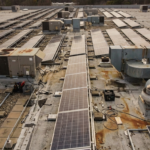
A commercial solar power purchase agreement (PPA) is a financial contract where a developer installs solar panels on your building, and you agree to buy the electricity they produce. You do not own the hardware, but you lock in a specific rate for the power.
Get a Number to Negotiate Against
A PPA rate is only a good deal if you know what an owned system would cost instead. Request a commercial quote for your building and compare the two paths side by side.
Disclosure: we may earn a commission if you switch or request a quote through this link, at no extra cost to you. It never changes which plan or company we recommend. How we make money.
Homeowners arriving from the residential side are usually comparing loans rather than PPAs. For that, see our detailed review of the Credit Human solar loan.
This arrangement allows a business to use solar energy without paying for the equipment upfront. The developer handles the installation and maintenance, while you simply pay a monthly bill based on the kilowatt-hours generated. It is a utility-style relationship applied to your own roof.
How a commercial solar PPA works
When you sign a PPA, a specialized solar developer evaluates your roof or property to determine how many panels it can support. They design the system, secure the local building permits, and pay for the entire physical installation. The developer retains full ownership of the equipment for the duration of the contract, which typically runs between ten and twenty-five years.
Once the system is turned on, the panels feed electricity directly into your building’s electrical panel. You pay the developer for every kilowatt-hour of electricity the system generates at a rate specified in your contract. This solar electricity replaces a large portion of the electricity you would normally buy from your local utility company.
Because you only pay for the power produced, the developer has a strong financial incentive to keep the system running efficiently. If the inverters break or the panels underperform, the developer loses money immediately. You avoid the maintenance costs and operational headaches associated with owning a commercial power plant.
How PPA pricing is structured
The core of a commercial solar PPA is the per-kilowatt-hour rate you agree to pay the developer. This base rate is generally set lower than your current utility rate to provide immediate operating savings. If your utility charges fifteen cents per kilowatt-hour, a developer might offer a PPA rate of twelve cents for the solar electricity.
Most commercial contracts include an annual escalator clause. This means the price you pay per kilowatt-hour will increase by a fixed percentage every year to account for inflation and natural panel degradation. A common escalator sits between one and three percent annually.
The financial success of your PPA depends heavily on how this escalator compares to the rising cost of utility power. If your utility rates rise by four percent a year, a PPA with a two percent escalator will save you considerably more money over time. If utility rates stay flat or drop, the escalator could eventually push your PPA rate higher than standard grid power.
Why businesses choose a PPA over buying outright
Purchasing a commercial solar array requires a significant capital investment that can easily reach hundreds of thousands of dollars. A PPA removes this barrier entirely by shifting the upfront costs to the developer. You preserve your business capital for your core operations while still benefiting from predictably lower energy costs.
Tax incentives play a major role in how these agreements are priced and structured. The federal government offers substantial tax credits and accelerated depreciation benefits for commercial solar installations. Since the developer owns the system, they claim these tax benefits directly on their own returns, then pass a portion of that financial value onto you in the form of a lower rate.
This structure is particularly useful for non-profits, private schools, or businesses without enough tax liability to use the federal solar investment tax credit themselves. By using a PPA, an entity that pays no federal taxes can still indirectly benefit from the federal incentives. The developer monetizes the tax credit and lowers the facility’s energy price accordingly.
Where the rules change by state
Commercial solar PPAs are not legal in every part of the country. State laws strictly govern whether a third party is allowed to sell electricity directly to a consumer. In states with heavily regulated electricity markets, the local utility often holds a legal monopoly on selling power to any building in its territory.
If your building is in a state that prohibits third-party sales, you cannot use a standard PPA. You will need to look into a commercial solar lease instead. A solar lease operates similarly in that the developer owns and maintains the equipment, but you pay a fixed monthly fee for the use of the hardware rather than paying for the specific electricity generated.
Net metering rules also vary significantly across state lines and individual utility territories. Net metering determines how you are compensated if your solar panels generate more power than your building is using at that exact moment. A favorable net metering policy makes a PPA much more valuable, while restrictive policies require you to size the system carefully so you consume everything it produces onsite.
What to negotiate in your PPA contract
A commercial PPA is a long-term real estate encumbrance and a major financial commitment for your business. The initial proposal from a solar developer is a starting point, not a final take-it-or-leave-it offer. You have significant room to negotiate the terms to better fit your operational cash flow.
The base rate and the escalator
The most obvious negotiation points are the starting price per kilowatt-hour and the annual escalator percentage. Developers can often lower the starting rate if you agree to a higher escalator, or they can offer a flat rate with no escalator if you accept a higher starting price. Model these scenarios against your historical utility bills to see which structure benefits your long-term cash flow.
You can also negotiate the total term length of the agreement. A longer term gives the developer more time to recover their initial capital investment, which usually results in a lower starting rate for you. A shorter term provides more operational flexibility but will typically cost more per kilowatt-hour.
Performance guarantees
While the developer is naturally motivated to keep the system running, you should still require a strict minimum performance guarantee in the contract. This clause states that the system will produce a specific amount of electricity each year. If production falls below that threshold due to equipment failure or poor maintenance, the developer must compensate you for the shortfall.
Ensure the contract clearly defines how this financial compensation is calculated. It should cover the exact difference between the agreed PPA rate and the higher utility rate you had to pay because the solar system underperformed.
Buyout options and end-of-term rules
Your business needs or property ownership may change long before a twenty-year contract expires. Negotiate early buyout options that allow you to purchase the system outright at specific milestones, such as year five, ten, or fifteen. The contract should clearly state the exact purchase price or the specific formula used to determine fair market value at those intervals.
You must also define exactly what happens when the PPA term ends. Most commercial contracts offer three choices: renew the agreement, buy the system at fair market value, or have the developer remove the equipment. Ensure the contract requires the developer to completely restore your commercial roof to its original watertight condition if they remove the panels.
How property sales affect a commercial PPA
Commercial buildings are frequently bought and sold, and a twenty-year power agreement will complicate that transaction. The PPA is tied to the property, meaning the contract must be addressed if you decide to sell your building.
When you sell the property, you generally have two main options for handling the existing solar contract. The most common route is to transfer the PPA to the new property owner. The buyer must review the contract, agree to the terms, and pass the developer’s credit check to assume the remaining payments.
If the new buyer refuses to take on the solar agreement, you will be forced to buy out the contract yourself before closing the sale. This requires paying the developer the fair market value of the system or the predetermined buyout fee listed in your agreement. Understanding these transfer rules before you sign is critical for maintaining the resale value of your commercial real estate.
How to compare a PPA against your current utility
Before signing a commercial solar PPA, you need a clear, mathematical understanding of what you currently pay for electricity. Look beyond the total amount due on your monthly bill and isolate your blended per-kilowatt-hour rate. This involves dividing your total energy charges by your total energy consumption, while carefully separating out fixed demand charges that a solar array may not offset.
A PPA typically only replaces the volumetric energy charges on your commercial power bill. Your business will still remain connected to the local grid, and you will still pay your utility for fixed connection fees and any power used at night. Calculating your true operating savings requires mapping the proposed solar production against your facility’s hourly energy use.
If your building is located in a deregulated electricity market, you have another major variable to consider. You can often lower your energy costs simply by switching your retail electricity provider, without installing any hardware on your roof. Before committing to a decades-long solar contract, take a moment to compare electricity plans in your area to ensure you are measuring the PPA against the best available grid rate.
PPA pricing only makes sense alongside the other commercial routes: how C-PACE financing works for building owners and commercial solar financing options for businesses. Either way, start by estimating the monthly payment.
Recent Posts
- Pennsylvania electricity supplier complaints: How to document, file, and resolve a billing dispute
- What happens when my electricity contract ends in Pennsylvania? A practical guide
- Pennsylvania electricity early termination fees: what to check before canceling your contract
- Power to Choose in Texas: How to compare electricity plans and rates
- How to read your Texas energy bill: A plain-English guide to every charge and fee