Standby Generator for Home: Texas Guide
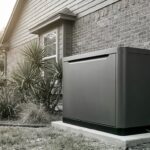
A standby generator for home use provides backup electricity when utility service fails. Texas homeowners started asking about this equipment seriously after recent winter storms and hurricane season outages left parts of the grid down for days. A generator does not fix an overpriced electricity plan or make a misleading rate transparent, though. At ChooseMyPower: Ranked by your bill, not our commission. We do not sell generators. We help Texans compare everyday plans against actual usage and the Electricity Facts Label (EFL).
Looking at Standby Generator Options for Your Texas Home?
Before you settle on a permanently installed system, see what a 4Patriots solar generator can cover. It is a simpler setup for keeping essential circuits powered during an outage.
Disclosure: we may earn a commission if you switch or request a quote through this link, at no extra cost to you. It never changes which plan or company we recommend. How we make money.
Plain English: A standby generator is outage equipment. An EFL is bill equipment. Review both, but do not confuse one for the other.
Standby Generator for Home: Start With the Job, Not the Product
A standby system is permanently installed. It can automatically start and transfer the home, or selected circuits, to generator power after a utility outage. That is different from a portable unit, which usually needs manual setup. A permanent installation can involve fuel supply, electrical work, an automatic transfer switch, equipment placement, permits, and inspections. It is not a DIY shortcut around an outage.
Start by defining the job: the loads needing backup, whether permanent work is allowed, and the fuel and electrical changes required. Then ask separately what the household pays for ordinary grid electricity.
| Question to settle | Why it matters | Evidence to review |
|---|---|---|
| Which loads need backup? | Essential-circuit backup and broader home backup are different projects. | A licensed electrician’s load assessment and recent bills. |
| Is permanent work allowed? | Renters normally cannot approve electrical or fuel-line changes. | The lease and written landlord approval. |
| What does the local authority require? | Permits, siting, and inspections are local. | Your building department and a qualified installer. |
| What does grid electricity cost? | Backup equipment does not replace the plan billed on normal days. | Current bills and the plan’s EFL. |
The last row is the costly one to miss. A homeowner can research a generator carefully, then leave a confusing retail electricity contract untouched for years. The generator is for the outage. The EFL is for the bill.
How to Size a Generator for Your Home
Sizing is not a guess. It starts with the electrical loads you actually want to keep running during an outage: the refrigerator, HVAC equipment, medical devices, a well pump, and anything else the household cannot go without. A licensed electrician turns that list into a load calculation, the technical step that determines what the generator needs to handle.
Essential-circuit backup, covering only the loads on that list, is a different project from whole-home backup, which covers everything on the property. Ask the installer to walk through both options and explain, in writing, which loads each one would and would not cover. Do not accept a verbal estimate of “enough power.” Ask for the load calculation itself.
A generator covers the outage, not the rate
Backup power protects you when the grid fails. It does nothing about what you pay the rest of the year. If your contract has quietly ended, that is the larger number of the two.
Available in Texas today. We earn a commission if you switch, at no extra cost to you, and it never changes which plan we show first.
What to Expect During Installation
A standby generator installation is a multi-step project, not a single delivery. Knowing the sequence helps you judge whether an installer’s quote and timeline are reasonable.
- A site assessment and load calculation, where the installer reviews your electrical panel, the loads you want backed up, and the site itself.
- A written quote and proposal that itemizes the generator unit, labor, the automatic transfer switch, and any anticipated permit fees as separate line items instead of one bundled number.
- Permitting through your local building authority, which varies by city, county, and utility territory.
- Site preparation, such as a pad or mounting surface for the unit.
- Placement of the generator and connection to a fuel source, typically an existing natural gas line or a liquid propane tank. Connecting to gas already run to the property is often the simpler path; a propane tank is its own separate project with its own siting rules.
- Electrical connection and installation of the automatic transfer switch, the device that detects a utility outage and switches the home’s electrical panel from grid power to the generator.
- A final inspection and test run before the system is considered complete.
Ask any installer to put each of these steps, and each cost component, in writing before you sign. A quote that will not break out the unit, the labor, the transfer switch, and permit costs separately is harder to compare against a second bid.
Standby vs. Portable Generator: Keep the Safety Rules Straight
A portable generator and a permanent standby system solve different problems. They also have different safety requirements. The U.S. Consumer Product Safety Commission (CPSC) says portable generators must never operate in a home, garage, basement, crawlspace, shed, or other enclosed space. CPSC says they should operate outdoors only, at least 20 feet from the house, with exhaust directed away from the home and other building entrances [1].
A standby unit needs siting that follows manufacturer instructions, applicable code, and local permit rules. Ask the installer to show clearances in writing. CPSC also recommends working smoke and carbon monoxide alarms on every level and outside sleeping areas [1].
| System type | Primary role | Do not assume |
|---|---|---|
| Portable generator | Temporary, manual backup for selected needs. | It is safe indoors, in a garage, or near an open window. [1] |
| Standby generator | Permanently installed, automated backup after an outage. | It avoids permits, fuel planning, licensed work, or siting rules. |
| Retail electricity plan | The contract for normal grid service. | A backup system changes the plan’s rate, fees, credits, or term. |
A Standby Generator Is Not a Bill Strategy
A backup-power project can make it easy to ignore the contract that drives ordinary electric bills. Your Texas plan may include an energy charge, a base charge, utility delivery charges, a contract term, and plan-specific credits or fees. The Public Utility Commission of Texas (PUCT) describes the EFL as the standardized document for comparing electricity prices and contract terms from competitive retail electric providers [2].
That is why a headline rate is not enough. “Your 9-cent plan is a marketing tactic.” Not every low rate is bad, but a rate is not a decision until it is tested against real kWh use and the full EFL.
Use the EFL Decoder before treating a plan as a background detail. It moves the comparison back to the contract document, not the search-page teaser.
| EFL item | What to ask | Why it matters here |
|---|---|---|
| Energy charge | Is it fixed, variable, or tiered by usage? | It applies when grid service is operating normally. |
| Base charge | Is there a monthly charge at lower usage? | A generator does not erase a contractual monthly charge. |
| TDU delivery charge | What delivery charges appear on the EFL? | They can affect the bill beyond a headline energy rate. |
| Usage condition or credit | Must your bill land in a narrow usage range? | A plan can look cheap until actual use misses the condition. |
| Term and exit fee | When does the contract end, and what happens if you switch early? | Renewal and move decisions need the full terms. |
Run the Teaser Test Before You Accept an Advertised Rate
The Teaser Test exposes the gap between a marketing rate and the bill a household is likely to receive. Read the EFL. Then ask whether the attractive number relies on an exact usage band, a bill credit, an introductory condition, or an easy-to-miss fee. If the answer is unclear, the plan is not ready to compare.
Pull several recent bills, note the kWh in each cycle, and set them beside the EFL. Any rate shift between lower- and higher-use months should be visible before a renewal or switch.
We read the EFL so you don’t have to. The work should still be inspectable: the plan document, the usage, and the calculation should line up.
Use the Real-Bill Ranking for the Electricity You Buy Every Day
The Real-Bill Ranking starts with usage on your actual bills, not the plan that pays the highest referral commission. It compares Texas plan terms with the service address, EFL details, and real kWh history. A generator may run during an outage, but it does not answer which plan is clearest or most suitable when the grid is up.
This workflow is for Texas electricity-plan shopping in competitive areas, not a national generator-installation service. Plan thresholds, credits, base fees, and delivery charges should be visible, not buried beneath a prominent rate.
Compare your bill, not a teaser: open the Texas electricity comparison tool and use the Real-Bill Ranking before you choose or renew a plan.
Four Texas Situations Where the Next Step Changes
The right next step depends on the household.
| Situation | Generator question | Electricity-plan question | Related guide |
|---|---|---|---|
| Moving into a home | Is a permitted installation a day-one need or a later project? | Is service ready by move-in day, and what does the EFL say? | Texas move-in electricity guide |
| Renting | Has the landlord approved permanent work in writing? | Who is responsible for starting or changing service? | How Texas electricity plans work |
| Renewing a fixed-rate plan | Is the generator project distracting from a renewal notice? | Does the new EFL fit your real usage pattern? | EFL guide |
| Adding solar or export equipment | How will the installer coordinate the proposed equipment? | Do the plan’s export terms match what you expect? | Solar buyback plan guide |
For a solar home, do not assume panels, an inverter, and a generator automatically work together during an outage. Ask the installer to explain the design and operating limits in writing. Renters should not authorize permanent work without written approval, and movers should not let a generator quote distract from arranging ordinary electric service on time.
Local Paperwork and a Clean Decision Trail
Texas does not have one universal generator-permit workflow. Start with the authority governing your address. League City, for example, directs applicants to its permit process and identifies a survey or site plan showing the proposed location and distances from property lines and easements as application material [3]. Your city, county, HOA, utility territory, or installer may require different steps.
Save the equipment proposal, installer license information, site plan, permit records, inspection results, manufacturer instructions, recent bills, and current EFL. That record keeps two decisions separate: whether the backup system fits the property and whether the electricity plan fits the bill.
A standby generator can be a sensible project for the right property. Define the loads you actually need backed up, confirm what your local authority requires, and use licensed professionals for the electrical and fuel work. Follow the manufacturer’s instructions, keep working smoke and carbon monoxide alarms in place, and review your everyday electricity contract against the EFL separately. None of this requires guesswork. It requires the documents that actually control the decision, kept in one place.
Frequently Asked Questions
Does a standby generator lower my normal electricity bill?
No. It provides backup power during an outage. Your normal bill remains governed by the retail electricity plan and its EFL when grid service is available. Review that bill separately with the EFL Decoder and the Real-Bill Ranking.
Do I need a permit for a standby generator in Texas?
The answer is local. Many jurisdictions require permits and inspections for permanent electrical and fuel-related work. Confirm the process for your address with the building authority and a qualified installer. League City’s generator process is one example that calls for location information and distances from property lines and easements [3].
Is a standby generator safer than a portable generator?
They are different systems with different safety requirements. A permanent unit needs correct siting, electrical work, and fuel connections. For portable generators, CPSC warns against indoor or enclosed-space use and says to keep them outdoors, away from the home, with exhaust directed away from entrances [1]. Follow the applicable instructions and local rules for any system.
What is an EFL, and why check it before buying a generator?
The EFL is the standardized Texas plan document that explains electricity prices and contract terms [2]. A generator project can absorb attention, but the EFL controls what you pay during normal grid service. Reviewing it keeps a backup-power project from becoming an excuse to ignore a misleading rate or unfavorable term.
How do I know what size standby generator I need?
Size comes from a load calculation, not a guess. List the essential appliances and equipment you want to keep running during an outage, then ask a licensed electrician to calculate the load. That calculation, not a general rule of thumb, should determine what an installer recommends.
What fuel types do standby generators use?
Most standby systems run on natural gas or liquid propane. If the property already has a natural gas line, connecting to it is usually simpler than installing a dedicated propane tank, which is its own project with separate siting and delivery considerations. Ask the installer which fuel options are available at your address.
What should a written generator quote include?
Ask for an itemized quote that separates the generator unit, labor, the automatic transfer switch, and any permit fees. A bundled, single-number quote is harder to compare against a second bid and harder to question if something changes mid-project.
Can a renter install a standby generator for home use?
A renter should not authorize permanent electrical, fuel, or structural work without written landlord approval and any required local permits. Start with the lease and ask the property owner how they want the request handled.
Portable option: Jackery solar generators
Standby units are the permanent option. A portable solar generator is the lower-commitment alternative for essential circuits.
See Jackery solar generatorsAffiliate link: we earn a commission if you buy through this link, at no extra cost to you. It does not affect what we recommend.
Portable option: Patriot Power Solar Generator 2500X
Standby units are the permanent option. A portable solar generator is the lower-commitment alternative for essential circuits.
Sources
Recent Posts
- Pennsylvania electricity supplier complaints: How to document, file, and resolve a billing dispute
- What happens when my electricity contract ends in Pennsylvania? A practical guide
- Pennsylvania electricity early termination fees: what to check before canceling your contract
- Power to Choose in Texas: How to compare electricity plans and rates
- How to read your Texas energy bill: A plain-English guide to every charge and fee