Whole House Generator Cost: What a Full Quote Includes
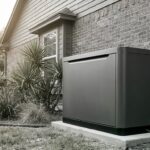
Whole house generator installation cost is not the number printed on the generator cabinet. A permanently installed standby system usually includes the unit, an automatic transfer switch, electrical work, fuel line work, a pad, permits, and inspections, and each of those pieces carries its own price. Generac says its average home standby generator installation costs range from $8,000 to $16,000, including the generator, system equipment and materials, and installation [1]. The Home Depot lists an average of $6,897 for air cooled generator installation and materials, and notes that a propane tank installation may add $5,000 to $8,000 [2]. Those are two different sellers quoting two different scopes. Do not average them together and expect the result to describe your project.
Comparing Costs Before You Commit to a Standby System?
A full standby generator installation adds up fast once you count the transfer switch, fuel line, and permits. A 4Patriots solar generator is a lower-cost option worth comparing for essential backup.
Disclosure: we may earn a commission if you switch or request a quote through this link, at no extra cost to you. It never changes which plan or company we recommend. How we make money.
What actually determines your price is the quote itself: whether it spells out every part of the job or leaves gaps you will not notice until the invoice arrives. That is the point of what we call the Teaser Test. A low headline number can be entirely real and still leave out the transfer switch, the fuel connection, a panel upgrade, trenching, the permit, or the inspection. A useful quote names what is included, what is not, and what could change once someone actually walks the property.
Key factors that change the price
Neither Generac nor The Home Depot publishes a formula for pricing an installation, but both name the same handful of variables. Generac lists generator placement, installation site requirements, fuel source and connection, and property restrictions among the topics its consultants cover during an in-home visit [1]. The Home Depot’s guide lists permits, location, hookup options, and site preparation as its own price factors [2]. Between the two, four variables show up repeatedly.
- Generator size. The unit is sized to the loads it needs to carry, and a larger unit costs more before a single wire is run.
- Fuel type and connection. Natural gas and propane both require piping and fittings, and propane may also involve tank work. The distance from the fuel source to the generator affects labor.
- Site conditions and distance. How far the generator sits from the electrical panel and the fuel source drives labor hours more than almost anything else in the job.
- Electrical work and permits. Whether the existing panel has room for the new circuit, and what the city requires before anyone can legally connect it, both show up in the estimate.
None of these variables have a single right answer. They are simply the questions a complete quote has to address by name rather than skip.
The five parts of a complete quote
A whole house generator quote should read like a small construction scope, not a single product receipt. The table below breaks out the line items worth comparing side by side.
| Quote component | What it covers | The question to put in writing |
|---|---|---|
| Generator unit | The standby generator and its rated output. | Which appliances or circuits is this unit intended to carry? |
| Automatic transfer switch | Equipment that moves the home from utility service to generator power during an outage. Generac describes its installation process as including a transfer switch next to the main breaker box [1]. | Is the transfer switch, its installation, and every required electrical connection included? |
| Electrical work | Panel work, conduit, wiring, disconnects, and any needed service changes. | Does the quote assume the existing panel has enough capacity? |
| Fuel connection | Natural gas or propane piping, fittings, regulators, and any tank work. | Does the price include the entire run from the source to the generator? |
| Site work and approvals | Pad, grading, trenching, permit fees, inspections, and utility coordination. | Which site conditions or approvals can add cost after the estimate? |
A lower quote is not automatically a better quote. It may reflect a shorter fuel run, a simpler electrical connection, or fewer selected loads. A higher quote is not automatically more complete either. Run the Teaser Test on each proposal: it should show the five parts, name the assumed site conditions, and list every allowance.
The Teaser Test: how to read a generator price without getting played
Start with the word installed. A generator only figure does not tell you what it takes to connect the system to your home. The product can be real while the project cost stays unknown until the quote adds the transfer switch, electrical labor, fuel work, site preparation, and local approvals.
Next, separate a selected load system from one designed to power every circuit in the house. Both can be the right choice for a given household. They are not the same scope. Ask the installer for the load list behind the phrase whole house. If air conditioning, an electric range, a well pump, an EV charger, or another large load is missing from that list, the quote may be sized for a narrower job than you assumed.
Then look at the site assumptions. Generac lists generator placement, installation site requirements, fuel source and connection, and property restrictions among the topics addressed during an in-home consultation [1]. The Home Depot also lists permits, location, hookup options, and site preparation among its price factors [2]. If an estimate says any of these items are subject to change, ask what condition would trigger that change and by how the price would move.
None of this assumes the installer is trying to cheat you. It just means holding every quote to the same standard. A quote that spells out its limits gives you something to check against. One that hides behind a single installed number gives you nothing.
Ongoing costs to ask about before you sign
A standby generator does not stop costing money once it is installed. We are not going to hand you a maintenance figure we cannot back up, but the questions are worth asking before you sign anything. Does the quote include a maintenance plan, or is service billed separately when it comes up? What does a typical service visit cover, oil, filters, a battery check, a load test? If the unit runs on propane, who owns the tank, and who is responsible for keeping it filled? If it runs on natural gas, does connecting a standby unit change how your utility bills that gas? None of these answers change what the installation itself costs, but they change what owning the system costs afterward, and a complete quote should say where that responsibility sits.
Sizing comes from your loads, not the square footage
Generator sizing is about which circuits and appliances you want running during an outage, not the size of your house. Your electric bill does not size the generator by itself, but reviewing it helps you identify the equipment that drives your usage, things like air conditioning, a well pump, an electric range, or an EV charger. Pull 12 months of bills or interval data if you have it, mark the months with the highest use, and bring that list to the consultation. An installer running a proper load calculation will ask for exactly this kind of detail before recommending a system size.
Permits and local approvals are part of the scope
A permanent standby generator installation is a local construction project, and requirements vary by city, county, and utility. The City of Georgetown, Texas is a useful example of what that paperwork can look like: its generator permit page requires a generator permit, addresses electrical and plumbing work under that same permit, and calls for a property survey, an electrical load analysis, generator and transfer equipment specifications, and gas piping information [3]. That is one city’s process, not a national standard, and it should not be treated as a checklist for your address.
Confirm before you sign: Who pulls the permit, you or the contractor? Which inspections are included in the quoted price? Does the price change if an inspector requires panel work that was not in the original scope? Are there setback, noise, HOA, or gas provider rules specific to your property? A written answer to each question makes a quote easier to compare and makes a later change order easier to challenge.
FAQs about whole house generator cost
Why do whole house generator quotes vary so much?
The installed scope can differ even when two quotes name the same generator model. Equipment, the transfer switch, electrical work, the fuel connection, placement, permits, and site conditions can all change the total. Generac names location and installation complexity as price factors, and The Home Depot names site preparation, permits, location, and hookup options [1] [2].
Does whole house mean every circuit will stay on?
Not necessarily. The label matters less than the written load list. Ask which circuits and major appliances the proposed system is actually designed to support, then compare that list against what you need during an outage.
How much generator do I need for my house?
Square footage alone will not answer that. Sizing comes from a load calculation, a list of the specific circuits and appliances you want powered, built by the installer from your usage data and your priorities. Two houses of the same size can need very different systems depending on whether the owner wants central air and a range running or just the essentials.
What fuel types do whole house generators use?
The most common connections are natural gas and propane. The fuel line, fittings, and any tank work are part of the installation scope rather than the generator’s sticker price. Ask which fuel source your quote assumes and whether it includes the entire run from that source to the generator.
Can a portable generator replace a permanently installed standby system?
It is a different category of backup. A portable generator requires manual setup and has its own safety rules. The U.S. Consumer Product Safety Commission says portable generators must never be used inside a home or garage, and must be operated outdoors at least 20 feet from the home with the exhaust facing away [4].
Do permits affect whole house generator cost?
They can affect both scope and schedule. Georgetown’s published process is one example: it includes permit, electrical, plumbing, site plan, load analysis, and gas piping requirements [3]. Check your own city, utility, HOA, and installer instead of assuming that example applies where you live.
Will a whole house generator lower my electric bill?
No. A standby generator is backup equipment, not a way to reduce your regular utility costs. It does not replace the separate task of reviewing your electricity rate and delivery charges on their own terms.
Compare the Bill You Pay Every Month
Your electricity plan is a separate decision from your generator, and it is worth checking on its own terms. In Texas retail-choice areas, every plan comes with an Electricity Facts Label, or EFL, which sets out the price and contract terms in a standard format [5]. Reading it at your own usage level, instead of judging a plan by one advertised rate, is what the tools below are for.
Before you commit to an installation contract, run the Teaser Test on the generator quote and the EFL Decoder on your electricity plan. If your address is in a Texas retail-choice area, enter your ZIP code and monthly kWh in the ChooseMyPower comparison tool to compare live plans using the Real-Bill Ranking.
Portable option: Jackery solar generators
Before committing to a full standby quote, it is worth pricing what a portable solar generator covers for a fraction of the cost.
See Jackery solar generatorsAffiliate link: we earn a commission if you buy through this link, at no extra cost to you. It does not affect what we recommend.
Portable option: Patriot Power Solar Generator 2500X
Before committing to a full standby quote, it is worth pricing what a portable solar generator covers for a fraction of the cost.
Sources
Recent Posts
- Pennsylvania electricity supplier complaints: How to document, file, and resolve a billing dispute
- What happens when my electricity contract ends in Pennsylvania? A practical guide
- Pennsylvania electricity early termination fees: what to check before canceling your contract
- Power to Choose in Texas: How to compare electricity plans and rates
- How to read your Texas energy bill: A plain-English guide to every charge and fee