Solar Savings Calculator for Estimating Home Energy Savings

Installing solar panels is no longer something reserved only for luxury homes or environmentally focused households. More homeowners are now seriously considering solar energy because electricity prices continue to rise year after year. Utility bills can quietly drain a household budget, especially during hotter months when air conditioners work nonstop or during colder seasons when heating systems consume more power than expected.
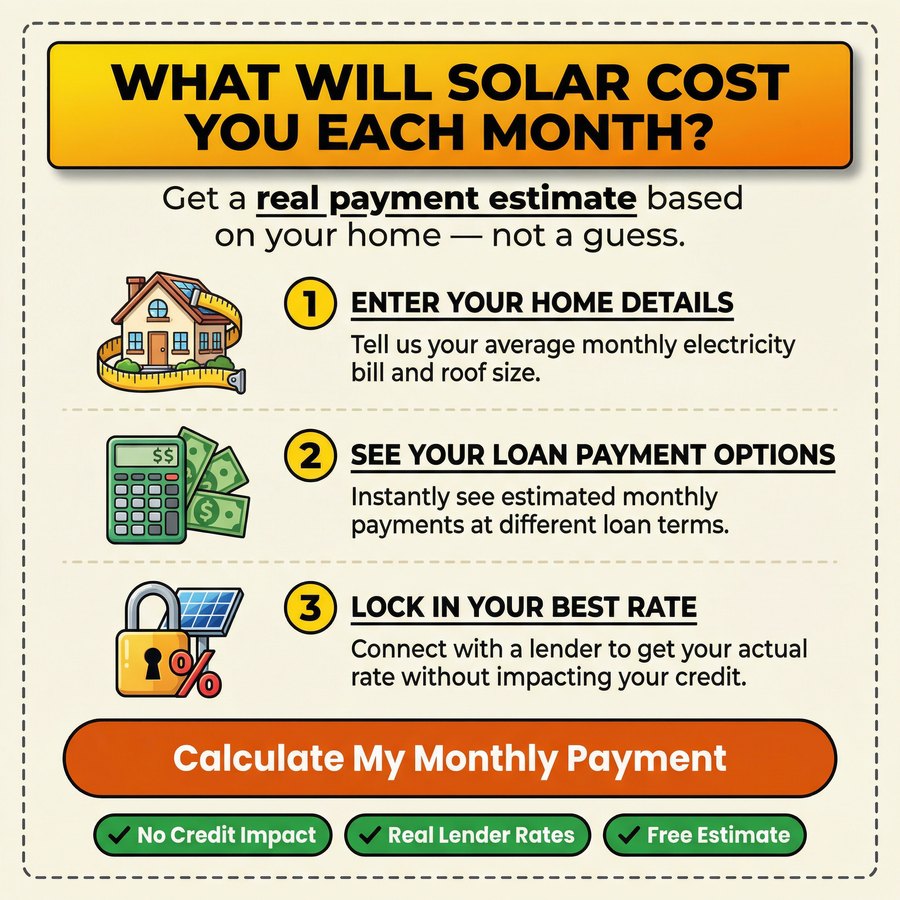
Before committing to solar energy, most people want clear answers. They want to know how much they could realistically save, how long it would take to recover installation costs, and whether solar panels would actually make a difference for their specific home. That is exactly why solar savings calculators have become such valuable tools.
A solar savings calculator helps homeowners estimate potential reductions in electricity expenses by analyzing household energy usage, regional sunlight exposure, and projected solar panel performance. Instead of relying on assumptions or sales pitches, homeowners can use data-driven estimates to understand how solar energy may affect their finances over time.
Many people are surprised by how much electricity their home consumes once they begin entering information into these calculators. Everyday appliances such as refrigerators, televisions, air conditioners, gaming systems, computers, water heaters, and laundry machines all contribute to monthly power usage. Even devices left plugged in continuously can increase electricity consumption more than expected.
Solar calculators simplify the process by converting all that information into understandable projections.
Most calculators ask for details such as:
• Average monthly electricity bill
• Household energy consumption
• Geographic location
• Roof size
• Roof direction
• Local utility rates
• Average sunlight exposure
After processing the data, the calculator estimates how much energy a solar system could generate and how much money the homeowner might save annually and over the system’s lifespan.
For homeowners who feel overwhelmed by solar terminology, calculators provide an easier starting point. Instead of jumping directly into complicated technical discussions about wattage, inverters, battery systems, or installation requirements, people can first focus on what matters most to them: savings.
One of the biggest reasons these tools are so valuable is personalization. Every home is different. A household with high energy usage may benefit from a larger solar setup, while a smaller household with efficient appliances may need fewer panels to offset electricity costs. Local weather patterns also play a major role in solar performance.
A home located in a sunny climate will generally produce more solar energy than a home in an area with heavy rainfall or long winters. Solar calculators help account for those regional differences so estimates feel more realistic.
Another reason calculators are becoming increasingly popular is transparency. In the past, homeowners often relied entirely on sales representatives for solar estimates. Today, calculators allow people to research independently before speaking with installers.
This creates a more informed customer experience.
Some calculators even estimate environmental benefits by showing potential reductions in carbon emissions. For homeowners interested in sustainable living, seeing the environmental impact alongside financial savings can strengthen interest in renewable energy solutions.
Many modern calculators also include battery storage projections. This feature helps homeowners understand how much stored electricity they may have available during nighttime hours or power outages.
Although calculators provide valuable estimates, homeowners should still remember that projections are not guarantees. Actual savings depend on multiple factors, including:
• Weather conditions
• Roof shading
• Panel quality
• Installation workmanship
• Household energy habits
• Future electricity prices
Still, despite these variables, solar savings calculators remain one of the most useful tools for homeowners beginning their solar energy journey.
How Solar Savings Calculators Estimate Energy and Financial Benefits
At first glance, solar savings calculators may seem simple, but they actually perform several important calculations behind the scenes. Their primary purpose is to compare current utility expenses against potential savings generated by a solar energy system.
The process usually begins with electricity usage.
Most calculators ask homeowners to enter their monthly electric bill because it serves as a quick estimate of household energy consumption. Some calculators also allow users to input kilowatt-hour usage directly from utility statements for improved accuracy.
This information is important because solar systems must be designed around actual energy demand.
A household that consumes large amounts of electricity due to multiple air conditioning systems, electric appliances, or home office equipment will generally require a larger solar installation than a household with lower energy consumption.
Location is another major factor in the calculation process.
Solar panels generate electricity from sunlight, which means regional solar exposure significantly affects system performance. Homes located in areas with longer sunlight hours and stronger solar irradiance typically generate more electricity throughout the year.
That is why two similar homes can experience very different solar savings depending on where they are located.
Roof characteristics also influence solar efficiency.
Calculators may request information regarding:
• Roof angle
• Roof orientation
• Available roof space
• Nearby tree coverage
• Potential shading issues
A roof that receives direct sunlight for most of the day will usually support better energy production than one heavily shaded by buildings or trees.
Once the calculator gathers enough information, it estimates the ideal solar system size for the home. This estimate is commonly measured in kilowatts.
The next step involves energy production forecasting.
Using regional sunlight data and estimated panel efficiency, the calculator predicts how much electricity the solar system could generate annually. This projected energy production is then compared against the household’s electricity consumption.
The greater the solar offset, the larger the projected savings.
Some calculators also factor in net metering programs. Net metering allows homeowners to send excess electricity back to the utility grid in exchange for credits. During especially sunny days, homeowners may generate more electricity than they use, reducing future electricity bills.
Installation cost estimates are another important part of the calculation process.
These estimates may include:
• Solar panel costs
• Inverter costs
• Installation labor
• Permits
• Electrical upgrades
• Battery storage systems
After comparing installation costs with projected utility savings, the calculator estimates the system’s payback period.
This refers to how long it may take for energy savings to recover the original investment cost. Depending on local electricity prices and solar system performance, some homeowners may recover costs within several years, while others may take longer.

Many calculators also estimate long-term savings over 20 to 25 years, which is often close to the expected lifespan of modern solar panels.
Here is an example of a typical solar savings estimate:
|
Factor |
Example Estimate |
|
Monthly Electric Bill |
$180 |
|
Annual Electricity Usage |
12,000 kWh |
|
Estimated Solar System Size |
8 kW |
|
Estimated Installation Cost |
$18,000 |
|
Estimated Annual Savings |
$2,100 |
|
Estimated Payback Period |
8.5 Years |
|
Estimated 25-Year Savings |
$40,000+ |
These projections help homeowners understand whether solar energy aligns with their financial goals and long-term household plans.
Common Mistakes Homeowners Make When Using Solar Savings Calculators
Although solar savings calculators are extremely useful, many homeowners misunderstand how to interpret the results. Unrealistic expectations can create confusion later in the decision-making process.
One common mistake is assuming the estimate is guaranteed.
Solar calculators provide projections based on available information and average performance assumptions. Real-world conditions can affect actual results over time.
Weather patterns, equipment aging, energy consumption changes, and future utility pricing can all influence long-term savings.
Another mistake involves ignoring roof condition.
Installing solar panels on an aging roof can become expensive if roof repairs are needed after installation. Homeowners should evaluate roof lifespan before committing to a solar project.
Shading is another issue people often underestimate.
Even partial shading from nearby trees or buildings can reduce panel efficiency significantly. In some solar setups, one shaded panel may affect the performance of surrounding panels.
Battery misunderstandings are also common.
Many homeowners assume solar panels automatically provide electricity during blackouts. However, most grid-connected systems shut down during outages unless battery storage systems are installed.
Understanding this difference is important when evaluating solar energy for emergency preparedness.
Some homeowners also provide incomplete electricity data.
Using only one month of utility information may not accurately reflect annual energy usage. Seasonal changes can dramatically alter electricity consumption.
For example:
• Air conditioning may increase summer electricity usage
• Electric heaters may raise winter energy costs
• Holiday lighting may increase seasonal consumption
• Remote work setups may increase daytime electricity use
Using a full year of electricity data generally improves estimate accuracy.
Financial misunderstandings can also create problems.
Some homeowners focus only on monthly loan payments instead of examining total lifetime costs and projected savings. Financing options can make solar more affordable upfront, but interest rates still affect long-term financial outcomes.
Homeowners should carefully compare:
• Total financing cost
• Expected lifetime savings
• Loan interest rates
• Equipment warranties
• Maintenance expenses
Another overlooked factor is panel degradation.
Solar panels slowly lose efficiency over time. Most high-quality panels continue performing effectively for decades, but annual energy production typically declines slightly each year.
Many reliable calculators include degradation estimates in long-term projections.
People also forget that lifestyle changes may alter solar economics.
Future changes such as purchasing electric vehicles, upgrading appliances, or expanding living space can increase household electricity demand. These changes may affect how well the solar system offsets utility costs.
Lastly, some homeowners prioritize the cheapest installation quote without considering installer reputation or equipment quality.
A poorly installed system may experience reduced efficiency, roof damage, or expensive repair issues later. Installation quality matters just as much as the projected savings themselves.
Making Smarter Decisions After Receiving a Solar Savings Estimate
Once homeowners receive a solar savings estimate, the next step is using the information wisely. The calculator should serve as a planning tool rather than the final deciding factor.
One of the smartest approaches is comparing multiple estimates from different providers. Different solar companies may use slightly different assumptions regarding panel efficiency, utility inflation, or system sizing.
Reviewing multiple projections provides a more balanced perspective.
Homeowners should also evaluate whether their home is energy efficient before installing solar panels. Reducing electricity waste can lower the required solar system size and reduce installation costs.
Useful efficiency improvements may include:
• Switching to LED lighting
• Installing smart thermostats
• Upgrading insulation
• Using energy-efficient appliances
• Sealing air leaks around windows and doors
• Maintaining HVAC systems regularly
Improving energy efficiency first often improves overall solar savings.
Utility policies should also be researched carefully.
Net metering programs, electricity rates, and solar incentives vary by location. These factors strongly influence long-term financial returns.
Homeowners should also understand the different solar financing structures available.
Common options include:
• Purchasing the system outright
• Financing through loans
• Leasing the system
• Power purchase agreements
Buying the system outright generally produces the highest lifetime savings because there are no interest payments involved. However, financing may still provide strong long-term value for homeowners who prefer lower upfront costs.
Battery storage should also be evaluated realistically.
Although batteries increase installation expenses, they may provide valuable backup power during outages and improve energy independence.
Modern solar systems often include monitoring apps that help homeowners track:
• Energy production
• Household consumption
• Grid electricity usage
• Battery charge levels
• System efficiency
These monitoring tools help homeowners maximize savings while identifying performance issues early.
Solar energy may also improve property appeal in some housing markets. Buyers interested in lower utility costs and sustainable living often view solar-equipped homes favorably.
Ultimately, a solar savings calculator is not just about predicting lower electric bills. It is about helping homeowners make informed decisions regarding long-term energy planning, household budgeting, and energy independence.
When used properly, these calculators provide a practical starting point for understanding whether solar energy is the right investment for a specific home and lifestyle.