Solar Comparison Guide for Choosing the Right Solar Company

Compare Companies With Real Quotes
This guide covers what to look for. The next step is requesting quotes from solar companies so you can compare real offers.
Disclosure: we may earn a commission if you switch or request a quote through this link, at no extra cost to you. It never changes which plan or company we recommend. How we make money.
Choosing a solar company is one of the most important decisions homeowners make during the switch to solar energy. The quality of the installer can affect system performance, long-term savings, warranty support, and even roof safety. In many cases, the installer matters just as much as the equipment itself.
In 2026, the residential solar market is more competitive than ever. Homeowners now have access to national installers, regional solar providers, local contractors, and online solar marketplaces. While more competition creates better choices, it also makes comparing companies more complicated.
Some solar companies focus on premium systems with advanced battery integration. Others compete mainly on lower pricing. Some provide excellent customer support, while others rely heavily on subcontractors and high-pressure sales tactics.
The best solar company is not automatically the biggest or the cheapest. The right choice depends on the homeowner’s goals, property conditions, budget, and expectations.
A proper comparison process helps homeowners:
- Avoid overpriced systems
- Reduce installation risks
- Improve long-term savings
- Get better warranty support
- Prevent hidden costs
- Choose reliable equipment
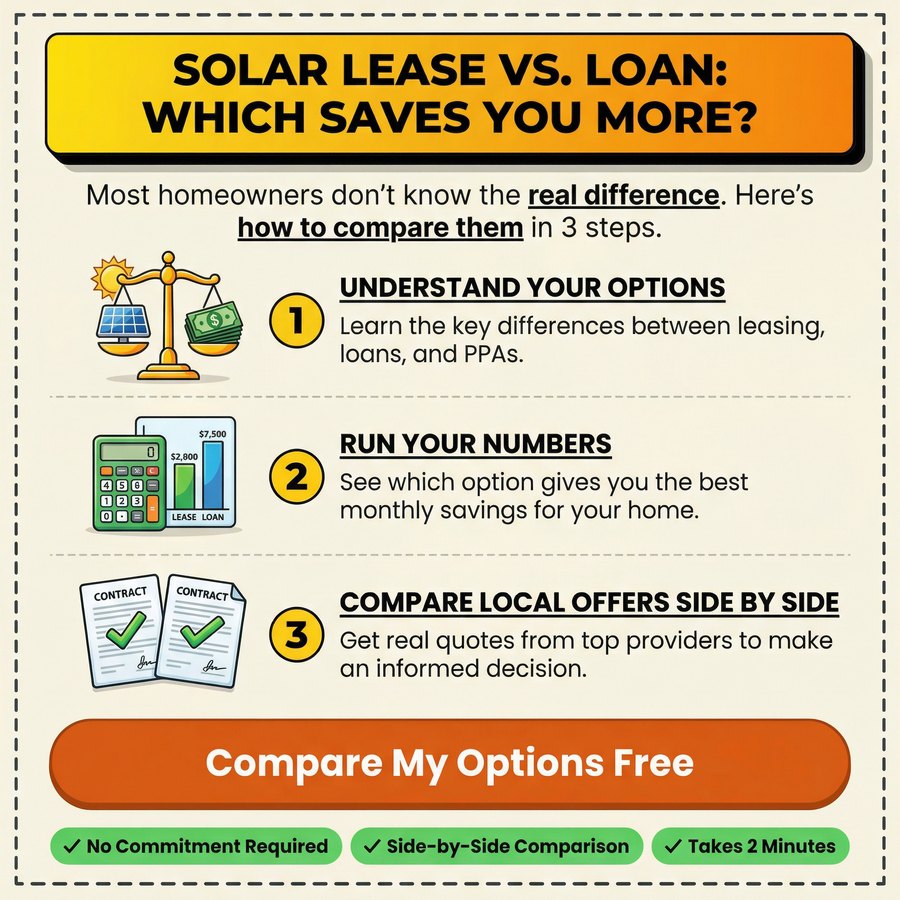
Before signing any agreement, homeowners should carefully compare installers using both technical and customer service factors.
Understanding the Different Types of Solar Companies
Not all solar companies operate the same way. Some handle every part of the process internally, while others outsource installation work to third-party contractors.
Understanding company structure can help homeowners know what to expect.
Here are the most common types of residential solar providers:
| Solar Company Type | Typical Characteristics |
| National installers | Large operations with standardized processes |
| Regional installers | Strong local market experience |
| Local contractors | Personalized service and flexibility |
| Online solar marketplaces | Multiple quote comparison platforms |
| Roofing and solar companies | Combined roof and solar services |
National solar companies often provide streamlined systems and financing options. They may also have stronger brand recognition and larger support teams.
However, some homeowners report challenges such as:
- Slower customer service
- Longer scheduling times
- Less personalized communication
- Heavy use of subcontractors
Regional and local installers sometimes provide more customized support and stronger knowledge of local utility rules, permitting requirements, and weather conditions.
Local installers may also offer:
- Faster service response
- Direct communication with technicians
- More flexible installation designs
- Better local reputation accountability
Homeowners should ask whether installation crews are:
- In-house employees
- Licensed subcontractors
- Temporary labor teams
This matters because installation quality directly affects system safety and long-term reliability.
Some companies specialize in premium solar and battery systems, while others focus on budget-friendly installations.
Before comparing quotes, homeowners should clearly identify their priorities such as:
- Lowest cost
- Premium equipment
- Battery backup
- Fast installation
- Long-term warranty support
- Smart energy management
Knowing these priorities helps narrow the search more effectively.
Comparing Solar Quotes the Right Way
One of the biggest mistakes homeowners make is comparing solar quotes based only on total price.
Two systems with similar pricing can differ significantly in:
- Panel quality
- Inverter technology
- Installation methods
- Warranty coverage
- Production estimates
- Battery compatibility
A proper comparison should evaluate the entire system.
Here are some important quote comparison categories:
| Comparison Factor | Why It Matters |
| System size | Determines energy production |
| Panel efficiency | Impacts roof space usage |
| Inverter type | Affects performance and monitoring |
| Warranty length | Protects long-term investment |
| Estimated production | Impacts savings potential |
| Installation timeline | Affects project completion |
| Financing terms | Influences total cost |
Homeowners should request detailed proposals rather than simple sales summaries.
A quality solar proposal usually includes:
- Equipment specifications
- Estimated yearly energy production
- Roof layout design
- Utility savings estimates
- Warranty information
- Payment breakdown
- Permit responsibilities
Production estimates are especially important.
Some companies intentionally provide overly optimistic savings projections to make systems appear more attractive.
Homeowners should ask:
- What assumptions were used?
- Were shading conditions included?
- Are seasonal weather changes considered?
- What utility rate increases were assumed?
Realistic projections are more valuable than aggressive sales promises.
Another important factor is inverter selection.
Common residential inverter options include:
- String inverters
- Microinverters
- Hybrid inverters
Microinverters are popular for homes with shading or complex roof layouts because each panel operates independently.
String inverters may cost less but can experience reduced performance if one panel becomes shaded.
Hybrid inverters are useful for battery-ready systems because they support future energy storage integration.
Homeowners should also evaluate system monitoring tools.
Modern systems often include smartphone apps that track:
- Energy production
- Household usage
- Battery charging
- Grid interaction
- Historical system performance
Strong monitoring systems help homeowners identify performance issues early.
Questions Every Homeowner Should Ask a Solar Company

Sales presentations can sometimes focus heavily on savings while avoiding important technical details.
Asking the right questions helps homeowners identify trustworthy companies.
Before signing a contract, homeowners should ask:
- How long has the company operated?
- Are installers licensed and insured?
- Is installation handled in-house?
- What equipment brands are used?
- What happens if equipment fails?
- How are warranty claims handled?
- What local permits are required?
- Is battery expansion possible later?
Here is a useful company evaluation table:
| Question Area | What to Look For |
| Experience | Proven installation history |
| Licensing | Proper certifications and insurance |
| Equipment quality | Tier-one manufacturers |
| Warranty support | Clear long-term coverage |
| Communication | Fast and transparent responses |
| Reviews | Consistent customer satisfaction |
| Service availability | Local support presence |
Online reviews can help, but homeowners should read carefully.
Every company receives occasional complaints, but repeated issues involving:
- Poor communication
- Delayed installations
- Roof damage
- Warranty disputes
- Hidden charges
can indicate larger problems.
Homeowners should also be cautious of:
- Extremely aggressive sales tactics
- Pressure to sign immediately
- Unrealistic savings claims
- “Free solar” advertising
- Verbal promises not included in contracts
A professional solar company should explain both advantages and limitations honestly.
Another important topic is roof responsibility.
Homeowners should ask:
- Who handles roof penetrations?
- What leak protection methods are used?
- Is roof damage covered?
- Will roof inspections occur before installation?
Roof quality plays a major role in long-term system safety.
Some companies now offer roofing and solar together, which can simplify projects for homes needing roof replacement before installation.
Battery integration is another growing consideration in 2026.
Even if homeowners are not adding batteries immediately, they should ask whether the system supports future upgrades.
Battery-ready systems may require:
- Hybrid inverter compatibility
- Additional electrical planning
- Smart panel integration
- Backup load management
Preparing for future expansion can save money later.
Understanding Solar Financing and Contracts
Solar financing has become more flexible, but contract terms vary significantly between companies.
Understanding financing details is critical before committing to a system.
Common solar payment options include:
| Financing Option | Main Advantage |
| Cash purchase | Highest long-term savings |
| Solar loan | Lower upfront cost |
| Lease agreement | Minimal initial expense |
| Power purchase agreement | Predictable monthly payments |
Cash purchases usually produce the best lifetime financial return because homeowners fully own the system immediately.
Solar loans spread costs over time while still allowing ownership benefits.
Leases and power purchase agreements reduce upfront costs but may limit long-term savings because the solar provider retains ownership.
Homeowners should carefully review financing terms including:
- Interest rates
- Escalator clauses
- Transfer conditions during home sale
- Early payoff penalties
- Warranty responsibilities
Some financing agreements include annual payment increases that reduce future savings.
Contracts should also clearly explain:
- Installation timelines
- Cancellation terms
- Estimated energy production
- Utility interconnection process
- Equipment ownership
One common mistake is assuming all maintenance is included automatically.
Homeowners should confirm:
- Who handles equipment failures?
- Is monitoring included?
- Are service calls covered?
- What labor warranties exist?
Transparent contracts usually indicate more professional companies.
Final Tips for Choosing the Right Solar Company
The best solar company is not simply the cheapest or most heavily advertised option. The ideal installer balances quality equipment, fair pricing, strong communication, and reliable long-term support.
Homeowners should compare at least three solar proposals before making a decision.
This helps identify:
- Unrealistic pricing
- Inflated savings claims
- Equipment differences
- Financing variations
A strong solar company usually demonstrates:
- Clear communication
- Honest expectations
- Technical knowledge
- Transparent contracts
- Proven installation experience
Here is a simplified final comparison checklist:
| Final Decision Factor | Why It Matters |
| Installer reputation | Reduces project risk |
| Equipment quality | Improves system lifespan |
| Warranty support | Protects investment |
| Realistic production estimates | Prevents disappointment |
| Financing clarity | Avoids hidden costs |
| Customer service | Improves overall experience |
Homeowners should also trust the quality of communication during the sales process.
Companies that avoid questions, rush decisions, or provide vague answers may create larger problems later.
Solar systems are long-term investments expected to operate for decades. Choosing the right installer can influence energy savings, system reliability, and overall homeowner satisfaction for many years.
In 2026, residential solar is more advanced and accessible than ever before, but careful comparison remains essential. The homeowners who benefit most are usually the ones who take time to evaluate companies carefully instead of rushing into the first offer they receive.
A well-designed solar system installed by a reliable company can provide decades of lower electricity costs, improved energy independence, and long-term value for the home.
Skip the guesswork, get quotes to compare
The fastest way to choose the right company is to see what a few of them would actually charge. If you own your home, have a bill above $150 a month, and get decent sun, a quote request takes a couple of minutes.
Recent Posts
- Month-to-month electricity with no deposit and no prepaid plan: how to compare options
- How to switch electricity providers: A step-by-step guide to comparing plans
- Same-day electricity no deposit: How to compare plans and check eligibility
- Pennsylvania electricity supplier complaints: How to document, file, and resolve a billing dispute
- What happens when my electricity contract ends in Pennsylvania? A practical guide