Solar Panel Savings and Return on Investment Explained

One of the biggest reasons homeowners install solar panels is simple. They want to save money on electricity. While environmental benefits matter to many people, the financial side of solar energy is usually what drives the final decision.
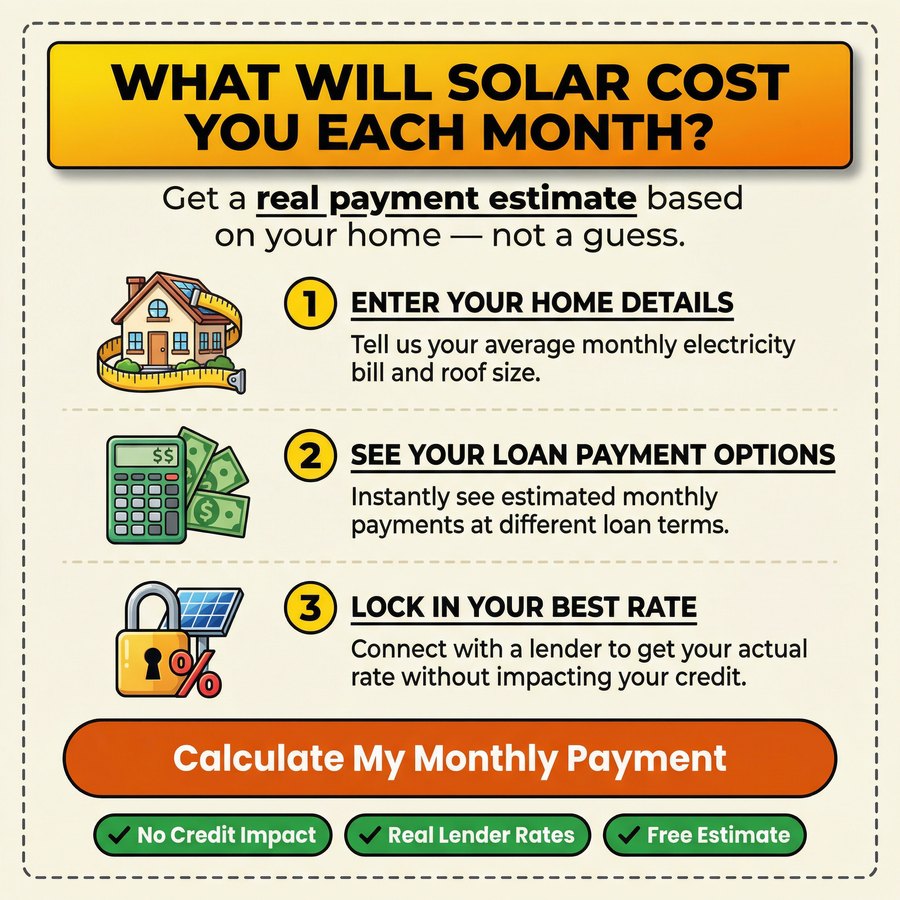
In 2026, residential solar systems are more efficient and more affordable than they were just a few years ago. At the same time, electricity prices continue rising in many regions, making solar energy increasingly attractive for long-term savings.
Still, many homeowners ask the same question before investing in a system:
“Will solar panels actually save me money?”
The short answer is yes for most households, but the amount of savings depends on several important factors. Solar savings are not identical for every home. Some homeowners recover their investment much faster than others.
Understanding return on investment, commonly called ROI, helps homeowners make smarter decisions before signing a solar contract.
How Solar Panel Savings Actually Work
Solar panel savings come from reducing the amount of electricity purchased from the utility company. When solar panels generate electricity during the day, the home uses that energy instead of pulling power from the grid.
If the system produces extra electricity, many utility companies offer credits through programs called net metering or energy buyback systems.
Over time, these electricity savings can become substantial.
Here is a simple example of how solar savings work:
|
Monthly Electricity Bill |
Estimated Solar Offset |
New Monthly Bill |
|
$250 |
80% |
$50 |
|
$180 |
70% |
$54 |
|
$320 |
90% |
$32 |
The higher a household’s electricity usage, the larger the potential savings from solar panels.
Homes with:
- Air conditioning
- Electric vehicles
- Home offices
- Large families
- Pool systems
- Electric appliances
usually see stronger financial benefits from solar energy because they consume more electricity daily.
Solar systems work best when energy production matches household usage patterns. For example, homes that use a lot of electricity during daylight hours often maximize savings faster because they consume solar power directly instead of buying from the grid.
Another important factor is local electricity rates. Areas with expensive utility prices usually provide faster solar payback periods.
Homeowners should also understand that solar savings increase over time. Utility prices historically rise over the years, while solar panels continue producing energy at little ongoing cost.
This creates a compounding financial advantage.
For example:
|
Year |
Utility Electricity Cost Without Solar |
Estimated Cost With Solar |
|
2026 |
$2,400 |
$600 |
|
2030 |
$2,900 |
$650 |
|
2035 |
$3,600 |
$700 |
As utility rates increase, the value of solar energy production also increases.
This is one reason many homeowners see solar as protection against future energy price inflation.
Understanding Solar Panel Return on Investment
Return on investment measures how long it takes for solar savings to recover the original installation cost.
A solar system is similar to a long-term investment. Homeowners spend money upfront and recover that cost gradually through lower electricity bills.
A basic ROI calculation looks like this:
|
Solar System Cost |
Annual Savings |
Estimated Payback Period |
|
$12,000 |
$1,500 |
8 years |
|
$18,000 |
$2,400 |
7.5 years |
|
$25,000 |
$3,000 |
8.3 years |
Once the system reaches the payback point, future electricity savings become financial gain.
Modern solar panels often last 25 to 30 years or longer. This means many homeowners continue benefiting from reduced electricity costs long after recovering the original investment.
Several factors affect ROI:
- System purchase price
- Local electricity costs
- Sunlight availability
- Roof orientation
- Incentives and rebates
- Financing structure
- Electricity usage habits
Solar incentives can significantly improve ROI by reducing upfront costs.
Some homeowners receive:
- Tax credits
- Local rebates
- Utility incentives
- Net metering benefits
- Low-interest financing programs
These programs can shorten the payback period by several years.
Roof quality also affects return on investment. Installing solar on an aging roof that soon requires replacement may create unnecessary extra costs later.
Many installers recommend addressing roof repairs before solar installation if the roof has limited remaining lifespan.
Another important point is system sizing. Oversized systems may cost more upfront without delivering proportional savings.
Undersized systems may reduce electricity bills but fail to maximize long-term financial benefits.
A properly sized system balances:
- Household electricity consumption
- Roof capacity
- Budget goals
- Future energy needs
Future planning matters too. Families expecting to buy electric vehicles or switch to electric appliances may benefit from slightly larger systems.
Factors That Affect Solar Savings the Most
Not all solar systems perform equally. Some households achieve excellent returns while others experience slower savings growth.
One of the biggest factors is sunlight exposure.
Homes with strong direct sunlight usually generate more electricity than shaded properties. Trees, nearby buildings, roof angles, and local weather patterns all influence production levels.
Here are some major factors that impact solar performance and savings:

|
Factor |
Impact on Savings |
|
Roof direction |
Affects sunlight exposure |
|
Shading |
Reduces energy production |
|
Climate |
Influences yearly output |
|
Panel quality |
Impacts efficiency |
|
Inverter quality |
Affects system performance |
|
Electricity rates |
Determines financial savings |
|
Maintenance |
Helps maintain production |
South-facing roofs in many regions generally produce the strongest solar output. However, east-west systems can still deliver excellent performance depending on local conditions.
Panel efficiency also matters, especially for homes with limited roof space. Higher efficiency panels generate more electricity from smaller areas.
Still, the highest efficiency panels are not always the best financial choice. Mid-range systems sometimes provide better overall value depending on pricing.
Maintenance costs for solar systems are usually low, but homeowners should still consider:
- Occasional cleaning
- Inverter replacement over time
- Monitoring system maintenance
- Roof inspections
Fortunately, modern solar panels are very durable. Most systems require minimal ongoing maintenance when installed correctly.
Battery storage is another factor affecting savings calculations.
Adding batteries increases upfront costs but may provide advantages such as:
- Backup power during outages
- Reduced peak electricity charges
- Greater energy independence
- Better nighttime energy usage
Whether batteries improve ROI depends heavily on local electricity pricing structures and outage frequency.
Some homeowners prioritize energy security over purely financial returns.
Common Misunderstandings About Solar ROI
Many misconceptions still surround solar panel savings. Some homeowners expect unrealistically fast profits, while others underestimate the long-term value of solar energy.
One common misunderstanding is believing solar eliminates all electricity bills.
In reality, most homes still maintain a utility connection. Utility fees, seasonal usage changes, and nighttime electricity consumption can still create monthly charges.
Another misunderstanding is focusing only on short-term savings.
Solar panels are designed as long-term investments. The strongest financial benefits usually appear over many years rather than within the first few months.
Some homeowners also assume all solar quotes are comparable.
Two systems may appear similar but differ greatly in:
- Equipment quality
- Warranty coverage
- Installer experience
- Production estimates
- Inverter technology
Cheaper systems sometimes use lower-quality components that reduce long-term performance.
Financing structure can also affect perceived savings.
For example:
|
Payment Method |
Upfront Cost |
Long-Term Savings Potential |
|
Cash purchase |
Higher |
Highest |
|
Solar loan |
Moderate |
Strong |
|
Lease agreement |
Lower |
Limited |
|
Power purchase agreement |
Very low |
Moderate |
Cash purchases usually provide the best lifetime financial return because there are no financing costs.
However, loans can still produce positive monthly cash flow if electricity savings exceed loan payments.
Leases and power purchase agreements may reduce upfront costs but often limit total long-term savings because a third party owns the equipment.
Another misconception is assuming solar panels immediately increase home value by the full installation cost.
While solar can improve property value, the increase depends on:
- Local housing market
- System ownership structure
- Electricity rates
- Buyer demand
- System age
Owned solar systems generally provide stronger resale value than leased systems.
Is Solar Still Worth It in 2026?
For many homeowners, the answer is yes.
Solar technology continues improving while energy prices remain unpredictable. This combination makes residential solar increasingly attractive as a long-term financial investment.
The strongest candidates for solar savings usually include homes with:
- High electricity bills
- Good sunlight exposure
- Long-term ownership plans
- Stable roof conditions
- Expensive local utility rates
Homeowners who stay in their homes longer often experience the greatest financial rewards because they benefit from many years of reduced electricity costs after reaching payback.
Here is a simplified example of long-term solar economics:
|
Timeline |
Financial Outcome |
|
Years 1 to 8 |
Recover installation cost |
|
Years 9 to 25 |
Mostly reduced electricity expenses |
|
After payback |
Continued energy savings |
Solar is not a guaranteed perfect investment for every property. Some homes with heavy shading, limited roof space, or very low electricity usage may see slower returns.
That is why proper system design and honest financial analysis matter.
The best solar investment decisions usually come from balancing:
- Budget
- Energy needs
- Equipment quality
- Long-term savings goals
- Local electricity conditions
In 2026, residential solar has become far more than a trend. It is now a practical energy strategy that allows many households to reduce utility dependence, stabilize long-term energy costs, and potentially save thousands of dollars over the lifespan of the system.
For homeowners willing to think long term, solar panels can provide both financial and practical benefits that continue growing year after year.