Compare Solar Companies Before Installing Home Solar Systems

Installing a home solar system can feel exciting at first. You imagine lower electricity bills, better energy independence, and a cleaner way to power your home. Then reality kicks in. Suddenly, you are comparing warranties, financing plans, solar panels, battery storage, installation timelines, and dozens of solar companies all claiming to be the best choice.
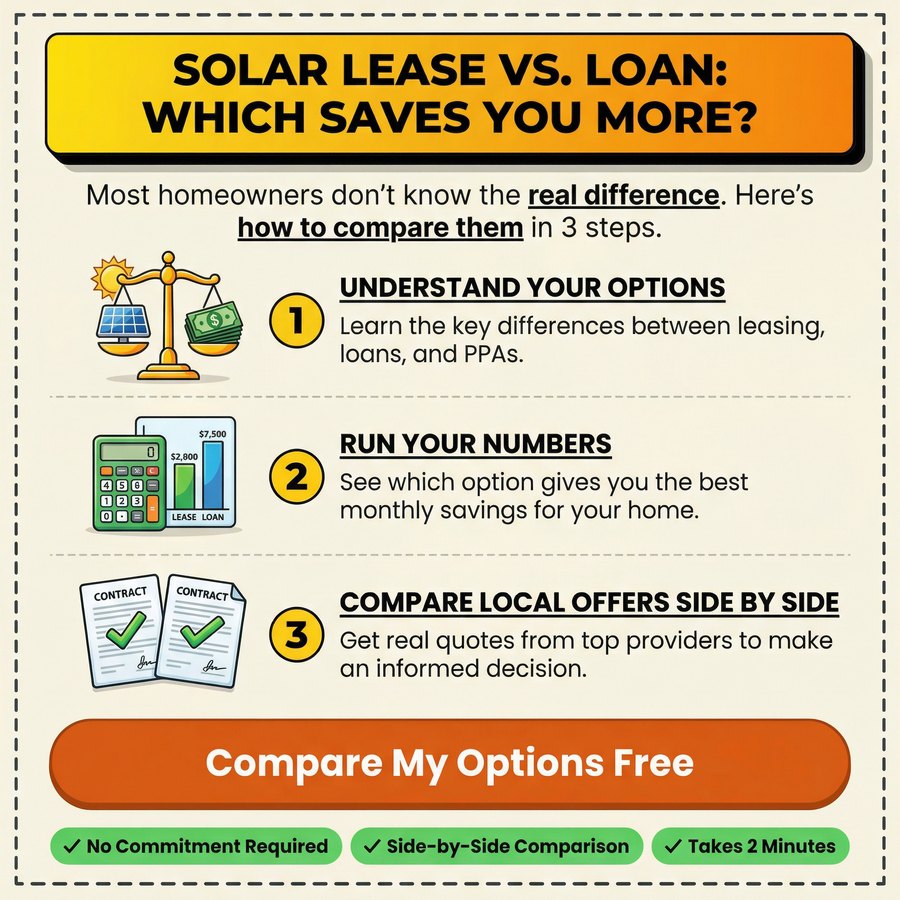
That is where many homeowners get overwhelmed.
The truth is that the solar company you choose matters just as much as the solar panels themselves. A great installer can make your transition smooth and profitable for years. A poor installer can leave you dealing with hidden fees, weak customer support, leaking roofs, or underperforming systems.
Before signing any contract, you need to compare solar companies carefully. You are not simply buying equipment. You are entering a long-term relationship with a provider that may handle installation, maintenance, warranties, monitoring, and future upgrades.
This guide walks you through the most important factors to compare before installing a home solar system. You will also discover common mistakes homeowners make and how to avoid expensive regrets later.
What You Should Compare Between Solar Companies
Many homeowners focus only on price. That can be a costly mistake. A cheaper quote may hide lower quality equipment, weak warranties, or inexperienced installers.
The smartest approach is to compare solar companies across several categories.
|
Comparison Factor |
Why It Matters |
What to Look For |
|
Experience |
Experienced installers usually handle problems better |
Years in business and completed projects |
|
Equipment Quality |
Better panels last longer and perform better |
Tier 1 panels and trusted inverter brands |
|
Warranty Coverage |
Protects your investment over time |
20 to 25 year warranties |
|
Financing Options |
Impacts your long-term savings |
Loans, leases, or cash discounts |
|
Customer Reviews |
Reveals real homeowner experiences |
Consistent positive feedback |
|
Installation Timeline |
Delays can affect permits and savings |
Clear project schedules |
|
Monitoring Tools |
Helps track energy production |
Mobile apps and real-time tracking |
|
Local Knowledge |
Local companies understand permits and regulations |
Familiarity with your region |
One of the biggest differences between solar companies is whether they use in-house installers or subcontractors.
Companies with their own installation crews often provide more consistent workmanship and accountability. Subcontracted work can still be good, but communication problems sometimes appear when multiple parties are involved.
You should also compare the actual solar hardware being offered.
Some companies use premium solar panel brands with stronger efficiency ratings and longer lifespans. Others use budget-friendly panels that reduce upfront costs but may generate less power over time.
Important questions to ask include:
• What brand of solar panels are included?
• What inverter system is being installed?
• Is battery storage available?
• What happens if the system underperforms?
• Who handles warranty claims?
• How long does installation usually take?
Another important factor is system design. A good solar company customizes the system for your home instead of pushing a generic package.
For example, roof angle, shading, weather conditions, and energy usage patterns all affect solar performance. A company that carefully analyzes these details often delivers better long-term savings.
Customer support is another area homeowners underestimate.
Solar systems can last over 25 years. During that time, you may need software updates, inverter replacements, warranty support, or troubleshooting assistance. Companies with poor communication can become frustrating quickly.
A friend of mine chose the cheapest solar quote available. At first, it looked like a fantastic deal. But after installation, he struggled to get responses whenever the monitoring system stopped working. Months passed before the issue was resolved. The savings he expected were delayed because the system was not operating properly.
That experience taught him something important. Solar is not just about installation day. It is about support for decades afterward.
National Solar Companies vs Local Solar Installers
One of the biggest decisions homeowners face is choosing between large national solar companies and smaller local installers.
Both options have advantages and disadvantages.
|
National Solar Companies |
Local Solar Companies |
|
Larger financing programs |
More personalized service |
|
Brand recognition |
Better local knowledge |
|
Wider equipment partnerships |
Faster communication |
|
Bigger customer service departments |
Flexible customization |
|
Standardized installation process |
Often stronger community reputation |
|
May use subcontractors |
Usually smaller installation teams |
National companies often appeal to homeowners because of their visibility and marketing presence. You have probably seen their advertisements online, on television, or in your neighborhood.
These companies usually provide:
• Multiple financing options
• Large-scale customer support
• Extensive warranty programs
• Standardized installation processes
However, bigger does not always mean better.
Some national providers manage thousands of installations across multiple states. That scale can sometimes create slower customer service or scheduling delays.
Local solar companies, on the other hand, often depend heavily on word-of-mouth referrals and community trust. Because of that, many smaller installers prioritize customer satisfaction aggressively.
A local company may also understand:
• Local weather patterns
• City permit requirements
• Utility company rules
• Regional incentives
• Roofing styles common in your area
That local expertise can simplify the installation process.
Still, smaller companies also carry risks. Some newer installers may not have a long business history. Since solar systems are long-term investments, you want confidence that the company will still exist years later when warranty support is needed.
One practical approach is to compare both national and local quotes side by side.
Do not automatically assume the biggest company offers the best value. Likewise, do not assume smaller companies are always cheaper.
Sometimes local installers actually provide higher quality service at competitive prices because they spend less on national advertising campaigns.
Another smart strategy is checking how transparent each company is during consultations.
Strong solar companies usually explain:

• System sizing clearly
• Expected energy production
• Utility savings estimates
• Financing details
• Tax incentives
• Possible limitations
Be cautious if a sales representative pressures you to sign immediately or avoids answering technical questions.
Transparency often reflects the company culture behind the scenes.
Understanding Solar Pricing, Financing, and Hidden Costs
Solar pricing can look confusing because every company structures proposals differently.
Some focus on low monthly payments. Others emphasize long-term savings. A few may advertise extremely low installation prices that later increase through add-ons and fees.
That is why comparing total system value matters more than comparing only the upfront quote.
|
Solar Payment Option |
Advantages |
Possible Drawbacks |
|
Cash Purchase |
Highest long-term savings |
Large upfront investment |
|
Solar Loan |
Ownership with manageable payments |
Interest costs |
|
Solar Lease |
Lower upfront costs |
Reduced savings potential |
|
Power Purchase Agreement |
Pay only for energy used |
Limited ownership benefits |
When reviewing quotes, always ask for the following:
• Total installed system cost
• Estimated yearly savings
• Financing interest rates
• Equipment breakdown
• Maintenance responsibilities
• Monitoring fees
• Warranty coverage
• Battery storage pricing
One common issue homeowners face is being distracted by low monthly payment offers.
For example, a company may advertise a payment lower than your current electric bill. That sounds attractive. But if the loan stretches over many years with high interest rates, the total amount paid can become much higher than expected.
Another hidden factor involves roof condition.
Some homeowners install solar panels only to discover roof repairs are needed shortly afterward. Removing and reinstalling panels later can add major expenses.
Good solar companies usually inspect roof condition before installation and discuss potential concerns honestly.
You should also ask whether future panel removal costs are covered under warranty or service agreements.
Battery storage adds another layer to pricing comparisons.
Home batteries can provide backup power during outages and help maximize solar energy usage. However, battery systems can significantly increase project costs.
Some homeowners prioritize battery storage immediately, while others install it later after evaluating their energy needs.
It is also important to understand projected savings carefully.
Solar sales presentations sometimes use optimistic assumptions regarding utility rate increases and system performance. Request realistic production estimates based on your actual home conditions.
A neighbor in my area received two solar quotes that looked similar at first glance. One company quoted a cheaper system, but it included lower efficiency panels and a shorter warranty. The second quote cost slightly more upfront but produced more electricity yearly and offered better long-term protection.
Over 20 years, the second system actually delivered far better value.
That example shows why focusing only on sticker price can backfire.
Red Flags and Smart Questions Before Signing a Solar Contract
Solar contracts can be lengthy and technical. Many homeowners skim through them quickly because the excitement of going solar takes over.
That is risky.
Before signing anything, you should carefully review all contract terms and ask detailed questions.
Here are some warning signs that deserve caution:
• Extremely aggressive sales pressure
• Unrealistic savings promises
• Vague warranty explanations
• Missing equipment details
• No clear installation timeline
• Poor online reviews
• Unlicensed installers
• Verbal promises not written in the contract
• Large upfront deposits before permits begin
One major red flag is when a company avoids providing written performance guarantees.
Strong solar companies typically stand behind their projected production estimates. While no system produces identical output every single year, reliable installers should still explain expected performance ranges.
You should also verify licensing and certifications.
Qualified solar installers often hold certifications from respected industry organizations and maintain proper local licenses.
Another critical step involves understanding warranties fully.
There are usually multiple warranties involved in a solar installation:
|
Warranty Type |
What It Covers |
|
Panel Warranty |
Solar panel defects and output |
|
Inverter Warranty |
Inverter performance and replacement |
|
Workmanship Warranty |
Installation quality issues |
|
Roof Penetration Warranty |
Roof leak protection |
Always ask who handles warranty claims directly.
Some companies rely on manufacturers for support, while others provide dedicated in-house warranty service teams.
You should also clarify monitoring and maintenance expectations.
Questions worth asking include:
• How will I monitor solar production?
• What happens if output drops unexpectedly?
• Is maintenance included?
• Who contacts the utility company?
• What permits are required?
• What happens if I sell my home?
• Can the system be expanded later?
• Are there cancellation penalties?
The home resale question is especially important.
Owned solar systems can increase property appeal in many markets. However, leased systems sometimes complicate home sales because buyers may need to assume the lease agreement.
Another smart step is speaking with previous customers directly whenever possible.
Online reviews help, but personal conversations often reveal details you cannot find elsewhere. Ask homeowners about communication quality, installation cleanliness, timeline accuracy, and post-installation support.
Solar installation is a major financial decision. Taking extra time during the comparison stage can prevent years of frustration later.
The best solar company is not always the cheapest or the biggest. It is the one that provides reliable equipment, transparent communication, strong warranties, realistic savings estimates, and dependable long-term support.
When you compare solar companies carefully, you place yourself in a stronger position to make a confident decision. Instead of feeling pressured by sales presentations, you gain clarity about what truly matters for your home, budget, and energy goals.
A well-chosen solar system can deliver decades of savings and peace of mind. The comparison process may take effort, but it is one of the smartest investments you can make before going solar.