blogs
Solar Lease vs Loan: Which Saves More Over 5–25 Years?

Thinking about getting solar panels for your home? That’s great! But before you jump in, you’ve got a big decision to make: should you lease them or buy them? It sounds simple, but there’s a lot to consider, especially when you look at the money side of things over the long haul. We’re talking about 5, 10, even 25 years down the road. This isn’t just about what your monthly bill looks like right now; it’s about which choice actually puts more money back in your pocket over time. Let’s break down the solar lease vs loan options so you can figure out what makes the most sense for your wallet and your home.
Key Takeaways
- Buying solar panels generally saves you more money over 25 years compared to leasing, often by tens of thousands of dollars. This is because you own the system and benefit from tax credits.
- Leasing solar panels can be a good option if you have limited upfront cash, a lower credit score, or aren’t sure how long you’ll stay in your home, offering immediate savings with no down payment.
- The 30% federal solar tax credit is a major financial advantage for buyers. If you don’t pay enough in taxes, you might not be able to use this credit, making leasing more appealing.
- Monthly payments for a solar loan might be similar to lease payments initially, but the loan payments end after a set term (like 10-15 years), after which you get free electricity, while lease payments often continue for 20-25 years and can increase annually.
- When comparing solar lease vs loan, consider your long-term plans, tax situation, and credit score. Owning adds value to your home, while leased systems can sometimes complicate a sale.
Understanding Solar Lease vs Loan: Key Financial Differences
When you’re looking into solar panels for your home, you’ll quickly run into two main ways to pay for them: leasing or buying with a loan. They sound similar, but the financial picture they paint over the years is pretty different. It’s not just about the monthly bill; it’s about who actually owns the system and what that means for your wallet down the road.
Ownership Versus Leasing: A Financial Overview
The biggest difference boils down to ownership. With a lease, you’re essentially renting the solar panels. You get the benefit of lower electricity bills, but you don’t own the equipment. The solar company owns it, installs it, and maintains it. On the flip side, buying solar panels, whether with cash or a loan, means you own the system outright. This ownership is where the potential for greater long-term savings really kicks in.

Here’s a quick look at how they stack up:
- Leasing: No upfront cost, predictable monthly payments (though they often go up over time), and the leasing company handles maintenance. You don’t get the tax credits.
- Buying (with a loan): Requires a down payment or a loan, but you own the system. You can claim the federal tax credit, which is a big chunk of savings. You’re responsible for maintenance, but modern panels are pretty low-maintenance.
The core financial distinction is that a lease payment is an ongoing operational cost, much like your electricity bill. A loan payment, however, is an investment in an asset that you own, which can appreciate in value and generate savings beyond the loan term.
The Impact of Tax Credits on Your Decision
This is a huge one. The federal solar tax credit can significantly reduce the cost of buying a solar system. Right now, it’s a 30% credit on the total system cost. If you buy your panels, you can claim this credit. If you lease, the leasing company claims it, and that benefit is usually factored into their pricing, not passed directly to you. For many homeowners, this tax credit alone makes buying a much more attractive option. You need to have enough tax liability to benefit from it, though.
Property Value Considerations with Solar
What happens to your home’s value when you have solar? Owned solar systems are generally seen as an upgrade that adds value to your home. Buyers often see it as a positive feature. Leased systems can be a bit trickier. When you sell your house, you typically have to transfer the lease to the new owner, which can complicate the sale. They’ll need to qualify for the lease, and it might deter some buyers. Some leases also have hefty early termination fees if you need to sell.
- Owned systems can increase home value.
- Leased systems might complicate a home sale.
- Transferring a lease requires the buyer’s approval.
Choosing between a lease and a loan involves weighing these immediate and long-term financial implications. For many, the long-term financial returns of owning are hard to ignore, especially when considering the tax benefits and potential home value increase. But if upfront costs are a major hurdle, a loan can still offer ownership benefits that leasing doesn’t. It’s all about what fits your situation best.
Analyzing the Long-Term Savings of Solar Ownership
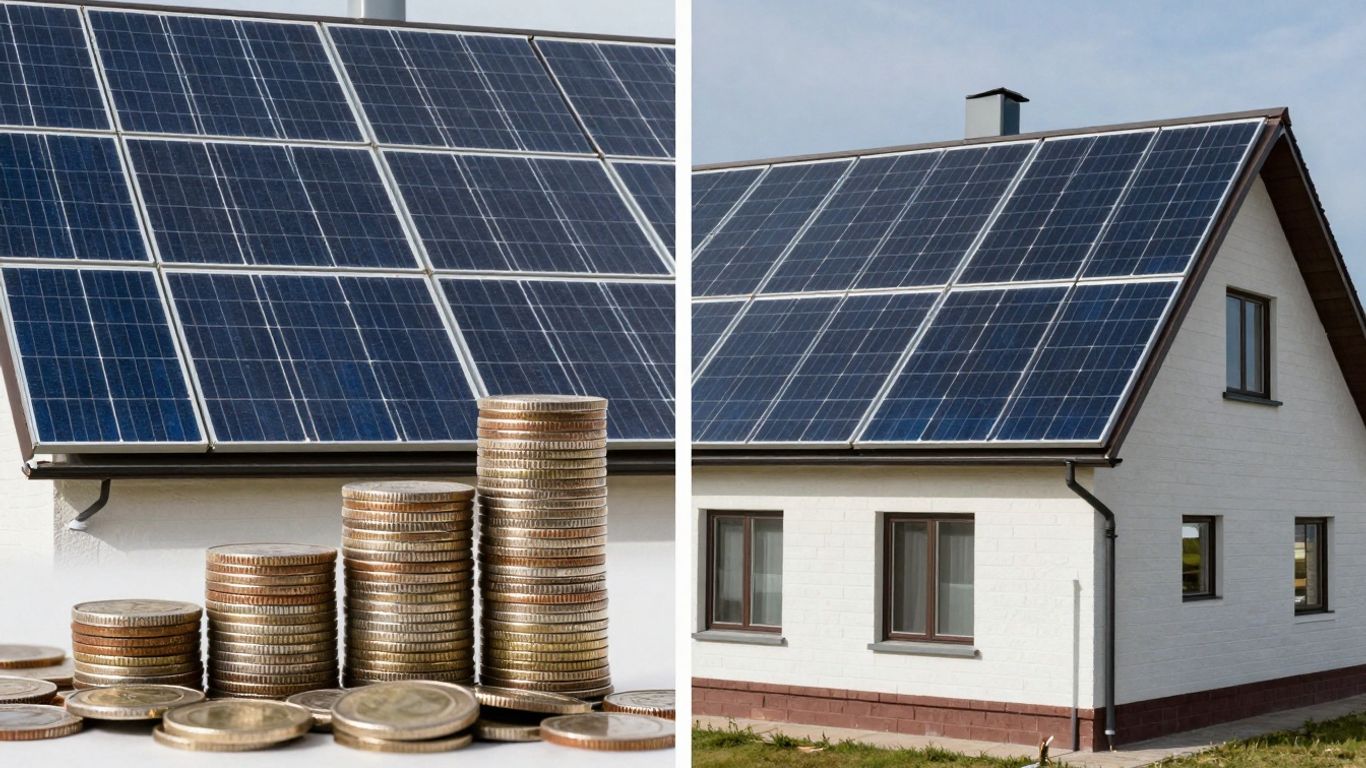
A 2026 Side-By-Side Comparison: Solar Loans Lead To Asset Ownership, While Leases Offer A Maintenance-Free Subscription Model.
When you buy solar panels, you’re essentially investing in your home and your future energy costs. Unlike leasing, where you’re paying for the use of someone else’s equipment, owning your system means all the savings and benefits accrue directly to you. This is where the real financial advantage of solar really shines over the long haul.
Lifetime Returns: Buying vs. Leasing Solar
Let’s get down to brass tacks. The numbers consistently show that owning your solar system, whether you pay cash or finance it with a loan, leads to significantly more savings over its lifespan compared to leasing. Think of it like buying a house versus renting one. You build equity and benefit from appreciation when you own. With solar, you’re essentially buying your electricity at a fixed, lower rate for decades, and that’s a huge win.
Here’s a general idea of what you might see over 25 years:
| Financing Method | Average Lifetime Savings (25 Years) |
|---|---|
| Cash Purchase | R35,000 – R45,000 |
| Solar Loan | R25,000 – R35,000 |
| Solar Lease | R15,000 – R25,000 |
As you can see, buying generally puts more money back in your pocket. Even with a loan, the total savings are often higher than what you’d get from a lease, especially when you factor in the tax credits you can claim as an owner.
The Benefit of Owning Your Solar System
Owning your solar panels comes with a few key advantages that leasing just can’t match. First off, you get to claim the federal solar tax credit, which is a big chunk of change – currently 30% of the system cost. That alone can save you thousands right off the bat. Plus, when you own your system, it adds value to your home. Studies show that homes with owned solar systems tend to sell for more and often sell faster.
- Claiming Tax Credits: You get to take advantage of the 30% federal investment tax credit (ITC). This is a direct reduction in your tax liability.
- Increased Home Value: Owned systems are seen as an upgrade, potentially boosting your home’s market price.
- Energy Independence: You’re not tied to a third-party company for your power generation. You control your system.
- No Lease Payments: Once a loan is paid off, your electricity costs are drastically reduced, often just the cost of your utility’s connection fee.
When you own your solar panels, you’re not just reducing your electricity bill; you’re making a tangible asset that appreciates your property and provides long-term financial security. It’s an investment that pays dividends for years to come.
Maximizing Savings Over 25 Years
To really get the most out of owning your solar system, it’s about looking at the entire 25-year lifespan, or even longer, as most panels last beyond that. While a solar loan might have monthly payments for 10-15 years, after that, your electricity is essentially free. Lease payments, on the other hand, often continue for the full 20-25 years, and they can even go up each year due to escalation clauses. This means that while a lease might seem cheaper month-to-month initially, owning your system usually results in much lower overall costs and higher net savings by the time the system is fully paid off and continues to produce free electricity.
When Leasing Solar Panels Might Be Advantageous
Okay, so we’ve talked a lot about how buying solar panels usually saves you more money in the long run. And that’s generally true. But sometimes, leasing can actually be the smarter move, especially if your situation doesn’t quite line up with the typical homeowner who buys.
Leasing for Immediate Savings and Simplicity
Let’s be real, buying solar panels often means a pretty big chunk of change upfront, even with loans. If you’re not sitting on a pile of cash or don’t want to take out a loan, a lease can feel like a breath of fresh air. You get to start saving on your electricity bills right away, often with zero money down. It’s like getting a discount on your power without having to pay for the equipment itself. This can be a big deal if you’re trying to manage your budget tightly.
Leasing with Limited Tax Liability
This is a big one. The federal solar tax credit is a fantastic incentive, but you have to actually owe taxes to take advantage of it. If your household income is on the lower side, you might not have enough tax liability to claim the full credit, or even any of it, in a given year. While credits can roll over, it can still be complicated. If you’re in this boat, leasing might be better because you don’t need to worry about claiming those credits. The leasing company handles all that, and you still get a lower electricity rate. It simplifies things considerably when you can’t fully benefit from the tax incentives. For many, this makes solar leasing a worthwhile option solar pros cons-advantages and disadvantages benefits drawbacks.
Addressing Credit Score Limitations with Leasing
Getting approved for a solar loan, especially one with a good interest rate, often requires a decent credit score. If your credit isn’t where you’d like it to be, getting a loan can be tough, or the interest rates might be so high that they eat up most of your potential savings. Solar leases, on the other hand, are often more accessible to people with lower credit scores. The leasing company is essentially selling you power, not lending you money for equipment, so their approval process can be less stringent. It opens the door to solar savings for a wider range of homeowners.
Here’s a quick look at who might lean towards leasing:
- Low upfront cost: You can start saving immediately without a large down payment.
- Limited tax liability: You don’t need to worry about claiming tax credits.
- Credit score concerns: Leasing can be an option when loan approval is difficult.
- Uncertainty about staying put: If you might move in less than 7-10 years, a lease can offer more flexibility (though you’ll need to check your contract for moving policies).
While buying solar panels generally leads to greater long-term financial gains, leasing offers a practical entry point for those who can’t take full advantage of tax credits or who have credit limitations. It’s about finding the solar solution that best fits your current financial picture and goals, even if it means slightly less overall savings down the road.
It’s worth noting that some companies offer $0 down solar loans, which can provide similar upfront benefits to leasing but still allow you to own the system and claim tax credits. Always compare these options carefully.
Comparing Monthly Payments: Loan vs. Lease
Choosing Between Solar Ownership Through A Loan Or A Maintenance-Free Lease Subscription.
When you’re looking at solar, the monthly payment is often the first thing people focus on. It’s easy to see why – it directly impacts your budget. But here’s the thing: not all monthly payments are created equal. One is an investment that eventually ends, and the other is an ongoing cost.
Solar Loan Payments: A Temporary Investment
With a solar loan, you’re essentially borrowing money to buy your system outright. You make monthly payments for a set period, usually 10 to 15 years. Once that loan is paid off, your electricity from the sun is completely free. Think of it like paying off a car loan; eventually, the car is yours, free and clear. The payments might seem a bit higher initially compared to a lease, but the long-term payoff is huge because you own the system and all the energy it produces.
- Loan Term: Typically 10-15 years.
- Ownership: You own the system from day one.
- End of Payments: Free electricity for the remaining life of the system (often 25+ years).
- Tax Credits: You can claim the federal solar tax credit.
Solar Lease Payments: Ongoing Costs and Escalations
A solar lease is more like renting. You pay a monthly fee to use the solar panels installed on your roof. The company that owns the panels handles installation and maintenance. While this can mean a lower upfront cost and potentially a lower initial monthly payment than a loan, there’s a catch. These payments usually last for 20 to 25 years, and often come with an annual increase, called an escalation clause. This means your monthly payment goes up a little bit each year.
- Lease Term: Typically 20-25 years.
- Ownership: The leasing company owns the system.
- End of Payments: You continue paying for the system, or have to pay to have it removed.
- Escalation Clause: Payments typically increase annually (e.g., 3% per year).
The Break-Even Point for Solar Loans
This is where the numbers really start to tell a story. For a solar loan, the “break-even” point isn’t about when you start saving money (you usually save from day one compared to your old utility bill), but when the total savings from your system significantly outweigh the total amount you’ve paid in loan payments. Because you eventually own the system and get free electricity, this point is reached much sooner than you might think, often within 7-10 years. After that, every bit of electricity generated is pure savings. Leases, on the other hand, don’t have a break-even point in the same way because you’re always making a payment.
It’s important to look beyond just the initial monthly cost. A slightly higher loan payment now can mean tens of thousands of dollars in savings later, especially when you factor in the elimination of electricity bills after the loan is paid off and the value of owning an asset.
Here’s a simplified look at how monthly costs might compare over time:
| Year | Solar Loan Payment (Est.) | Solar Lease Payment (Est. w/ 3% Escalator) | Notes |
|---|---|---|---|
| 1 | R120 | R100 | Loan payment is fixed, lease payment starts lower |
| 5 | R120 | R111 | Lease payment increases annually |
| 10 | R120 | R129 | Loan payments may end soon, lease payment continues to rise |
| 15 | R0 (Loan Paid Off) | R150 | Free electricity with loan, lease payment still ongoing |
| 20 | R0 | R174 | Free electricity with loan, lease payment continues |
As you can see, the loan payment disappears, while the lease payment keeps going up. This difference really adds up over the 20-25 year lifespan of solar panels.
Navigating Solar Financing Options: Purchase vs. Lease
So, you’re thinking about going solar, which is awesome! But then comes the big question: do you buy the system outright, get a loan, or lease it? It’s not a simple choice, and honestly, it depends a lot on your personal situation. Let’s break down the main ways you can finance solar panels.
Ready to take the next step? solar lease vs loan and see your personalized options.
Cash Purchase: The Ultimate Return on Investment
This is pretty straightforward. You pay the whole system cost upfront. The biggest perk here is that you get to claim the full 30% federal tax credit, which can save you thousands. Plus, once it’s paid off, your electricity from the sun is basically free. It usually takes about 6 to 8 years to recoup your initial investment, and over 25 years, you’re looking at the highest overall savings compared to other options. It’s the best way to go if you have the cash and want the most bang for your buck.
Solar Loan Financing: Ownership Benefits with Monthly Payments
If dropping a huge chunk of cash isn’t in the cards, a solar loan is a really popular alternative. Many companies offer loans with zero down, so you can still get solar installed without paying anything upfront. You’ll make monthly payments, kind of like a car loan, but the good news is you still own the system. This means you still get to take advantage of those sweet tax credits. The interest rates can vary, but they’re often pretty reasonable. The monthly payments might look similar to a lease payment at first, but remember, with a loan, you’re building equity and will eventually own the system free and clear.
Home Equity Loans for Solar Purchases
Another way to finance buying your solar system is by using your home’s equity. If you have a good amount of equity built up, you might be able to get a home equity loan or a HELOC (Home Equity Line of Credit). These often come with lower interest rates than other types of loans, and sometimes the interest you pay can even be tax-deductible, though you should definitely check with a tax advisor on that. It’s a solid option if you want to own your system and can get a good rate through your home’s equity.
Choosing the right financing method is a big deal. It’s not just about the monthly payment; it’s about the total cost over the years, who owns the system, and what benefits you can actually claim. Take your time to look at all the angles before you sign anything.
Here’s a quick look at how the costs can stack up:
| Cost Factor | Solar Purchase (Cash) | Solar Loan (0% Down) | Solar Lease ($0 Down) |
|---|---|---|---|
| Initial Cost | R12,600 (after credit) | R0 | R0 |
| Monthly Payment | $0 (after payoff) | Varies (10-25 yrs) | R89-129 (escalates) |
| 25-Year Savings | R38,900 | R25,000-35,000 | R15,600 |
It’s worth noting that while leasing might seem appealing for its low entry cost, the long-term savings just don’t compare to owning. If you’re looking to maximize your savings and increase your home’s value, owning your system through a cash purchase or a loan is generally the way to go. If you’re interested you can look up and seeing how leasing works in different areas,
for examples of how it’s offered elsewhere.
Hidden Costs and Considerations in Solar Agreements
So, you’re looking into solar, which is great! But before you sign on the dotted line, let’s talk about the stuff that doesn’t always make the headlines. Both buying and leasing have their own little quirks, and knowing them can save you a headache down the road.
Understanding Lease Escalation Clauses
This is a big one for leases. Think of it like rent going up each year, but for your solar system. Most lease agreements have what’s called an escalation clause. This means your monthly payment will increase over time, usually by a set percentage each year. While it’s often pitched as being less than utility rate hikes, it still adds up. A seemingly small 3% annual increase on a R99/month lease can significantly boost your total cost over 20 or 25 years. Always ask for the exact escalation rate and calculate the total cost over the life of the lease.
Potential Penalties for Early Lease Termination
Life happens, right? You might need to move, or maybe your financial situation changes. If you have a solar lease and need to end it early, be prepared for potential penalties. These can be substantial, sometimes running into thousands of dollars. Some leases allow you to transfer the lease to a new homeowner, but that requires the buyer to qualify, which can complicate a home sale. Others might let you buy out the system, but that cost can be quite high, especially in the early years.
Maintenance Responsibilities: Ownership vs. Lease
Who fixes it if something goes wrong? With a purchased system, you’re generally responsible for maintenance and repairs. This might mean budgeting for things like inverter replacement (they usually last 10-15 years) or occasional cleaning. However, you also get to claim any tax credits and keep the equipment. With a lease, the leasing company typically handles maintenance. This sounds simpler, but it can get tricky if you need roof repairs. You might have to pay to have the panels removed and reinstalled, which can be a significant expense.
Here’s a quick look at what you might expect:
- Purchased Systems: You handle maintenance, potential repairs, and inverter replacement. Budget around R200-$400 annually for upkeep after warranties, plus larger costs for inverter swaps.
- Leased Systems: Maintenance is usually included, but roof repair responsibilities can be a hidden cost. Early termination fees can also be steep.
When considering any solar agreement, read the fine print very carefully. What seems like a straightforward deal can have clauses that impact your finances significantly over the long term. Don’t be afraid to ask your installer to walk you through worst-case scenarios, like needing to move or if the system underperforms.
Making the Right Choice: Solar Lease vs Loan for Your Home
Assessing Your Residency Timeline
So, you’re thinking about going solar, which is awesome! But before you sign on the dotted line, let’s talk about how long you plan to stay put. This is a big one, honestly. If you’re pretty sure you’ll be in your home for at least 10 to 15 years, buying your solar system, either with cash or a loan, usually makes more financial sense. You’ll have more time to recoup your investment and really see those long-term savings pile up. On the flip side, if you think you might move in, say, the next 5 to 7 years, a lease might seem more appealing. It often has a lower barrier to entry, and you won’t have to worry about transferring or buying out the system when you sell your house. It’s all about matching the solar plan to your life’s timeline.
Evaluating Your Financial Situation and Goals
Your bank account and what you want to achieve with solar are super important here. If you’ve got some savings tucked away and want the absolute best return on your investment over the next couple of decades, buying is probably your best bet. You get to claim those sweet tax credits, which can knock a good chunk off the price, and you own the system outright. That means more money in your pocket over the system’s lifespan, usually quite a bit more than with a lease. But maybe you’re not flush with cash right now, or you’re worried about your credit score limiting your loan options. In that case, a lease can be a good way to start saving on electricity bills right away without a big upfront cost. It’s a trade-off: less money saved long-term, but more flexibility now.
The Importance of Reviewing Contract Terms
This is where things can get a little tricky, so pay attention! Whether you’re looking at a lease or a loan, you absolutely have to read the fine print. For leases, watch out for those annual price increases, often called escalation clauses. They might seem small at first, but they can add up over 20 years. Also, check out what happens if you need to move or want to end the lease early – there can be hefty penalties. With loans, make sure you understand the interest rate, the loan term, and what happens if you miss a payment. It’s also worth knowing who’s responsible for maintenance and repairs for both options. Sometimes, a lease includes maintenance, which is nice, but you’re still paying for it through your monthly fee. Owning means you’re generally responsible, but you might have warranties.
Ultimately, the “best” choice isn’t a one-size-fits-all answer. It really depends on your personal circumstances. Think about your homeownership plans, your current financial picture, and what you value most – maximum savings, flexibility, or simplicity. Don’t be afraid to ask installers lots of questions and compare offers carefully. Getting a few quotes for both buying and leasing will give you a clearer picture of what works for your specific situation.
Here’s a quick rundown to help you decide:
- Buying (Cash or Loan):
- Best for long-term savings (often 2-3 times more than leasing over 25 years).
- You benefit from federal tax credits.
- Increases your home’s value.
- Requires a larger upfront investment or a loan.
- Leasing:
- Low or no upfront cost.
- Immediate electricity bill savings.
- The solar company handles maintenance.
- Lower lifetime savings compared to buying.
- Can complicate home sales.
- Consider a R0 Down Loan: This option can offer the accessibility of a lease with the benefits of ownership, including tax credits and higher long-term savings. It’s often a great middle ground.
So, Which Way to Go?
Alright, so we’ve looked at the numbers, and it’s pretty clear: owning your solar panels, whether you pay cash or get a loan, usually ends up saving you a lot more money over the long haul, like 25 years or more. You get to keep those sweet tax credits, and your system becomes an asset that adds value to your home. Leasing can be tempting, especially if you want zero upfront costs and immediate savings on your electricity bill, and it might be the better choice if you don’t have much tax liability or if you’re not sure how long you’ll be in your home. But remember, those lease payments often go up over time, and you don’t get the big savings that come with owning. Ultimately, the best choice really depends on your own financial situation and what you want to get out of going solar. Just make sure you read all the fine print before you sign anything.
Frequently Asked Questions
What’s the main difference between buying and leasing solar panels?
When you buy solar panels, you own them outright. This means you get to keep all the savings and any benefits from tax credits. When you lease, you’re essentially renting the panels from a company. You pay a monthly fee, and the company owns the system and usually keeps the tax credits. Buying usually saves you more money over the long run, while leasing might offer lower upfront costs.
Does buying solar panels really save more money over time?
Yes, generally buying solar panels saves significantly more money over a 25-year period. While leasing might have lower monthly payments initially, the total savings from owning your system, especially after paying off a loan, can be much higher. Plus, when you own your system, it can add more value to your home.
When might leasing solar panels be a better choice for me?
Leasing can be a good option if you have a lower credit score and can’t get a good loan, or if you don’t plan to stay in your home for many years (typically less than 7-10 years). It’s also appealing if you don’t have much tax liability to take advantage of tax credits, or if you prefer a simple, hands-off approach where the leasing company handles maintenance.
How do monthly payments compare between a solar loan and a lease?
Solar loan payments can be similar to lease payments at first, but with a loan, you’re building equity. Once the loan is paid off (usually in 10-15 years), your electricity costs drop significantly because you own the system. Lease payments, on the other hand, often continue for 20-25 years and can increase each year due to escalation clauses, meaning you’ll keep paying for the system indefinitely.
What are some hidden costs or things to watch out for with solar leases?
Be aware of escalation clauses, which allow the leasing company to raise your monthly payments each year, sometimes by 2-4%. Also, check for penalties if you need to end the lease early, which can be quite expensive. If you need roof repairs, you might have to pay to have the panels removed and reinstalled, which can also cost a lot.
Can I still get tax credits if I lease solar panels?
Usually, no. The federal solar tax credit, which can save you a significant amount of money (like 30% of the system cost), is typically claimed by the company that owns the solar panels when you lease. If you buy the system (with cash or a loan), you get to claim those valuable tax credits yourself.
Ready to Start Saving on Your Energy Bills?
Get a free, no-obligation quote from trusted local providers in under 2 minutes.
No obligation • Free estimates • Takes under 2 minutes
Solar Loan Rates: What to Expect + Tips to Get the Lowest APR

Thinking about putting solar panels on your roof? That’s great! It’s a big step towards saving money and helping the environment. But how do you pay for it? A solar loan is a popular way to go. However, not all loans are created equal, and the interest rate you get can make a big difference over time. We’re going to break down what you can expect with solar loan rates and how to snag the best deal possible.
Key Takeaways
- Typical solar loan interest rates can range widely, but aiming for something below 6% is generally a good goal.
- Your credit score is a major factor; a higher score usually means a lower APR, making it easier to get approved and save money.
- Secured loans (like those using home equity) and larger down payments often lead to better solar loan rates because they reduce lender risk.
- Always look at the Annual Percentage Rate (APR), which includes fees, not just the interest rate, to understand the true cost of the loan.
- Shopping around with multiple lenders and considering a co-signer can significantly help you secure lower solar loan rates.
Understanding Solar Loan Rates
So, you’re thinking about going solar, which is awesome! But before you get those panels on your roof, you’ve gotta figure out how you’re going to pay for them. That’s where solar loans come in, and understanding the interest rates is a big part of the puzzle. It’s not just about the sticker price of the panels; it’s about the total cost over time, and that’s heavily influenced by your loan’s Annual Percentage Rate, or APR.
What Are Typical Solar Loan Interest Rates?
When you’re looking at solar loans, you’ll see a range of interest rates. Generally, these rates are pretty competitive, especially when you compare them to other ways of borrowing money, like personal loans or credit cards. For unsecured solar loans, you might see rates anywhere from around 3% to 6% APR. It’s not uncommon to find rates below 6%, and honestly, that’s a good target to aim for. Some lenders might even go a bit higher, up to 17% or more, but those are usually less ideal.

It’s interesting how some companies keep their advertised APRs low. They often do this by adding something called a “dealer fee.” This fee is basically baked into the loan, allowing the lender to make their profit while still showing you a lower monthly payment. It’s a bit of a balancing act.
On the flip side, secured solar loans, which use something like your home as collateral, might have slightly different rate structures. Some credit unions, for instance, might not have that dealer fee but could have APRs that are a bit higher, maybe in the 7% to 8% range. It really depends on the lender and the type of loan.
Factors Influencing Your Solar Loan APR
Why do some people get a 4% APR and others get a 9% APR for the same solar system? A few things play a big role:
- Your Credit Score: This is probably the biggest one. Lenders see your credit score as a measure of how likely you are to pay back the loan. A higher score usually means a lower interest rate. If your score is below 650, you might be looking at rates above the average.
- Loan Type (Secured vs. Unsecured): As we touched on, secured loans, where you put up collateral, often come with lower rates because they’re less risky for the lender. Unsecured loans don’t have collateral, so they might carry a slightly higher rate.
- Down Payment Amount: Putting more money down upfront shows the lender you’re serious and reduces the amount you need to borrow. This can often lead to a better interest rate.
- Loan Term Length: Longer loan terms (like 20 or 25 years) can sometimes have lower interest rates, but you’ll end up paying more interest overall. Shorter terms might have higher rates but less total interest paid.
- Dealer Fees: Some loans have these “hidden” fees that can affect the overall cost, even if the advertised APR looks good.
The Impact of Inflation on Solar Loan Rates
Inflation is a bit of a tricky beast when it comes to loans. When inflation is high, the cost of everything goes up, including the cost for lenders to borrow money themselves. To keep up, they often raise interest rates on new loans. So, if inflation is on the rise, you might find that solar loan rates are also creeping up. It’s one of those things that can make getting a loan now seem more appealing than waiting.
It’s always a good idea to check current rates because they can change pretty quickly, especially with economic shifts like inflation. What looks like a good deal today might be different next month. Keep an eye on the news and lender websites to stay informed about where rates are heading.
Understanding these basics will help you when you start comparing different solar loan offers. Don’t just look at the monthly payment; dig into that APR and consider all the factors that went into it.
Key Factors Affecting Your Solar Loan APR
So, you’re looking into getting solar panels and need a loan. That’s great! But before you sign on the dotted line, it’s super important to understand what makes your Annual Percentage Rate (APR) tick. It’s not just about the interest rate you see advertised; a bunch of things can nudge that number up or down, and knowing them can save you a good chunk of change.
Credit Score Requirements for Solar Loans
Your credit score is probably the biggest player here. Lenders use it to figure out how risky it might be to lend you money. Think of it like a report card for how you handle debt. A higher score generally means you’re a safer bet, and lenders are more willing to offer you a lower APR. If your score is on the lower side, say in the 600s, working on improving it before you apply can make a huge difference. Paying down credit card balances and making sure you never miss a payment are solid ways to boost that score.
Secured Versus Unsecured Solar Loans
This is a big one. A secured loan usually means you’re using an asset, like your home’s equity, as collateral. Because the lender has something to fall back on if you can’t pay, they often offer lower interest rates. An unsecured loan, on the other hand, doesn’t have collateral. It’s based purely on your creditworthiness. While easier to get sometimes, unsecured loans typically come with higher APRs to compensate for the increased risk to the lender.
The Role of Down Payments in Loan Rates
Just like with a car or a house, putting more money down upfront can really help with your solar loan. A larger down payment shows the lender you’re serious and committed to the investment. It also means you’re borrowing less money, which naturally reduces the lender’s risk. Because of this, you’ll often find that a bigger down payment can lead to a lower APR. It’s a win-win: you borrow less, and you might get a better rate.
When you’re comparing loan offers, don’t just look at the advertised interest rate. Always ask for the APR, which includes fees and other costs. This gives you a much clearer picture of the true cost of borrowing.
Strategies for Securing Lower Solar Loan Rates
Improve Your Credit Score Before Applying
Think of your credit score as your financial report card. Lenders use it to figure out how likely you are to pay back a loan. A higher score generally means a lower interest rate. If your score isn’t where you’d like it, focus on improving it before you even start looking for loans. Paying down credit card balances and making sure all your payments are on time can make a big difference. It might take a little effort, but a better score can save you a good chunk of money over the life of your solar loan.
Shop Around for Multiple Loan Quotes
Don’t just take the first offer you get. Different lenders have different ideas about risk, and that means their interest rates can vary quite a bit. It’s a good idea to get quotes from at least two or three different lenders. This way, you can compare not just the interest rates but also the fees and terms to find the best overall deal for your situation. It’s like comparing prices for anything else – you want to make sure you’re getting the most bang for your buck.
Consider a Co-signer for Your Loan
If your credit score is a bit low or you just want to try and snag an even better rate, bringing in a co-signer could be a smart move. A co-signer is someone who agrees to be responsible for the loan if you can’t make the payments. If they have a strong credit history and a good score, it can make the lender feel more comfortable and potentially offer you a lower interest rate. Just make sure your co-signer understands the commitment they’re making.
When comparing loan offers, don’t just look at the interest rate. Sometimes, a loan with a slightly higher interest rate but no or low fees can end up costing you less overall than a loan with a super low rate but hefty origination or dealer fees. Always ask for the total cost of the loan, including all fees, over the entire term.
Here’s a quick look at factors that can influence your rate:
- Credit Score: Higher scores usually mean lower rates.
- Loan Type: Secured loans (backed by collateral) often have lower rates than unsecured loans.
- Down Payment: A larger down payment can signal commitment and potentially lower your rate.
- Loan Term: Shorter terms might have higher monthly payments but less interest paid overall. Longer terms mean lower monthly payments but more interest over time.
Navigating Solar Loan Terms and Fees
Okay, so you’ve found a solar loan that looks pretty good. But before you sign on the dotted line, we really need to talk about the fine print. It’s not just about the interest rate; there are other costs and details that can really change how much you end up paying.
Understanding Dealer Fees and Origination Costs
Think of dealer fees, sometimes called origination fees or initiation fees, as a charge from the lender for setting up your loan. It’s like a processing fee, but it can sometimes be a pretty big chunk of the total loan amount, maybe even up to 30%. This fee isn’t standard across the board, so it varies a lot from one lender to another. It’s super important to ask about this upfront. If this fee is too high, it might make more sense to look into other loan types, like a home equity loan or a personal loan that doesn’t have these extra charges.
Fixed vs. Variable Interest Rates for Solar
When you’re looking at interest rates, you’ll usually see two main types: fixed and variable. A fixed rate means your interest rate stays the same for the entire life of the loan. This is generally the safer bet because your monthly payment won’t change, making budgeting easier. A variable rate, on the other hand, can go up or down depending on market conditions. If rates go up, your monthly payment will too, which can be a nasty surprise. For most people, a fixed-rate loan is the way to go to keep things predictable.
Ready to take the next step? lowest solar APR and see your personalized options.
Choosing Between Long and Short Loan Terms
Solar loans typically range from 10 to 20 years, but you might see options for longer or shorter periods. Here’s the breakdown:
- Longer Loan Terms (e.g., 20-25 years):
- Lower monthly payments.
- You’ll pay more interest over the life of the loan.
- Can help match your monthly solar savings to your energy bill.
- Shorter Loan Terms (e.g., 10-15 years):
- Higher monthly payments.
- You’ll pay less interest overall.
- You’ll own your system outright sooner.
The best term for you really depends on your budget and how quickly you want to see maximum savings. Some people prefer lower monthly payments to start saving right away, while others want to pay off the loan faster to save more money in the long run. It’s also good to know that most solar loans don’t penalize you for paying them off early, which is a nice bonus if you get some extra cash from tax credits or other sources.
It’s also worth asking if your loan covers battery storage. Some loans are just for the panels and installation, and you might need a separate loan for a battery.
Maximizing Savings with Solar Financing
Calculate Your Monthly Solar Repayments Based On The Current 2026 Prime Lending Rate Of 10.25%.
So, you’re thinking about going solar, which is awesome! But how do you pay for it without breaking the bank? That’s where smart financing comes in. It’s not just about getting the panels on your roof; it’s about making sure the whole deal makes financial sense for you in the long run. The goal is to lower your electricity bills significantly while keeping your overall costs as low as possible.
The Importance of the Annual Percentage Rate (APR)
When you’re looking at solar loans, the interest rate is a big deal, but the Annual Percentage Rate, or APR, tells an even bigger story. Think of APR as the total yearly cost of borrowing money. It includes not just the interest rate but also any fees the lender charges, like origination fees. A loan with a seemingly low interest rate might actually cost you more if it has high fees, making its APR higher. Always compare the APRs when you’re getting quotes from different lenders. It’s the most honest way to see which loan is truly cheaper.
Here’s a quick breakdown of what APR covers:
- Interest Rate: The basic cost of borrowing.
- Origination Fees: Fees charged by the lender to process your loan.
- Other Lender Fees: Any other charges associated with getting the loan.
Understanding the APR is key because it gives you a clearer picture of the total cost of your solar loan. Don’t just focus on the advertised interest rate; dig into the APR to make sure you’re getting the best deal possible.
Leveraging Tax Deductions for Solar Loan Interest
Good news! The interest you pay on a solar loan might be tax-deductible. This can be a nice little bonus that helps offset the cost of your system. The federal solar tax credit, for instance, lets you deduct a percentage of your solar installation costs from your federal taxes. While this credit directly reduces your tax bill, some homeowners might also be able to deduct the interest paid on their solar loan, depending on specific tax laws and your individual financial situation. It’s always a good idea to chat with a tax professional to see if you qualify for these deductions. They can help you figure out how to claim them properly and maximize your savings.
Comparing Total Loan Costs Beyond Interest Rates
It’s easy to get caught up in just the monthly payment or the interest rate, but you need to look at the whole picture. What’s the total amount you’ll pay back over the life of the loan? This includes the principal amount, all the interest, and any fees. Sometimes, a loan with a slightly higher interest rate but no fees might end up being cheaper overall than a loan with a lower interest rate that charges a hefty origination fee. You should also consider the loan term. A longer term means lower monthly payments, but you’ll likely pay more interest over time. A shorter term means higher monthly payments, but you’ll pay less interest overall. It’s a trade-off, and what’s best depends on your budget and how quickly you want to be debt-free.
Here’s a simple way to think about it:
- Loan Term: How long you have to repay the loan.
- Total Interest Paid: The sum of all interest charges over the loan’s life.
- Total Fees: All other costs associated with the loan.
By adding these up, you get the true cost of your solar financing. This helps you make a more informed decision about which loan is the best fit for your financial goals.
Where to Find Solar Loans
Interest Rates Remain Competitive With Concessions Of Up To 0.20% For Green Energy Bondholders.
So, you’ve decided to go solar, which is awesome! Now comes the part where you figure out how to pay for it. Luckily, there are more ways to finance a solar setup than ever before. You don’t have to have a pile of cash just sitting around to make the switch.
Popular Solar Loan Providers
When you start looking around, you’ll see a few names pop up a lot. Companies like Mosaic, Sunlight Financial, and GoodLeap are pretty common. They often work with solar installers, so your installer might bring them up. These guys usually have a range of loan amounts and can be a good starting point. It’s smart to check out at least one or two of these big players in addition to any options your installer suggests.
Exploring Options with Your Bank or Credit Union
Don’t forget about the place where you already do your banking. Your local credit union or a big bank like Wells Fargo might have specific solar loan products. Sometimes, financing through your existing bank can get you a better deal, maybe a lower interest rate or more flexible terms, just because you’re already a customer. It’s worth asking them what they can do.
Here’s a quick look at some places you might find solar loans:
- Specialized Solar Lenders: Companies focused solely on solar financing (like Mosaic, Sunlight Financial, Good-Leap).
- Your Local Bank or Credit Union: They might have personal loans or specific energy-efficient home improvement loans.
- National Banks: Some larger banks offer solar-specific loan programs.
- Installer Partnerships: Your solar installer will likely have preferred lenders they work with.
When you’re comparing loan offers, don’t just look at the interest rate. Some lenders might have a low rate but charge a bunch of fees that end up making the loan more expensive overall. Always ask for the total cost of the loan, including all fees, to get the real picture.
Wrapping It Up
So, getting a solar loan might seem a bit complicated with all the rates and fees to think about. But honestly, it’s totally doable. Remember to check your credit score first, and don’t just go with the first offer you get. Shopping around is key, and sometimes putting down a bit more upfront can really help lower those interest rates. Also, keep an eye out for those dealer fees – they can sneak up on you! By doing a little homework and comparing your options, you can find a solar loan that fits your budget and helps you start saving money on your energy bills sooner rather than later. It’s a big step, but a smart one for your wallet and the planet.
Frequently Asked Questions
What’s a typical interest rate for a solar loan?
Interest rates for solar loans can swing quite a bit, usually landing anywhere between roughly 4% and 17%. The sweet spot, and what most people aim for, is generally below 6%. Getting a lower rate means you’ll pay less money over time and can pay off your system faster.
Can I get a solar loan with a lower credit score?
Yes, it’s often possible to get a solar loan even if your credit score isn’t perfect. While scores above 650 give you the most options and best rates, many lenders work with scores in the 550-650 range. If your score is below 550, you might need to offer a larger down payment or consider a secured loan.
What’s the difference between APR and interest rate?
The interest rate is just one part of how much a loan costs. The Annual Percentage Rate (APR) is a bigger picture number because it includes the interest rate PLUS any fees associated with the loan, like origination or dealer fees. APR gives you a more honest look at the total cost of borrowing.
Are there fees I should watch out for with solar loans?
Definitely! Some solar loans have ‘dealer fees’ that can be as high as 30% of the loan cost. These fees can sometimes cancel out the benefit of a low interest rate. Always ask about these fees upfront and compare the financed price to the cash price of the solar system.
Is the interest I pay on a solar loan tax deductible?
Good news! The interest you pay on a solar loan is generally tax deductible, similar to interest on other home improvements. This can help lower your overall tax bill, adding another layer of savings to your solar investment.
Should I choose a long or short loan term for my solar panels?
It depends on your budget! Shorter terms mean higher monthly payments but less total interest paid over time, saving you more in the long run. Longer terms mean lower monthly payments, which can make it easier to ‘break even’ sooner if your monthly savings from solar match your loan payment.
Ready to Start Saving on Your Energy Bills?
Get a free, no-obligation quote from trusted local providers in under 2 minutes.
No obligation • Free estimates • Takes under 2 minutes
South Carolina Solar Tax Credit: Incentives, Eligibility & How to Claim
Thinking about putting solar panels on your South Carolina home? That’s a smart move, especially with the incentives available. You’ve probably heard about the South Carolina solar tax credit, and maybe the federal one too. It can feel a little confusing trying to figure out how it all works, who qualifies, and what paperwork you actually need. But don’t worry, it’s not as complicated as it might seem. Let’s break down how you can get the most out of these credits and make going solar even more affordable.
Key Takeaways
- South Carolina offers a state solar tax credit worth 25% of your system’s cost, helping to lower your state income tax.
- To claim the South Carolina solar tax credit, you’ll need to fill out state tax form TC-38 and have all your installation receipts ready.
- There’s an annual limit on the state credit (R3,500 or 50% of tax liability, whichever is less), but unused amounts can be carried forward for up to 10 years.
- The federal solar Investment Tax Credit (ITC) can also be claimed, usually for 30% of your system cost, and can be combined with the state credit for significant savings.
- Make sure your solar system meets specific requirements, like being installed in South Carolina and adhering to installation standards, to be eligible for these tax credits.
Understanding The South Carolina Solar Tax Credit
South Carolina’s Generous State Solar Incentive
Thinking about putting solar panels on your roof in South Carolina? That’s a smart move, and the state wants to help you out. One of the biggest perks is the South Carolina Solar Tax Credit. It’s a pretty sweet deal that can really cut down the upfront cost of going solar. Basically, the state gives you a credit for a good chunk of what you spend on a solar energy system. This isn’t just a small discount; it’s a dollar-for-dollar reduction on the taxes you owe. It makes solar a much more reachable option for a lot of folks.

How The State Solar Tax Credit Works
So, how does this credit actually work? It’s a 25% credit based on the total cost of your solar setup. This includes everything – the panels, the inverters, the installation labor, all of it. But, there are a couple of important things to keep in mind. The credit has a yearly limit, and if your total credit amount is more than you can use in one year, you can carry over the leftover amount for up to 10 years. This is great because it means you won’t lose out on any of the credit you’re entitled to, even if your system is large.
Let’s say you install a solar system that costs R20,000. The state credit would be 25% of that, which is R5,000. Depending on how much state income tax you owe that year, you might use the full R5,000, or you might only be able to use a portion of it. If you can’t use it all, the rest just rolls over to the next year.
Maximizing Savings With Combined Incentives
This state credit is fantastic on its own, but it gets even better when you combine it with other incentives. The most significant one is the Federal Solar Investment Tax Credit (ITC). When you stack the South Carolina credit with the federal one, you can potentially cover a really large percentage of your solar system’s cost. It’s not uncommon for homeowners to recoup over half of their investment through these tax credits alone. This makes the switch to solar much more financially appealing.
Combining the state and federal tax credits can significantly lower your out-of-pocket expenses for a solar installation. It’s a powerful duo that makes renewable energy more accessible and affordable for South Carolina residents and businesses alike.
Eligibility Requirements For The Solar Tax Credit
So, you’re thinking about going solar in South Carolina and want to snag that sweet tax credit? Awesome! But before you start dreaming about lower electricity bills, let’s make sure you fit the bill for the state’s solar tax credit. It’s not super complicated, but there are a few key things you need to get right.
System Location And Installation Standards
First off, the solar setup has to be physically located in South Carolina. No out-of-state panels getting you a state tax break, sorry! It needs to be installed on property you own. This could be your main home, a vacation spot, or even your business. The system must also meet all the usual safety, performance, and quality standards that are in place. Think of it like getting a building permit – everything needs to be up to snuff.
New Systems And Warranties
This credit is for new solar energy systems. You can’t claim it for used equipment or systems that have been around for a while. Plus, the system needs to come with a warranty. The state requires it to be at least five years long. This just gives you some peace of mind that the equipment is built to last and the installer stands behind their work.
Permitting And Code Compliance
Just like any construction project, your solar installation needs to follow the rules. You’ll need to have all the necessary permits secured before installation, and the whole setup must comply with local building codes. This ensures everything is installed safely and correctly. Basically, if it’s up to code and permitted, you’re on the right track.
It’s important that the solar system is fully installed and operational within the tax year you plan to claim the credit. This means it’s not just sitting in the garage; it’s actively generating power and connected to your home or business.
Claiming Your South Carolina Solar Tax Credit
So, you’ve decided to go solar in South Carolina – that’s fantastic! Now comes the part where you actually get that sweet, sweet tax credit. It’s not exactly complicated, but you do need to pay attention to the details to make sure you get every dollar you’re entitled to. The key is having all your paperwork in order before you file.
Required State Tax Forms
To claim the South Carolina solar tax credit, you’ll need to fill out a specific form. This is the official way the state knows you’re applying for this particular incentive. The form you’re looking for is South Carolina Form TC-38, officially called the “Solar Energy, Small Hydropower, or Geothermal Tax Credit.” You’ll attach this to your regular state income tax return.
Necessary Supporting Documentation
Just filling out the form isn’t quite enough. The state wants proof that you actually installed a solar system and what it cost you. Think of it like this: you’re showing them the receipts for your solar investment. You’ll need to keep records of:
- Contracts and Invoices: These should detail the total cost of your solar system, including equipment, labor, and any associated fees.
- Permits: Proof that your installation met all local and state requirements.
- System Specifications: Documentation about the solar panels and equipment installed, often including certifications.
- Proof of Payment: Receipts or bank statements showing you paid for the installation.
It’s a good idea to keep copies of everything for your own records, too. You never know when you might need them down the line.
Consulting a Tax Professional
Look, taxes can be tricky, and solar credits add another layer. While you can certainly tackle this on your own, many homeowners find it really helpful to talk to a tax professional, especially one who knows about renewable energy credits. They can make sure you’re filling out Form TC-38 correctly and that you’re not missing any other potential deductions or credits. Plus, it’s an investment in making sure you get the maximum benefit without any headaches.
Annual Limits And Carryforward Provisions
Understanding The Annual Credit Cap
So, you’ve got your solar system all set up and ready to go, and you’re looking forward to those sweet tax credits. But hold on a sec, there’s a limit to how much you can claim each year. For the South Carolina solar tax credit, the amount you can claim is capped at R3,500 annually, or 50% of your total tax liability for that year, whichever number is smaller. This means that even if your system qualifies for a larger credit based on its cost, you won’t be able to take it all in one go if it exceeds these limits. It’s a way to spread out the benefit and also to manage the state’s overall incentive budget. Keep in mind that the statewide annual limit for all taxpayers combined is R2.5 million.
What happens if your solar tax credit is more than what you can use in a single year? That’s where the carryforward provision comes in handy. If you have any unused portion of the credit because of those annual limits, you’re allowed to carry it forward. This means you can apply that leftover credit to your taxes in future years. You’ve got a pretty generous window to do this – up to 10 years. So, if you install a larger system that generates a credit bigger than your annual tax bill or the R3,500 cap, don’t worry about losing out. That credit just rolls over until you can use it up.
Strategic Tax Planning For Larger Systems
Because of these annual caps and the carryforward rules, planning is key, especially if you’re looking at a bigger solar setup. You probably won’t be able to claim the full credit for a large system in just one tax year. Instead, you’ll need to think about how to spread that credit out over several years to get the most benefit. This often involves working closely with your tax advisor. They can help you figure out the best way to time your claims and make sure you’re not missing out on any potential savings. It’s all about making smart moves to maximize your investment in solar energy over the long haul.
Ready to take the next step? South Carolina solar incentives and see your personalized options.
Federal Solar Investment Tax Credit (ITC)
How The Federal ITC Works
So, you’re thinking about going solar in South Carolina? That’s awesome! Besides the state’s own sweet deal, there’s a big federal incentive that can really knock down the cost. It’s called the Federal Solar Investment Tax Credit, or ITC for short. Basically, it lets you subtract a chunk of your solar system’s cost directly from the taxes you owe the government.
This credit is a pretty big deal. For systems installed through 2032, you can claim 30% of the total cost of your solar setup. And when we say total cost, we mean everything – the panels themselves, any battery storage you add, installation labor, permits, and even sales tax. It’s designed to make solar more affordable for everyone across the country.
Here’s a quick rundown of how it works:
- It’s a direct credit: This isn’t a deduction that lowers your taxable income; it’s a credit that directly reduces your tax bill. If you owe R5,000 in taxes and have a R4,000 ITC, you’ll only owe R1,000.
- Covers a lot: Think of it as covering the price of the equipment, installation, and all those little fees that add up.
- Long-term availability: The 30% rate is in place for a good while, giving you plenty of time to plan your solar project.
The ITC is a powerful tool to make solar energy more accessible. It was put in place to encourage the adoption of renewable energy sources nationwide, and it’s been extended and improved over the years, most recently with the Inflation Reduction Act. This means it’s a stable incentive you can count on for the foreseeable future.
Claiming The Federal Credit
Alright, so you’ve got your solar system up and running. How do you actually get that 30% back? It’s done when you file your federal income taxes. You’ll need to fill out a specific form, IRS Form 5695, which is titled “Residential Energy Credits.” You’ll report the total cost of your solar installation on this form, and it will calculate the credit amount for you.
Make sure you keep all your paperwork organized. This includes:
- Invoices from your solar installer.
- Receipts for any equipment purchased.
- Permit documentation.
- Contracts related to the installation.
These documents are your proof if the IRS ever asks for them. If the credit you’re eligible for is more than the taxes you owe for that year, don’t worry. You can carry over the unused portion of the credit to future tax years. This is super helpful if you have a large system or a lower tax liability in a given year. You can typically carry it forward for up to five years, though it’s always a good idea to check the latest IRS guidelines or talk to a tax pro.
Federal Credit Expiration
The good news is that the Federal ITC has been extended and modified by recent legislation, like the Inflation Reduction Act. This means the 30% credit is scheduled to remain in place through the end of 2032. After that, the percentage is set to decrease gradually. It will drop to 26% for systems installed in 2023 and then to 22% in 2024, before expiring entirely at the end of 2024. So, if you’re looking to get the maximum 30% federal benefit, it’s wise to get your system installed and operational before the end of 2022. Keep in mind that these dates can sometimes shift with new legislation, so staying informed is key.
Maximizing Your Solar Investment In South Carolina
Combining State And Federal Credits
So, you’re thinking about going solar in South Carolina? That’s great! One of the best ways to make your solar system even more affordable is by stacking the incentives. The South Carolina state solar tax credit is already a pretty sweet deal, but when you combine it with the federal Solar Investment Tax Credit (ITC), you can significantly cut down the upfront cost of your system. It’s like getting a double discount on clean energy. This combination makes solar much more accessible for homeowners and businesses looking to save money and help the environment.
Other Available Solar Incentives
Beyond the state and federal tax credits, keep an eye out for other potential savings. While tax credits reduce your tax bill, there might be other programs or local initiatives that offer direct rebates or grants. Sometimes, utility companies have their own incentives for customers who install solar. It’s worth doing a little digging to see if there are any other programs you qualify for. These can add up and make your solar investment even more attractive.
Long-Term Energy Savings
Going solar isn’t just about the initial savings from tax credits; it’s a long-term investment in your home and your wallet. Once your system is up and running, you’ll start seeing a noticeable drop in your electricity bills. The real magic happens over the lifespan of your solar panels, which can last 25 to 30 years or even longer. Plus, with net metering, any excess electricity your panels generate gets sent back to the grid, earning you credits that further reduce your monthly bills. It’s a smart way to take control of your energy costs and enjoy predictable expenses for decades to come.
Here’s a quick look at how the incentives can stack up:
- South Carolina State Solar Tax Credit: Up to 25% of the system cost.
- Federal Solar Investment Tax Credit (ITC): Currently 30% of the system cost.
- Potential Utility or Local Rebates: Varies by provider and location.
Remember that the annual state tax credit has a cap, and any unused portion can be carried forward. This means for larger systems, you might need to spread the credit over a few years. Planning ahead with your tax professional is key to getting the most out of these benefits.
Wrapping It Up: Your Solar Savings in South Carolina
So, there you have it. Going solar in South Carolina looks pretty good, especially with those tax credits. You can knock a good chunk off the price tag with both the federal and state incentives, which really adds up. It might seem like a bit of paperwork, but honestly, saving that much money on your energy costs for years to come? Totally worth it. Just make sure you’ve got all your ducks in a row with the right forms and receipts. If you’re on the fence, now might be the time to look into it seriously. It’s a smart move for your wallet and the planet.
Frequently Asked Questions
What is the South Carolina Solar Tax Credit?
The South Carolina Solar Tax Credit is a program that lets you subtract 25% of the cost of your solar energy system from the taxes you owe to the state. It’s a great way to make solar power more affordable for your home or business.
Who can get the South Carolina Solar Tax Credit?
To qualify, you need to install a new solar energy system in South Carolina on your home or business. The system must meet certain standards, have a warranty, and be properly permitted and installed according to local rules.
How do I claim the South Carolina Solar Tax Credit?
You’ll need to fill out a specific state tax form, called Form TC-38, and send it in with your state tax return. Make sure to keep all your receipts and paperwork for the solar installation, as you’ll need them as proof.
Is there a limit to how much South Carolina Solar Tax Credit I can get?
Yes, there’s a limit. You can claim up to R3,500 each year, or 50% of the taxes you owe, whichever is less. If you have more credit than you can use in one year, you can carry it over to future years for up to 10 years.
Can I use the state solar tax credit with the federal one?
Absolutely! You can combine the South Carolina state tax credit with the Federal Solar Investment Tax Credit (ITC). This can help you save a significant amount, potentially covering over half the cost of your solar system.
When does the South Carolina Solar Tax Credit expire?
Good news! Currently, there’s no set end date for the South Carolina state solar tax credit. This means you can take advantage of it for years to come, though the federal credit has an expiration date.
Ready to Start Saving on Your Energy Bills?
Get a free, no-obligation quote from trusted local providers in under 2 minutes.
No obligation • Free estimates • Takes under 2 minutes
Loan for Solar Panels: Best Loan Types (and How to Qualify)

Thinking about getting solar panels for your home? That’s awesome! It’s a big step towards saving money and helping the environment. But, let’s be real, those panels aren’t exactly cheap upfront. Luckily, there are a bunch of ways to finance them. You might be wondering, ‘What’s the best loan for solar panels?’ Well, it really depends on where you live and what you qualify for. We’ve rounded up some of the top options out there to help you figure it out.
Key Takeaways
- PACE programs let you pay for solar upgrades through your property taxes, making it easy to add to your home’s value.
- A Home Equity Line of Credit (HELOC) uses your home’s equity as collateral, potentially offering lower interest rates.
- Specific municipal and provincial programs, like those in Toronto, Guelph, Ottawa, and PEI, offer dedicated loans for energy efficiency and solar installations.
- Manitoba Hydro offers a specific loan for energy efficiency upgrades, including solar panels, with set interest rates and terms.
- Lease-to-own and Power Purchase Agreements (PPAs) are alternatives where you don’t own the panels outright but still benefit from solar energy, often with little to no upfront cost.
1. Property-Assessed Clean Energy (PACE) Programs
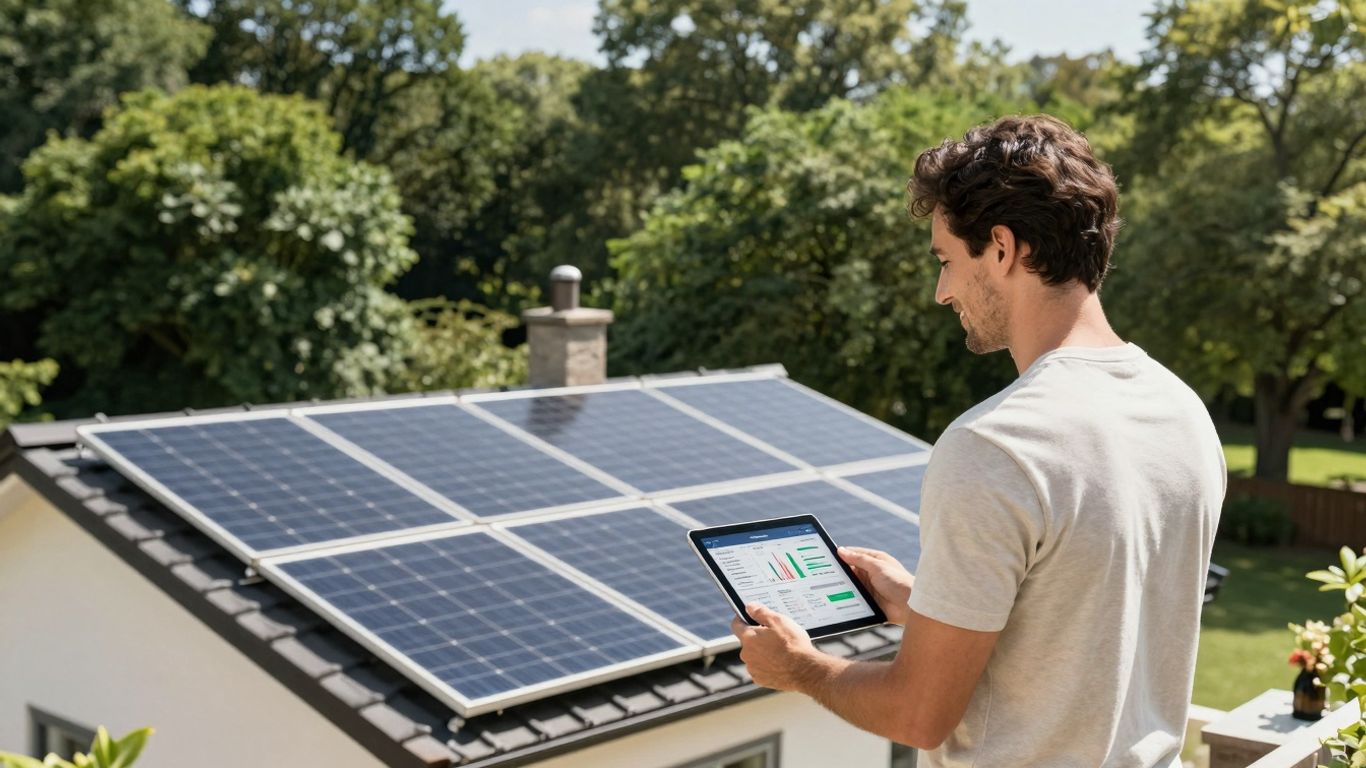
Visualizing How A Solar Panel Loan Can Lead To Net-Positive Monthly Savings Within Five Years.
Property-Assessed Clean Energy, or PACE, programs are a way to finance energy-efficient upgrades, including solar panels, where the cost is added to your property tax bill. This means the loan is tied to the property, not to you personally, which can make it easier to qualify and transfer if you sell your home.
These programs are typically offered at the municipal level, so availability can vary quite a bit depending on where you live. It’s not as common in Canada as it is in the United States, but there are definitely options popping up.
Here’s how they generally work:
- Assessment: Your property is assessed to see if it qualifies for the program.
- Installation: You work with an approved contractor to install your solar panels or other eligible upgrades.
- Repayment: The cost of the project is repaid over a set number of years through your regular property tax installments.
- Transferability: If you sell your home, the remaining balance of the PACE assessment can be transferred to the new owner.
Some municipalities might have specific programs with different loan limits and terms. For instance, the City of Ottawa offers PACE loans up to $125,000 with a 20-year repayment period. Other cities might have different structures, so it’s always a good idea to check with your local government or utility provider.
PACE programs can be a really straightforward way to pay for solar if your municipality offers one. Because the assessment is on the property, it often bypasses some of the stricter credit checks you might face with other types of loans. It’s like making your house pay for its own upgrade over time.
2. Home Equity Line of Credit (HELOC)
A Home Equity Line of Credit, or HELOC, is a flexible loan that lets you borrow against the equity you’ve built up in your home. Think of it like a credit card, but for a much larger amount and secured by your house. You get a credit limit, and you can draw funds as needed, paying interest only on what you use. This can be a good option for solar panel installation if you have a significant amount of equity in your home and want the flexibility to draw funds over time.
The main advantage of a HELOC is its adaptability; you can borrow, repay, and borrow again up to your credit limit. This makes it useful if your solar project has multiple phases or if you want to cover unexpected costs that might pop up during installation.
Here’s a quick look at how it generally works:
- Accessing Funds: You can usually access your HELOC funds through checks, online transfers, or a special card. It’s not a lump sum like a traditional loan.
- Interest Rates: HELOCs often have variable interest rates, meaning they can go up or down based on market conditions. This can be a risk if rates climb significantly.
- Repayment: During a draw period, you might only need to make interest payments. After that, you enter a repayment period where you pay back both principal and interest.
Qualifying for a HELOC typically involves a good credit score, a stable income, and a low debt-to-income ratio. Lenders will also look at how much equity you have in your home – the difference between your home’s value and what you owe on your mortgage. Generally, you’ll need to have at least 20% equity to qualify.
While a HELOC offers great flexibility, remember that your home is collateral. If you can’t make payments, the lender could foreclose on your house. It’s important to have a solid plan for repayment and to only borrow what you’re confident you can pay back.
3. RBC Energy Saver Loan
Looking for a way to finance those solar panels and maybe get a little something back? The RBC Energy Saver Loan could be worth a look. This loan is designed to help homeowners in Ontario finance energy-efficient upgrades, including solar panel installations. It offers a neat incentive: either a 1% discount on your loan’s interest rate or a R100 rebate towards a home energy audit.
To qualify, you’ll need to secure a fixed-rate loan of over R5,000 for eligible products or services. Think solar panels, ENERGY STAR appliances, or other upgrades recommended by a home energy audit. The loan itself comes with flexible terms, usually ranging from 5 to 10 years, depending on how much you borrow. Plus, you get options for payment frequency – monthly, bi-weekly, or weekly – and you can even set up automatic withdrawals.
One of the best parts? There are no penalties for paying off your loan early. So, if you get a windfall or just want to be debt-free sooner, you can do that without extra charges. They also offer a skip-a-payment option, which can be a lifesaver if you hit a tight spot, though interest still accrues during that time.
Here’s a quick rundown of what makes it appealing:
- Incentive: Get 1% off your interest rate or a $100 rebate for a home energy audit.
- Loan Amount: Fixed-rate installment loans of at least $5,000 are required to get the incentive.
- Eligible Upgrades: Includes renewable energy projects like solar panels, ENERGY STAR products, and items recommended by a home energy audit.
- Payment Flexibility: Choose your payment schedule and enjoy no early repayment charges.
To get that $100 rebate for the audit, you’ll need to have the audit done either 90 days before or 90 days after your loan is approved. Then, you submit your receipt to RBC within 120 days of getting the loan. It’s a good way to get a professional assessment of your home’s energy use and potentially save some money on the loan itself.
4. Manitoba Hydro Home Energy Efficiency Loan
If you’re a homeowner in Manitoba looking to make your home more energy-efficient, especially with solar panels, the Manitoba Hydro Home Energy Efficiency Loan is definitely worth a look. It’s a pretty straightforward way to finance upgrades, and the payments get rolled right into your regular energy bill, which is super convenient. No need to worry about a down payment either, as Manitoba Hydro pays the contractor directly. This program is designed to make energy-saving upgrades more accessible for residents.
Here’s a quick rundown of what you need to know:
- Financing Details: You can borrow up to $12,500 per residence. The interest rate is 6.20% (O.A.C.) for the first five years. Loan terms can go up to 15 years for certain technologies, though the standard term is five years. The minimum loan amount you can get is $500.
- Eligibility: You need to own the home and have an active account with Manitoba Hydro, plus be approved for credit. The home must be your primary residence or your tenant’s primary residence. Detached and semi-detached homes are eligible, and mobile homes on permanent foundations can qualify too, provided you own the land.
- What’s Covered: The loan can be used for various energy efficiency upgrades, including solar photovoltaic systems. However, it’s important that the upgrades meet specific levels set in partnership with Efficiency Manitoba.
There are a few things that aren’t eligible, like unoccupied homes, seasonal properties, apartment buildings, and projects that are already underway or completed. Also, you can’t finance labor only, and your own labor for DIY projects isn’t covered – only materials and equipment are.
Applying before starting any work or buying materials is key. Manitoba Hydro needs to approve your application first. This ensures everything aligns with their program requirements and helps you avoid any surprises down the line.
Repaying the loan is simple, with monthly payments added to your energy bill. You can make extra payments anytime without penalty, though there’s a small administrative fee if you pay the loan off completely within the first six months. Keep in mind, the loan becomes due if you sell or transfer ownership of the home; it’s not transferable to a new owner. If you’re considering solar panels, checking out the Manitoba Hydro financing options is a smart move.
5. City of Toronto Home Energy Loan Program (HELP)
Thinking about solar panels for your Toronto home? The City of Toronto’s Home Energy Loan Program, often called HELP, could be a good option to look into. This program is designed to help homeowners finance energy-efficient upgrades, and yes, that includes solar photovoltaic (PV) systems. It’s not just for solar, though; it covers a pretty wide range of improvements that can make your home more comfortable and lower your energy bills.
One of the standout features of the HELP program is the loan amount. You can potentially borrow a significant sum, up to $125,000, which should be enough to cover the cost of a good-sized solar panel installation and maybe even some other upgrades you’ve been considering.
Here’s a quick rundown of what you might expect:
- Loan Amounts: Up to $125,000.
- Eligible Upgrades: Includes solar PV systems, insulation, windows, doors, and more.
- Repayment: Typically rolled into your property tax bill, making it a familiar and often convenient way to pay.
It’s important to remember that programs like this often have specific eligibility requirements. You’ll usually need to be a homeowner, and the property will need to meet certain criteria. Also, the loan is tied to the property, not the individual, which can be a benefit when you eventually sell.
Before you get too far into planning, it’s always a good idea to check the City of Toronto’s official website for the most current details on the HELP program. Things like interest rates, terms, and application processes can change, and you’ll want to make sure you have the latest information before you commit to anything. They’ll have the definitive guide on how to apply and what you’ll need.
6. City of Guelph Greener Homes Loan
The City of Guelph used to offer a Greener Homes Loan program, which was a pretty neat way to finance energy-efficient upgrades for your house. Think of it as a way to make your home more comfortable and maybe save a bit on those energy bills.
Unfortunately, you can no longer apply for this loan, as the application period closed on October 1, 2025. This was part of the larger Canada Greener Homes Loan initiative, and its funding has been fully allocated.
For those who managed to get approved before the deadline, here’s a quick rundown of what the loan entailed:
- Loan Amount: You could borrow anywhere from $5,000 up to a maximum of $40,000. It wasn’t a massive amount, but enough for some significant upgrades.
- Interest Rate: The best part? It was interest-free financing. Yep, zero interest, which really cuts down on the overall cost.
- Repayment Term: You had a decade, or 10 years, to pay it back. This made the monthly payments more manageable.
- Loan Type: It was an unsecured personal loan, meaning you didn’t have to put up your house as collateral, provided you had decent credit.
To even be considered, you needed a pre-retrofit EnerGuide evaluation. This basically means getting an expert to check how energy-efficient your home was before you started any work. You had to submit those results to Natural Resources Canada before you could even think about applying for the loan. It was a bit of a process, for sure.
It’s always a good idea to wait for the loan decision before you start any major work or sign contracts with contractors. Things can change, and you don’t want to be stuck with bills for work that isn’t covered.
If you were approved, you could get a portion of the loan upfront, up to 15%, to help with contractor deposits. The rest came after the work was done and verified. The loan would show up on your credit report, so keeping up with payments was important. While this specific Guelph program is closed, it’s worth keeping an eye out for any future municipal or provincial initiatives that might pop up to help homeowners go green.
7. City of Ottawa PACE Program
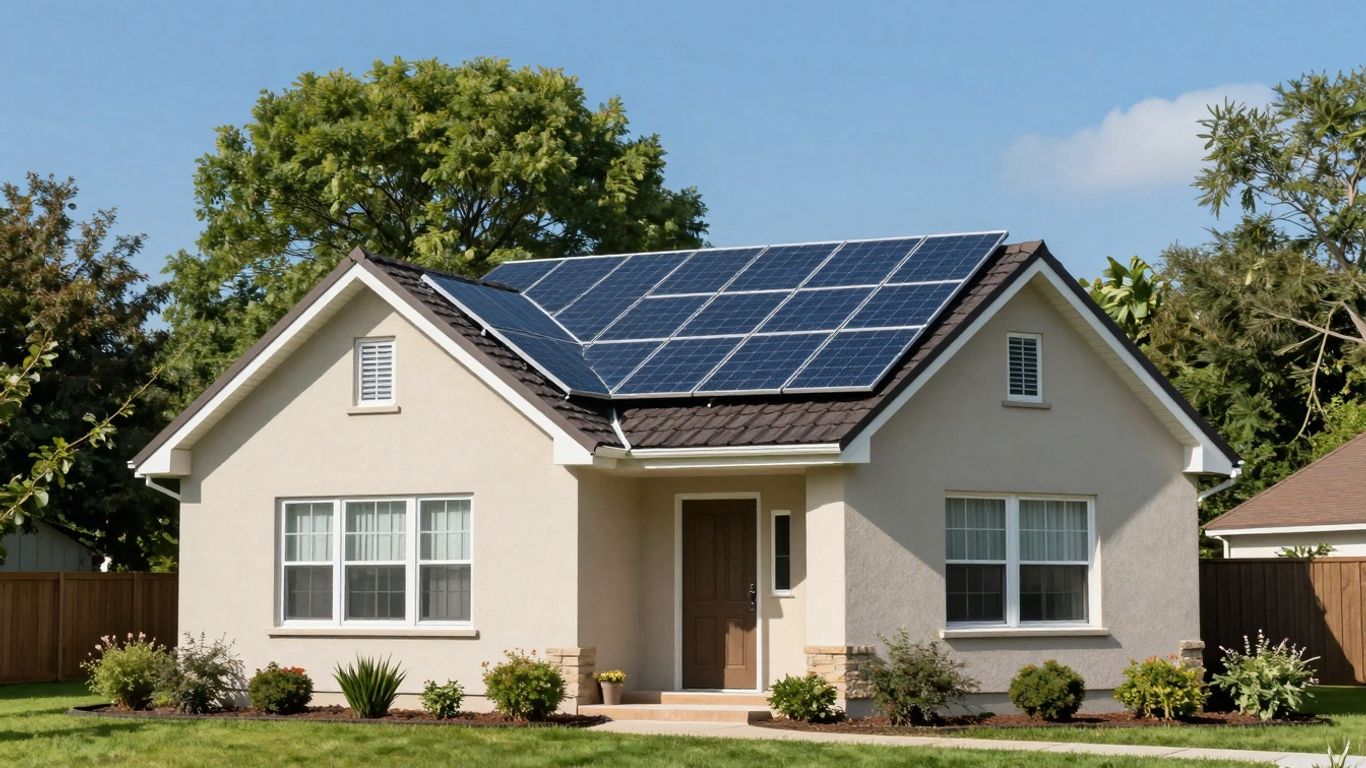
A Typical 72-Month Solar Loan Structure With A Personalized Interest Rate Capped At Prime Plus 2.5%.
The City of Ottawa offers a Property-Assessed Clean Energy (PACE) program that can help homeowners finance solar panel installations and other energy-efficient upgrades. This program allows you to finance improvements and repay the loan through your property tax bill. It’s a way to make significant upgrades without a large upfront cost, spreading the expense over a longer period.
The Ottawa PACE program is designed to be accessible, with loans available for a substantial amount. Here’s a quick look at what it offers:
- Loan Amount: Up to $125,000.
- Repayment Term: Up to 20 years.
- Interest Rate: Low interest.
- How it Works: The loan is tied to your property, not to you personally. This means if you sell your home, the remaining balance can be transferred to the new owner.
To qualify, you’ll typically need to meet certain criteria related to your property and your ability to repay. The city usually works with approved contractors, so you’ll want to ensure your chosen solar installer is part of the program.
The application process generally involves checking your eligibility, getting quotes from participating contractors, and submitting an application. Once approved, the funds are disbursed, and the loan is repaid through your municipal property tax bill, making it a convenient way to manage the costs of going solar.
8. City of Saskatoon Home Energy Loan Program (HELP)
If you’re a homeowner in Saskatoon looking to install solar panels, the City of Saskatoon’s Home Energy Loan Program (HELP) might be just what you need. This program offers a way to finance solar energy systems and other energy-saving upgrades. It’s a municipal loan designed to make going solar more accessible for residents.
The HELP program allows you to borrow a significant amount to cover the costs of your solar panel installation. The loan amounts can go up to $60,000, which should be enough for most residential solar projects. What’s neat about this program is how the repayment works. Instead of a separate bill, your loan payments are added directly to your property tax bill. This can simplify things and make budgeting easier.
Here’s a quick rundown of what you can expect:
- Loan Amount: Up to $60,000 for eligible energy efficiency upgrades, including solar and energy storage.
- Repayment Terms: You have options for how long you want to pay back the loan, typically 5, 10, or 20 years.
- Interest Rate: The program offers a low interest rate, making it an affordable way to finance your solar investment.
- Application Process: You’ll need to apply and get approved before starting any work. The city has specific requirements to ensure the upgrades meet their standards.
Keep in mind that the loan is tied to your property. This means when you sell your home, the outstanding loan balance usually needs to be paid off as part of the sale. It’s a good idea to check the specific terms and conditions with the City of Saskatoon for full details on how this works.
Qualifying for the HELP program generally involves being a homeowner in Saskatoon and meeting certain creditworthiness criteria. You’ll also need to ensure your solar panel installation is done by qualified professionals and meets all local building codes and regulations. It’s always best to contact the City of Saskatoon directly or visit their website for the most current information on eligibility, application procedures, and interest rates.
Ready to take the next step? best solar panel loan and see your personalized options.
9. Prince Edward Island Energy Efficiency Loan Program
If you’re a resident of Prince Edward Island looking to go solar, the provincial government has a program that might interest you. It’s called the Energy Efficiency Loan Program, and it’s designed to help homeowners finance upgrades like solar panel installations. This program offers a fixed interest rate of 5% over a 15-year term, with loan amounts up to $25,000.
Getting started involves a few steps to make sure everything is above board and you qualify. You’ll need to have your application approved before you start any work or buy any equipment. It’s also important that you own the home where the improvements will be made and have an active account with the program administrator. They’ll check your credit too, so keep that in mind.
Here’s a general idea of how it works:
- Application and Approval: Submit your application and get it approved first. This is key.
- Installation: Once approved, you can proceed with installing your solar panels.
- Repayment: You’ll repay the loan over 15 years with fixed monthly payments at that 5% interest rate.
It’s a pretty straightforward way to finance a significant home upgrade. You can find more details about the specific requirements and how to apply on the Efficiency PEI website. They also have information on other net zero funding programs that might be available to you.
This type of loan is tied directly to energy efficiency improvements, making it a targeted option for homeowners focused on reducing their carbon footprint and energy bills. It’s not just for solar, but solar is definitely a major eligible upgrade.
Remember to check the official program details for the most current information, as requirements can sometimes change. It’s always a good idea to compare this option with others to see what best fits your financial situation.
10. Lease-to-Own and Power Purchase Agreements
Sometimes, buying solar panels outright just isn’t in the cards. That’s where lease-to-own and Power Purchase Agreements (PPAs) come in. Think of it like leasing a car, but for your roof. You get the benefits of solar power without the big upfront cost.
With a lease, you pay a fixed monthly fee to use the solar system installed on your property. A PPA is a bit different; you pay for the electricity the panels generate, usually at a set rate. The company that owns the panels handles installation and maintenance, which is a pretty sweet deal.
These agreements typically last between 10 to 25 years. At the end of the term, you usually have a few options: you can buy the system, extend the agreement, or have it removed. It’s important to know what these options are before you sign anything.
Here’s what you should really pay attention to:
- Agreement Length: How long are you locked in?
- End-of-Term Options: What happens when the contract is up? Can you buy it? Extend it?
- Cost vs. Savings: Does the monthly payment make sense compared to how much you expect to save on electricity bills?
- Moving: What happens if you sell your house? Leases aren’t always transferable, so you’ll need to understand the terms for breaking the agreement.
It’s a good idea to have a lawyer or a financial advisor look over any lease or PPA documents before you commit. They can help you spot any tricky clauses or make sure the deal is truly beneficial for you.
Wrapping Up Your Solar Panel Financing Journey
So, getting solar panels for your home is definitely a big step, and figuring out the money part can seem a bit much at first. We’ve looked at different ways to pay for it, from specific government programs to loans you can get from your bank. Remember to check out what’s available in your area, because things like PACE programs or local energy efficiency loans can make a big difference. Don’t forget about options like leases or PPAs if buying outright isn’t in the cards right now, but be sure to read the fine print on those. Ultimately, finding the right loan means looking at interest rates, repayment terms, and what fits your budget best. It might take a little digging, but getting those panels up and running is totally worth it for the long run.
Frequently Asked Questions
What is a PACE program?
PACE stands for Property-Assessed Clean Energy. It’s a way to finance green upgrades like solar panels. The loan is usually paid back through your property taxes, making it easier to manage.
How does a HELOC work for solar panels?
A Home Equity Line of Credit (HELOC) lets you borrow money using the value of your home. You can use this line of credit to pay for solar panels, and you pay it back over time, often with flexible payment options.
What’s the difference between a lease and a Power Purchase Agreement (PPA)?
With a lease, you pay to use the solar panels on your roof. With a PPA, a company installs panels on your property, and you buy the electricity they produce at a set price. Both let you get solar with little to no upfront cost.
Are there loans specifically for energy efficiency upgrades?
Yes! Many places offer special loans for things like solar panels and other energy-saving improvements. These often have lower interest rates and longer payback periods.
How do I qualify for these solar loans?
Qualification usually depends on your credit score, income, and whether you own your home. Some programs might have specific requirements, so it’s good to check with each one.
What happens if I sell my house with a solar loan?
This depends on the loan type. Some loans, like PACE, are tied to the property and transfer to the new owner. Others might need to be paid off when you sell. Always check the loan agreement.
Ready to Start Saving on Your Energy Bills?
Get a free, no-obligation quote from trusted local providers in under 2 minutes.
No obligation • Free estimates • Takes under 2 minutes
Solar Loan From a Credit Union: Pros, Rates & Where to Apply

Thinking about putting solar panels on your roof? That’s great! It’s a big step towards saving money and helping the planet. But, like most home improvement projects, it costs money upfront. One option that many people overlook is getting a solar loan from a credit union. These member-owned places can sometimes offer better deals and a more personal touch than big banks. Let’s look into what a solar loan credit union might offer you.
Key Takeaways
- Credit unions are member-owned financial institutions that often focus on community benefit, which can translate to better loan terms for solar projects.
- When looking for a solar loan credit union, expect potentially lower interest rates compared to traditional banks, due to their community-focused mission.
- Applying for a solar loan at a credit union usually requires membership, specific documentation about your income and home, and a clear application process.
- While credit unions offer a personalized approach, compare their solar loan rates and terms against big banks, installer financing, and specialized solar lenders to find the best fit.
- Key factors for getting approved for a solar loan at a credit union include your credit score, debt-to-income ratio, and proof of homeownership.
Understanding Solar Loans From Credit Unions
The Community-Focused Alternative
When you’re looking into financing for solar panels, you might think of the big banks first. But there’s another option out there that’s gaining traction: credit unions. These aren’t your typical for-profit banks. Instead, they’re owned by their members – people like you and me. This member-owned structure often means they have a different approach to lending, with a stronger focus on helping their community thrive. They might be more willing to work with you on terms that make sense for your situation, especially for projects that benefit the local environment.
Member-Owned Benefits
Because credit unions are member-owned, their primary goal isn’t to maximize profits for shareholders. Instead, they aim to provide financial services that benefit their members. This can translate into several advantages when you’re seeking a solar loan. You might find that they offer more competitive interest rates compared to traditional banks, or perhaps more flexible repayment schedules. The personalized service is another big plus; you’re not just a number, but a member of the credit union family. They often have a vested interest in seeing their members succeed, which can lead to a more supportive loan application process.
Dedicated Green Loan Products
Many credit unions are stepping up to support renewable energy by offering specific “green” loan products. These aren’t just generic personal loans; they’re often tailored for energy-efficient home improvements, including solar panel installations. Some credit unions have even been pioneers in this space, developing loan structures that make it easier for homeowners to go solar. These specialized loans might come with unique benefits, such as slightly lower interest rates or terms designed to align with potential energy savings. It’s worth checking if your local credit union has such a product available, as it could be the perfect fit for your solar project.
Benefits of a Credit Union Solar Loan
When you’re looking into financing for solar panels, credit unions often pop up as a solid choice, and for good reason. They’re not like big banks focused solely on profit; credit unions are member-owned, which changes how they operate. This community-first approach can translate into some real advantages for you as a borrower looking to go solar.
Potentially Better Interest Rates
Because credit unions are member-owned and often have a mission to serve their local communities, they might offer lower interest rates on solar loans compared to larger financial institutions. Their goal isn’t just to make money, but to provide a service that benefits their members. This can mean a noticeable difference in the total cost of your solar system over the life of the loan.
Personalized Service and Flexibility
Dealing with a credit union often feels more personal. You’re not just a number; you’re a member. This can lead to more flexible loan terms and a willingness to work with you to find a solution that fits your specific financial situation. They might be more understanding if you have a slightly less-than-perfect credit history or unique circumstances, especially if you’re a long-time member.
Local Focus and Community Support
Credit unions are deeply rooted in the communities they serve. When you get a solar loan from a credit union, you’re not only investing in your home’s energy future but also supporting a local institution that likely reinvests in your community. Many credit unions also have specific “green” loan products designed to encourage environmentally friendly projects like solar installations, showing a commitment to sustainability that aligns with your own goals.
Navigating Credit Union Solar Loan Rates
When you’re looking into financing for your solar panel system, understanding the interest rates is a big part of the puzzle. Credit unions often present a compelling option, and their rates can be quite competitive. It’s not just about the lowest number you see; it’s about the whole picture of what you’ll pay over the life of the loan.
Competitive Fixed Rates
Many credit unions aim to offer fixed interest rates on their solar loans. This means your interest rate stays the same for the entire loan term, making your monthly payments predictable. While rates can fluctuate based on market conditions, credit unions often have a mandate to serve their members, which can translate into rates that are a bit more favorable than what you might find at a large commercial bank. You might see rates that are a percentage point or two lower, especially when compared to unsecured loans from bigger institutions.
Factors Influencing Your Rate
Several things will play a role in the specific interest rate a credit union offers you. Your credit score is a major one; a higher score generally means a lower rate. The credit union will also look at your debt-to-income ratio to see how much you owe compared to how much you earn. The type of loan you choose – secured by your home or unsecured – also impacts the rate. Sometimes, the loan term itself can affect the rate, with longer terms potentially having slightly different rates than shorter ones.
Understanding Total Cost of Financing
It’s easy to get fixated on just the interest rate, but that’s only part of the story. You need to look at the total cost of financing. This includes not just the interest you’ll pay over the years, but also any potential fees. Some lenders might offer a seemingly low interest rate but charge higher upfront fees, like origination fees or dealer fees, which can significantly increase the overall cost. Always ask for a full breakdown of all costs associated with the loan. A loan with a slightly higher interest rate but no or low fees might end up being cheaper in the long run.
Here’s a look at how loan terms can affect payments and total interest paid (rates are examples):
| Term | Interest Rate | Initial Monthly Payment | Lifetime Interest Paid |
|---|---|---|---|
| 8-year | 6% | R183 | R3,662 |
| 12-year | 5% | R129 | R4,645 |
| 15-year | 8% | R133 | R10,082 |
| 20-year | 9% | R125 | R16,230 |
Remember, a shorter loan term usually means higher monthly payments but less interest paid overall. A longer term means lower monthly payments but more interest paid over time. It’s a trade-off between immediate affordability and long-term savings.
Applying for a Solar Loan at a Credit Union
Membership Requirements
So, you’ve decided a credit union might be the way to go for your solar loan. That’s a smart move, often leading to better terms and a more personal touch. But before you can even apply, you’ll need to become a member. Credit unions are member-owned cooperatives, and that membership is key. Usually, this involves meeting certain criteria, which can be based on where you live, where you work, or even if you belong to a specific group or association. It’s not usually a difficult hurdle to clear, and once you’re in, you’re part of a community that’s invested in your financial well-being.
Required Documentation
Getting your paperwork in order is a big part of the application process. You’ll want to have a few things ready to make things go smoothly. Think of it like gathering ingredients before you start cooking – the more you have on hand, the easier the meal comes together.
- Proof of Identity: This is standard stuff, like a driver’s license or passport. They need to know it’s really you.
- Proof of Income: Pay stubs, tax returns, or bank statements showing regular income. This helps them see you can handle the loan payments.
- Proof of Residence: Utility bills or a lease agreement showing where you live.
- Details of the Solar Project: You’ll likely need the quote from your solar installer, including the total cost, equipment details, and estimated installation timeline. This shows them exactly what you’re financing.
- Information on Existing Debts: Details about other loans or credit card balances can help them assess your overall financial picture.
Ready to take the next step? credit union solar loan and see your personalized options.
The Application Process
Applying for a solar loan at a credit union is pretty straightforward, though it might feel a bit different than going to a big bank. They tend to be more hands-on.
- Initial Contact: Reach out to your credit union. You can often do this online, by phone, or by visiting a local branch. Let them know you’re interested in a solar loan or a green energy loan.
- Membership Application (if needed): If you’re not already a member, you’ll complete a membership application. This is usually quick and painless.
- Loan Application: You’ll fill out the loan application, providing all the documentation we just talked about. Be ready to discuss your solar project details.
- Underwriting: The credit union will review your application, credit history, income, and the details of your solar project. They’re assessing the risk and your ability to repay.
- Loan Approval and Offer: If approved, they’ll present you with a loan offer detailing the amount, interest rate, repayment term, and monthly payments. This is your chance to ask any lingering questions before you commit.
- Closing: Once you accept the offer, you’ll sign the final loan documents. The funds will then be disbursed, often directly to the solar installer, to get your project moving.
Credit unions often pride themselves on their member service. Don’t hesitate to ask questions throughout the process. They’re usually happy to explain things clearly, making sure you feel comfortable with your financing decision.
Comparing Credit Union Loans to Other Options
So, you’re looking into financing your solar panel system, and you’ve heard about credit unions. That’s great! But how do they stack up against other places you might get a loan? Let’s break it down.
Credit Unions vs. Big Banks
Think of big banks as the massive, national chains you see everywhere. They have a lot of resources, sure, but sometimes that means they’re less flexible. Credit unions, on the other hand, are usually smaller and member-owned. This often translates into a more personal touch and a focus on helping their members, which can include offering better rates or more understanding when it comes to loan terms.
- Personalized Service: Credit unions often have staff who get to know you and your financial situation better.
- Community Focus: They tend to prioritize local projects and community well-being, which can extend to green initiatives.
- Potentially Lower Rates: Because they’re not driven solely by profit like big banks, credit unions might offer more competitive fixed rates.
While big banks might offer a standard loan product, a credit union might be more willing to work with you on terms, especially if you’re a long-time member or if the loan is for a project that benefits the local environment.
Credit Unions vs. Installer Financing
Solar installers often have financing partners, and sometimes they advertise “0% interest.” Sounds amazing, right? But here’s the catch: that “0%” deal might come with a higher overall price for your solar system. The installer might build costs into the system price to cover the financing. With a credit union, you’re typically getting a loan based on the actual cash price of the system, and you can shop around for the best rate.
- Convenience: Installer financing bundles everything, which is easy.
- Hidden Costs: Be very careful about inflated system prices with installer financing.
- Transparency: Credit union loans are usually more straightforward about the total cost.
Credit Unions vs. Specialized Solar Lenders
There are companies out there that only do solar loans. They can be a good option, and some offer competitive rates. However, like big banks, they are often for-profit businesses. Credit unions, being member-owned, might offer a slightly different approach. It’s always worth comparing the total cost – including any fees – from both a credit union and a specialized lender to see which one truly saves you more money over the life of the loan.
- Specialization: These lenders know solar inside and out.
- Rate Shopping: You still need to compare their rates and fees carefully.
- Member Benefits: Credit unions might offer additional perks or better terms to their members.
Key Considerations for Solar Loan Approval
Getting the green light for a solar loan from a credit union, or any lender for that matter, usually comes down to a few main things. They want to see that you’re a good bet to pay the money back. It’s not just about wanting solar panels; it’s about showing you can handle the loan.
Credit Score Requirements
Your credit score is a big one. Think of it as a quick snapshot of how you’ve handled borrowed money in the past. Most credit unions will look for a FICO score of at least 650. If your score is in the 680-719 range, you’re likely to get a better interest rate. And if you’re sitting pretty with a score above 720, you’ll probably snag the best rates available. It’s worth checking your score before you even start applying.
Debt-to-Income Ratio
This looks at how much you owe each month compared to how much you earn. Lenders use this to figure out if you can manage new monthly payments. Generally, they like to see your total monthly debt payments (including the new solar loan, mortgage, car payments, etc.) be less than 50% of your gross monthly income. A lower debt-to-income ratio makes you look like a safer borrower.
Homeownership Verification
Since solar panels are typically installed on your home, and often the loan is secured by your home, lenders need to confirm you actually own the place. You’ll need to be listed on the property’s title. This is pretty standard for any loan tied to your house. They’ll want to see proof of ownership, which usually comes up during the mortgage process, but they’ll verify it again for the solar loan.
Lenders want to feel confident that you can repay the loan. They look at your credit history, your income versus your debts, and your ownership of the property where the solar system will be installed. It’s all about managing risk for them and making sure the loan makes sense for your financial situation.
Wrapping It Up
So, you’re thinking about going solar and need a loan. We’ve looked at how credit unions can be a solid choice, often giving you better rates and more personal service than big banks. Remember, they’re member-owned and tend to focus on community. While installer financing might seem easy, always check the fine print. The main takeaway here is that getting solar is a big step, and finding the right loan makes a huge difference in how much you save over time. Do your homework, compare your options, and you’ll be well on your way to a sun-powered home without breaking the bank.
Frequently Asked Questions
What exactly is a credit union, and how is it different from a regular bank?
Think of a credit union as a bank owned by its customers, called members. Instead of aiming to make big profits for shareholders, credit unions focus on helping their members. This often means they can offer better deals, like lower interest rates on loans, and provide more personal service. They’re usually community-focused, too.
Are credit union solar loans a good deal compared to other options?
Often, yes! Credit unions can provide lower interest rates than big banks because their main goal is to serve their members, not just make money. They might also be more flexible with loan terms and offer a more friendly, local experience. It’s definitely worth comparing their offers to those from big banks or solar companies.
What kind of interest rates can I expect from a credit union for a solar loan?
Interest rates can change, but credit unions often have competitive rates, sometimes a bit lower than what you might find at a large bank. The exact rate you get will depend on things like your credit score and the loan terms. It’s always best to get a specific quote to see their current rates.
Do I need to be a member of a credit union to get a solar loan from them?
Yes, you generally do need to become a member of the credit union to take out a loan. Becoming a member is usually quite simple and often just involves opening a basic savings account with a small deposit. Many credit unions serve specific communities or groups, so you might already be eligible.
What documents will I need to apply for a solar loan at a credit union?
You’ll likely need standard identification like a driver’s license, proof of income (like pay stubs or tax returns), information about your home (like property tax statements), and details about the solar installation, such as a quote from the installer. They’ll guide you through the exact list.
What happens if my credit score isn’t perfect?
While a good credit score helps you get the best rates, credit unions might still be able to help even if your score isn’t perfect. They often look at your overall financial picture. Sometimes, having a co-borrower with a stronger credit history can also help you get approved. It’s worth talking to them directly about your situation.
Ready to Start Saving on Your Energy Bills?
Get a free, no-obligation quote from trusted local providers in under 2 minutes.
No obligation • Free estimates • Takes under 2 minutes
Solar Loan Near Me: Local Banks, Credit Unions & Online Lenders Compared
Thinking about going solar? That’s awesome. It’s a big step, and figuring out how to pay for it can feel a bit overwhelming. You’ve got options, from your local credit union to online companies. We’re going to break down what you need to know about getting a solar loan near you, so you can find the best deal for your home. Let’s get this sorted.
Key Takeaways
- When looking for a solar loan near me, credit unions often have the lowest rates because they’re member-focused. Online lenders are faster but usually cost more.
- Your credit score is a big deal. A higher score means a lower interest rate, saving you money over time. Aim for at least 680.
- Don’t just take the first offer. Shop around with different lenders, maybe 3 to 5, within a short time frame to see who gives you the best rate.
- Consider options like home equity loans or state programs if they offer better rates than a standard solar loan. Sometimes these can be cheaper.
- Rates can change. While current rates are competitive, watch for trends. The federal solar tax credit is also a factor, so understand how it works with your loan.
Comparing Solar Loan Near Me Options
When you’re looking for a solar loan, it’s not a one-size-fits-all situation. Different places offer different deals, and what works best for one person might not be the right fit for another. You’ve got credit unions, online lenders, the companies that install your solar panels, and even your regular banks. Each has its own way of doing things, especially when it comes to interest rates and how easy it is to get approved.
Credit Union Solar Loan Rates
Credit unions are often a good place to start. Because they’re not-for-profit and member-focused, they tend to offer pretty competitive rates. You might find rates that are a bit lower than what you’d see at a big bank. The catch? You usually have to be a member, and they might not be everywhere you look. But if you’re already a member or can easily join, it’s worth checking out. Some credit unions might offer rates in the 6-8% APR range, sometimes even lower for folks with great credit.
Top Online Lender Offers
Online lenders are all about speed and convenience. You can often apply and get approved really quickly, sometimes within the same day. They have a wide reach, so location isn’t usually an issue. However, this convenience can sometimes come with higher interest rates compared to credit unions. You might see rates anywhere from around 7% to over 20% APR, depending on your credit and the specific lender. They also tend to have fewer fees, which is a plus.
Solar Company Financing
Many companies that install solar panels also offer financing options, either directly or through partners. This can be super convenient because it bundles the installation and the loan together. The rates can vary a lot, sometimes starting as low as 5% APR if there’s a special promotion, but they can also go up to 18% or more. Sometimes these loans have unique structures, like combo loans, that can help with upfront costs.
Traditional Bank Options
Your local bank or a big national bank might offer personal loans that you could use for solar. They usually have standard personal loan terms. If you’re already a customer and have a good relationship with them, you might get a small discount. However, banks aren’t typically specialists in solar loans, so their rates might not be as competitive as other options, often falling in the 8% to 25% APR range. They also might not have the same flexible terms that a specialized solar lender could offer.
When comparing loan options, it’s not just about the advertised interest rate. You also need to look at fees, loan terms, and any special conditions. A slightly higher rate with no fees might be better than a lower rate with a bunch of upfront charges.
Here’s a quick look at what you might expect:
- Credit Unions: Often lower rates, member-focused, but require membership and may have limited availability.
- Online Lenders: Fast, convenient, widely available, but potentially higher rates and less personal service.
- Solar Installers: Bundled convenience, potentially good promotional rates, but rates can vary widely.
- Traditional Banks: Familiarity, potential relationship discounts, but often less competitive rates and fewer solar-specific features.
Understanding Solar Loan Interest Rates
So, you’re thinking about going solar, which is awesome! But before you sign on the dotted line for that shiny new system, let’s talk about the money part. Specifically, the interest rate on your solar loan. This is a big deal because it affects how much you’ll pay back over time, and honestly, it can add up. The interest rate is probably the single biggest factor in the total cost of your solar loan.
Factors That Determine Your Solar Loan Interest Rate
Lots of things play into what kind of interest rate a lender will offer you. It’s not just a random number they pick out of a hat. Here’s a look at what goes into it:
- Your Credit Score: This is a huge one. Lenders see your credit score as a way to guess how likely you are to pay them back. A higher score usually means a lower rate. We’ll get into this more in a bit.
- Loan Term Length: How long you plan to take to pay the loan back matters. Longer terms might have slightly higher rates because the lender is waiting longer for their money, but your monthly payments will be lower. Shorter terms usually mean lower rates but bigger monthly payments.
- Loan Type: Is it a secured loan (like a home equity loan) or an unsecured one (like a personal loan)? Secured loans are generally less risky for the lender, so they often come with better rates.
- Lender Type: Different places offer different rates. Credit unions are often known for having some of the lowest rates, while online lenders might be faster but sometimes a bit higher. Your regular bank might offer a discount if you’re already a customer.
- Market Conditions: Just like the stock market, interest rates can go up and down based on what’s happening in the economy. The Federal Reserve’s actions can also influence these rates.
Credit Score Impact on Rates
Your credit score is like your financial report card. Lenders use it to gauge risk. If you have a stellar credit score, say 720 or above, you’re in a great position to get the best rates, often below 8% APR. Borrowers with good credit (around 680-719) can still expect competitive rates, usually in the 7% to 12% range. If your score is a bit lower, maybe in the 620-679 range, you’ll likely see higher rates, possibly 10% to 15% or more. Scores below 620 can be tough, and you might need a co-signer or look for specialized lenders.
Loan Term Length Effects
Think of the loan term as the race you’re running to pay off your solar system. A shorter term, like 5 or 7 years, means you’ll pay it off faster, and lenders usually reward that with a lower interest rate. The trade-off? Your monthly payments will be higher. On the flip side, a longer term, say 15 or 20 years, will give you smaller monthly payments, which can be easier on your budget. However, because the lender is waiting for their money for a longer period, they might charge a slightly higher interest rate. It’s a balancing act between monthly affordability and the total interest paid over the life of the loan.
Secured vs. Unsecured Loan Differences
This is a pretty important distinction. A secured loan means you’re putting something up as collateral, usually your home. If you can’t make payments, the lender can take that collateral. Because there’s less risk for the lender, secured loans like home equity loans or HELOCs typically have lower interest rates, often comparable to mortgage rates. An unsecured loan, like a standard personal loan, doesn’t require collateral. This makes it riskier for the lender, so they usually charge a higher interest rate to compensate. For solar, you might see unsecured loans with rates anywhere from 8% to 25% APR, while secured options could be in the 6% to 12% range.
When you’re looking at solar loans, it’s easy to get caught up in just the monthly payment. But really dig into the interest rate and the loan term. A slightly higher monthly payment on a shorter loan term could save you thousands in interest over the years. Always compare the total cost, not just the monthly figure.
It’s worth noting that some programs, like the Canada Greener Homes Loan, offer interest-free financing, which is obviously the best-case scenario if you qualify. Always check for these kinds of special programs!
Securing the Best Solar Loan Near Me Rates
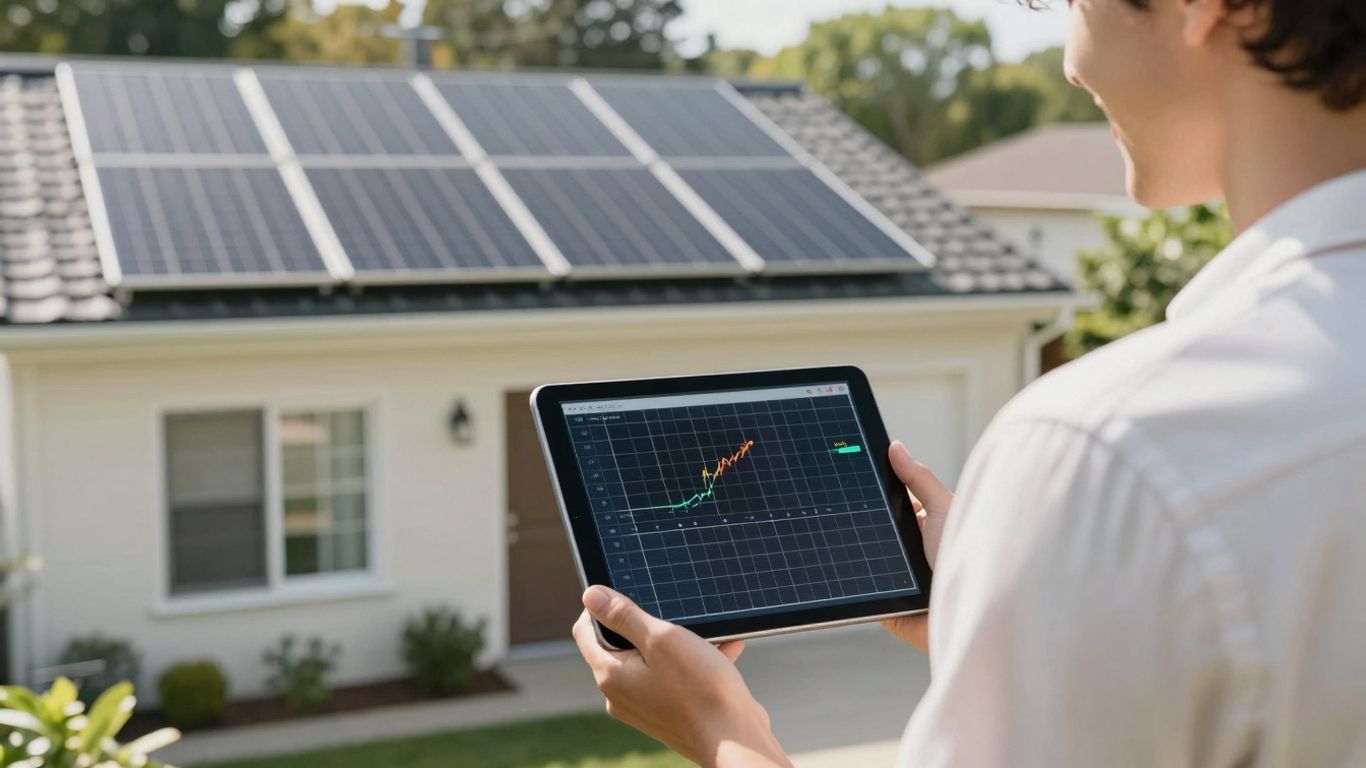
Finding the right solar loan with a good interest rate can feel like a puzzle, but it’s totally doable if you know what to look for. It’s not just about picking the first offer you see; a little bit of homework can save you a good chunk of change over the life of the loan. The key is to be prepared and shop around smart.
Credit Score Optimization Strategies
Your credit score is a big deal when it comes to loan rates. Lenders see it as a sign of how likely you are to pay them back. So, before you even start looking, give your credit score a little TLC. It’s worth the effort.
- Pay down credit card balances: Aim to get your credit utilization ratio below 10%. This means if your credit limit is $10,000, try to owe less than $1,000.
- Pay all bills on time: Seriously, every single bill. Do this consistently for at least a few months before you apply for a loan. Late payments can really hurt your score.
- Check your credit reports: You can get free copies of your credit reports from the major bureaus. Look for any mistakes and dispute them right away. Errors can drag your score down.
- Hold off on new credit: Try not to open a bunch of new credit cards or apply for other loans in the months leading up to your solar loan application. Too many new accounts can make you look like a higher risk.
Shopping Multiple Lenders
This is where you can really make a difference. Don’t just go to one bank or one online lender. You need to compare offers. Think of it like getting quotes for a home renovation – you wouldn’t just ask one contractor, right?
- Start local: Check out credit unions in your area. They often have good rates and are more flexible because they’re member-focused.
- Look online: Online lenders are usually quick and convenient. They often have competitive rates too, but compare them carefully.
- Ask your current bank: If you have a good relationship with your bank, see if they offer any discounts for existing customers.
- Get several quotes: Aim to get offers from at least three to five different lenders. This gives you a solid range to compare.
It’s a good idea to do most of your rate shopping within a short period, like a week or two. This way, the multiple credit checks for loan applications won’t hurt your credit score as much.
Negotiation Tactics
Many people don’t realize that loan rates aren’t always set in stone. You might have some room to negotiate, especially if you’ve done your homework and have other offers in hand.
Don’t be afraid to ask questions. Lenders want your business, and sometimes a polite conversation can lead to a better deal. If one lender offers you a great rate, you can mention that to another lender and see if they can match it or beat it. It never hurts to ask!
- Use competing offers: If you have a lower rate offer from another lender, present it. Ask if they can match or beat it.
- Ask about relationship discounts: If you’re already a customer with a bank or credit union, inquire about any loyalty perks.
- Consider loan amount: Sometimes, slightly adjusting the loan amount might put you into a better interest rate tier. Discuss this with your loan officer.
Alternative Solar Financing Options
Beyond the typical bank loans and credit union offerings, a few other avenues exist for financing your solar panel system. These can sometimes offer unique benefits or lower rates, depending on your situation.
Home Equity Loans and HELOC Rates
If you own your home and have built up some equity, tapping into it can be a smart move for solar financing. A home equity loan gives you a lump sum with a fixed interest rate, making budgeting straightforward. A Home Equity Line of Credit (HELOC), on the other hand, works more like a credit card, offering a revolving credit line with a variable interest rate that you can draw from as needed. Both options often come with lower interest rates compared to unsecured personal loans because they are secured by your home. However, it’s important to remember that your home serves as collateral, meaning failure to repay could put your house at risk.
Here’s a quick look at typical rates:
| Financing Type | Typical APR Range | Rate Type | Max Term | Notes |
|---|---|---|---|---|
| Home Equity Loan | 6% – 12% | Fixed | 30 years | Lump sum, predictable payments |
| HELOC | 5% – 15% | Variable | 30 years | Revolving credit, flexible draw |
| Cash-out Refinance | Varies | Fixed | 30 years | Can have high closing costs |
Personal Loans for Solar
Sometimes, a standard personal loan is the most straightforward way to finance solar, especially if you don’t have home equity or prefer not to use it. These loans are unsecured, meaning they don’t require collateral, which often leads to slightly higher interest rates than home equity options. You’ll find a wide range of rates, typically from 7% to 36% APR, heavily influenced by your credit score and the lender. The terms are usually shorter, often 7 years or less, which means higher monthly payments compared to longer-term loans. It’s a good option if you want a quick approval process and don’t want to tie your solar investment to your home.
Ready to take the next step? local solar lenders and see your personalized options.
State and Local Programs
Don’t overlook what your state or local government might offer! Many areas have specific programs designed to make solar energy more accessible and affordable. These can include:
- Low-Interest Loan Programs: Some states offer loans with rates significantly below market averages, sometimes even as low as 0% APR for qualified individuals. For example, Connecticut’s Energy Conservation Loan Program has offered rates from 0% to 7% APR. These programs are often funded by state energy initiatives.
- Property Assessed Clean Energy (PACE) Programs: Available in certain states, PACE financing allows you to pay for solar through an assessment on your property tax bill. The rates can be competitive, often in the 6% to 12% APR range, and the assessment transfers with the property if you sell your home. This can be a great way to finance solar without impacting your credit score or requiring a down payment.
- Rebates and Grants: While not strictly loans, some local programs might offer direct rebates or grants that can reduce the overall cost of your solar system, lessening the amount you need to finance. Always check with your local utility or energy office for potential incentives.
Exploring these state and local avenues can sometimes lead to the most cost-effective financing solution for your solar project. It’s worth the effort to see what’s available in your specific area. You might find a great deal that makes going solar even more appealing, perhaps even better than a solar lease if ownership is your goal.
Types of Solar Loans and Their Interest Rates
When you’re looking into financing for solar panels, you’ll find there isn’t just one kind of loan. Different structures exist, and they all come with their own set of interest rates and features. Understanding these can really help you pick the best path for your wallet and your home.
Combo Loans (Bridge Loan Structure)
These are pretty specific to solar projects. Think of them as a two-part deal. You’ve got your main loan that covers the cost of the solar system after you’ve applied the federal tax credit. Then, there’s a smaller, ‘bridge’ loan that covers the amount of that tax credit itself. The idea is that you’ll pay off this bridge loan quickly once you get your tax refund. Rates can be a bit all over the place, often from 5% to 15% APR, and that bridge part might even have a higher rate. It’s a way to get the system installed sooner rather than later.
Reamortization Loans
This type of loan is pretty neat because it lets you use your tax credit as a lump-sum payment towards the loan principal. After you do that, the lender recalculates your monthly payments based on the new, lower balance. It’s a smart way to cut down on how much you owe and how much interest you’ll pay over time. Initial rates might be anywhere from 6% to 18% APR, but the big plus is that you can usually apply that tax credit without getting hit with any prepayment penalties. It offers a lot of flexibility.
Personal Loans for Solar
Sometimes, people just use a regular personal loan to pay for their solar setup. These aren’t made specifically for solar, so they don’t have any special features tailored to the industry. You’ll find rates can vary a lot, typically from 7% all the way up to 36% APR, depending on how good your credit is. Plus, these loans usually have shorter repayment periods, often 7 years or less. It’s a straightforward option, but maybe not always the most cost-effective.
Home Equity Loans and HELOC Rates
Using your home’s equity is another popular route, and often, it comes with some of the lowest rates. A home equity loan gives you a lump sum with a fixed interest rate, which can be great for predictable payments. A Home Equity Line of Credit (HELOC) is more like a credit card you can draw from, usually with a variable rate. Both can offer rates from around 8% to 25% APR, and sometimes even lower. The interest you pay might even be tax-deductible if you’re improving your home. Just remember, using your home as collateral means it’s on the line if you can’t make payments.
When you’re comparing loan options, it’s easy to get caught up in just the interest rate. But don’t forget to look at the loan term, any fees involved, and how the loan structure works with things like tax credits. Sometimes a slightly higher rate with a better structure can save you more money in the long run.
Here’s a quick look at how some of these might stack up:
- Combo Loans: Rates often 5%-15% APR, with a bridge component.
- Reamortization Loans: Initial rates 6%-18% APR, flexible after tax credit.
- Personal Loans: Rates typically 7%-36% APR, shorter terms.
- Home Equity Loans: Rates often 8%-25% APR, fixed.
- HELOCs: Rates often 8%-25% APR, variable.
Solar Loan Rate Trends and Future Outlook
Thinking about when to lock in a solar loan can feel a bit like timing the stock market, but understanding the general direction of interest rates can help. Rates for solar loans have generally followed the broader economic trends, but there are some specific things to keep an eye on in the solar financing world.
Historical Rate Trends
Back in 2020 and 2021, things were pretty sweet for borrowers, with solar loan rates hitting historic lows, sometimes dipping below 3% APR. Then, as the Federal Reserve started adjusting its policies, rates began to climb through 2022 and 2023. By 2024, things seemed to stabilize a bit, with most people seeing rates in the 6% to 15% range. The good news is that with more lenders getting into the solar game, competition is keeping rates pretty reasonable.
Federal Reserve Impact
The Federal Reserve’s actions definitely play a role in solar loan rates, but it’s not always a direct one-to-one match. Because the solar market is becoming more specialized, with government incentives and lenders getting better at figuring out the risks, solar loan rates sometimes move with less drama than other types of loans. It’s a bit of a unique market.
Market Predictions for 2025-2026
Looking ahead, most folks in the industry think solar loan rates will stay competitive. If the Federal Reserve decides to lower interest rates, we might even see them dip a little. Plus, expect to see new and improved ways to structure these loans, making them even more accessible. It’s a dynamic market, and staying informed is key. The residential solar market saw a dip in 2024, but financing options are still plentiful.
It’s worth noting that the federal solar tax credit might change or even disappear by the end of 2025. If you’re thinking about going solar, acting sooner rather than later could be a smart move to take full advantage of current incentives. Always factor these credits into your overall cost when comparing loan options. The residential solar market is always evolving, so keeping an eye on these trends is a good idea.
Here’s a quick look at how rates have been moving:
- 2020-2021: Low rates, often below 3% APR.
- 2022-2023: Rates increased following Fed policy changes.
- 2024: Rates stabilized, generally between 6% and 15% APR.
- 2025-2026: Expected to remain competitive, potentially decreasing if the Fed cuts rates.
Wrapping It Up
So, you’ve looked at all the different places to get a loan for solar panels, from your local credit union to online lenders and even some specialized companies. It’s a lot to take in, I know. But the main takeaway is that rates can really change depending on who you ask and your own financial situation. Credit unions often have good rates if you can join, while online lenders are quick but might cost you more in the long run. Don’t forget about those state programs either, they can be a real hidden gem. The big thing is to shop around, check your credit score, and maybe even try to negotiate. Getting the right loan now means saving more money down the road, and that’s always a good thing.
Frequently Asked Questions
What’s a good interest rate for a solar loan right now?
For folks with good credit, a rate under 10% is usually considered good for a solar loan in 2025. If your credit is really good, aim for something below 8%. If your credit isn’t perfect, you might be looking at rates between 10% and 15%. Getting a rate below 6% is fantastic and usually means you’re working with a credit union or a special program.
How do solar loans compare to home loans?
Solar loans often have higher interest rates, usually about 2% to 5% more than home loans. This is because solar loans are typically personal loans that don’t use your house as a guarantee, while home loans are secured by your property. However, if you use a home equity loan for solar, the rates can be much closer to mortgage rates because your home is still the collateral.
Can I get a better rate on my solar loan later?
Yes, you can! If you find a better deal or your credit score improves, you can refinance your solar loan. Just be sure to check if your current loan has any fees for paying it off early. It’s worth refinancing if the new rate is much lower, especially after you get your solar tax credit back.
Does the size of my solar system affect the loan rate?
Usually, the size of your solar system doesn’t change the interest rate much. However, sometimes larger loans might get you into a better rate category with certain lenders. What’s more important is that bigger systems often mean better deals on the installation itself, which boosts your overall savings.
What credit score do I need for the best solar loan rates?
To get the best rates, you’ll generally want a credit score of 720 or higher. But don’t worry if it’s a bit lower; good rates are often available for scores of 680 and up. If your score is between 620 and 679, you can still get approved, but expect higher rates. Scores below 620 might need special lenders or a co-signer.
Are there any extra costs with solar loans?
Yes, some solar loans have extra fees, though many specialized lenders try to avoid them. You might see origination fees (a percentage of the loan amount), late payment fees, and sometimes processing fees. Prepayment penalties are rare but possible. It’s smart to ask lenders about all potential fees upfront.
Ready to Start Saving on Your Energy Bills?
Get a free, no-obligation quote from trusted local providers in under 2 minutes.
No obligation • Free estimates • Takes under 2 minutes
Credit Human Solar Loan Review: Rates, Eligibility & Better Alternatives
Thinking about going solar? It’s a big step, and figuring out the financing can be tricky. Credit Human offers a solar loan, and we’re going to break down what it’s all about. We’ll look at how it works, who can get one, and if it’s really the best choice for you. Plus, we’ll check out some other options out there, just in case.
Key Takeaways
- Credit Human offers solar loans through its Sustainable Home Division, aiming for member benefits and environmental consciousness.
- These loans can feature R0-down options, competitive rates, and no pre-payment penalties, making solar more accessible.
- Eligibility for a credit human solar loan depends on factors like credit score and debt-to-income ratio, plus you need to be a member.
- Some users have reported issues with customer service and communication, which is something to consider.
- Exploring other credit unions, national lenders, and local installer financing can provide a broader range of options.
Understanding Credit Human Solar Loans
Credit Human’s Mission and Values
Credit Human isn’t your typical bank. It’s a not-for-profit credit union, meaning it’s owned and run by its members, not shareholders. This structure often translates into better rates and more member-focused services. Chartered way back in 1935, they’ve been around for a while, building a reputation for community focus. Their core belief is that taking care of your finances and taking care of the environment go hand-in-hand. This philosophy really shines through in their Sustainable Home Division.
Sustainable Home Division Focus
This division is all about helping homeowners make their houses greener and more energy-efficient. Solar loans are a big part of that. They see financing solar as a way to help people reduce their carbon footprint while also saving money on energy bills. It’s a pretty neat approach, aligning financial well-being with environmental responsibility. They want to help people live their dreams, and for many, that includes going solar.
Member-Centric Approach
Because Credit Human is member-owned, their decisions are geared towards benefiting the people who bank with them. This means when you get a solar loan, the focus is on what works best for you, not on maximizing profits for some distant investor. They aim to provide flexible financing options that make going solar more accessible. It’s about serving the members, which is a pretty big deal when you’re looking at a significant investment like a solar panel system. This approach is also seen in their business solar loans, which aim to support companies’ energy needs.
The idea behind Credit Human’s solar loans is to make renewable energy accessible. They believe that by offering competitive rates and flexible terms, they can help more homeowners make the switch to solar, ultimately benefiting both their wallets and the planet. It’s a win-win scenario they’re trying to create for their members.
Credit Human Solar Loan Features and Benefits
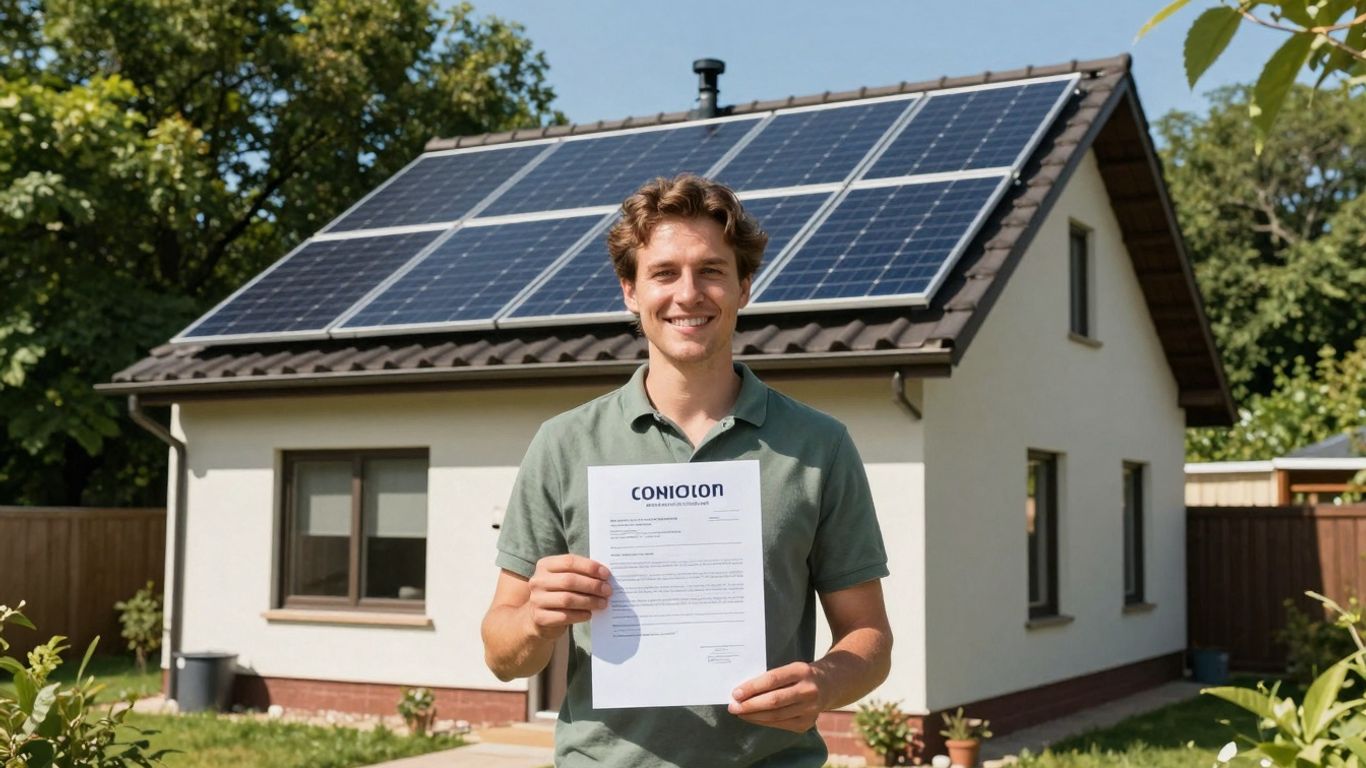
Flexible R 0,00-Down Financing Options
One of the biggest hurdles for many homeowners looking to go solar is the upfront cost. Credit Human aims to make this easier with their $0-down financing options. This means you can potentially get a solar energy system installed without needing to pay a large sum out of pocket. It’s a way to start saving on electricity bills right away, without a big initial investment.
Competitive Interest Rates
While interest rates can fluctuate, Credit Human often provides competitive rates for their solar loans. For example, a 6.99% interest rate on a 20-year loan can make a significant difference in the total cost of your solar project over time. This can be particularly appealing when compared to other financing options or the rising cost of traditional electricity.
Loan Terms and Amounts
Credit Human offers a range of loan terms and amounts to fit different needs. You can borrow anywhere from $12,500 up to $100,000. The loan terms can extend up to 20 years, giving you plenty of time to pay off the system. They also offer a unique feature called “3x re-amortization.” This allows you to lower your monthly payments up to three times over the life of the loan, provided you’ve made a principal payment of at least 10%. This flexibility can be a real lifesaver if your budget tightens up.
No Pre-Payment Penalties
This is a big one. With many loans, you’re penalized if you try to pay them off early. Credit Human’s solar loans don’t have that issue. You can pay extra towards your loan principal or pay it off entirely at any time without incurring any extra fees. This gives you the freedom to save more money if you have the opportunity.
The cost of inaction when it comes to solar can be surprisingly high. If you continue to pay your utility company, especially with rates predicted to climb, you could end up spending tens of thousands of dollars over the next few decades. A solar loan can help you lock in costs and potentially pay less than you currently do for electricity.
Eligibility Requirements for Credit Human Solar Loans
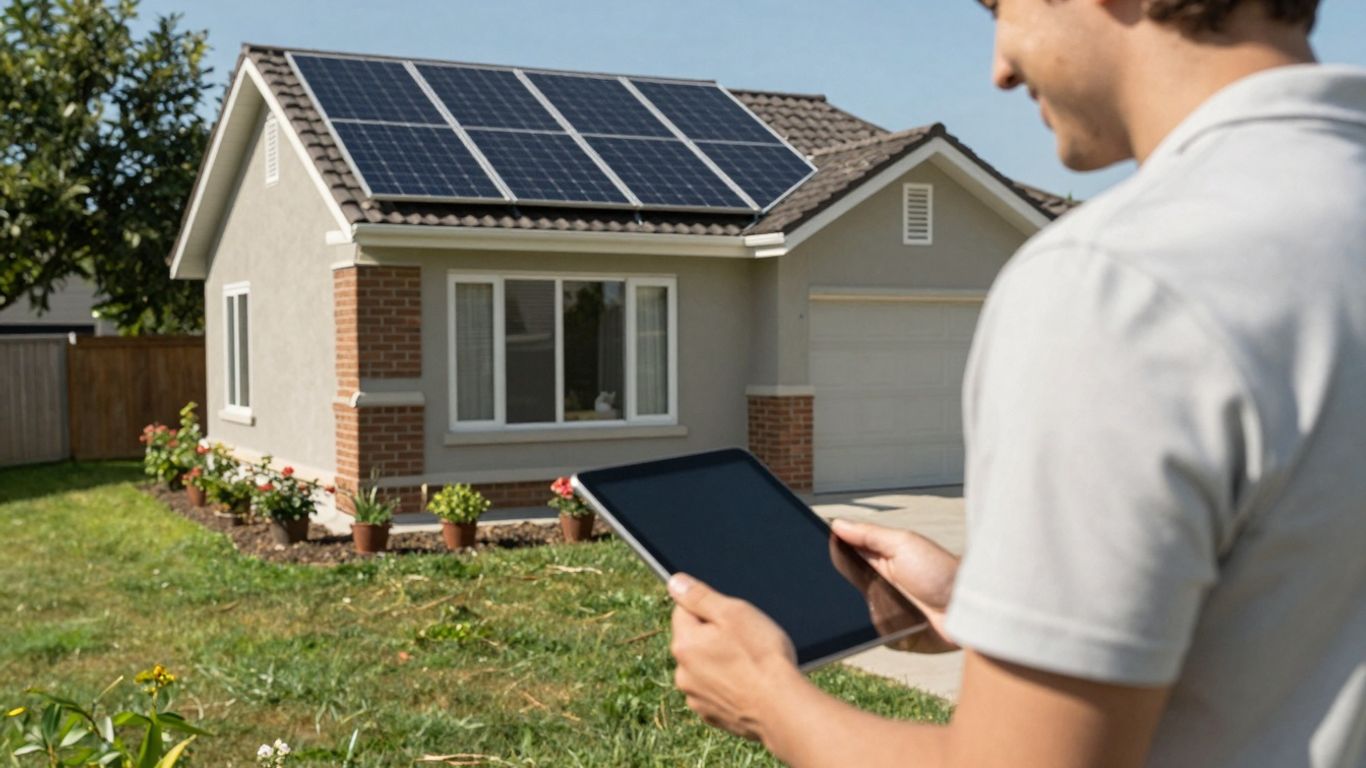
So, you’re thinking about getting solar panels and looking into Credit Human for a loan. That’s smart! But before you get too far, let’s talk about who actually qualifies. It’s not just about wanting solar; there are a few boxes you need to tick.
Credit Score Considerations
Credit Human, like most lenders, looks at your credit score to figure out how risky it might be to lend you money. While they don’t always shout out a specific minimum number, generally, a higher score means a better chance of getting approved and snagging a good interest rate. People with scores in the “good” to “excellent” range (think 670 and up) tend to have the smoothest experience. If your score is a bit lower, it doesn’t automatically mean no, but you might face higher rates or need to provide more documentation.
Debt-to-Income Ratio Impact
This is a big one. Lenders want to know if you can handle another monthly payment on top of your existing debts. They look at your Debt-to-Income ratio, or DTI. This is basically the percentage of your gross monthly income that goes towards paying your monthly debt obligations. If this number is too high, it signals that you might be stretched too thin financially. Some reviews suggest that Credit Human can be strict with DTI, so it’s worth calculating yours beforehand. You can do this by adding up all your monthly debt payments (like mortgage, car loans, credit cards) and dividing that by your gross monthly income.
Membership Requirements
This is a key difference with Credit Human. It’s a credit union, not a bank. This means you have to be a member to get a loan. Don’t worry, though; membership is usually pretty accessible. They serve members across the United States, and often, you can become a member by meeting certain criteria, like living in a specific area or being part of an affiliated organization. Sometimes, there’s a small one-time fee to join, which is often rolled into the loan. It’s definitely worth checking their membership eligibility on their website or giving them a call to see if you qualify to join.
Getting approved for a solar loan involves more than just wanting the panels. Lenders assess your financial health through your credit history and your ability to manage existing debts relative to your income. Membership is also a prerequisite for credit unions like Credit Human, ensuring you’re part of their member-owned community.
Navigating the Credit Human Solar Loan Process
So, you’ve decided to go solar and Credit Human seems like a good fit. That’s great! But what happens next? Getting a solar loan involves a few steps, and understanding them can make the whole thing feel a lot less daunting. It’s not just about filling out a form; there’s a bit of back-and-forth involved.
Application and Approval
First things first, you’ll need to apply. This usually happens either online or through a representative, often with your solar installer. They’ll ask for personal information, details about your income, and your home. Credit Human will then look at your credit history and your debt-to-income ratio to decide if they can approve you for the loan. This approval stage is where they check if you meet their lending criteria. It can take a little time, so patience is key here.
Loan Disbursement
Once you’re approved, the loan funds need to get to where they need to go. Typically, Credit Human will send the money directly to your solar installer. This is usually done after the installation is complete or at a specific milestone agreed upon by all parties. It’s important to know when this happens, as it marks a significant step towards having your solar system up and running.
Ready to take the next step? Credit Human solar loan alternatives and see your personalized options.
Managing Your Loan Account
After the money is out the door, you’ll be managing your loan. This means making regular payments. Credit Human offers a few ways to do this, usually through their online portal or by mail. It’s a good idea to set up automatic payments if you can, just to avoid any late fees. Some members have reported issues with the online platform, so it might be worth double-checking your payment status regularly, especially in the beginning. Keeping good records of your payments is always a smart move.
Some folks have mentioned that keeping track of loan details after payoff can be a bit tricky with Credit Human’s system. It’s not uncommon for loan information to disappear from the online portal once it’s fully paid off. If you think you might need records down the line, it’s best to proactively request written confirmation or statements from them as soon as the loan is settled.
Potential Drawbacks of Credit Human Solar Loans
While Credit Human offers some appealing features for solar financing, it’s not all sunshine and rainbows. Like any financial product, there are a few areas where potential borrowers might run into some snags. It’s good to be aware of these before you jump in.
Customer Service Experiences
Some folks have reported that getting timely and clear answers from Credit Human can be a bit of a challenge. This isn’t to say everyone has a bad experience, but it’s something to keep in mind. If you’re someone who likes to have all your questions answered immediately or needs a lot of hand-holding, you might find this aspect a little frustrating.
Communication Issues
This ties into customer service, but it’s worth highlighting separately. There have been instances where members felt communication was lacking. This could mean not getting written confirmation when expected, or feeling like they’re going in circles when trying to resolve an issue. Clear and consistent communication is pretty important when dealing with loans, especially for a big investment like solar panels.
Online Platform Concerns
For those who prefer managing their finances online, there have been some complaints about Credit Human’s online platform. Some users have found it difficult to use, and there have even been reports of payment issues or a lack of clear transaction history after payments were made. This can be a real headache, especially if you rely on digital tools to keep track of your accounts.
It’s always a good idea to check recent reviews and perhaps even ask your solar installer about their experience working with Credit Human. Sometimes, the installer’s familiarity with a lender can smooth out the process considerably. Don’t be afraid to ask specific questions about how they handle communication and problem-solving for their clients.
Exploring Alternatives to Credit Human Solar Loans
While Credit Human offers a solid option for solar financing, it’s always a good idea to see what else is out there. Different lenders have different strengths, and what works for one person might not be the best fit for another. Let’s look at some other places you might find financing for your solar project.
Other Credit Union Solar Financing
Credit unions are a great place to start because they often have a member-first approach, much like Credit Human. Many credit unions have specific programs for home improvements, including solar installations. They might offer competitive rates, especially if you’re already a member. It’s worth checking with local credit unions in your area, as well as larger, national ones that might have a broader reach. They often focus on community and helping members achieve their goals, which can translate into more flexible loan terms.
National Solar Loan Providers
Beyond credit unions, there are national companies that specialize in solar loans. These providers often have streamlined online application processes and can work with a wide range of credit profiles. Some focus solely on solar, meaning they have a deep understanding of the industry and can offer tailored products. You might find options with varying terms, interest rates, and down payment requirements. It’s a good idea to compare a few of these to see how their rates and terms stack up against Credit Human and other options. Some platforms even work directly with installers, simplifying the process for you.
Local Solar Installers’ Financing
Don’t forget to ask your solar installer about financing options they partner with. Many installers have established relationships with lenders, These partnerships can sometimes lead to special deals or simplified application processes, as the installer is already familiar with the lender’s requirements. They might offer in-house financing or work with a preferred set of lenders. This can be a convenient route, as the installer can guide you through the financing application as part of the overall project setup. It’s important to understand if the installer is offering a loan directly or connecting you with a third-party lender.
When comparing loan offers, pay close attention to the Annual Percentage Rate (APR), the total cost of the loan over its lifetime, and any fees associated with the loan. Sometimes a lower advertised interest rate might come with higher fees, making the overall cost more expensive. Always ask for a full breakdown of costs before committing.
So, What’s the Verdict on Credit Human Solar Loans?
When it comes down to it, Credit Human offers a solar loan option that could be a good fit for some homeowners, especially those looking for a R0-down approach. Their commitment as a not-for-profit credit union means they’re focused on members, not just profits. However, the reviews we looked at show a mixed bag. Some folks had smooth experiences, while others ran into issues with communication, loan details, or even loan approval. It seems like understanding the loan terms, like the re-amortization options and any fees, is super important before you sign anything. If you’re considering Credit Human, it’s definitely worth shopping around and comparing their offer with other lenders, and maybe even looking into other types of financing. Make sure you feel totally comfortable with the process and the numbers before you commit to going solar with them.
Frequently Asked Questions
What exactly is a Credit Human solar loan?
A Credit Human solar loan is a special type of loan offered by Credit Human, a credit union, to help homeowners pay for solar panel systems for their homes. It’s a way to finance going solar, often with good interest rates and flexible payment plans, so you can start using clean energy without a huge upfront cost.
Do I need to be a member of Credit Human to get a solar loan?
Yes, you generally need to be a member of Credit Human to get a solar loan from them. Credit unions are member-owned, so their services are for their members. Becoming a member is usually straightforward and opens up access to their financial products, like solar loans.
What kind of interest rates can I expect with a Credit Human solar loan?
Credit Human aims to offer competitive interest rates on their solar loans. While rates can change, they often provide lower rates compared to some other lenders because they are a not-for-profit organization focused on serving their members rather than making big profits for shareholders. It’s always best to check their current rates.
Are there any fees involved with these solar loans?
Typically, there might be a small loan fee, like the $295 mentioned, which can be rolled into the loan itself. Importantly, Credit Human usually doesn’t charge extra fees if you decide to pay off your loan early, which is a great benefit. Always confirm the exact fees when you apply.
Can I pay off my solar loan early without penalty?
Yes, a significant advantage of Credit Human’s solar loans is that they typically do not have any pre-payment penalties. This means you can pay off your loan faster if you have extra money, without being charged extra fees for doing so.
What if I have problems with my Credit Human solar loan account?
Some customers have reported issues with customer service, communication, and their online platform. If you encounter problems, it’s recommended to try reaching out directly to them, documenting your interactions, and if needed, escalating your concerns to a manager or their support channels.
Ready to Start Saving on Your Energy Bills?
Get a free, no-obligation quote from trusted local providers in under 2 minutes.
No obligation • Free estimates • Takes under 2 minutes
Solar Panel Loan Rates Compared: Typical APRs, Terms & Best Deals

Thinking about going solar? That’s great! It’s a big step, and figuring out how to pay for it can feel overwhelming. You’ve probably heard about solar panel loans, but what’s the deal with solar panel loan rates? It’s not always straightforward. There are different types of loans, varying interest rates, and a bunch of other things to consider. Let’s break down what you need to know to find the best option for your home.
Key Takeaways
- Typical solar panel loan rates can range from around 4% to 17% APR, but this varies based on your credit score, the loan term, and the lender.
- Loan terms for solar panels usually span 15 to 25 years, helping to match monthly payments with expected energy savings.
- Secured solar loans, backed by collateral like your home, often have lower rates than unsecured loans, but carry more risk.
- Consider federal and state tax incentives, home equity loans, or HELOCs as alternative financing options that might offer better rates.
- Shopping around, improving your credit score, and potentially using a co-signer can help you secure the best possible solar panel loan rates.
Typical Solar Loan APRs
When you’re looking into financing for solar panels, the Annual Percentage Rate, or APR, is a big number to pay attention to. It basically tells you the yearly cost of borrowing money, including interest and certain fees. For unsecured solar loans, you’ll often see APRs ranging from about 3% to 7%, though this can fluctuate.
It’s interesting how these rates are sometimes kept lower by adding in “dealer fees.” Think of it like this: the company offering the loan wants to make sure they get paid well, so they might boost a fee that’s rolled into the loan’s total cost. This way, they can advertise a seemingly lower interest rate, but the overall cost to you might be a bit higher than it first appears.
On the flip side, secured solar loans, often offered by credit unions, might not have those extra dealer fees. However, their APRs can sometimes be a bit higher, maybe in the 7% to 9% range. It really depends on the lender and whether they’re asking for collateral, like your home or the panels themselves, to back the loan.
Here’s a general idea of what some providers have offered, though remember these are just snapshots and rates change:
- Mosaic: Around 5.7% APR for a 20-year term.
- Sunlight Financial: About 5.2% APR, also typically for 20 years.
- GoodLeap: Often has lower rates, around 4% APR, with longer terms up to 25 years.
- Clean Energy Credit Union: Might see rates closer to 7% APR for 15-year loans.
It’s not just about the sticker price of the loan. You’ve got to look at the whole picture – the interest rate, any extra fees, and how long you’ll be paying it off. Sometimes a slightly higher APR with no hidden fees is better than a lower advertised rate that includes a bunch of extra charges.
So, while a low APR sounds great, it’s worth digging a little deeper to understand what’s really included in that number. Comparing offers from different places is key to finding the best deal for your solar setup.
Solar Loan Term Lengths
When you’re looking into financing for solar panels, one of the big things to figure out is how long you want to take to pay it off. This is called the loan term, and it can really change how your monthly payments look.
Most solar loans out there tend to fall somewhere between 15 and 20 years. It’s pretty common, and it gives you a decent amount of time to spread out the cost. But, you’re starting to see more options for longer terms, like 25 years, popping up. Some companies even offer loans that stretch out to 30 years, especially if they’re bundled with things like long-term warranties on the equipment and installation.
The sweet spot for a loan term is often when your monthly solar payment is close to what you were paying for electricity before you got the panels. This way, you’re not really spending extra money each month in the beginning. As electricity rates go up over time (which they usually do), your savings start to grow, and you end up paying less than you would have otherwise.
Here’s a quick look at typical term lengths:
- 15-year loans: These mean higher monthly payments but you’ll own your system outright sooner and pay less interest overall.
- 20-year loans: A popular middle ground, balancing monthly costs with the total interest paid.
- 25-year loans: Lower monthly payments, but you’ll pay more interest over the life of the loan. These are often paired with longer equipment warranties.
Choosing the right term length really depends on your personal finances and how long you plan to stay in your home. If you’re a long-term homeowner, a longer term might make sense for lower monthly bills. If you think you might move in 10-15 years, a shorter term could be better so you’re not transferring a big loan to a new buyer or paying it off before you sell.
Some loans might have a “balloon payment” feature, which is a bit different. With these, your initial monthly payments are lower, but you’re left with a big lump sum to pay off at the end of the loan term. It’s important to understand if your loan has this, as it can be a surprise if you’re not expecting it.
Best Solar Panel Loan Providers
Finding the right lender for your solar panel system can feel like a puzzle, but there are some solid options out there. Many solar installers work with specific financing partners, and some even offer their own in-house loans. It’s always a good idea to compare what’s available.
Some of the companies frequently mentioned by installers include Mosaic, Sunlight Financial, and GoodLeap. These providers often have established relationships within the solar industry, which can sometimes streamline the process. You might also find options through Dividend Finance or Energy Loan Network. For those who prefer working with member-owned institutions, credit unions like Clean Energy Credit Union can be a great choice, though their rates might differ.
Here’s a look at some providers and what they’ve offered:
- Mosaic: Often seen with 20-year terms.
- Sunlight Financial: Similar to Mosaic, frequently offering 20-year terms.
- GoodLeap: Known for longer terms, sometimes up to 25 years.
- Dividend Finance: Typically offers 20-year loan terms.
- Energy Loan Network: Might offer shorter terms, around 15 years.
- Clean Energy Credit Union: Rates can vary, but they often provide 15-year terms.
Beyond these, don’t forget to check out local credit unions in your state, like UMassFive or Puget Sound CCU, if they serve your area. State-specific programs, such as MichiganSaves, can also be a resource. Other financial institutions like Home Loan Investment Bank and Lightstream Financial might also have solar financing options worth exploring.
When you’re comparing loan providers, it’s not just about the interest rate. Look at the total cost over the life of the loan, including any fees. Also, consider how long you want to finance the system – a shorter term means higher monthly payments but less interest paid overall, while a longer term lowers your monthly payment but increases the total interest.
Always shop around and compare offers from multiple lenders before making a decision. Understanding the terms, fees, and your own financial goals will help you pick the best fit for your new solar energy system.
Secured Vs. Unsecured Solar Loans

Professional Guidance To Help You Navigate Your Solar Panel Loan And Maximize Savings.
When you’re looking into financing for solar panels, you’ll run into two main types of loans: secured and unsecured. It’s a pretty big difference, and it can affect how much you pay and what happens if things go sideways.
Secured solar loans are backed by collateral. Think of collateral as something the lender can take if you stop making payments. For solar loans, this is often your home’s equity or sometimes even the solar panel system itself. Because the lender has this safety net, they usually offer better terms, like lower interest rates and longer repayment periods. It’s generally a less risky option for you if you’re comfortable using your home as security.
On the flip side, unsecured solar loans don’t have any collateral. This means the lender is taking on more risk. To make up for that, they typically come with higher interest rates and sometimes shorter repayment windows. These loans are more like a standard personal loan, where the lender is just trusting your promise to pay.
Here’s a quick look at the main differences:
- Secured Loans:
- Require collateral (like home equity).
- Generally have lower interest rates.
- Lender can repossess collateral if you default.
- Unsecured Loans:
- No collateral required.
- Typically have higher interest rates.
- Default can still lead to legal action, but no specific asset is immediately seized.
Choosing between the two often comes down to your financial situation and how much risk you’re willing to take. If you have a good amount of home equity and a stable income, a secured loan might be the way to go for potentially saving money over time. If you don’t have equity or prefer not to tie your home to the loan, an unsecured option might be better, even with the higher rate.
If you can’t make your payments on a secured loan, the lender has the right to take the collateral. For a solar loan secured by your home, this could mean losing your house. If you sell your home before the loan is paid off, you’ll usually need to pay off the remaining balance or have the buyer agree to take over the loan, which isn’t always straightforward.
How Solar Loans Work
So, you’re thinking about getting solar panels but the upfront cost is making your head spin? That’s where solar loans come in. Basically, it’s a way to borrow money specifically to pay for your solar energy system. This means you can start using solar power without needing all the cash right away. It’s a pretty common way for folks to go solar these days.
When you get a solar loan, you’re essentially taking out a loan that’s tied to the solar installation. The lender pays the installer, and then you pay back the lender over time. The whole point is to make solar energy accessible without a massive initial payment.
Here’s a quick rundown of what you’ll usually encounter:
- Loan Amount: This is the total cost of your solar system, including installation. Some loans might cover 100% of it.
- Interest Rate (APR): This is the cost of borrowing the money. It can vary a lot between lenders, so shopping around is key.
- Loan Term: This is how long you have to pay the loan back, often ranging from 10 to 25 years.
- Monthly Payments: Based on the loan amount, interest rate, and term, you’ll have a set monthly payment. Some loans might offer zero-down options, which is nice.
It’s not quite like getting a car loan or a personal loan. Often, the solar company you’re working with will have financing partners, and they can present you with loan offers right there. This can make the process feel pretty streamlined.
Keep in mind that the advertised interest rate, or APR, might not tell the whole story. Sometimes there are extra fees rolled into the loan that can increase the overall cost. It’s always a good idea to ask for a full breakdown of all charges before you sign anything.
Think of it like this: you get the benefits of solar power now, and you pay for it gradually. It’s a way to invest in your home and potentially lower your energy bills over the long run. You can explore different solar loan providers to see what fits your budget best.
Dealer Fees Explained
Okay, so let’s talk about dealer fees. These are a bit of a sneaky part of some solar loan agreements, and you really need to pay attention to them. Basically, when a solar installer works with a lender to get you financing, the lender might charge the installer a fee. The installer then passes that cost right onto you, the homeowner, by adding it to your loan amount. This fee can significantly increase the total cost of your solar system.
These fees go by a few different names – sometimes they’re called “program fees,” “finance fees,” or even “buy downs.” The idea behind them is often to keep the advertised interest rate looking low, but that upfront fee inflates the actual amount you borrow. For example, if a solar system costs $30,000 in cash, but the loan includes a 25% dealer fee, you’d be financing $37,500 plus interest. The lender pockets that extra $7,500, and the installer gets their money upfront.
It’s super important to ask for a cash price quote alongside any financed quote. The difference between those two numbers is pretty much your dealer fee. Don’t be afraid to ask your installer exactly what that difference represents. Some companies are upfront about it, while others might try to gloss over it. Remember, these fees can add thousands to your bill, so understanding them is key to getting a good deal on your solar setup. It’s worth looking into how these fees impact your overall investment solar leases and loans.
Here’s a quick rundown of what to watch out for:
- Ask for the cash price: Always compare this to the financed price.
- Inquire about the fee percentage: Know how much extra you’re paying.
- Understand the lender’s role: Who is actually charging the fee and why?
- Check the APR carefully: Make sure it reflects the total cost, including fees.
Sometimes, the advertised interest rate on a solar loan doesn’t tell the whole story. Dealer fees are tacked onto the loan principal, meaning you borrow more than the system’s actual cost. This extra amount goes to the lender or installer, not towards your solar panels, and it increases the total interest you’ll pay over time.
Balloon Payments
So, let’s talk about balloon payments. It’s a bit of a tricky part of some solar loans that you really need to get your head around before signing anything. Basically, a balloon payment is a large, lump sum payment that’s due at the very end of your loan term. But with solar loans, it often comes up much sooner, usually around 12 to 18 months after you get the loan.
Here’s the deal: many solar loans are structured with the expectation that you’ll use the federal solar tax credit to pay off a big chunk of the loan. This tax credit is typically 30% of your system’s cost. The loan payment is calculated as if you’ll make this large payment, often called an “incentive payment,” within that first year and a half. If you don’t make that payment, your monthly payments can jump up significantly. It’s like the lender is saying, ‘Hey, you’re supposed to get this money back from the government, so use it to pay us back a big chunk, or your monthly bill is going to get a lot higher.’
This can be a real problem for a few reasons:
- Tax Credit Uncertainty: You’re not guaranteed to get the full tax credit amount, especially if your tax liability is lower than the credit’s value. The credit is non-refundable, meaning it can only reduce your tax bill to zero. Any leftover credit gets carried over, but you still owe the full balloon payment amount.
- Hidden Costs: Sometimes, these “expected” payments aren’t made super clear when you’re signing the loan documents, especially if you’re doing it all on a tablet. It’s easy to miss the fine print.
- Cash Flow Issues: Even if you get the tax credit, you might have already used that money for other things by the time the balloon payment is due. Then you’re stuck with a much higher monthly payment.
It’s really important to ask your lender exactly how the loan is structured around the federal tax credit. Find out if a balloon payment is required, what happens if you can’t make it, and how your monthly payments will change. Don’t just assume everything will work out perfectly with the tax credit; have a backup plan.
For example, one person might have had their monthly payment jump from $180 to $250 because they couldn’t make a $9,000 balloon payment, which would end up costing them thousands more over the life of the loan. It’s a big deal, so make sure you understand the terms of your solar loan agreement before you commit.
Federal Solar Tax Incentives
Thinking about going solar? The federal government offers a pretty sweet deal to help make it happen: the Residential Clean Energy Credit. This tax credit lets you deduct a percentage of your solar system’s cost right off your federal taxes. It’s a big reason why so many people are looking into solar power these days.
The Inflation Reduction Act of 2022 really boosted this incentive, extending it through 2034. For most of that period, from 2022 to 2032, you can claim 30% of your installation costs. After that, it steps down a bit to 26% in 2033 and 22% in 2034.
Here’s a quick rundown of how it generally works:
- Eligibility: You need to own your home and install the solar panels on it. Renters usually can’t claim this credit.
- Claiming the Credit: You claim it when you file your federal income taxes for the year the system is installed.
- Non-Refundable: This is important – the credit can reduce your tax bill to zero, but you won’t get any of it back as a refund if it’s more than what you owe in taxes.
- Timing: If you install panels in January, you won’t see the benefit until you file your taxes the following year.
It’s really common for solar companies to talk up this tax credit, sometimes making it sound like an instant discount. But remember, it’s a tax credit, not cash back. You need to have enough tax liability to actually use the credit. Plus, the amount you get depends on your specific tax situation, which the installer might not know.
While the tax credit is a fantastic incentive, it’s not the only federal support out there. The Inflation Reduction Act also set aside billions for a Greenhouse Gas Reduction Fund, which could lead to more financing options for solar projects down the line, though the specifics are still being worked out by grant recipients.
State Solar Incentives
Beyond federal programs, many states offer their own incentives to make going solar even more affordable. These can really add up and make a big difference in the overall cost of your system. Think of them as extra bonuses for choosing clean energy.
These state-level programs come in various forms, and what’s available can depend heavily on where you live. Some states focus on direct rebates, while others offer tax credits or performance-based incentives.
Here are some common types of state solar incentives:
- Rebates: Direct cash back from the state or a utility company after you install your system. These can be a fixed amount or based on the system’s size.
- Tax Credits: Similar to the federal Investment Tax Credit, but at the state level. These reduce your state income tax liability.
- Performance-Based Incentives (PBIs): You get paid for the actual electricity your solar panels produce over a set period. This often comes in the form of Solar Renewable Energy Certificates (SRECs), which you can sell to utilities.
- Sales Tax Exemptions: You don’t have to pay state sales tax on the purchase of solar equipment.
- Property Tax Exemptions: The added value of your solar system doesn’t increase your property taxes.
It’s a good idea to check with your state’s energy office or a reputable solar installer to find out exactly what incentives are available in your area. They can help you understand the specifics and how to apply.
The landscape of state incentives is always changing. What’s offered today might be different next year, so it’s wise to research current programs before making a decision. Some states have specific requirements, like needing to use certified installers or specific types of equipment, so always read the fine print.
Home Equity Loans
If you’ve got some equity built up in your home, a home equity loan is definitely something to look into for financing solar panels. Think of it like borrowing against the value of your house. Because the loan is secured by your home, the interest rates are usually pretty good, often lower than what you’d find with a personal solar loan. Lenders typically let you borrow up to a certain percentage of your home’s equity, usually around 85%.
This means you could potentially finance a significant portion, if not all, of your solar panel system.
Here’s a quick rundown of how it generally works:
- Assess Your Equity: Figure out how much equity you have in your home. This is the difference between your home’s current market value and what you still owe on your mortgage.
- Shop Around: Compare offers from different lenders. Look at the interest rates, fees, and repayment terms.
- Application & Approval: You’ll go through a loan application process, which usually involves a home appraisal.
- Funding: Once approved, you’ll receive the loan amount as a lump sum, which you can then use to pay for your solar installation.
It’s important to remember that since your home is collateral, defaulting on a home equity loan could lead to foreclosure. So, make sure you’re comfortable with the repayment schedule. Some homeowners find that a Green Improvement Loan might be a good alternative if home equity isn’t an option or if they prefer a different structure.
While a home equity loan can be a smart way to finance solar, it’s not without its risks. You’re essentially putting your home on the line, so it’s vital to have a solid plan for repayment and to fully understand all the terms before you sign anything.
Home Equity Lines Of Credit
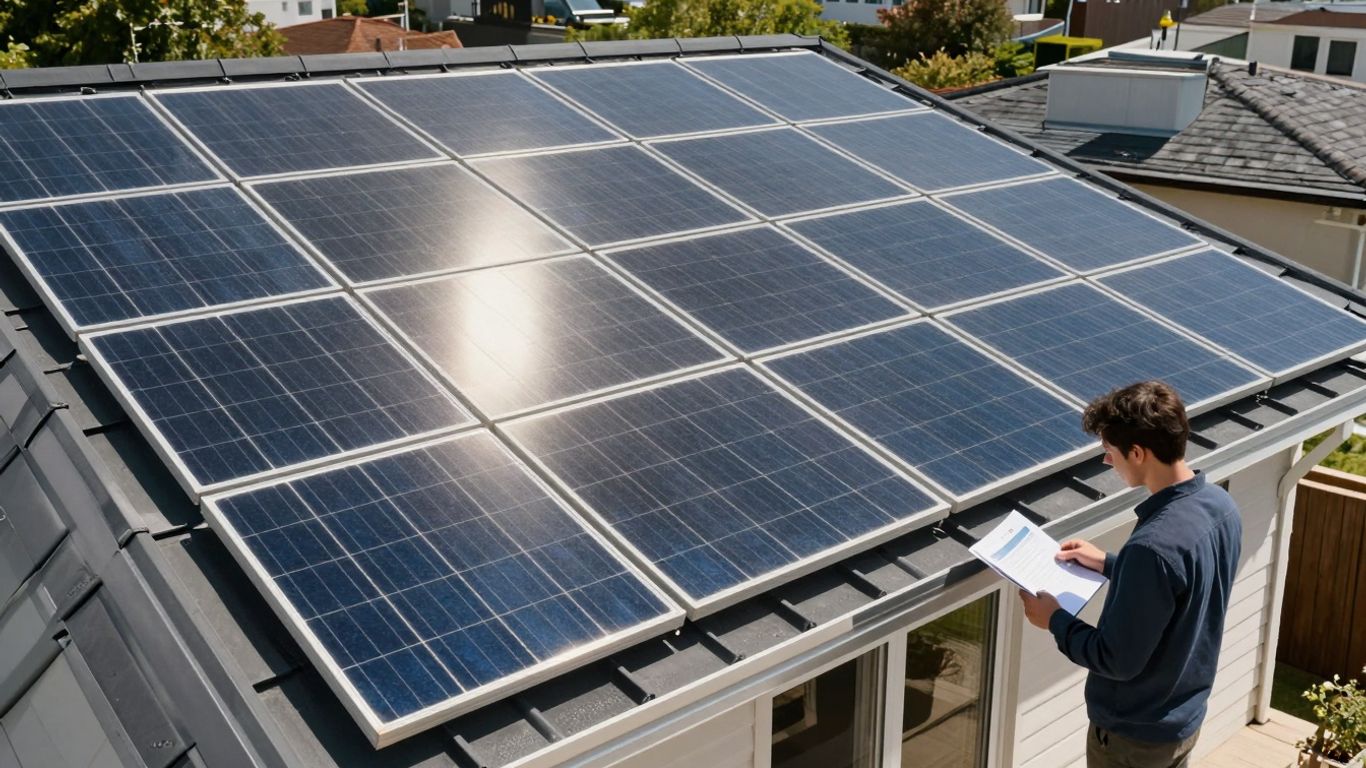
Consulting With Experts To Find The Best Solar Panel Loan Terms For Your Home Energy Project.
A Home Equity Line of Credit, or HELOC, is another way you might be able to finance your solar panel system. Think of it like a credit card, but backed by the equity you’ve built up in your home. Instead of getting a big lump sum all at once like with a traditional home equity loan, a HELOC gives you a revolving credit line. You can draw from it as needed, up to a certain limit, and you only pay interest on the amount you actually use. This flexibility can be really handy if your solar project has unexpected costs or if you plan to do other home improvements alongside the solar installation.
The interest rates on HELOCs are typically variable, meaning they can go up or down over time. This is a key difference from fixed-rate loans and something to keep in mind when budgeting. While they often come with lower rates than unsecured personal loans, they do require you to have a good amount of equity in your home and usually involve a more involved application process. You’ll also want to check for any associated fees, like appraisal or closing costs, though some lenders might waive these.
Here’s a quick look at how HELOCs compare for solar financing:
- Flexibility: Draw funds as needed, paying interest only on what you use.
- Potential for Lower Rates: Often more competitive than unsecured loans, though variable.
- Home Improvement Potential: Can cover solar and other upgrades.
- Requires Home Equity: You need to have built up sufficient equity.
- Variable Rates: Interest costs can change over the life of the loan.
Getting a HELOC can sometimes be a bit more complex than other loan types. Lenders will look closely at your credit history, your income, and the amount of equity you have. It’s also worth noting that if you have solar panels on a lease agreement, some lenders might be hesitant to approve a mortgage or HELOC, as they typically require the lease to be fully paid off or transferable before approving a mortgage.
HELOCs offer a flexible borrowing option for solar installations, allowing homeowners to access funds as needed from a line of credit secured by their home’s equity. While potentially offering lower rates than unsecured loans, borrowers should be aware of the variable interest rates and the requirement for significant home equity.
Solar Panel Lease Agreements
Thinking about going solar but not sure if buying panels is the right move for your wallet? A solar panel lease agreement might be worth a look. Basically, instead of purchasing the solar equipment outright, you’re essentially renting it from a company for a set period. This means you get to enjoy the benefits of solar power, like lower electricity bills, without the big upfront cost of buying the panels.
These agreements typically run for a good chunk of time, often 15 to 20 years. When you sign up, there’s usually no down payment required, which is a big plus for many homeowners. The monthly payments can be pretty straightforward, sometimes staying the same for the entire lease term. However, it’s not uncommon for these payments to go up a little each year according to a plan laid out in the contract. This is something to really pay attention to when you’re comparing different lease offers.
Here’s a quick rundown of what to expect:
- Ownership: The leasing company owns the solar panels, not you.
- Maintenance: Usually, the leasing company handles repairs and upkeep.
- End of Term: When the lease is up, the company typically removes the panels.
- Home Sale: Selling your home with a lease can sometimes be tricky, often requiring the new buyer to take over the lease or the lease to be bought out.
One of the main attractions of a solar lease is the potential for immediate savings on your electricity costs. With a fixed monthly payment, you can reduce your overall electricity bills saving money on electricity expenses.
It’s important to remember that while leases offer a way to get solar without owning the equipment, they also mean you won’t be eligible for certain incentives like the federal solar tax credit, which is typically for system owners. Plus, getting out of a lease early can sometimes come with significant fees, so make sure you’re comfortable with the long-term commitment before signing on the dotted line.
Power Purchase Agreements
A Power Purchase Agreement, or PPA, is a contract where you agree to buy electricity from a solar developer for a set period. Think of it like this: instead of buying the solar panels outright, you’re essentially paying for the energy they produce. The solar company installs and maintains the system on your roof, and you pay them for the electricity generated at a pre-agreed rate.
This setup means you don’t have to worry about the upfront cost of panels or any maintenance down the line. You benefit from solar power without the ownership hassle.
Here’s a quick rundown of how they typically work:
- Contract Length: PPAs usually last a long time, often between 10 to 25 years. This gives you a stable electricity price for the duration.
- Pricing: The rate you pay per kilowatt-hour (kWh) is set in the contract. Some PPAs have a fixed rate, while others might include small annual increases, often called “escalators,” to account for inflation or system degradation.
- Ownership: The solar company owns the panels throughout the contract. At the end of the term, they usually remove the system, though some agreements might offer an option to buy the panels.
- Maintenance: The PPA provider is responsible for maintaining the system, so you don’t have to.
It’s a popular way for homeowners to go solar, especially if they want to avoid the large initial investment of buying panels. You still get to take advantage of solar energy and potentially lower electricity bills, while the solar company handles the technical side. It’s a way to get solar energy without ownership.
With a PPA, you’re essentially entering into a long-term agreement to purchase the electricity generated by a solar system installed on your property. The terms are laid out clearly, including the price per unit of electricity and how long the agreement will last. This provides predictability for your energy costs over many years.
Improving Your Credit Score
Getting a solar panel loan often means you’ll need a decent credit score. Lenders look at this number to figure out how risky it is to lend you money. A higher score generally means better loan terms, like lower interest rates. If your credit score isn’t where you’d like it to be, don’t worry, there are steps you can take to improve it before you apply.
Here are a few ways to boost your credit score:
- Pay Bills On Time: This is the biggest factor. Even a few late payments can really hurt your score. Set up reminders or automatic payments if you tend to forget.
- Reduce Debt: Try to pay down balances on credit cards and other loans. Keeping your credit utilization low (the amount of credit you’re using compared to your total available credit) is a good move.
- Check Your Credit Report: Mistakes happen. You can get free copies of your credit report from the three major bureaus (Equifax, Experian, and TransUnion) and dispute any errors you find.
- Avoid Opening Too Many New Accounts: While it might be tempting to open new credit lines, doing so too often can lower your average account age and result in hard inquiries, which can temporarily dip your score.
Some lenders are more flexible than others. For instance, Upgrade has a minimum credit score requirement of 580, and LendingPoint is known for working with borrowers who have less-than-perfect credit. However, even with these lenders, a better score usually gets you a better deal.
Understanding your credit score is like understanding your financial report card. The better the grade, the more opportunities you’ll likely have, especially when it comes to borrowing money for big purchases like solar panels. It’s worth the effort to get it in good shape.
Using A Co-Signer
Sometimes, getting approved for a solar loan can be tricky, especially if your credit history isn’t as strong as you’d like. That’s where a co-signer comes in. Think of a co-signer as a financial backup. They agree to be legally responsible for the loan if you can’t make the payments. This can significantly increase your chances of getting approved and potentially snagging better loan terms.
Having someone co-sign means the lender looks at both your financial picture and the co-signer’s. If your co-signer has a good credit score and a stable income, it reassures the lender that the loan will be repaid. This can lead to lower interest rates and more favorable repayment periods than you might get on your own.
Here’s a quick rundown of why a co-signer might be a good idea:
- Easier Approval: Lenders see less risk when there’s a co-signer.
- Better Rates: A strong co-signer can help you qualify for lower APRs.
- Higher Loan Amounts: You might be able to borrow more money.
It’s important to remember that co-signing is a big commitment for the other person. They’re putting their own credit on the line. Make sure you discuss this openly and honestly with anyone you ask to co-sign for you. It’s a partnership, after all.
Choosing a co-signer is a serious decision. It’s not just about getting the loan; it’s about maintaining a good relationship with the person who is vouching for you financially. Ensure they fully understand the responsibilities involved and that you are committed to making all payments on time to protect both your credit and their financial standing.
Loan Application Process
Getting a solar panel loan involves a few steps, and it’s good to know what to expect. It’s not usually a super complicated process, but you’ll need to gather some information.
First off, you’ll need to fill out an application. This is where you’ll give the lender details about yourself, like your income, how much debt you have, and your credit history. They’ll also want to know about the solar system you’re planning to install. Some lenders might have you do this online, while others might prefer you do it in person.
After you submit everything, the lender takes a look. They’ll review all the info you provided. Sometimes, they might need more details, so they could reach out to you for extra documents or clarification. If everything checks out, they’ll send you a loan offer. This offer will lay out all the terms and conditions, like the interest rate, how long you have to pay it back, and any fees involved. It’s really important to read this carefully before you sign anything.
Here’s a general rundown of what happens:
- Application Submission: You provide personal, financial, and solar project details.
- Lender Review: The lender assesses your application and creditworthiness.
- Information Verification: You might be asked for additional documents.
- Loan Offer: If approved, you receive a detailed offer outlining terms.
- Acceptance & Closing: You review and sign the loan agreement.
Keep in mind that the specific steps can vary a bit from one lender to another. Some might have a quicker online process, while others might take a bit longer. It’s always a good idea to ask the lender about their particular timeline and what documents they’ll need upfront.
Ready to take the next step? best solar panel APR and see your personalized options.
Loan Offer Review
So, you’ve gone through the whole process, applied for a solar loan, and now you’ve got an offer (or maybe a few!). It’s super important to actually look at what they’re offering before you just sign on the dotted line. This isn’t like picking out a new phone; this is a big financial commitment, and there can be some tricky stuff hidden in the details.
Don’t just skim it – read every single word of that loan offer. Seriously. It might seem boring, but it’s where all the important numbers and rules are laid out.
Here’s what you should be looking for:
- Annual Percentage Rate (APR): This is the real cost of borrowing money, including interest and certain fees. It’s usually higher than the advertised interest rate.
- Loan Term: How long do you have to pay it back? Longer terms mean lower monthly payments, but you’ll pay more interest over time.
- Total Cost: Calculate the total amount you’ll pay back over the life of the loan. This is your principal plus all the interest.
- Fees: Look out for origination fees, late fees, prepayment penalties, or any other charges. Some lenders might try to sneak these in.
- Monthly Payment: Does this fit comfortably into your budget? Remember, this is on top of your regular bills.
Sometimes, loan offers can be a bit confusing. Lenders might use different terms or present information in a way that makes it hard to compare apples to apples. It’s okay to ask for clarification if something doesn’t make sense. A good lender will be happy to explain things clearly.
If you’re comparing multiple offers, a simple table can really help you see the differences side-by-side. You can jot down the APR, term length, total estimated interest, and any upfront fees for each offer. This makes it way easier to spot the best deal for your situation.
Solar Battery Financing
Thinking about adding a solar battery to your home energy system? You’re not alone. Many homeowners are looking into battery storage to keep the lights on during outages and to maximize their solar investment. The good news is that financing for solar batteries is often bundled with your solar panel loan. This means you can typically finance both your panels and your battery under a single loan agreement.
When you’re getting quotes for solar, be sure to ask specifically about including a battery in the financing. Some lenders and installers make this straightforward, while others might treat it as a separate add-on. It’s always a good idea to compare offers to see who provides the best terms for a combined solar and battery system.
Here’s what to consider when financing a solar battery:
- Loan Type: Most often, a solar battery will be financed as part of your overall solar panel loan. This could be a secured or unsecured loan, depending on the lender and your financial situation.
- Loan Amount: Ensure the loan amount covers the full cost of the battery, including installation. Batteries can add a significant amount to the total project cost.
- Interest Rates: The interest rate on your loan will affect the total cost of the battery over time. A lower APR means you’ll pay less in interest.
- Term Length: Longer loan terms can mean lower monthly payments, but you’ll likely pay more interest overall. Shorter terms mean higher monthly payments but less interest paid over the life of the loan.
It’s important to understand that while many solar loans allow for battery financing, not all do. Always confirm with your lender or installer that the battery is included in the financed amount and that there are no hidden fees or separate interest rates applied to the battery portion of the system.
For example, some banks offer solar loans with various term options, and these can often accommodate battery additions. You might find interest rates that vary based on the loan term you select, and some lenders even offer discounts for setting up auto-pay. When looking at options, you might see terms like 10.5-year, 20.5-year, and 30.5-year loans, each with its own associated interest rate and APR. It’s worth exploring different solar loan providers to find the best fit for your budget and needs, especially when adding a battery to the equation.
FHA Solar And Wind Technologies Program
The Federal Housing Administration (FHA) offers a program that can help homeowners finance solar and wind energy systems. It’s called the Solar and Wind Technologies program. Basically, it lets you add the full cost of installing solar panels or wind turbines right into your main FHA-insured mortgage when you buy a home. This means you don’t need a separate loan just for the solar setup.
This program is a neat way to bundle the cost of renewable energy into your home purchase. It can make going solar more accessible because the financing is part of your primary home loan. Think of it as rolling the cost of your solar investment into your mortgage payment. It’s a way to make those upfront costs feel a bit more manageable.
Here’s a quick rundown of how it generally works:
- Eligibility: The program is tied to FHA-insured mortgages. If you’re already getting an FHA loan to buy a home, you can explore adding the solar or wind technology costs.
- Financing: The cost of the solar or wind system is added to the total mortgage amount.
- Benefit: You get to finance renewable energy upgrades with potentially favorable mortgage terms, rather than seeking a separate, possibly higher-interest loan.
It’s worth looking into if you’re already planning to buy a home with an FHA loan and are interested in solar or wind power. This can be a good option for homeowners looking to integrate renewable energy from the start, potentially reducing long-term energy costs. It’s a way to make your home more energy-efficient from day one, and it’s backed by the FHA, which can offer some peace of mind. For those considering a new home purchase and renewable energy, this program is definitely worth exploring as part of your home purchase financing.
FHA Energy Efficient Mortgage Program
So, you’re thinking about making your home more energy-efficient, maybe with some solar panels? The FHA has a program that might help, called the Energy Efficient Mortgage (EEM) program. It’s basically a way to roll the costs of energy-saving upgrades right into your mortgage, whether you’re buying a new place or refinancing the one you’ve got.
This program isn’t just for solar, either. It can cover a bunch of different improvements that make your home use less energy. Think better insulation, new windows, efficient heating and cooling systems, and yes, solar panels. The idea is to make these upgrades more affordable by spreading the cost over the life of your mortgage.
Here’s a quick rundown of how it generally works:
- Get an energy assessment: You’ll likely need a professional to check out your home and figure out which upgrades would make the biggest difference and how much they’ll cost.
- Find a lender: Not all lenders offer FHA loans, and even fewer might be super familiar with the EEM. You’ll need to find one that does.
- Incorporate costs into your mortgage: The cost of the approved energy-efficient improvements gets added to your mortgage amount. This could be a new purchase mortgage or a refinance.
- Enjoy lower energy bills: The goal is that the money you save on energy each month will help offset the slightly higher mortgage payment.
It’s important to know that the FHA guarantees the mortgage, but the actual loan is provided by a private lender. They’ll have their own specific requirements and processes, so it’s always a good idea to talk to a few lenders to see what fits best for you. The FHA EEM can be a smart way to finance home improvements that save you money and make your home more comfortable.
While the FHA EEM program is designed to help homeowners, it’s still a mortgage. This means you’ll be taking on more debt, and you’ll need to qualify based on your creditworthiness and income. Make sure you understand the total cost, including interest over the life of the loan, and compare it to other financing options before you commit.
FHA PowerSaver Program
The FHA PowerSaver Program is a specific loan option designed to help homeowners finance energy-efficient upgrades, including solar panel installations. Think of it as a second mortgage, but solely for making your home more energy-efficient. It’s backed by the Federal Housing Administration, which can make it a more accessible option for some.
This program allows for loan amounts up to $25,000, and you can take up to 20 years to pay it back. The interest rates typically fall between 5% and 10%. The FHA guarantees a significant portion, up to 90%, of the loan, which can give lenders more confidence to offer competitive terms.
Here’s a quick rundown of what the FHA PowerSaver Program offers:
- Loan Purpose: Specifically for energy-efficient home improvements.
- Loan Size: Up to $25,000.
- Repayment Term: Up to 20 years.
- Interest Rates: Generally between 5% and 10%.
- FHA Guarantee: Up to 90% of the loan amount.
While this program is a great avenue for financing solar, it’s important to compare its terms with other available loan options to ensure it’s the best fit for your financial situation. Always read the fine print before committing to any loan agreement.
UMassFive Credit Union
UMassFive Credit Union is a financial institution that offers various loan products, and they can be a good option for those looking to finance solar panel installations. They focus on serving members and often have competitive rates and terms, especially for renewable energy projects.
When considering UMassFive for a solar loan, here’s what you might expect:
- Loan Amounts: They typically offer a range of loan amounts to suit different project sizes, though specific limits would need to be confirmed directly with them.
- Interest Rates (APRs): While exact rates fluctuate based on market conditions and your financial profile, credit unions like UMassFive often provide lower APRs compared to traditional banks. It’s always best to get a personalized quote.
- Loan Terms: UMassFive usually provides flexible repayment periods, allowing you to choose a term that fits your budget.
- Membership Requirements: As a credit union, you’ll generally need to become a member to access their loan products. This usually involves meeting certain eligibility criteria, such as living in a specific area or being affiliated with certain organizations.
It’s worth noting that credit unions often prioritize member benefits and community support, which can translate into more favorable loan conditions for solar projects. They might also have specific programs or partnerships aimed at promoting green energy initiatives.
Applying for a loan with UMassFive would likely involve a standard process:
- Check Eligibility: Confirm you meet their membership and loan requirements.
- Gather Documentation: Prepare necessary financial documents like proof of income and identification.
- Submit Application: Complete their loan application, either online or in person.
- Review Offer: Once approved, carefully review the loan terms, APR, and repayment schedule before accepting.
UMassFive Credit Union can be a solid choice for financing your solar panel system, especially if you value personalized service and potentially better rates than larger financial institutions.
Puget Sound CCU
Puget Sound Community Credit Union (CCU) is a financial institution that sometimes offers loans or financing options that could be used for solar panel installations. While they might not have a specific “solar loan” product advertised like some larger banks or specialized lenders, credit unions like Puget Sound CCU can be a good place to check for personal loans or home equity options that could fund your solar project.
When considering Puget Sound CCU, here are a few things to keep in mind:
- Loan Types: You’ll likely be looking at unsecured personal loans or potentially home equity loans if you own your home and have built up equity. Unsecured loans generally have higher interest rates but don’t require collateral. Home equity loans use your home as collateral, which can mean lower rates but also carries more risk.
- APR and Terms: The Annual Percentage Rate (APR) and loan terms will vary based on your creditworthiness, the loan type, and current market conditions. It’s always a good idea to compare their rates with other lenders.
- Membership Requirements: As a credit union, Puget Sound CCU typically requires you to be a member to access their financial products. Membership is often based on where you live, work, or belong to certain groups.
It’s worth investigating if Puget Sound CCU has any partnerships or special programs that might benefit solar installations, even if they aren’t explicitly branded as such. Sometimes credit unions work with local installers or offer specific incentives for energy-efficient upgrades.
To get the most accurate information, it’s best to contact Puget Sound CCU directly or visit their website. You’ll want to ask about:
- Current interest rates for personal loans and home equity loans.
- The typical loan amounts they offer.
- The repayment periods available.
- Any fees associated with their loans, such as origination fees or prepayment penalties.
- Their membership eligibility requirements.
MichiganSaves Program
Michigan homeowners looking to finance energy-efficient upgrades, including solar panels, have a great option through the Michigan Saves Home Energy Financing program. This initiative is designed to make going solar more accessible by offering competitive loan terms.
The program allows for loan amounts up to $50,000, with interest rates typically ranging from 4.44% to 7.90% and repayment terms extending up to 15 years. This structure can significantly reduce the upfront cost barrier that often prevents people from adopting solar energy.
Here’s a quick look at what the Michigan Saves program offers:
- Loan Amounts: Up to $50,000 for eligible energy efficiency projects.
- Interest Rates: Competitive rates, generally between 4.44% and 7.90%.
- Repayment Terms: Flexible terms, with options up to 15 years.
- Property-Assessed: Loans are often tied to the property, not just the individual, which can be beneficial.
This program is a fantastic way to invest in your home’s energy future and potentially lower your utility bills for years to come. It’s worth exploring if you’re a Michigan resident considering solar. You can find more details and updates on Michigan Saves programs.
It’s important to remember that while programs like Michigan Saves aim to simplify solar financing, it’s always a good idea to compare offers and understand all the terms before committing. Doing your homework can lead to the best possible deal for your specific situation.
Home Loan Investment Bank
Home Loan Investment Bank, while not exclusively a solar lender, can be a player in financing your solar panel project, especially if you’re looking for options that might be tied to your home. They offer a range of mortgage and refinancing products that could potentially be adapted for solar installations.
Their approach often involves leveraging your home’s equity to fund improvements like solar panels. This means they look at your home as collateral, which can sometimes lead to more favorable interest rates compared to unsecured loans, assuming you have sufficient equity built up.
Here’s a general idea of how you might work with a lender like Home Loan Investment Bank for solar:
- Home Equity Loan: This is a lump-sum loan where you borrow a fixed amount against your home’s equity. You’d then use this money to pay for your solar system upfront. Repayments are typically made over a set period, often with a fixed interest rate.
- Home Equity Line of Credit (HELOC): Think of this like a credit card secured by your home. You get a credit limit and can draw funds as needed during a specific period. This can be useful if your solar project has phased costs or if you want flexibility.
- Refinancing: If you have an existing mortgage, you might be able to refinance it to include the cost of solar panels. This could potentially lower your overall mortgage payment if you secure a better interest rate.
It’s important to remember that Home Loan Investment Bank’s primary focus isn’t solely solar. You’ll need to discuss your solar project needs directly with them to see if their loan products align with your goals and if they have specific programs or partnerships that facilitate solar financing. Their rates and terms will depend heavily on your creditworthiness, home equity, and the overall market conditions. For general solar loan rates, you might find options like those from Atmos solar loans that are specifically designed for solar projects, which could offer a different set of benefits.
Wrapping It Up
So, getting solar panels is a pretty big deal, and figuring out the loan part can feel like a puzzle. We’ve looked at a bunch of different loan options, from those with lower rates but maybe a dealer fee, to others that might have slightly higher rates but no extra charges. Remember, the best rate for you really depends on your credit score, how long you want to pay the loan back, and what kind of loan you end up choosing. Don’t forget to check out any tax breaks or local programs that could help bring the cost down. Shopping around and comparing offers is key to finding a deal that makes sense for your wallet and your home. It’s all about finding that sweet spot where the monthly payment feels manageable and the savings from your new solar setup start to add up.
Frequently Asked Questions
What’s the average interest rate for a solar panel loan?
Interest rates for solar loans usually fall between 4% and 17%. However, the exact rate you get depends on things like your credit score, how long you plan to pay back the loan, and the size of the solar system you’re installing.
How long do I have to pay back a solar loan?
Most solar loans are set up to be paid back over 15 to 20 years. Some companies now offer longer terms, like 25 years, which can make your monthly payments smaller. The best length for you depends on the cost of the system and how much you expect to save on electricity bills.
Is it worth getting a loan for solar panels?
Whether a solar loan makes sense depends on a few things. Think about the total cost of the panels, how much you’ll save on electricity each year, and how long you plan to stay in your home. If you plan to stay long enough to pay off the system and save money, it’s likely a good idea.
Can I get a lower interest rate on a solar loan?
Yes, you can often get a better interest rate by shopping around and comparing offers from different lenders. Also, improving your credit score before applying or having someone with good credit co-sign the loan can help lower your rate.
Are solar loans secured or unsecured?
Many solar-specific loans are unsecured, meaning they aren’t backed by your home or the panels themselves. However, some lenders, like credit unions, might offer secured loans, which often have lower interest rates but put your home at risk if you can’t pay.
Can I use a solar loan to buy a battery too?
Typically, yes, you can include the cost of a solar battery in your solar loan. It’s always a good idea to check the specific terms and conditions of the loan to make sure batteries are covered.
Ready to Start Saving on Your Energy Bills?
Get a free, no-obligation quote from trusted local providers in under 2 minutes.
No obligation • Free estimates • Takes under 2 minutes
Virginia Solar Tax Credit: Incentives, Eligibility & How to Claim
Thinking about putting solar panels on your Virginia home? That’s a big step, and it’s smart to look into all the ways you can save money. There are federal incentives, and then there are programs right here in Virginia that can help bring down the cost. We’ll break down what you need to know about the Virginia solar tax credit and other incentives to help you make the best decision for your wallet and your home.
Key Takeaways
- The federal Residential Clean Energy Tax Credit lets you deduct 30% of your solar system’s cost from your federal taxes. It’s set to expire at the end of 2025, so acting sooner is better.
- Virginia has its own programs like the Solar Renewable Energy Credit (SREC) program, where you earn credits for the energy your panels produce, which you can then sell.
- Net metering policies in Virginia allow you to get credit on your electricity bill for any extra solar energy you send back to the grid.
- Many Virginia counties offer property tax exemptions, meaning the value added to your home by solar panels won’t increase your property taxes.
- To claim these benefits, you’ll need to keep good records of your solar installation costs and file the correct tax forms. Talking to a tax professional can help ensure you get everything you’re entitled to.
Understanding Federal Solar Tax Credits
When you’re thinking about putting solar panels on your roof, the first thing that often comes to mind is the federal tax credit. It’s a pretty big deal and can make a significant difference in the overall cost of going solar. This credit is officially called the Residential Clean Energy Tax Credit, and it’s designed to help homeowners like you save money while adopting cleaner energy sources.
The Residential Clean Energy Tax Credit Explained
This credit basically lets you deduct a portion of the cost of your solar energy system directly from your federal taxes. It applies to solar electric panels, solar water heaters, and even battery storage systems installed in your home. The Inflation Reduction Act of 2022 extended and improved this credit, making it more accessible for homeowners. For systems installed between 2022 and 2032, you can claim 30% of the total system cost. This percentage is set to decrease gradually after 2032, so acting sooner rather than later is generally a good idea. It’s a fantastic way to lower your initial investment in solar power.
Eligibility Requirements for Federal Incentives
So, who can get this credit? Generally, you need to own the home where the solar system is installed, and it needs to be your primary or secondary residence in the United States. You can’t claim it if you’re renting out the property or if it’s a purely commercial building. If you use your home for business purposes, you might still qualify, but the credit would be prorated based on the percentage of your home used for non-business activities. It’s important that the system is new and installed on your home. You can find more details about the Residential Clean Energy Credit on the IRS website.
Claiming the Federal Solar Tax Credit
Claiming the credit is pretty straightforward, but you do need to keep good records. When you file your federal income taxes, you’ll need to fill out IRS Form 5695. This form is where you’ll calculate the eligible credit amount based on your solar system’s cost. You’ll then transfer that amount to your main tax return form (like the 1040). Make sure you have all the necessary documentation from your solar installer, which usually includes proof of purchase, system specifications, and certification. If your credit is more than what you owe in taxes, don’t worry. You can carry over the unused portion to future tax years, meaning you won’t lose out on any savings.
It’s important to remember that this federal tax credit applies to the cost of the solar equipment and its installation. This includes things like the panels themselves, inverters, wiring, and the labor involved in putting it all together. The credit is non-refundable, meaning it can reduce your tax liability to zero, but you won’t get any of the credit back as a refund if it exceeds your tax bill.
Virginia’s State-Level Solar Incentives
Virginia offers a few different ways to help make going solar more affordable for homeowners. It’s not just about the federal tax credit; the state has its own programs designed to encourage renewable energy adoption. These can really add up, making the switch to solar a much more attractive financial decision.
The Virginia Solar Renewable Energy Credit (SREC) Program
This program is a bit different from a direct tax credit. Basically, when your solar panels generate electricity, you earn Solar Renewable Energy Certificates, or SRECs. You can then sell these SRECs to utility companies, which need them to meet state renewable energy requirements. It’s a way to get paid for the clean energy your system produces.
- How it works: Your system generates electricity, which earns you SRECs.
- Selling SRECs: You can sell these certificates to utilities, often through an SREC broker or directly.
- Income potential: The value of SRECs can fluctuate, but they provide an ongoing income stream.
The SREC market is designed to incentivize the creation of renewable energy. By participating, you directly contribute to Virginia’s clean energy goals while earning money for the power you generate.
Net Metering Policies in Virginia
Net metering is a billing arrangement that helps you get the most out of your solar system, especially when your system produces more power than you’re using at a given moment. If your panels are generating extra electricity, that power goes back to the grid. Your utility company then credits your account for that exported energy.
- Credit for excess power: You receive credits on your electricity bill for the energy sent back to the grid.
- Rollover credits: These credits typically roll over from month to month, so you can use them to offset future electricity usage.
- Maximizing savings: This helps reduce your overall electricity costs throughout the year, even during times when your solar production might be lower.
Virginia Clean Economy Act Benefits
The Virginia Clean Economy Act (VCEA) is a big deal for the state’s energy future. It sets ambitious goals for renewable energy, aiming for 100% clean electricity by 2050. For homeowners, this act has opened up more opportunities and removed some old barriers to going solar.
- Increased system size limits: You might be able to install a larger solar system on your home than previously allowed.
- Fewer restrictions: The VCEA works to remove unnecessary fees and regulations that could make solar installations more complicated.
- Future-ready: It encourages the adoption of clean technologies, aligning your home with the state’s environmental objectives.
The VCEA is a significant driver for solar adoption in Virginia, making it easier and more beneficial for homeowners to invest in solar energy.
Local Property Tax Exemptions in Virginia
Beyond the federal and state-level incentives, Virginia also offers a really neat perk at the local level: property tax exemptions for solar systems. This means that the value added to your home by installing solar panels generally won’t be factored into your property tax assessment. It’s a great way to keep your property taxes from jumping up just because you decided to go solar.
Excluding Solar System Value from Property Taxes
When you add solar panels to your roof, your home’s overall value increases. Normally, this would mean higher property taxes. However, Virginia law allows local governments to exempt the added value of solar energy equipment from property tax calculations. This exemption helps make solar more affordable in the long run, as you won’t be penalized with higher taxes for investing in a clean energy system.
County-Specific Property Tax Exemptions
It’s important to know that these exemptions aren’t uniform across the entire state. Each county, city, or town in Virginia can decide whether to offer this exemption and to what extent. Some areas might offer a full exemption, while others might have partial exemptions or specific requirements.
Here’s a look at how some counties handle it:
- Fairfax County: Offers an exemption for solar equipment used for heating, cooling, or hot water.
- Loudoun County: Provides a similar exemption for renewable energy systems.
- Prince William County: Allows exemptions for solar equipment that helps offset a home’s energy use.
Checking Local Requirements for Exemptions
Because these rules vary so much from place to place, you absolutely need to check with your local government. Your county’s tax assessor’s office or building department is the best place to get the most accurate and up-to-date information. They can tell you:
- If a property tax exemption for solar is available in your specific area.
- What the exact terms and conditions of the exemption are.
- What documentation you’ll need to provide to claim it.
Don’t assume the exemption applies automatically. You’ll likely need to formally apply for it, and there might be specific forms or procedures to follow. Getting this sorted out beforehand can save you a lot of hassle and potential unexpected tax bills down the road.
Maximizing Your Virginia Solar Investment
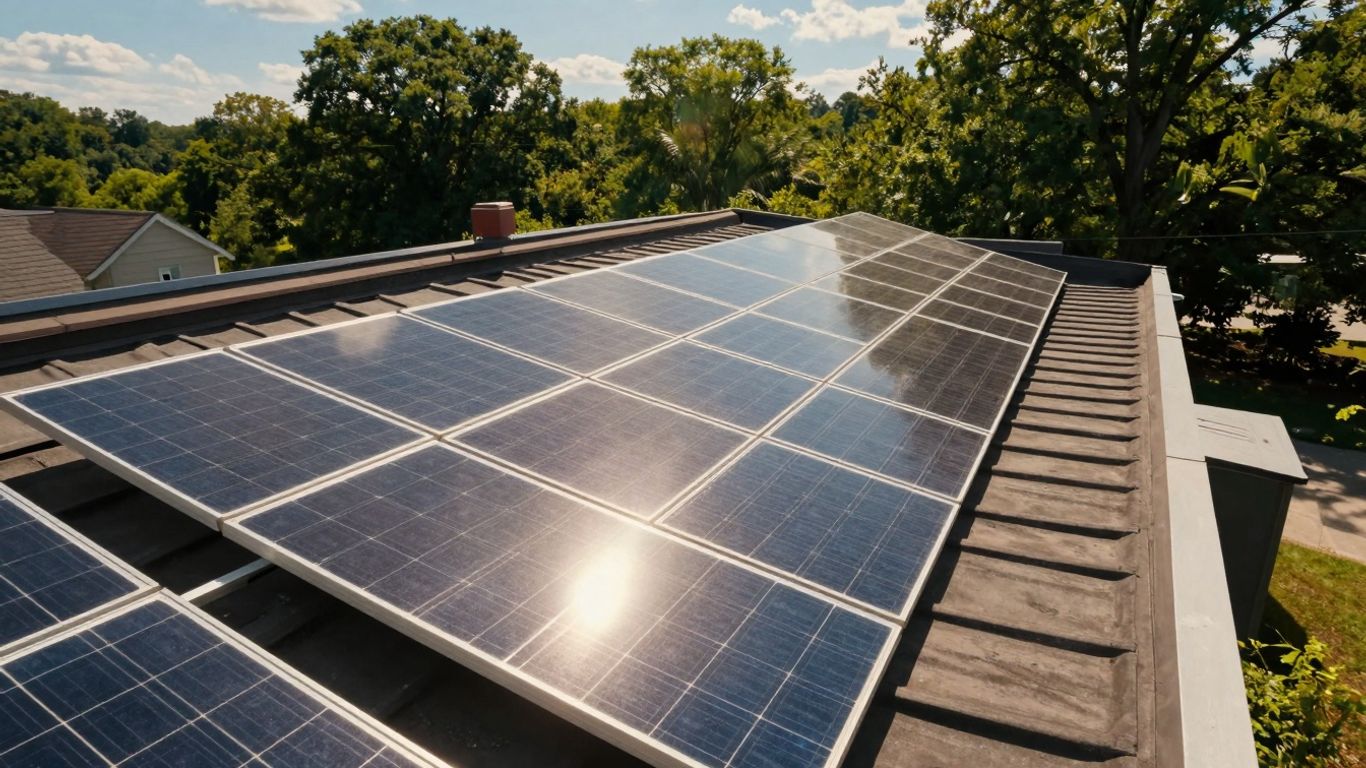
Access A Worldwide Network Of Options For Your Refinance Solar
So, you’re thinking about going solar in Virginia? That’s great! It’s a big step, and you want to make sure you’re getting the most bang for your buck. There are a few things to keep in mind to really make your solar investment pay off.
Ready to take the next step? Virginia solar tax credit and see your personalized options.
The Importance of Acting Before Year-End Deadlines
This is a big one. The federal solar tax credit, which is a really significant chunk of savings, has a deadline. Right now, it’s set to expire at the end of 2025. That means if you want to claim that 30% credit on your federal taxes, you need to have your system installed and operational before January 1, 2026. Solar projects can take time, from the initial consultation and design to getting permits and the actual installation. Don’t wait until the last minute if you want to take advantage of this major incentive.
How Solar Financing Impacts Tax Credit Eligibility
When you’re looking at how to pay for your solar system, the way you finance it matters for the tax credit. If you buy your system outright or finance it with a loan, you generally qualify for the federal tax credit because you own the equipment. However, if you choose to lease your system or go with a Power Purchase Agreement (PPA), you typically don’t own the equipment, so you can’t claim the tax credit yourself. The company that owns the system gets the credit. It’s important to understand this difference when comparing financing options.
Understanding the Role of Solar Installers
Choosing the right solar installer is more than just getting a quote. A good installer will guide you through all the available incentives, including federal, state, and local ones. They should be able to explain how these incentives work and how they apply to your specific situation. They’ll also handle a lot of the paperwork, like permits and applications, which can be a headache if you try to do it yourself. Plus, they’ll make sure the installation is done correctly, which is key for the system to perform well and for you to be eligible for those incentives in the first place.
Here’s a quick look at how different financing options affect your ability to claim the federal tax credit:
| Financing Method | Ownership of System | Federal Tax Credit Eligibility |
|---|---|---|
| Cash Purchase | You | Yes |
| Solar Loan | You | Yes |
| Lease Agreement | Installer/Leasing Company | No (Installer claims it) |
| PPA | Installer/Leasing Company | No (Installer claims it) |
When you’re looking at solar, remember that it’s not just about the upfront cost. Think about the long-term savings and how different programs can add up. Talking to a few different installers can give you a clearer picture of what’s available and what makes the most sense for your home and your budget.
Key Considerations for Claiming Credits
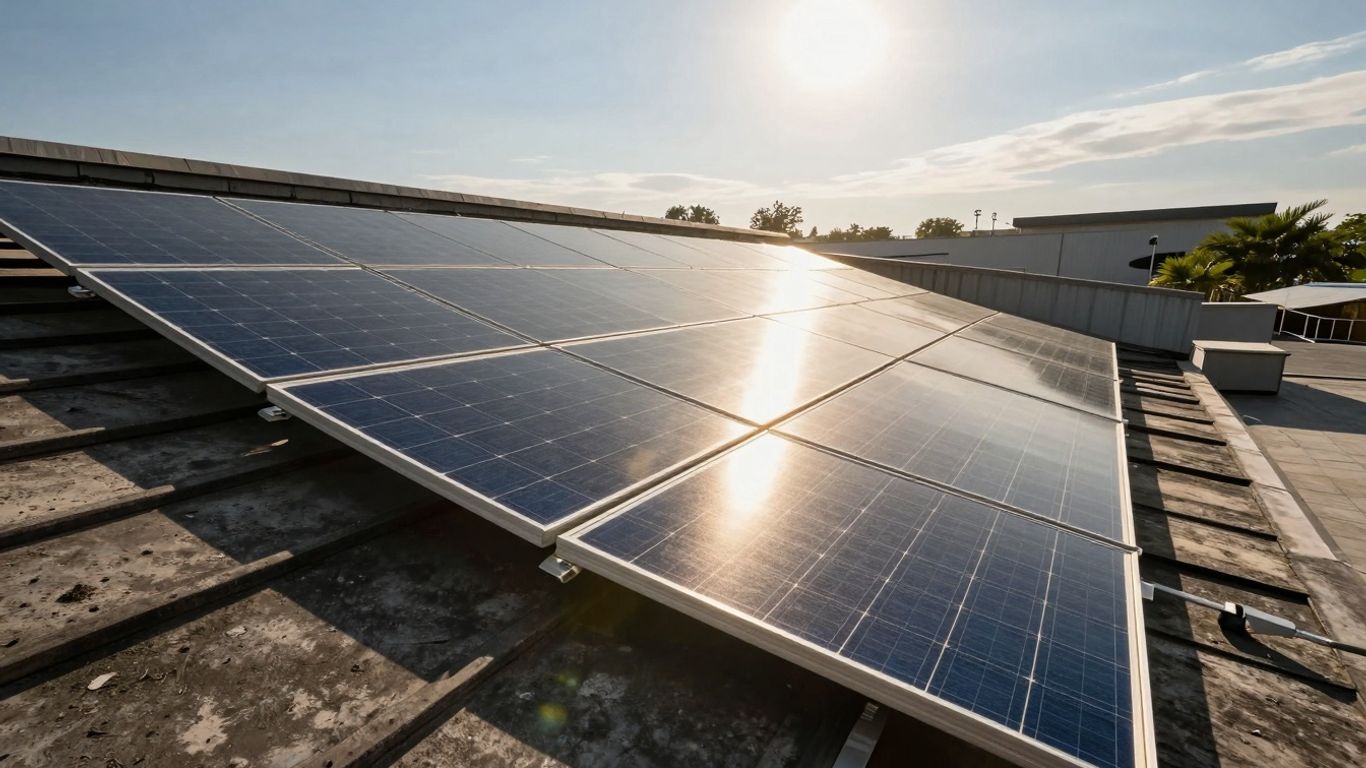
Navigating The Local Incentives And The Virginia Solar Tax Credit For Your Home
So, you’ve gone solar in Virginia, which is awesome! Now comes the part where you actually get those tax credits you’ve been hearing about. It’s not super complicated, but there are definitely a few things to keep in mind so you don’t miss out or run into any headaches. Getting your paperwork in order is the most important step.
Required Documentation for Tax Forms
When it’s time to file your taxes, you’ll need specific documents to back up your solar tax credit claim. Think of it like this: the IRS wants to see proof that you actually bought and installed a qualifying solar system. You’ll typically need:
- Invoices and Receipts: These should clearly show the cost of your solar panels, inverters, mounting equipment, and any labor costs associated with the installation. Make sure they’re detailed!
- Manufacturer Specifications: Sometimes, you might need documentation proving the equipment meets certain energy efficiency standards.
- Installer Information: Details about the company that installed your system, including their name, address, and potentially their tax ID number.
- IRS Form 5695: This is the actual form you’ll fill out to calculate and claim your Residential Clean Energy Tax Credit. You can find it on the IRS website.
Understanding Credit Rollovers and Expirations
One of the great things about the federal solar tax credit is that it’s pretty flexible. If the credit you’re eligible for is more than what you owe in taxes for that year, you don’t just lose the extra amount. You can roll that unused credit over to the next tax year. This is super helpful if your tax bill isn’t high enough to cover the full credit amount initially. The Residential Clean Energy Tax Credit is generally available through 2032, but it’s always a good idea to check the latest IRS guidelines or consult a tax professional, as tax laws can change.
The good news is that for the federal solar tax credit, there isn’t a hard expiration date for rolling over unused credits, at least under current law. This means you can carry forward that credit for years until you can use it. However, the specific tax forms used to claim these credits might change, so staying informed is key.
Consulting Tax Professionals for Guidance
Look, taxes can be confusing, and solar incentives add another layer. While you can certainly tackle this on your own, sometimes it’s just easier and safer to get a little help. A qualified tax professional, especially one familiar with renewable energy credits, can make sure you’re claiming everything you’re entitled to and doing it correctly. They can help you understand how the solar credit interacts with other tax benefits you might be claiming and advise on the best strategy for your specific financial situation. It’s a small investment that can save you a lot of potential headaches and maybe even more money in the long run.
Wrapping Up Your Solar Savings Journey
So, going solar in Virginia can really pay off. You’ve got the federal tax credit, which is a big chunk of savings, plus state programs like SRECs and net metering that keep adding up. Don’t forget about those local property tax exemptions too – they can make a difference over time. Just remember, some of these incentives, especially the federal one, have deadlines, so it’s a good idea to look into it sooner rather than later. Getting solar is a big step, but with all these incentives, it’s becoming more affordable and a smart move for your wallet and the planet.
Frequently Asked Questions
What is the federal solar tax credit, and who can get it?
The federal solar tax credit, also called the Residential Clean Energy Tax Credit, lets you deduct 30% of the cost of your solar energy system from your federal taxes. To get it, you must own your home (or be buying it on installment) and live in it. You can’t claim it if you rent out your home or if it’s only used for business. It applies to solar panels, solar water heaters, and other clean energy equipment.
How do I claim the federal solar tax credit?
To claim the federal solar tax credit, you’ll need to fill out IRS Form 5695 when you file your taxes. You’ll calculate your credit amount on this form and then enter it on your main tax return form (like the 1040). Make sure to keep good records of your solar system’s costs, like receipts and installer information.
What is the Virginia SREC program?
The Virginia Solar Renewable Energy Credit (SREC) program is a state incentive. It allows you to earn credits for every megawatt-hour of clean electricity your solar panels produce. You can then sell these credits to utility companies, which helps them meet their renewable energy goals and provides you with extra income.
How does net metering work in Virginia?
Net metering in Virginia is a policy that helps you save money on your electricity bill. If your solar panels produce more energy than your home is using, the extra energy is sent back to the power grid. Your utility company then gives you credits for this excess energy, which can be used to lower your future electricity bills, especially when your panels aren’t producing enough power, like at night.
Does Virginia offer property tax breaks for solar panels?
Yes, Virginia offers local property tax exemptions for solar systems. This means that the value added to your home by installing solar panels usually won’t be included when your local government calculates your property taxes. This helps keep your property taxes lower in the long run. You should check with your specific county or city to find out the exact rules.
When do the federal solar tax credits expire?
The federal Residential Clean Energy Tax Credit is currently set to decrease over time. For systems installed by December 31, 2032, you can claim 30% of the cost. After that, the percentage you can claim will go down, and the credit is set to expire after 2035. It’s important to act quickly to take advantage of the full credit.
Ready to Start Saving on Your Energy Bills?
Get a free, no-obligation quote from trusted local providers in under 2 minutes.
No obligation • Free estimates • Takes under 2 minutes
California Solar Loan Rates: Typical APR Ranges + Top Financing Options

This gallery contains 1 photo.
Thinking about going solar in California? It’s a big step, and figuring out how to pay for it is a big part of the puzzle. You’ve probably heard about solar loans, but what do you really need to know about solar loan rates in California? We’ll break down what’s typical, what affects those rates, and where you might find the best options for your home.
Key Takeaways
- Typical solar loan APRs in California can range widely, often from around 3% to over 16%, depending on factors like your credit score, the loan type, and the lender.
- Secured solar loans, often through credit unions and backed by your home or panels, might have lower APRs but can involve more risk if you can’t pay.
- Unsecured solar loans are more common and don’t require collateral, but they might have slightly higher APRs to compensate the lender.
- Loan terms can vary, usually from 15 to 25 years. Longer terms mean lower monthly payments but more interest paid overall.
- Always compare offers from multiple lenders, check for any fees, and understand the total cost (APR) before signing any solar loan agreement.
Typical Solar Loan APR Ranges
When you’re looking into financing for solar panels, the Annual Percentage Rate (APR) is a big number to pay attention to. It basically tells you the total cost of the loan, including interest and any fees rolled into it. Getting a lower APR means you’ll pay less overall for your solar system.
Right now, you’ll see a pretty wide spread of APRs out there for solar loans. For unsecured loans, which are common, rates can often fall between 3.99% and 16.99%. Some lenders might even offer promotional rates that are lower, especially if you have a good credit score. On the flip side, secured loans, which use your home or the solar equipment as collateral, might have different rate structures. It really depends on the lender, your creditworthiness, and the specific loan product.
Here’s a general idea of what you might encounter:
- Unsecured Solar Loans: These often have APRs ranging from about 3.99% to 16.99%. Some providers might have rates as low as 0.99% for very qualified borrowers, while others could be closer to 7.99% or higher.
- Secured Solar Loans: Rates can vary, but some credit unions offering secured options might have APRs in the 7.49% to 8.24% range.
- Promotional Rates: Keep an eye out for special offers. Some companies advertise very low rates, like 0.99%, but these usually come with strict qualification requirements and might only be for a limited time.
It’s super important to compare offers from different places. What one lender offers might be way different from another. You can check out providers like Mosaic solar loans to get a feel for current market rates.
Remember, the APR isn’t the only thing to consider. Loan term length, fees, and monthly payment amounts all play a role in the total cost and how manageable the loan is for your budget. Always ask for the full breakdown of costs before signing anything.
Understanding Solar Loan Interest Rates
When you’re looking into financing for solar panels, the interest rate is a big deal. It’s basically the cost of borrowing money, and it directly impacts how much you’ll pay back over the life of the loan. Think of it like this: a lower interest rate means you’re paying less for the privilege of spreading out the cost of your solar system.
Interest rates for solar loans can really vary. You might see them anywhere from around 3.99% all the way up to 16.99% APR. This range isn’t set in stone, though. A bunch of things play a role in where your specific rate lands.
Here are some of the main factors that influence your solar loan interest rate:
- Credit Score: This is probably the biggest one. Lenders see a higher credit score as less of a risk, so they’ll often offer you a better rate. If your score isn’t where you want it, taking steps to improve it before you apply could save you a lot of money.
- Loan Type: Whether you get a secured loan (where you might use your home as collateral) or an unsecured loan can affect the rate. Secured loans sometimes come with lower rates because the lender has something to fall back on if you can’t pay.
- Lender: Different companies have different pricing structures. Some might specialize in solar and offer competitive rates, while others might have higher rates but fewer fees.
- Market Conditions: Just like with mortgages or car loans, general economic conditions and what the Federal Reserve is doing can influence interest rates across the board.
- Loan Term: Sometimes, longer loan terms might come with slightly different rates compared to shorter ones, though this isn’t always a direct correlation.
It’s really important to compare offers from multiple lenders. Don’t just take the first one you see. Getting quotes from a few different places will give you a clearer picture of what’s out there and help you find the most affordable option for your situation.
The Annual Percentage Rate, or APR, is your best friend when comparing loans. It includes not just the interest rate but also most of the fees associated with the loan, giving you a more accurate picture of the total cost. Always look at the APR to make a true apples-to-apples comparison between different loan offers.
Secured vs. Unsecured Solar Loans
When you’re looking into financing for your solar setup, you’ll run into two main types of loans: secured and unsecured. It’s a pretty big deal because it affects how much you’ll pay and what happens if things go sideways.
A secured solar loan uses your home or the solar equipment itself as collateral. This means if you can’t make your payments, the lender has the right to take that asset. Because the lender has this backup, they usually offer lower interest rates and better terms. It’s like giving them a safety net, which makes them more comfortable lending you the money.
On the flip side, an unsecured solar loan doesn’t require any collateral. This is often the case with standard personal loans used for solar. Since there’s no asset backing the loan, it’s a bigger risk for the lender. To cover that risk, they typically charge higher interest rates and might have stricter requirements. You’re essentially borrowing based on your creditworthiness alone.
Here’s a quick look at the differences:
- Secured Loans:
- Require collateral (like your home).
- Generally have lower APRs.
- Lender can seize collateral if you default.
- Unsecured Loans:
- No collateral needed.
- Typically have higher APRs.
- Lender’s recourse is usually limited to legal action.
Choosing between secured and unsecured loans often comes down to your financial situation and risk tolerance. If you have equity in your home and are comfortable using it as collateral, a secured loan can save you money over the life of the loan. However, if you prefer not to put your home on the line, an unsecured loan might be the better, albeit potentially more expensive, option. It’s worth comparing rates for both types to see what makes the most sense for your budget and peace of mind.
Many solar installers work with lenders who specialize in solar financing, and these loans are often unsecured personal loans. However, if you’re looking for the absolute best rates, exploring options like a home equity loan or a HELOC could be beneficial, as these are secured forms of credit. You can find more information on solar panel loans to compare different financing avenues.
Solar Loan Term Lengths
When you’re looking at solar loans, the term length is a pretty big deal. It’s basically how long you have to pay back the money you borrowed for your solar setup. Think of it like choosing how long you want your car payment to be – shorter terms mean higher monthly payments but you’ll be debt-free sooner. Longer terms mean lower monthly payments, which can make the upfront cost of solar feel more manageable.
Most solar loans fall into a few common ranges:
- 10-15 years: This is a solid middle ground for many homeowners. You pay it off reasonably quickly without the monthly payments being too high.
- 15-20 years: This is probably the most common range you’ll see. It balances paying off the system within its typical lifespan while keeping monthly costs down.
- 25 years: These are becoming more popular, especially with larger solar companies. They really bring down the monthly payment, making solar accessible to more people. Sometimes these longer terms come with extended warranties on the equipment and installation, which can be a nice bonus.
The sweet spot for a loan term often aligns with how long you expect to benefit from the system and how much you want your monthly payment to be.
Here’s a quick look at how term length can affect your payments (this is just an example, actual numbers will vary):
| Loan Amount | Term Length | Estimated Monthly Payment |
|---|---|---|
| $30,000 | 10 years | ~$300 |
| $30,000 | 15 years | ~$220 |
| $30,000 | 20 years | ~$175 |
| $30,000 | 25 years | ~$150 |
Choosing a longer term length can make your monthly solar payments more affordable, potentially matching or even coming in lower than your current electricity bill. This can help you start saving money from day one, especially as utility rates tend to climb over time. It’s a way to get the benefits of solar without a huge immediate financial strain.
When you’re comparing offers, pay attention to the total interest you’ll pay over the life of the loan. A longer term means more interest paid overall, even if the monthly payments are lower. It’s a trade-off between immediate affordability and long-term cost. Many homeowners aim to have their solar loan payments be roughly equal to what they were paying for electricity before going solar, so they’re essentially swapping one bill for another, but with the added benefit of owning an asset that will continue to provide free electricity long after the loan is paid off.
Monthly Solar Loan Payments
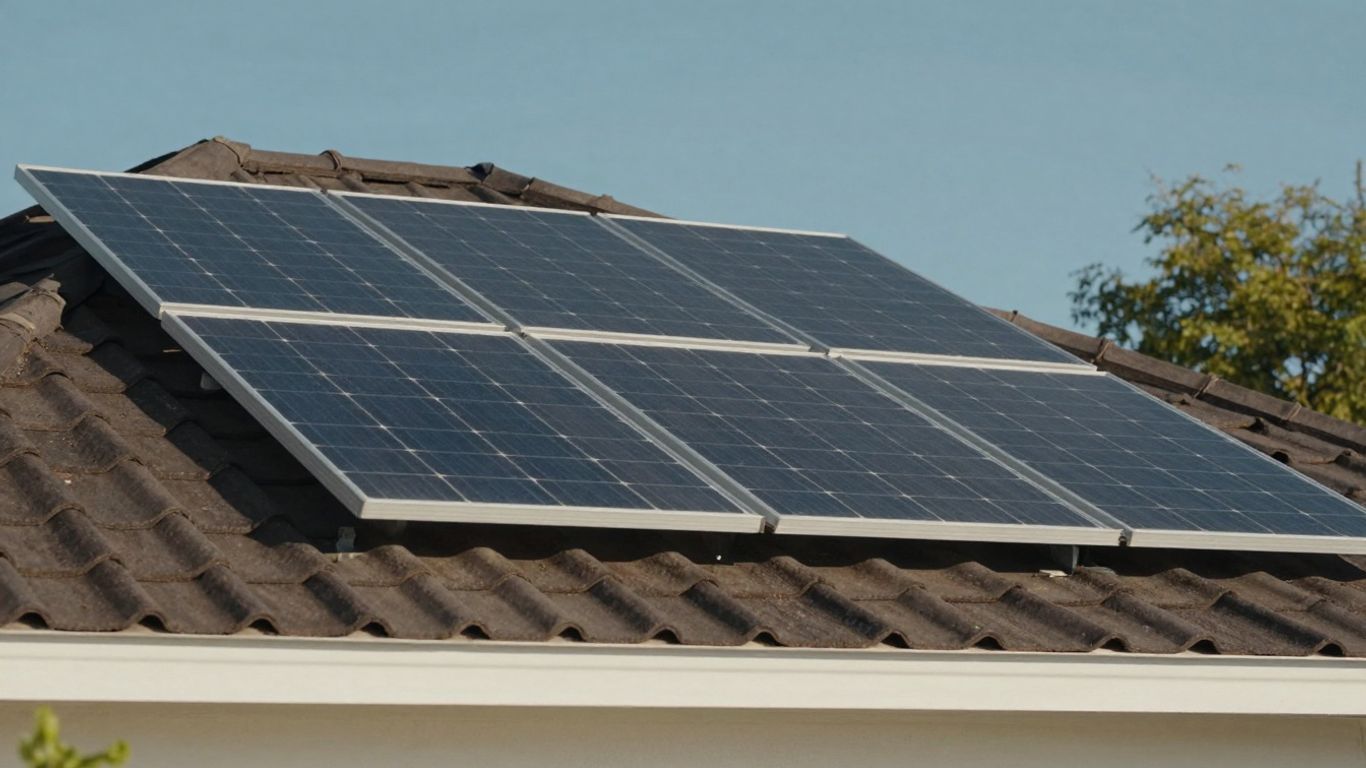
A Typical Residential Solar Panel Setup On A Home Roof In California.
So, you’ve decided to go solar and are looking at loans. One of the biggest things to figure out is what your monthly payment will look like. It’s not just about the sticker price of the panels; it’s about how that cost gets spread out over time.
The amount you pay each month depends on a few key things: the total loan amount, the interest rate (APR), and how long you plan to pay the loan back (the term length). Think of it like this: a bigger loan or a higher interest rate means a bigger monthly bill. On the flip side, stretching the loan out over more years usually means a smaller monthly payment, but you’ll likely pay more in interest overall.
Here’s a general idea of how these factors play together:
- Shorter Loan Terms: If you choose to pay off your solar loan in, say, 5 or 7 years, your monthly payments will be higher. This means you’ll pay less interest over the life of the loan and own your system outright sooner. It’s a good option if you have the budget for it.
- Longer Loan Terms: Opting for a 15, 20, or even 25-year loan will result in lower monthly payments. This can make solar more accessible if your budget is tighter. However, you’ll end up paying more interest in the long run.
- Interest Rates: As we’ve discussed, the APR significantly impacts your monthly payment. A lower APR means more of your payment goes towards the principal, saving you money over time.
It’s a balancing act. You want a monthly payment that fits comfortably into your budget without making the total cost of the loan skyrocket. Many people try to match their monthly solar payment to their previous average electricity bill, so they’re not spending extra money out-of-pocket each month.
When you’re looking at loan offers, always ask for a clear breakdown of the monthly payment, including any fees. Some loans might have a “dealer fee” built into the APR, which can make the advertised rate seem lower than it is. Make sure you understand the total cost and what you’re actually paying each month.
For example, let’s say you need a $30,000 loan for solar panels:
| Loan Term | Estimated Monthly Payment (at 7% APR) |
|---|---|
| 5 Years | ~$590 |
| 10 Years | ~$330 |
| 15 Years | ~$245 |
| 20 Years | ~$200 |
| 25 Years | ~$175 |
Keep in mind these are just estimates. Your actual payment will vary based on the specific lender and your creditworthiness. It’s always best to get personalized quotes.
Solar Loan Fees Explained
When you’re looking into solar loans, it’s not just about the interest rate you see advertised. There are often other costs, or fees, that can add up and change the total amount you end up paying. It’s super important to know what these are so you can compare different loan offers accurately.
One common fee you’ll run into is the dealer fee, sometimes called a finance charge. This is basically a fee the solar installer charges the loan provider, and then the loan provider passes that cost onto you. It can be a pretty significant chunk of the loan amount, sometimes ranging from 20% to even 50% of the system’s price. Lenders might use these fees to keep the advertised Annual Percentage Rate (APR) looking low, while still making sure they get their profit. So, a loan with a seemingly low APR might actually be more expensive overall if it has a high dealer fee.
Another potential fee is an origination fee. This is a charge from the lender for processing your loan application. It’s usually a percentage of the total loan amount, maybe 1% to 10%. Sometimes, this fee is taken out of the loan amount before you receive the money, meaning you’ll get less cash than you borrowed.
Here’s a quick look at some common fees:
- Dealer Fee (Finance Charge): Often a large percentage of the loan, passed from installer to lender to borrower.
- Origination Fee: A processing fee charged by the lender.
- Late Fees: Charged if you miss a payment deadline.
- Prepayment Penalties: Some loans might charge a fee if you pay off the loan early, though this is less common with solar loans.
Always ask for a full breakdown of all fees associated with a solar loan before you sign anything. Understanding these costs upfront can save you a lot of money and headaches down the road. Don’t be afraid to ask questions until you’re completely clear on what you’re agreeing to.
Balloon Payments and Solar Loans
When you’re looking into financing for solar panels, you’ll likely come across the term “balloon payment.” It’s a pretty important concept to get a handle on because it can really change how your loan works. Basically, a balloon payment is a large, lump sum of money that’s due at the very end of your loan term. In exchange for agreeing to this big final payment, you usually get to enjoy lower monthly payments throughout the life of the loan.
This structure is particularly common with solar loans because of how the federal solar tax credit works. Lenders often structure the loan assuming you’ll use the tax credit to cover a portion of the cost, typically around 30% of the system’s value. This portion might be due as a balloon payment about 12 to 18 months after you get the loan. It’s important to know if your loan includes this, and what happens if you can’t make the full payment.
Here’s a quick breakdown of what to consider:
- Eligibility for the Tax Credit: Make sure you understand if you qualify for the full federal solar tax credit. It’s non-refundable, meaning your tax liability limits the amount you can claim. If you don’t owe enough in taxes, you might have to carry over the unused portion, but you’ll still owe the full amount as the balloon payment.
- Loan Structure: Some loans might re-amortize the loan after 16-18 months, meaning your monthly payments will go up if you haven’t made the balloon payment. Others might offer a separate, low-interest loan specifically for that 30% portion, with a shorter term.
- Impact on Cash Flow: Think about how that large final payment will affect your finances down the road. Planning for it is key.
It’s not uncommon for solar loan providers to build the expectation of the federal tax credit into their payment structures. This can lead to lower initial monthly payments, but it means you need a solid plan for that final, larger payment. Not being prepared can lead to unexpected financial strain.
Some lenders might even offer a separate, short-term loan for that 30% portion, sometimes with no interest. It’s all about understanding the specifics of your agreement. Talking to a financial advisor can help you figure out if a solar loan with a balloon payment makes sense for your situation and how to best prepare for it.
Federal Tax Credits for Solar
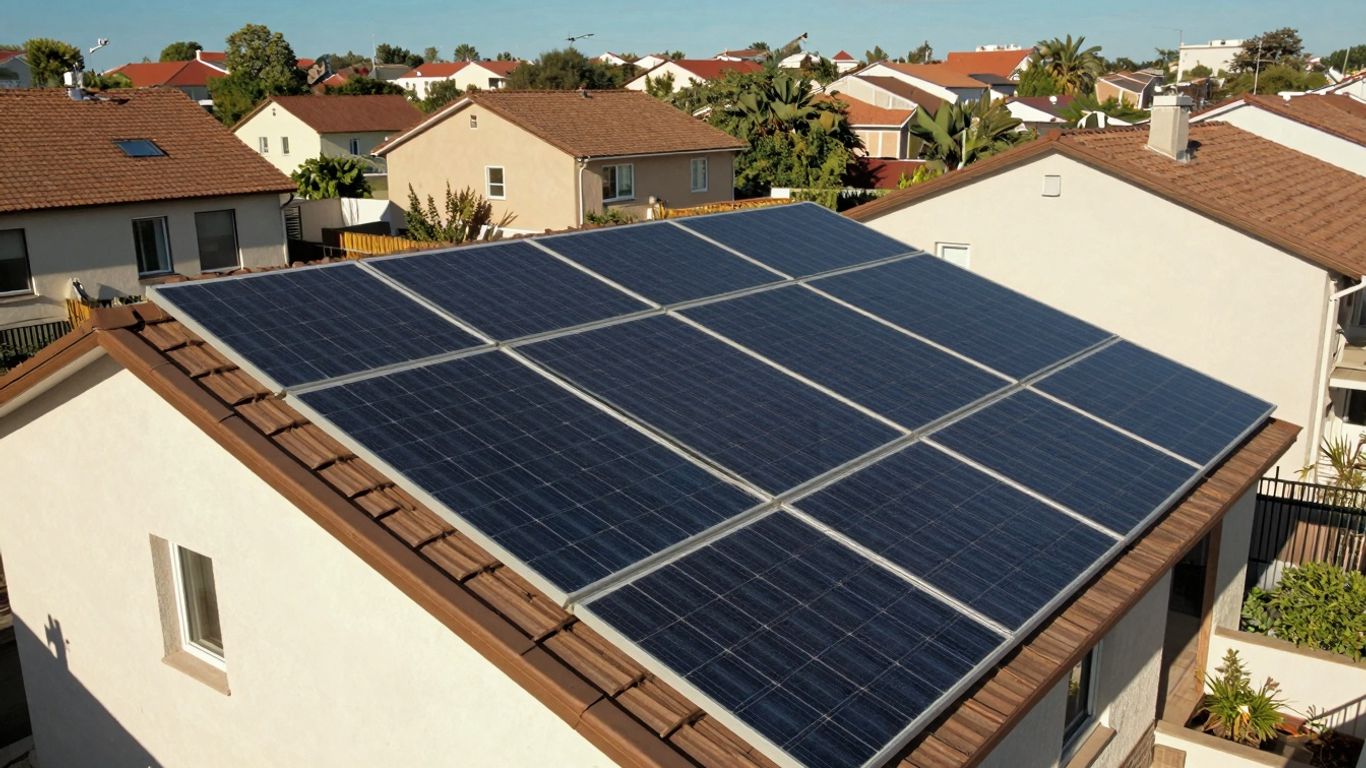
A Suburban Home With A Full Rooftop Solar Panel System Installed.
One of the biggest perks of installing solar panels is the federal solar tax credit. It’s a pretty sweet deal that can really cut down the cost of going solar. Basically, the government lets you subtract a percentage of your solar system’s cost right off your federal taxes.
Right now, this credit is set at 30% of the total system cost. So, if your solar setup costs $20,000, you could potentially get a $6,000 credit. That’s not a refund or a discount, though; it’s a direct reduction of what you owe the IRS. If you don’t owe at least $6,000 in taxes, you won’t get the difference back in cash, but you can usually carry that unused credit over to future tax years.
It’s important to know that this credit applies if you own your solar system, no matter how you paid for it – whether it was cash, a loan, or a lease.
Here’s a quick rundown:
- What it is: A credit against your federal income taxes.
- How much: 30% of your solar system’s cost.
- Who gets it: Homeowners who own their solar system.
- When to claim: You typically claim it in the tax year you install the system.
Keep in mind that tax laws can change, and eligibility requirements might shift. It’s always a good idea to talk to a tax professional to make sure you’re getting the full benefit you’re entitled to and that you understand how it applies to your specific financial situation. They can help you figure out the best way to claim it and what documentation you’ll need.
Ready to take the next step? California solar financing and see your personalized options.
How to Get a Solar Loan
So, you’ve decided to go solar, which is awesome! Now comes the part where you figure out how to pay for it. Getting a solar loan isn’t too complicated, but it does take a few steps. Think of it like getting any other loan, but specifically for your solar setup.
First off, you’ll want to do some shopping around. Don’t just go with the first company you find. Check with your solar installer – sometimes they have their own financing options or work with specific lenders. It can simplify things if they handle the loan part for you. Also, ask friends or family who’ve gone solar if they have any recommendations. You might be surprised what people know.
Your local bank or credit union is another good place to look. If you already have a relationship with them, they might offer you a better deal. Online lenders are also a big player these days, and many specialize in solar loans or offer personal loans that work just fine for solar projects. Comparing rates and terms from at least three different places is a really smart move.
When you’re ready to apply, you’ll need to fill out an application. This usually means sharing some personal info like your income, how much debt you have, and your credit history. They’ll also want details about the solar system you’re planning to install. Once they have your application, the lender will review everything. They might get in touch if they need more information to make a decision.
If your loan gets approved, you’ll get a loan offer. This document lays out all the details: the amount you’re borrowing, the interest rate (APR), how long you have to pay it back, and any fees. It’s super important to read this carefully before you sign anything. Make sure you understand every part of it.
Here’s a general idea of what you might encounter:
- Unsecured Personal Loans: These are common and don’t require you to put up any collateral. They can range from a few thousand to tens of thousands of dollars.
- Home Equity Loans/Lines of Credit (HELOC): If you own a home with equity, you can borrow against it. These often have lower interest rates but put your home at risk if you can’t pay.
- In-House Financing: Offered directly by the solar installation company. This can be convenient, especially if your credit isn’t perfect.
- PACE Loans: These are tied to your property tax bill and are paid back over a long period. They’re available in certain states.
Remember that while loans are a great way to get solar without a huge upfront cost, they do add interest to the total price of your system. It’s a trade-off for spreading the cost over time and still getting the long-term savings from solar energy.
Don’t forget to look into state and local programs too. Some areas have special financing options or incentives that can make going solar even more affordable. A quick search for ‘solar loans [your city/state]’ can turn up some useful information.
Top Solar Loan Providers
When you’re looking to finance your solar panel system, you’ll find a bunch of companies that offer loans. It’s not just banks anymore; there are specialized lenders and even some solar installers who have their own financing options. Shopping around is key to finding the best deal for your situation.
Some of the companies you’ll see mentioned a lot include:
- Mosaic
- Sunlight Financial
- GoodLeap
- Dividend Finance
- Energy Loan Network
- Clean Energy Credit Union
These companies, and others like them, often work with solar installers to provide financing directly to homeowners. Sometimes, your installer will have a preferred lender, but it’s always a good idea to see what other options are out there. You might also find local credit unions or state-specific programs that offer good rates, especially if you’re looking for something with a lower interest rate or a longer repayment period.
It’s also worth checking out programs like Property Assessed Clean Energy (PACE) loans if they’re available in your state. These are a bit different because the loan is tied to your property, not you personally, and you pay it back through your property taxes. Some states have specific energy conservation loan programs too, which can sometimes offer really low or even 0% interest rates.
Remember, the loan terms can vary quite a bit. You’ll see different interest rates, loan lengths, and fees. It’s important to compare these details side-by-side to understand the total cost of the loan over time. Don’t just look at the monthly payment; consider the APR and the total amount you’ll pay back.
When you’re comparing, look at the Annual Percentage Rate (APR), the total loan term, and any fees involved. Some lenders might offer slightly lower interest rates but charge more upfront fees, or vice versa. It can get a little confusing, so take your time and ask questions. Getting a few quotes will help you feel more confident about your choice.
Wrapping It Up
So, getting solar panels in California doesn’t have to mean a huge upfront cost. You’ve got options, from loans with pretty low APRs to longer repayment plans that can make monthly payments easier to handle. Remember to shop around, compare those APRs and fees carefully, and think about what works best for your budget and how long you plan to stay in your home. Taking the time to find the right loan means you can start saving on your electricity bills sooner rather than later, and that’s a win-win.
Frequently Asked Questions
What’s a typical interest rate for a solar loan in California?
Interest rates for solar loans can vary, but in 2023, unsecured loans often fell between 2.99% and 5.99% APR. Secured loans, like those from credit unions, might have slightly higher rates, sometimes around 7.49% to 8.24% APR. It’s always a good idea to shop around to find the best rate for you.
How long do solar loans usually last?
Most solar loans are set up for 15 to 20 years, but you’ll see more 25-year options popping up. The idea is to make your monthly payment similar to what you’d normally pay for electricity, so you start saving money right away.
What’s an APR and why is it important for solar loans?
APR stands for Annual Percentage Rate. It’s like the total cost of borrowing money, including the interest and any fees. Comparing APRs is the best way to see which loan is truly cheaper, even if the interest rates look similar.
Are there any fees I should watch out for with solar loans?
Yes, some lenders might charge an origination fee, which can be a percentage of the total loan amount. This fee might be taken out before you get the money, so you receive less than you expected. Always ask about any fees upfront.
What’s a balloon payment in relation to solar loans?
A balloon payment is a large payment due at the end of a loan term. With solar loans, lenders often plan for you to pay off a portion of the loan within the first year or so, assuming you’ll use tax credits to help with this. Understanding this is key to managing your payments.
Can I use a solar loan to buy a battery for my solar system?
Generally, yes! You can often include the cost of a solar battery in your solar loan. Just be sure to confirm the loan details with your lender to make sure it’s covered.
Ready to Start Saving on Your Energy Bills?
Get a free, no-obligation quote from trusted local providers in under 2 minutes.
No obligation • Free estimates • Takes under 2 minutes
Recent Comments
Recent Posts
- Essential Factors to Consider Before Hiring an Energy Broker: Power to Choose is Choose My Power
- How to Choose a Power Company and a Broker: Power to Choos is Choose My Power
- How Does Choosing the Right Energy Broker Can Help You Save Money
- Commercial Solar Financing: Best Options for Businesses (Loans, PPAs, Leases)
- Solar Financing Near Me: How to Find Local Lenders & the Best Deals