South Carolina Solar Tax Credit: Incentives, Eligibility & How to Claim

Thinking about putting solar panels on your South Carolina home? That’s a smart move, especially with the incentives available. You’ve probably heard about the South Carolina solar tax credit, and maybe the federal one too. It can feel a little confusing trying to figure out how it all works, who qualifies, and what paperwork you actually need. But don’t worry, it’s not as complicated as it might seem. Let’s break down how you can get the most out of these credits and make going solar even more affordable.
Key Takeaways
- South Carolina offers a state solar tax credit worth 25% of your system’s cost, helping to lower your state income tax.
- To claim the South Carolina solar tax credit, you’ll need to fill out state tax form TC-38 and have all your installation receipts ready.
- There’s an annual limit on the state credit (R3,500 or 50% of tax liability, whichever is less), but unused amounts can be carried forward for up to 10 years.
- The federal solar Investment Tax Credit (ITC) can also be claimed, usually for 30% of your system cost, and can be combined with the state credit for significant savings.
- Make sure your solar system meets specific requirements, like being installed in South Carolina and adhering to installation standards, to be eligible for these tax credits.
Understanding The South Carolina Solar Tax Credit
South Carolina’s Generous State Solar Incentive
Thinking about putting solar panels on your roof in South Carolina? That’s a smart move, and the state wants to help you out. One of the biggest perks is the South Carolina Solar Tax Credit. It’s a pretty sweet deal that can really cut down the upfront cost of going solar. Basically, the state gives you a credit for a good chunk of what you spend on a solar energy system. This isn’t just a small discount; it’s a dollar-for-dollar reduction on the taxes you owe. It makes solar a much more reachable option for a lot of folks.

How The State Solar Tax Credit Works
So, how does this credit actually work? It’s a 25% credit based on the total cost of your solar setup. This includes everything – the panels, the inverters, the installation labor, all of it. But, there are a couple of important things to keep in mind. The credit has a yearly limit, and if your total credit amount is more than you can use in one year, you can carry over the leftover amount for up to 10 years. This is great because it means you won’t lose out on any of the credit you’re entitled to, even if your system is large.
Let’s say you install a solar system that costs R20,000. The state credit would be 25% of that, which is R5,000. Depending on how much state income tax you owe that year, you might use the full R5,000, or you might only be able to use a portion of it. If you can’t use it all, the rest just rolls over to the next year.
Maximizing Savings With Combined Incentives
This state credit is fantastic on its own, but it gets even better when you combine it with other incentives. The most significant one is the Federal Solar Investment Tax Credit (ITC). When you stack the South Carolina credit with the federal one, you can potentially cover a really large percentage of your solar system’s cost. It’s not uncommon for homeowners to recoup over half of their investment through these tax credits alone. This makes the switch to solar much more financially appealing.
Combining the state and federal tax credits can significantly lower your out-of-pocket expenses for a solar installation. It’s a powerful duo that makes renewable energy more accessible and affordable for South Carolina residents and businesses alike.
Eligibility Requirements For The Solar Tax Credit
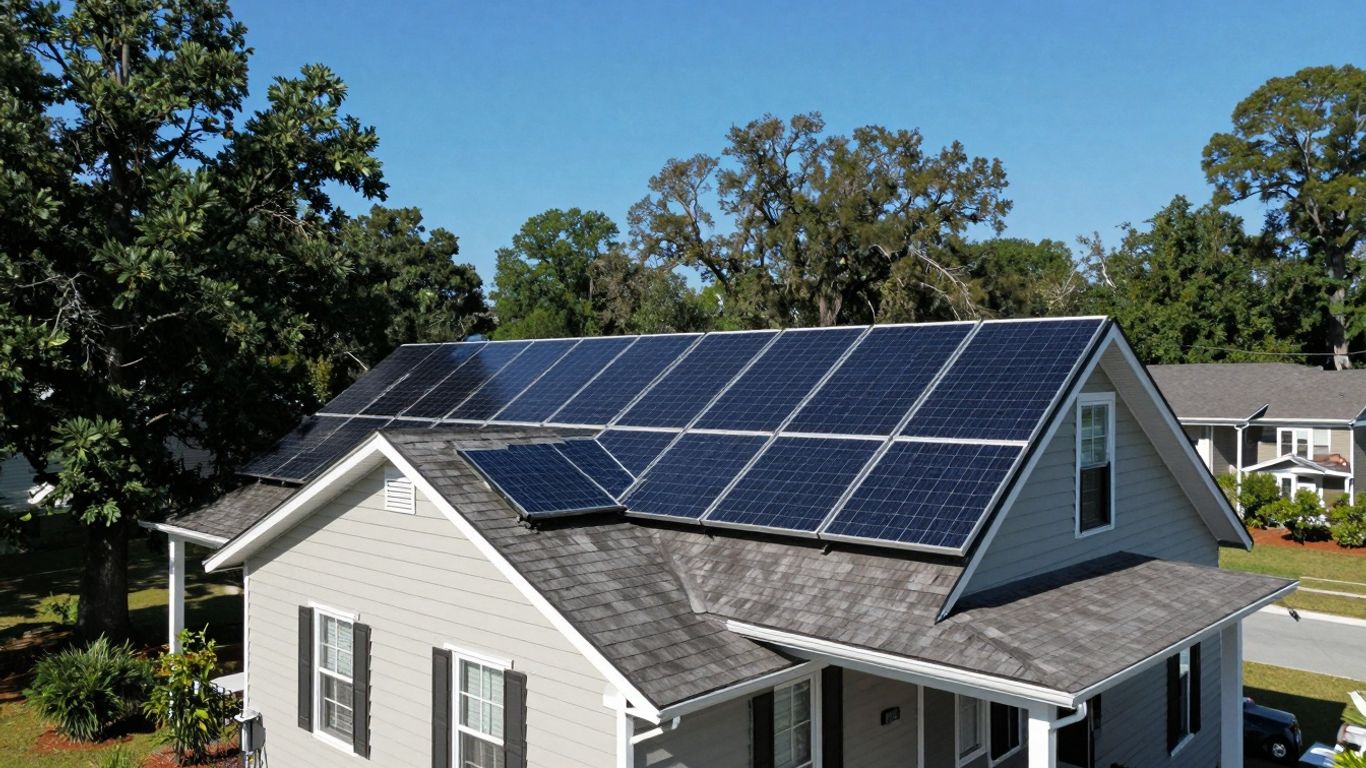
So, you’re thinking about going solar in South Carolina and want to snag that sweet tax credit? Awesome! But before you start dreaming about lower electricity bills, let’s make sure you fit the bill for the state’s solar tax credit. It’s not super complicated, but there are a few key things you need to get right.
System Location And Installation Standards
First off, the solar setup has to be physically located in South Carolina. No out-of-state panels getting you a state tax break, sorry! It needs to be installed on property you own. This could be your main home, a vacation spot, or even your business. The system must also meet all the usual safety, performance, and quality standards that are in place. Think of it like getting a building permit – everything needs to be up to snuff.
New Systems And Warranties
This credit is for new solar energy systems. You can’t claim it for used equipment or systems that have been around for a while. Plus, the system needs to come with a warranty. The state requires it to be at least five years long. This just gives you some peace of mind that the equipment is built to last and the installer stands behind their work.
Permitting And Code Compliance
Just like any construction project, your solar installation needs to follow the rules. You’ll need to have all the necessary permits secured before installation, and the whole setup must comply with local building codes. This ensures everything is installed safely and correctly. Basically, if it’s up to code and permitted, you’re on the right track.
It’s important that the solar system is fully installed and operational within the tax year you plan to claim the credit. This means it’s not just sitting in the garage; it’s actively generating power and connected to your home or business.
Claiming Your South Carolina Solar Tax Credit
So, you’ve decided to go solar in South Carolina – that’s fantastic! Now comes the part where you actually get that sweet, sweet tax credit. It’s not exactly complicated, but you do need to pay attention to the details to make sure you get every dollar you’re entitled to. The key is having all your paperwork in order before you file.
Required State Tax Forms
To claim the South Carolina solar tax credit, you’ll need to fill out a specific form. This is the official way the state knows you’re applying for this particular incentive. The form you’re looking for is South Carolina Form TC-38, officially called the “Solar Energy, Small Hydropower, or Geothermal Tax Credit.” You’ll attach this to your regular state income tax return.
Necessary Supporting Documentation
Just filling out the form isn’t quite enough. The state wants proof that you actually installed a solar system and what it cost you. Think of it like this: you’re showing them the receipts for your solar investment. You’ll need to keep records of:
- Contracts and Invoices: These should detail the total cost of your solar system, including equipment, labor, and any associated fees.
- Permits: Proof that your installation met all local and state requirements.
- System Specifications: Documentation about the solar panels and equipment installed, often including certifications.
- Proof of Payment: Receipts or bank statements showing you paid for the installation.
It’s a good idea to keep copies of everything for your own records, too. You never know when you might need them down the line.
Consulting a Tax Professional
Look, taxes can be tricky, and solar credits add another layer. While you can certainly tackle this on your own, many homeowners find it really helpful to talk to a tax professional, especially one who knows about renewable energy credits. They can make sure you’re filling out Form TC-38 correctly and that you’re not missing any other potential deductions or credits. Plus, it’s an investment in making sure you get the maximum benefit without any headaches.
Annual Limits And Carryforward Provisions
Understanding The Annual Credit Cap
So, you’ve got your solar system all set up and ready to go, and you’re looking forward to those sweet tax credits. But hold on a sec, there’s a limit to how much you can claim each year. For the South Carolina solar tax credit, the amount you can claim is capped at R3,500 annually, or 50% of your total tax liability for that year, whichever number is smaller. This means that even if your system qualifies for a larger credit based on its cost, you won’t be able to take it all in one go if it exceeds these limits. It’s a way to spread out the benefit and also to manage the state’s overall incentive budget. Keep in mind that the statewide annual limit for all taxpayers combined is R2.5 million.
What happens if your solar tax credit is more than what you can use in a single year? That’s where the carryforward provision comes in handy. If you have any unused portion of the credit because of those annual limits, you’re allowed to carry it forward. This means you can apply that leftover credit to your taxes in future years. You’ve got a pretty generous window to do this – up to 10 years. So, if you install a larger system that generates a credit bigger than your annual tax bill or the R3,500 cap, don’t worry about losing out. That credit just rolls over until you can use it up.
Strategic Tax Planning For Larger Systems
Because of these annual caps and the carryforward rules, planning is key, especially if you’re looking at a bigger solar setup. You probably won’t be able to claim the full credit for a large system in just one tax year. Instead, you’ll need to think about how to spread that credit out over several years to get the most benefit. This often involves working closely with your tax advisor. They can help you figure out the best way to time your claims and make sure you’re not missing out on any potential savings. It’s all about making smart moves to maximize your investment in solar energy over the long haul.
Ready to take the next step? South Carolina solar incentives and see your personalized options.
Federal Solar Investment Tax Credit (ITC)
How The Federal ITC Works
So, you’re thinking about going solar in South Carolina? That’s awesome! Besides the state’s own sweet deal, there’s a big federal incentive that can really knock down the cost. It’s called the Federal Solar Investment Tax Credit, or ITC for short. Basically, it lets you subtract a chunk of your solar system’s cost directly from the taxes you owe the government.
This credit is a pretty big deal. For systems installed through 2032, you can claim 30% of the total cost of your solar setup. And when we say total cost, we mean everything – the panels themselves, any battery storage you add, installation labor, permits, and even sales tax. It’s designed to make solar more affordable for everyone across the country.
Here’s a quick rundown of how it works:
- It’s a direct credit: This isn’t a deduction that lowers your taxable income; it’s a credit that directly reduces your tax bill. If you owe R5,000 in taxes and have a R4,000 ITC, you’ll only owe R1,000.
- Covers a lot: Think of it as covering the price of the equipment, installation, and all those little fees that add up.
- Long-term availability: The 30% rate is in place for a good while, giving you plenty of time to plan your solar project.
The ITC is a powerful tool to make solar energy more accessible. It was put in place to encourage the adoption of renewable energy sources nationwide, and it’s been extended and improved over the years, most recently with the Inflation Reduction Act. This means it’s a stable incentive you can count on for the foreseeable future.
Claiming The Federal Credit
Alright, so you’ve got your solar system up and running. How do you actually get that 30% back? It’s done when you file your federal income taxes. You’ll need to fill out a specific form, IRS Form 5695, which is titled “Residential Energy Credits.” You’ll report the total cost of your solar installation on this form, and it will calculate the credit amount for you.
Make sure you keep all your paperwork organized. This includes:
- Invoices from your solar installer.
- Receipts for any equipment purchased.
- Permit documentation.
- Contracts related to the installation.
These documents are your proof if the IRS ever asks for them. If the credit you’re eligible for is more than the taxes you owe for that year, don’t worry. You can carry over the unused portion of the credit to future tax years. This is super helpful if you have a large system or a lower tax liability in a given year. You can typically carry it forward for up to five years, though it’s always a good idea to check the latest IRS guidelines or talk to a tax pro.
Federal Credit Expiration
The good news is that the Federal ITC has been extended and modified by recent legislation, like the Inflation Reduction Act. This means the 30% credit is scheduled to remain in place through the end of 2032. After that, the percentage is set to decrease gradually. It will drop to 26% for systems installed in 2023 and then to 22% in 2024, before expiring entirely at the end of 2024. So, if you’re looking to get the maximum 30% federal benefit, it’s wise to get your system installed and operational before the end of 2022. Keep in mind that these dates can sometimes shift with new legislation, so staying informed is key.
Maximizing Your Solar Investment In South Carolina
Combining State And Federal Credits
So, you’re thinking about going solar in South Carolina? That’s great! One of the best ways to make your solar system even more affordable is by stacking the incentives. The South Carolina state solar tax credit is already a pretty sweet deal, but when you combine it with the federal Solar Investment Tax Credit (ITC), you can significantly cut down the upfront cost of your system. It’s like getting a double discount on clean energy. This combination makes solar much more accessible for homeowners and businesses looking to save money and help the environment.
Other Available Solar Incentives
Beyond the state and federal tax credits, keep an eye out for other potential savings. While tax credits reduce your tax bill, there might be other programs or local initiatives that offer direct rebates or grants. Sometimes, utility companies have their own incentives for customers who install solar. It’s worth doing a little digging to see if there are any other programs you qualify for. These can add up and make your solar investment even more attractive.
Long-Term Energy Savings
Going solar isn’t just about the initial savings from tax credits; it’s a long-term investment in your home and your wallet. Once your system is up and running, you’ll start seeing a noticeable drop in your electricity bills. The real magic happens over the lifespan of your solar panels, which can last 25 to 30 years or even longer. Plus, with net metering, any excess electricity your panels generate gets sent back to the grid, earning you credits that further reduce your monthly bills. It’s a smart way to take control of your energy costs and enjoy predictable expenses for decades to come.
Here’s a quick look at how the incentives can stack up:
- South Carolina State Solar Tax Credit: Up to 25% of the system cost.
- Federal Solar Investment Tax Credit (ITC): Currently 30% of the system cost.
- Potential Utility or Local Rebates: Varies by provider and location.
Remember that the annual state tax credit has a cap, and any unused portion can be carried forward. This means for larger systems, you might need to spread the credit over a few years. Planning ahead with your tax professional is key to getting the most out of these benefits.
Wrapping It Up: Your Solar Savings in South Carolina
So, there you have it. Going solar in South Carolina looks pretty good, especially with those tax credits. You can knock a good chunk off the price tag with both the federal and state incentives, which really adds up. It might seem like a bit of paperwork, but honestly, saving that much money on your energy costs for years to come? Totally worth it. Just make sure you’ve got all your ducks in a row with the right forms and receipts. If you’re on the fence, now might be the time to look into it seriously. It’s a smart move for your wallet and the planet.
Frequently Asked Questions
What is the South Carolina Solar Tax Credit?
The South Carolina Solar Tax Credit is a program that lets you subtract 25% of the cost of your solar energy system from the taxes you owe to the state. It’s a great way to make solar power more affordable for your home or business.
Who can get the South Carolina Solar Tax Credit?
To qualify, you need to install a new solar energy system in South Carolina on your home or business. The system must meet certain standards, have a warranty, and be properly permitted and installed according to local rules.
How do I claim the South Carolina Solar Tax Credit?
You’ll need to fill out a specific state tax form, called Form TC-38, and send it in with your state tax return. Make sure to keep all your receipts and paperwork for the solar installation, as you’ll need them as proof.
Is there a limit to how much South Carolina Solar Tax Credit I can get?
Yes, there’s a limit. You can claim up to R3,500 each year, or 50% of the taxes you owe, whichever is less. If you have more credit than you can use in one year, you can carry it over to future years for up to 10 years.
Can I use the state solar tax credit with the federal one?
Absolutely! You can combine the South Carolina state tax credit with the Federal Solar Investment Tax Credit (ITC). This can help you save a significant amount, potentially covering over half the cost of your solar system.
When does the South Carolina Solar Tax Credit expire?
Good news! Currently, there’s no set end date for the South Carolina state solar tax credit. This means you can take advantage of it for years to come, though the federal credit has an expiration date.
Ready to Start Saving on Your Energy Bills?
Get a free, no-obligation quote from trusted local providers in under 2 minutes.
No obligation • Free estimates • Takes under 2 minutes
Recent Comments
Recent Posts
- Essential Factors to Consider Before Hiring an Energy Broker: Power to Choose is Choose My Power
- How to Choose a Power Company and a Broker: Power to Choos is Choose My Power
- How Does Choosing the Right Energy Broker Can Help You Save Money
- Commercial Solar Financing: Best Options for Businesses (Loans, PPAs, Leases)
- Solar Financing Near Me: How to Find Local Lenders & the Best Deals