Loan for Solar Panels: Best Loan Types (and How to Qualify)

Thinking about getting solar panels for your home? That’s awesome! It’s a big step towards saving money and helping the environment. But, let’s be real, those panels aren’t exactly cheap upfront. Luckily, there are a bunch of ways to finance them. You might be wondering, ‘What’s the best loan for solar panels?’ Well, it really depends on where you live and what you qualify for. We’ve rounded up some of the top options out there to help you figure it out.
Key Takeaways
- PACE programs let you pay for solar upgrades through your property taxes, making it easy to add to your home’s value.
- A Home Equity Line of Credit (HELOC) uses your home’s equity as collateral, potentially offering lower interest rates.
- Specific municipal and provincial programs, like those in Toronto, Guelph, Ottawa, and PEI, offer dedicated loans for energy efficiency and solar installations.
- Manitoba Hydro offers a specific loan for energy efficiency upgrades, including solar panels, with set interest rates and terms.
- Lease-to-own and Power Purchase Agreements (PPAs) are alternatives where you don’t own the panels outright but still benefit from solar energy, often with little to no upfront cost.
1. Property-Assessed Clean Energy (PACE) Programs
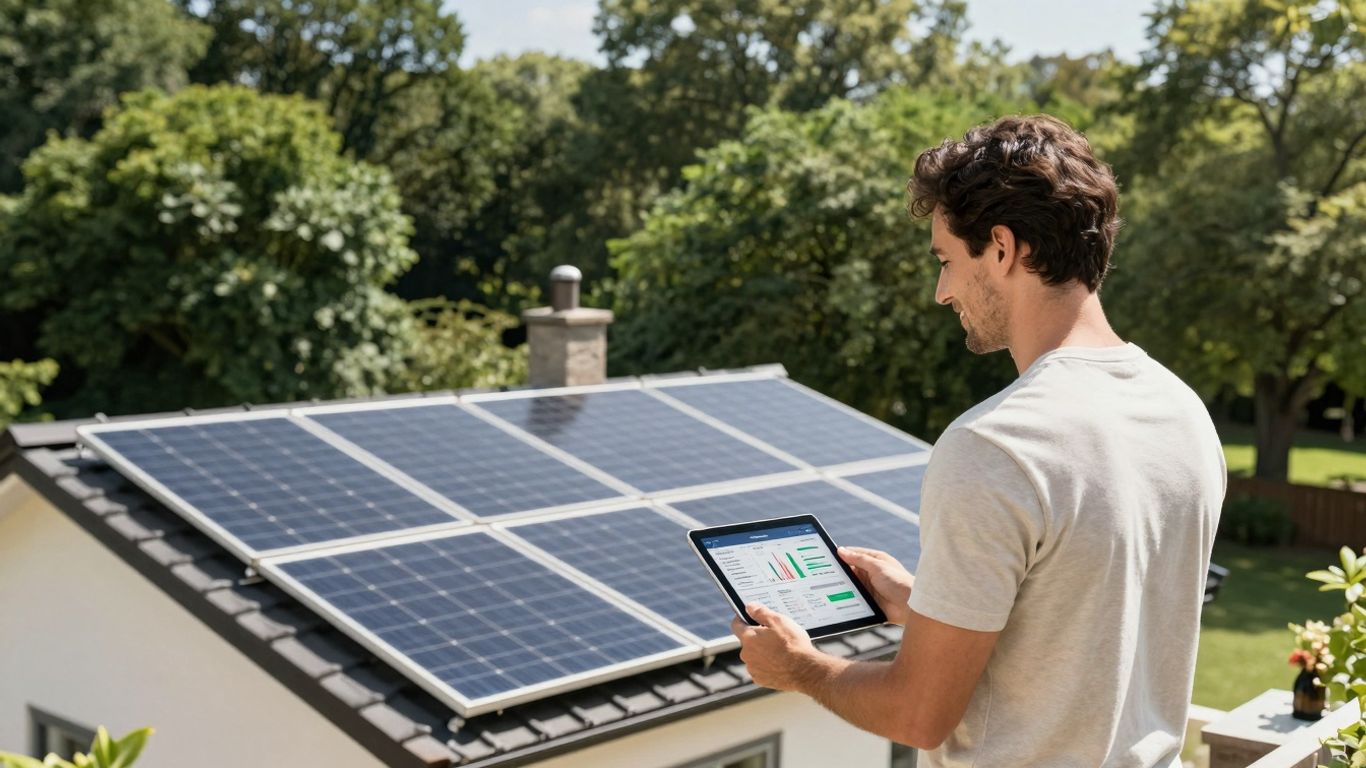
Visualizing How A Solar Panel Loan Can Lead To Net-Positive Monthly Savings Within Five Years.
Property-Assessed Clean Energy, or PACE, programs are a way to finance energy-efficient upgrades, including solar panels, where the cost is added to your property tax bill. This means the loan is tied to the property, not to you personally, which can make it easier to qualify and transfer if you sell your home.

These programs are typically offered at the municipal level, so availability can vary quite a bit depending on where you live. It’s not as common in Canada as it is in the United States, but there are definitely options popping up.
Here’s how they generally work:
- Assessment: Your property is assessed to see if it qualifies for the program.
- Installation: You work with an approved contractor to install your solar panels or other eligible upgrades.
- Repayment: The cost of the project is repaid over a set number of years through your regular property tax installments.
- Transferability: If you sell your home, the remaining balance of the PACE assessment can be transferred to the new owner.
Some municipalities might have specific programs with different loan limits and terms. For instance, the City of Ottawa offers PACE loans up to $125,000 with a 20-year repayment period. Other cities might have different structures, so it’s always a good idea to check with your local government or utility provider.
PACE programs can be a really straightforward way to pay for solar if your municipality offers one. Because the assessment is on the property, it often bypasses some of the stricter credit checks you might face with other types of loans. It’s like making your house pay for its own upgrade over time.
2. Home Equity Line of Credit (HELOC)
A Home Equity Line of Credit, or HELOC, is a flexible loan that lets you borrow against the equity you’ve built up in your home. Think of it like a credit card, but for a much larger amount and secured by your house. You get a credit limit, and you can draw funds as needed, paying interest only on what you use. This can be a good option for solar panel installation if you have a significant amount of equity in your home and want the flexibility to draw funds over time.
The main advantage of a HELOC is its adaptability; you can borrow, repay, and borrow again up to your credit limit. This makes it useful if your solar project has multiple phases or if you want to cover unexpected costs that might pop up during installation.
Here’s a quick look at how it generally works:
- Accessing Funds: You can usually access your HELOC funds through checks, online transfers, or a special card. It’s not a lump sum like a traditional loan.
- Interest Rates: HELOCs often have variable interest rates, meaning they can go up or down based on market conditions. This can be a risk if rates climb significantly.
- Repayment: During a draw period, you might only need to make interest payments. After that, you enter a repayment period where you pay back both principal and interest.
Qualifying for a HELOC typically involves a good credit score, a stable income, and a low debt-to-income ratio. Lenders will also look at how much equity you have in your home – the difference between your home’s value and what you owe on your mortgage. Generally, you’ll need to have at least 20% equity to qualify.
While a HELOC offers great flexibility, remember that your home is collateral. If you can’t make payments, the lender could foreclose on your house. It’s important to have a solid plan for repayment and to only borrow what you’re confident you can pay back.
3. RBC Energy Saver Loan
Looking for a way to finance those solar panels and maybe get a little something back? The RBC Energy Saver Loan could be worth a look. This loan is designed to help homeowners in Ontario finance energy-efficient upgrades, including solar panel installations. It offers a neat incentive: either a 1% discount on your loan’s interest rate or a R100 rebate towards a home energy audit.
To qualify, you’ll need to secure a fixed-rate loan of over R5,000 for eligible products or services. Think solar panels, ENERGY STAR appliances, or other upgrades recommended by a home energy audit. The loan itself comes with flexible terms, usually ranging from 5 to 10 years, depending on how much you borrow. Plus, you get options for payment frequency – monthly, bi-weekly, or weekly – and you can even set up automatic withdrawals.
One of the best parts? There are no penalties for paying off your loan early. So, if you get a windfall or just want to be debt-free sooner, you can do that without extra charges. They also offer a skip-a-payment option, which can be a lifesaver if you hit a tight spot, though interest still accrues during that time.
Here’s a quick rundown of what makes it appealing:
- Incentive: Get 1% off your interest rate or a $100 rebate for a home energy audit.
- Loan Amount: Fixed-rate installment loans of at least $5,000 are required to get the incentive.
- Eligible Upgrades: Includes renewable energy projects like solar panels, ENERGY STAR products, and items recommended by a home energy audit.
- Payment Flexibility: Choose your payment schedule and enjoy no early repayment charges.
To get that $100 rebate for the audit, you’ll need to have the audit done either 90 days before or 90 days after your loan is approved. Then, you submit your receipt to RBC within 120 days of getting the loan. It’s a good way to get a professional assessment of your home’s energy use and potentially save some money on the loan itself.
4. Manitoba Hydro Home Energy Efficiency Loan
If you’re a homeowner in Manitoba looking to make your home more energy-efficient, especially with solar panels, the Manitoba Hydro Home Energy Efficiency Loan is definitely worth a look. It’s a pretty straightforward way to finance upgrades, and the payments get rolled right into your regular energy bill, which is super convenient. No need to worry about a down payment either, as Manitoba Hydro pays the contractor directly. This program is designed to make energy-saving upgrades more accessible for residents.
Here’s a quick rundown of what you need to know:
- Financing Details: You can borrow up to $12,500 per residence. The interest rate is 6.20% (O.A.C.) for the first five years. Loan terms can go up to 15 years for certain technologies, though the standard term is five years. The minimum loan amount you can get is $500.
- Eligibility: You need to own the home and have an active account with Manitoba Hydro, plus be approved for credit. The home must be your primary residence or your tenant’s primary residence. Detached and semi-detached homes are eligible, and mobile homes on permanent foundations can qualify too, provided you own the land.
- What’s Covered: The loan can be used for various energy efficiency upgrades, including solar photovoltaic systems. However, it’s important that the upgrades meet specific levels set in partnership with Efficiency Manitoba.
There are a few things that aren’t eligible, like unoccupied homes, seasonal properties, apartment buildings, and projects that are already underway or completed. Also, you can’t finance labor only, and your own labor for DIY projects isn’t covered – only materials and equipment are.
Applying before starting any work or buying materials is key. Manitoba Hydro needs to approve your application first. This ensures everything aligns with their program requirements and helps you avoid any surprises down the line.
Repaying the loan is simple, with monthly payments added to your energy bill. You can make extra payments anytime without penalty, though there’s a small administrative fee if you pay the loan off completely within the first six months. Keep in mind, the loan becomes due if you sell or transfer ownership of the home; it’s not transferable to a new owner. If you’re considering solar panels, checking out the Manitoba Hydro financing options is a smart move.
5. City of Toronto Home Energy Loan Program (HELP)
Thinking about solar panels for your Toronto home? The City of Toronto’s Home Energy Loan Program, often called HELP, could be a good option to look into. This program is designed to help homeowners finance energy-efficient upgrades, and yes, that includes solar photovoltaic (PV) systems. It’s not just for solar, though; it covers a pretty wide range of improvements that can make your home more comfortable and lower your energy bills.
One of the standout features of the HELP program is the loan amount. You can potentially borrow a significant sum, up to $125,000, which should be enough to cover the cost of a good-sized solar panel installation and maybe even some other upgrades you’ve been considering.
Here’s a quick rundown of what you might expect:
- Loan Amounts: Up to $125,000.
- Eligible Upgrades: Includes solar PV systems, insulation, windows, doors, and more.
- Repayment: Typically rolled into your property tax bill, making it a familiar and often convenient way to pay.
It’s important to remember that programs like this often have specific eligibility requirements. You’ll usually need to be a homeowner, and the property will need to meet certain criteria. Also, the loan is tied to the property, not the individual, which can be a benefit when you eventually sell.
Before you get too far into planning, it’s always a good idea to check the City of Toronto’s official website for the most current details on the HELP program. Things like interest rates, terms, and application processes can change, and you’ll want to make sure you have the latest information before you commit to anything. They’ll have the definitive guide on how to apply and what you’ll need.
6. City of Guelph Greener Homes Loan
The City of Guelph used to offer a Greener Homes Loan program, which was a pretty neat way to finance energy-efficient upgrades for your house. Think of it as a way to make your home more comfortable and maybe save a bit on those energy bills.
Unfortunately, you can no longer apply for this loan, as the application period closed on October 1, 2025. This was part of the larger Canada Greener Homes Loan initiative, and its funding has been fully allocated.
For those who managed to get approved before the deadline, here’s a quick rundown of what the loan entailed:
- Loan Amount: You could borrow anywhere from $5,000 up to a maximum of $40,000. It wasn’t a massive amount, but enough for some significant upgrades.
- Interest Rate: The best part? It was interest-free financing. Yep, zero interest, which really cuts down on the overall cost.
- Repayment Term: You had a decade, or 10 years, to pay it back. This made the monthly payments more manageable.
- Loan Type: It was an unsecured personal loan, meaning you didn’t have to put up your house as collateral, provided you had decent credit.
To even be considered, you needed a pre-retrofit EnerGuide evaluation. This basically means getting an expert to check how energy-efficient your home was before you started any work. You had to submit those results to Natural Resources Canada before you could even think about applying for the loan. It was a bit of a process, for sure.
It’s always a good idea to wait for the loan decision before you start any major work or sign contracts with contractors. Things can change, and you don’t want to be stuck with bills for work that isn’t covered.
If you were approved, you could get a portion of the loan upfront, up to 15%, to help with contractor deposits. The rest came after the work was done and verified. The loan would show up on your credit report, so keeping up with payments was important. While this specific Guelph program is closed, it’s worth keeping an eye out for any future municipal or provincial initiatives that might pop up to help homeowners go green.
7. City of Ottawa PACE Program
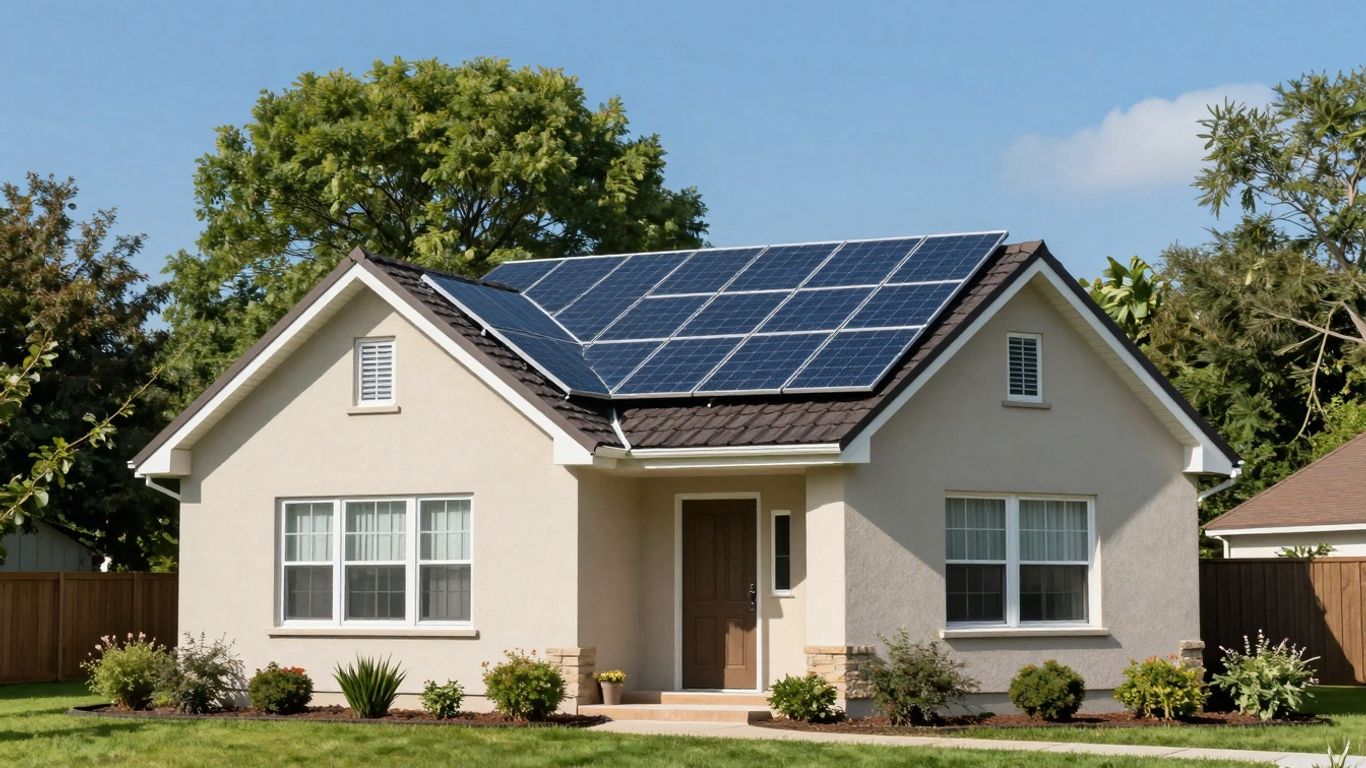
A Typical 72-Month Solar Loan Structure With A Personalized Interest Rate Capped At Prime Plus 2.5%.
The City of Ottawa offers a Property-Assessed Clean Energy (PACE) program that can help homeowners finance solar panel installations and other energy-efficient upgrades. This program allows you to finance improvements and repay the loan through your property tax bill. It’s a way to make significant upgrades without a large upfront cost, spreading the expense over a longer period.
The Ottawa PACE program is designed to be accessible, with loans available for a substantial amount. Here’s a quick look at what it offers:
- Loan Amount: Up to $125,000.
- Repayment Term: Up to 20 years.
- Interest Rate: Low interest.
- How it Works: The loan is tied to your property, not to you personally. This means if you sell your home, the remaining balance can be transferred to the new owner.
To qualify, you’ll typically need to meet certain criteria related to your property and your ability to repay. The city usually works with approved contractors, so you’ll want to ensure your chosen solar installer is part of the program.
The application process generally involves checking your eligibility, getting quotes from participating contractors, and submitting an application. Once approved, the funds are disbursed, and the loan is repaid through your municipal property tax bill, making it a convenient way to manage the costs of going solar.
8. City of Saskatoon Home Energy Loan Program (HELP)
If you’re a homeowner in Saskatoon looking to install solar panels, the City of Saskatoon’s Home Energy Loan Program (HELP) might be just what you need. This program offers a way to finance solar energy systems and other energy-saving upgrades. It’s a municipal loan designed to make going solar more accessible for residents.
The HELP program allows you to borrow a significant amount to cover the costs of your solar panel installation. The loan amounts can go up to $60,000, which should be enough for most residential solar projects. What’s neat about this program is how the repayment works. Instead of a separate bill, your loan payments are added directly to your property tax bill. This can simplify things and make budgeting easier.
Here’s a quick rundown of what you can expect:
- Loan Amount: Up to $60,000 for eligible energy efficiency upgrades, including solar and energy storage.
- Repayment Terms: You have options for how long you want to pay back the loan, typically 5, 10, or 20 years.
- Interest Rate: The program offers a low interest rate, making it an affordable way to finance your solar investment.
- Application Process: You’ll need to apply and get approved before starting any work. The city has specific requirements to ensure the upgrades meet their standards.
Keep in mind that the loan is tied to your property. This means when you sell your home, the outstanding loan balance usually needs to be paid off as part of the sale. It’s a good idea to check the specific terms and conditions with the City of Saskatoon for full details on how this works.
Qualifying for the HELP program generally involves being a homeowner in Saskatoon and meeting certain creditworthiness criteria. You’ll also need to ensure your solar panel installation is done by qualified professionals and meets all local building codes and regulations. It’s always best to contact the City of Saskatoon directly or visit their website for the most current information on eligibility, application procedures, and interest rates.
Ready to take the next step? best solar panel loan and see your personalized options.
9. Prince Edward Island Energy Efficiency Loan Program
If you’re a resident of Prince Edward Island looking to go solar, the provincial government has a program that might interest you. It’s called the Energy Efficiency Loan Program, and it’s designed to help homeowners finance upgrades like solar panel installations. This program offers a fixed interest rate of 5% over a 15-year term, with loan amounts up to $25,000.
Getting started involves a few steps to make sure everything is above board and you qualify. You’ll need to have your application approved before you start any work or buy any equipment. It’s also important that you own the home where the improvements will be made and have an active account with the program administrator. They’ll check your credit too, so keep that in mind.
Here’s a general idea of how it works:
- Application and Approval: Submit your application and get it approved first. This is key.
- Installation: Once approved, you can proceed with installing your solar panels.
- Repayment: You’ll repay the loan over 15 years with fixed monthly payments at that 5% interest rate.
It’s a pretty straightforward way to finance a significant home upgrade. You can find more details about the specific requirements and how to apply on the Efficiency PEI website. They also have information on other net zero funding programs that might be available to you.
This type of loan is tied directly to energy efficiency improvements, making it a targeted option for homeowners focused on reducing their carbon footprint and energy bills. It’s not just for solar, but solar is definitely a major eligible upgrade.
Remember to check the official program details for the most current information, as requirements can sometimes change. It’s always a good idea to compare this option with others to see what best fits your financial situation.
10. Lease-to-Own and Power Purchase Agreements
Sometimes, buying solar panels outright just isn’t in the cards. That’s where lease-to-own and Power Purchase Agreements (PPAs) come in. Think of it like leasing a car, but for your roof. You get the benefits of solar power without the big upfront cost.
With a lease, you pay a fixed monthly fee to use the solar system installed on your property. A PPA is a bit different; you pay for the electricity the panels generate, usually at a set rate. The company that owns the panels handles installation and maintenance, which is a pretty sweet deal.
These agreements typically last between 10 to 25 years. At the end of the term, you usually have a few options: you can buy the system, extend the agreement, or have it removed. It’s important to know what these options are before you sign anything.
Here’s what you should really pay attention to:
- Agreement Length: How long are you locked in?
- End-of-Term Options: What happens when the contract is up? Can you buy it? Extend it?
- Cost vs. Savings: Does the monthly payment make sense compared to how much you expect to save on electricity bills?
- Moving: What happens if you sell your house? Leases aren’t always transferable, so you’ll need to understand the terms for breaking the agreement.
It’s a good idea to have a lawyer or a financial advisor look over any lease or PPA documents before you commit. They can help you spot any tricky clauses or make sure the deal is truly beneficial for you.
Wrapping Up Your Solar Panel Financing Journey
So, getting solar panels for your home is definitely a big step, and figuring out the money part can seem a bit much at first. We’ve looked at different ways to pay for it, from specific government programs to loans you can get from your bank. Remember to check out what’s available in your area, because things like PACE programs or local energy efficiency loans can make a big difference. Don’t forget about options like leases or PPAs if buying outright isn’t in the cards right now, but be sure to read the fine print on those. Ultimately, finding the right loan means looking at interest rates, repayment terms, and what fits your budget best. It might take a little digging, but getting those panels up and running is totally worth it for the long run.
Frequently Asked Questions
What is a PACE program?
PACE stands for Property-Assessed Clean Energy. It’s a way to finance green upgrades like solar panels. The loan is usually paid back through your property taxes, making it easier to manage.
How does a HELOC work for solar panels?
A Home Equity Line of Credit (HELOC) lets you borrow money using the value of your home. You can use this line of credit to pay for solar panels, and you pay it back over time, often with flexible payment options.
What’s the difference between a lease and a Power Purchase Agreement (PPA)?
With a lease, you pay to use the solar panels on your roof. With a PPA, a company installs panels on your property, and you buy the electricity they produce at a set price. Both let you get solar with little to no upfront cost.
Are there loans specifically for energy efficiency upgrades?
Yes! Many places offer special loans for things like solar panels and other energy-saving improvements. These often have lower interest rates and longer payback periods.
How do I qualify for these solar loans?
Qualification usually depends on your credit score, income, and whether you own your home. Some programs might have specific requirements, so it’s good to check with each one.
What happens if I sell my house with a solar loan?
This depends on the loan type. Some loans, like PACE, are tied to the property and transfer to the new owner. Others might need to be paid off when you sell. Always check the loan agreement.
Ready to Start Saving on Your Energy Bills?
Get a free, no-obligation quote from trusted local providers in under 2 minutes.
No obligation • Free estimates • Takes under 2 minutes
Recent Comments
Recent Posts
- Essential Factors to Consider Before Hiring an Energy Broker: Power to Choose is Choose My Power
- How to Choose a Power Company and a Broker: Power to Choos is Choose My Power
- How Does Choosing the Right Energy Broker Can Help You Save Money
- Commercial Solar Financing: Best Options for Businesses (Loans, PPAs, Leases)
- Solar Financing Near Me: How to Find Local Lenders & the Best Deals