Solar Installation Tips for Energy Efficient Homes

Get Quotes Before You Install
These tips help you prepare. Request quotes from solar installers to compare options before you start your project.
Disclosure: we may earn a commission if you switch or request a quote through this link, at no extra cost to you. It never changes which plan or company we recommend. How we make money.
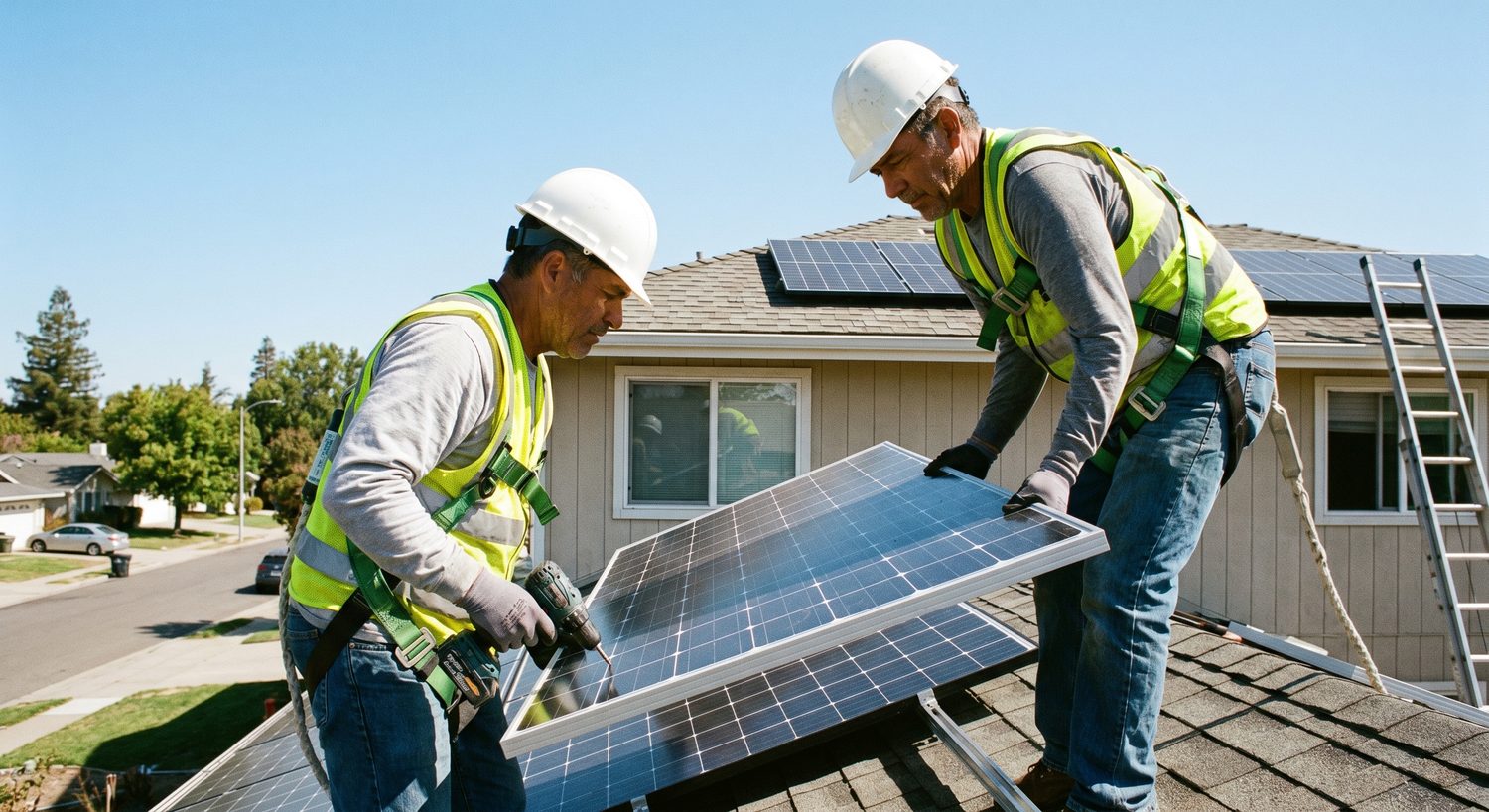
Many homeowners get excited about solar panels because they want lower electricity bills and greater energy independence. While solar energy can absolutely help reduce long-term utility costs, one of the biggest mistakes people make is installing solar panels before improving their home’s energy efficiency.
An energy efficient home allows a solar system to perform better while requiring fewer panels to meet household electricity needs. In simple terms, the less energy a home wastes, the more effective solar power becomes.
Think of it this way. Installing solar panels on an inefficient home is similar to pouring water into a bucket with holes in it. Some of the energy savings are immediately lost because the home consumes more electricity than necessary.
Before sizing a solar system, homeowners should first evaluate how much energy their home actually uses and where waste occurs.
Several common household issues increase electricity consumption unnecessarily:
• Poor insulation
• Drafty windows and doors
• Old air conditioning systems
• Inefficient lighting
• Aging appliances
• Poor attic ventilation
• Excessive standby power usage
Addressing these problems before solar installation can dramatically reduce energy demand.
For example, replacing outdated incandescent bulbs with LED lighting may lower electricity consumption significantly over time. Upgrading an old HVAC system can create even larger savings because heating and cooling often represent one of the biggest energy expenses in a household.
A more efficient home usually means a smaller solar system is needed.
That matters because solar installation costs are heavily influenced by system size. Fewer required panels can reduce equipment costs, installation labor, and roof space requirements.
Homeowners who improve energy efficiency first often discover they can meet their electricity goals with a far more affordable solar setup.
Energy audits are one of the best starting points.
An energy audit helps identify hidden areas of energy loss throughout the home. Professional auditors may inspect insulation, ductwork, appliance efficiency, ventilation, and overall energy consumption patterns.
Some utility companies even offer free or discounted energy audits.
Simple efficiency upgrades can provide surprisingly large improvements, including:
• Adding attic insulation
• Sealing air leaks
• Installing energy-efficient windows
• Replacing outdated appliances
• Using smart thermostats
• Cleaning HVAC systems regularly
• Improving natural ventilation
These upgrades not only reduce electricity consumption but also improve indoor comfort year-round.
Another major advantage of combining energy efficiency with solar energy is maximizing return on investment.
Solar systems are long-term investments. Reducing household energy demand before installation improves the system’s ability to offset electricity costs more effectively over time.
Many homeowners also appreciate the environmental benefits. A highly efficient home paired with solar energy reduces dependence on fossil fuels while lowering overall carbon emissions.
The goal is not simply producing renewable energy. The goal is using energy intelligently.
Homes that combine strong efficiency practices with properly designed solar systems often experience the best long-term financial and environmental results.
Choosing the Right Solar System for Your Home’s Energy Needs
One of the most important parts of any solar project is selecting the right system size and design. Many homeowners assume bigger automatically means better, but oversized systems can unnecessarily increase costs while undersized systems may fail to provide meaningful savings.
The best solar installation starts with understanding actual household energy usage.
Most installers review electricity bills from the past 12 months to identify average consumption patterns. This creates a clearer picture of how much energy the home uses throughout different seasons.
Energy usage often changes dramatically during the year.
For example:
• Summer air conditioning may increase electricity usage
• Winter heating systems may raise energy demand
• Holiday lighting may temporarily increase power consumption
• Working from home may increase daytime electricity usage
Looking at annual patterns helps installers design systems more accurately.
Roof condition is another major factor homeowners should evaluate before installation.
Solar panels typically remain in place for decades. Installing them on an aging or damaged roof can create expensive problems later if roof replacement becomes necessary.
If the roof is already near the end of its lifespan, replacing or repairing it before solar installation is often the smarter decision.
Roof orientation also affects performance.
In many regions, south-facing roofs receive the strongest sunlight exposure throughout the day. East-facing and west-facing roofs can still work effectively, although energy production may vary depending on local sunlight conditions.
Shading must also be carefully considered.
Nearby trees, neighboring buildings, chimneys, and roof structures can reduce solar panel efficiency. Even partial shading can lower overall system performance depending on panel configuration.
Professional installers often use solar mapping tools to evaluate sunlight exposure throughout the year.
Choosing quality equipment is equally important.
Solar systems consist of several major components, including:
• Solar panels
• Inverters
• Mounting systems
• Electrical wiring
• Monitoring systems
• Battery storage systems
Not all solar equipment performs equally. Higher-quality panels may cost more initially but often provide better efficiency, longer warranties, and slower performance degradation over time.
Inverters deserve special attention because they convert solar-generated electricity into usable household power.
There are different inverter options available, including:
• String inverters
• Microinverters
• Power optimizers
Each setup has advantages depending on roof layout and shading conditions.
Battery storage is becoming increasingly popular as well.
Homeowners interested in backup power during outages may benefit from adding battery systems. Batteries allow homes to store excess solar energy generated during the day for nighttime use or emergency situations.
Battery systems may provide benefits such as:
• Backup power during outages
• Greater energy independence
• Reduced reliance on utility companies
• Better control over electricity usage
• Improved use of solar-generated power
Although batteries increase installation costs, many homeowners view the added resilience as worthwhile.
Monitoring systems also play an important role in modern solar installations.
Most systems now include smartphone apps or online dashboards that allow homeowners to track:
• Daily energy production

• Household electricity usage
• Grid electricity consumption
• Battery charge levels
• System efficiency
These tools help homeowners identify performance issues early while optimizing energy usage habits.
A properly designed solar system should align with the home’s current needs while also considering future lifestyle changes.
For example:
• Purchasing an electric vehicle may increase electricity demand
• Adding family members may raise energy usage
• Expanding living space may require additional power
• Installing new appliances may affect consumption patterns
Thinking ahead helps avoid expensive system upgrades later.
Common Solar Installation Mistakes Homeowners Should Avoid
Solar energy can provide excellent long-term benefits, but installation mistakes can reduce savings, lower efficiency, and create costly repairs later. Understanding common mistakes helps homeowners make smarter decisions throughout the installation process.
One of the biggest mistakes is choosing installers based only on price.
The cheapest quote is not always the best value. Poor installation workmanship can lead to roof leaks, wiring issues, reduced efficiency, or shortened system lifespan.
Homeowners should carefully research installers before signing contracts.
Important factors to evaluate include:
• Licensing and certifications
• Insurance coverage
• Customer reviews
• Warranty terms
• Years of installation experience
• Equipment quality
• Maintenance support
Another mistake involves ignoring roof condition.
Installing solar panels on a roof that may require replacement within a few years creates unnecessary complications. Removing and reinstalling solar panels during future roof repairs can become expensive.
Poor system sizing is another common issue.
Oversized systems may cost far more than necessary, while undersized systems may fail to provide expected savings. Proper sizing depends on realistic energy consumption analysis rather than sales pressure.
Homeowners should also avoid unrealistic savings expectations.
Solar panels reduce electricity costs, but actual savings depend on many factors, including:
• Weather conditions
• Utility rates
• Household energy habits
• Equipment performance
• Seasonal sunlight exposure
Some homeowners expect their electricity bill to disappear completely, which may not always happen depending on system size and local utility policies.
Ignoring maintenance is another problem.
Although solar systems require relatively little maintenance, they are not entirely maintenance-free.
Homeowners should occasionally inspect systems for:
• Dirt accumulation
• Debris buildup
• Wiring issues
• Shading changes
• Inverter performance alerts
• Roof condition around mounting points
Keeping panels reasonably clean helps maintain performance levels.
Another major mistake involves misunderstanding net metering policies.
Net metering rules vary depending on utility provider and location. Homeowners should fully understand how excess electricity credits work before installation.
Battery storage confusion is also common.
Many people assume solar panels automatically provide power during blackouts. In reality, most grid-connected systems shut down during outages unless batteries are installed.
Homeowners interested in backup power should discuss battery storage options carefully with installers.
Financing decisions also deserve careful attention.
Some financing offers may appear attractive initially but include higher long-term costs through interest charges or escalator clauses.
Homeowners should compare:
• Loan terms
• Total repayment amounts
• Lease agreements
• Warranty coverage
• Expected savings projections
Finally, many homeowners fail to think long term.
Solar systems often last 25 years or more. Decisions made during installation can affect energy costs, maintenance expenses, and system performance for decades.
Taking time to research equipment, installers, and financing options carefully can prevent many future problems.
Maximizing Long-Term Savings and Solar Performance
Installing solar panels is only the beginning. Homeowners who actively manage their energy usage and system performance often achieve much greater long-term savings.
One of the smartest strategies is adjusting household energy habits to align with solar production.
Solar panels typically generate the most electricity during daylight hours. Running high-energy appliances during these periods can maximize use of solar-generated electricity instead of relying on utility power.
Helpful daytime energy habits may include:
• Running dishwashers during sunny hours
• Charging electric vehicles during the day
• Doing laundry during peak solar production
• Using programmable appliances strategically
• Cooling the home before evening hours
Energy monitoring apps can help homeowners understand usage patterns more clearly.
Tracking production and consumption allows households to identify opportunities for additional savings.
Homeowners should also continue improving efficiency after installation.
Even small upgrades can enhance solar performance benefits over time.
Useful long-term improvements may include:
• Smart home automation
• Improved insulation
• Energy-efficient windows
• Advanced HVAC systems
• Efficient water heaters
• Better attic ventilation
Panel maintenance also matters.
While rain naturally cleans panels in many regions, excessive dirt, pollen, leaves, or bird droppings may reduce efficiency. Occasional cleaning can help maintain energy production.
Tree growth should also be monitored.
Trees that create little shading today may gradually block sunlight years later. Trimming vegetation when necessary helps preserve panel performance.
Homeowners should periodically review electricity bills as well.
Unexpected increases in utility usage may indicate:
• Appliance inefficiency
• HVAC problems
• Increased household consumption
• Solar system performance issues
• Inverter malfunctions
Monitoring helps catch problems early before they affect savings significantly.
Battery systems may become increasingly valuable in the future as electricity pricing structures evolve. Some utility providers now charge higher rates during peak evening hours.
Stored solar energy can help homeowners avoid expensive peak electricity pricing while increasing energy independence.
Many homeowners also appreciate the added property value solar systems may provide. Energy-efficient homes with lower operating costs often attract buyers interested in long-term savings and sustainable living.
Ultimately, the best solar installations combine several important elements:
• Strong energy efficiency practices
• Proper system sizing
• High-quality equipment
• Skilled installation
• Smart energy management habits
When all these factors work together, homeowners can create highly efficient homes that reduce electricity costs, improve energy resilience, and provide meaningful long-term financial benefits.
Homeowners: See Other Efficiency Upgrades
Solar installation is one step toward an efficient home. Homeowners can request a quote to look at other improvement options.
Recent Posts
- Your Electricity Bill Jumped Because Nobody Told You Your Contract Ended
- Connecticut Solar Incentives: What Actually Applies to Your Roof
- Massachusetts solar incentives: what you can claim and what it is worth
- EnFin Solar Financing: How It Works, What It Costs, and Whether It’s Worth It
- GoodLeap Solar Loan: What It Costs, How It Works, and Whether It Is Worth It