How Much Do Solar Panels Cost For Homeowners

Get Real Pricing for Your Home
Costs vary by roof, location, and system size. Request quotes from solar installers to find out what your project would actually cost.
Disclosure: we may earn a commission if you switch or request a quote through this link, at no extra cost to you. It never changes which plan or company we recommend. How we make money.
If you are thinking about switching to solar power, one of the first questions that probably comes to mind is simple. How much do solar panels actually cost for homeowners?
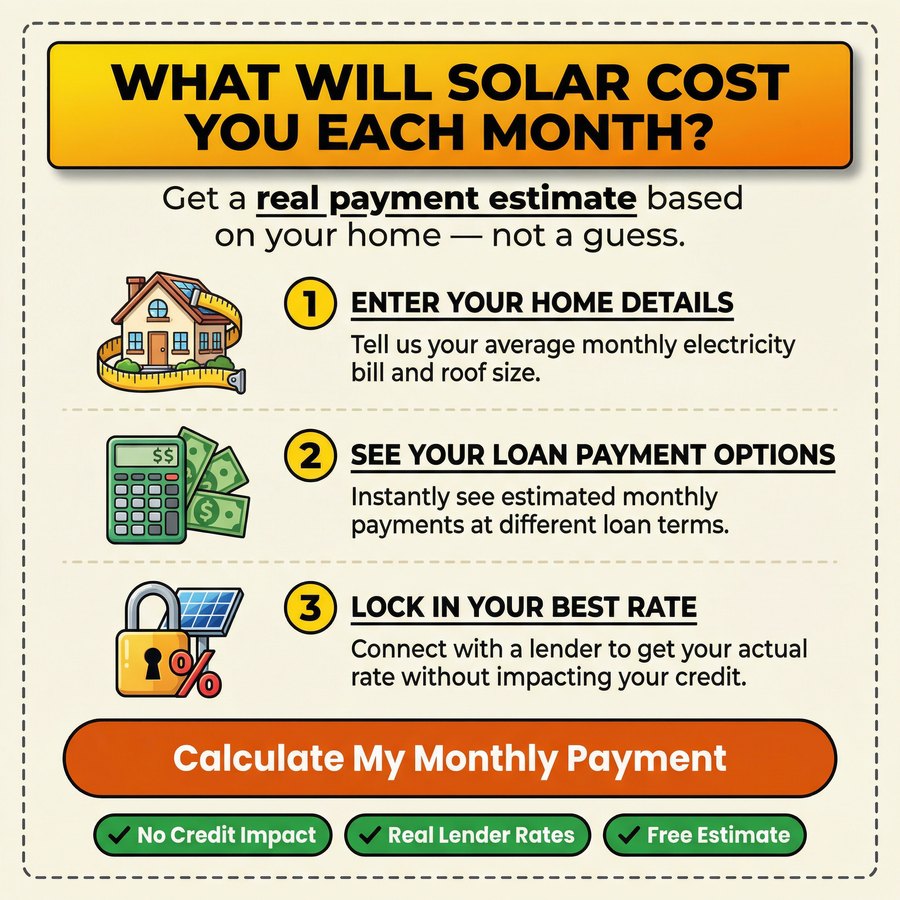
The answer is not completely straightforward because solar pricing depends on several factors. Your location, home size, electricity usage, roof condition, equipment quality, and installer pricing all influence the final number. Still, most homeowners can expect a general cost range.
For a standard residential solar setup, homeowners often spend anywhere from $10,000 to $35,000 before incentives. Smaller systems sit on the lower end, while larger homes with high energy usage usually require bigger and more expensive systems.
Here is a basic breakdown of average residential solar pricing:
|
System Size |
Suitable For |
Average Cost Before Incentives |
|
3 kW |
Small homes, low energy use |
$8,000 to $12,000 |
|
5 kW |
Average households |
$12,000 to $20,000 |
|
7 kW |
Medium to large homes |
$18,000 to $28,000 |
|
10 kW+ |
Large homes, heavy electricity use |
$25,000 to $40,000+ |
A homeowner’s actual price depends heavily on electricity consumption. A household running multiple air conditioners, gaming systems, appliances, and work-from-home equipment will usually need a larger system than a smaller home with lighter usage.
Solar panel costs are not just about the panels themselves either. Many people assume they are only paying for the physical panels, but a full installation includes several components:
- Solar panels
- Inverters
- Mounting hardware
- Electrical wiring
- Labor and installation
- Permits and inspections
- Monitoring systems
This is why pricing can feel higher than expected at first glance.
Another important thing to understand is cost per watt. Solar installers commonly price systems using dollars per watt. For example, if a system costs $3 per watt, a 6,000-watt system would cost around $18,000 before incentives.
Understanding these pricing basics helps homeowners make more realistic budgeting decisions before requesting quotes.
What Factors Affect Solar Panel Costs for Homeowners?
Two homeowners living on the same street can receive very different solar installation quotes. That surprises many people, but solar pricing is influenced by multiple variables.
Here are the biggest cost factors homeowners should understand.
Home Energy Consumption
Your electric bill plays a major role in determining system size.
If your household consumes more electricity, you typically need more solar panels.
Here is a simple comparison:
|
Monthly Electric Usage |
Typical System Size |
Estimated Cost Range |
|
Low Usage |
3 to 4 kW |
$8,000 to $15,000 |
|
Moderate Usage |
5 to 7 kW |
$15,000 to $28,000 |
|
High Usage |
8 to 12 kW |
$25,000 to $45,000 |
Homes with pools, electric vehicles, central air conditioning, or large families often fall into the higher category.
Solar Equipment Quality
Not all solar systems use identical hardware.
Premium brands often charge more because they offer:
- Higher efficiency ratings
- Longer warranties
- Better long-term performance
- Stronger weather resistance
Budget equipment costs less upfront but may deliver lower efficiency or shorter warranty protection.
Roof Type and Installation Complexity
Roof conditions matter more than many homeowners expect.
Simple roofs usually reduce labor costs. Complicated roofs increase installation difficulty.
Factors affecting pricing include:
- Roof angle
- Roof height
- Roofing material
- Structural condition
- Shade exposure
A roof that needs repairs before installation can significantly increase total project cost.
Geographic Location
Solar pricing varies by region.
Labor costs, permit fees, utility rules, and sunlight availability can all influence pricing.
Homeowners in sunny regions often see stronger long-term value because solar systems produce more electricity throughout the year.
Battery Storage Add-Ons
Many homeowners now consider battery storage for backup power.
Adding batteries increases project cost substantially.
Here is a simplified comparison:
|
System Type |
Estimated Cost |
|
Solar Panels Only |
$10,000 to $35,000 |
|
Solar + Battery Storage |
$20,000 to $55,000+ |
Battery systems offer benefits like:
- Backup power during outages
- Greater energy independence
- Better nighttime energy usage
- Reduced dependence on utility grids

However, batteries remain one of the biggest cost upgrades in residential solar.
Ways Homeowners Can Reduce Solar Panel Costs
The sticker price of solar installation can feel intimidating at first. The good news is homeowners rarely pay the full advertised cost without financial assistance or savings options.
Several strategies can lower solar expenses.
Tax Credits and Incentives
Government programs often reduce solar installation costs.
Depending on where you live, you may qualify for:
- Federal solar tax credits
- State incentives
- Utility rebates
- Net metering programs
- Property tax exemptions
These programs can significantly lower your effective system cost.
Here is an example:
|
Item |
Example Amount |
|
Initial Solar Cost |
$24,000 |
|
Incentives Applied |
$7,000 |
|
Final Effective Cost |
$17,000 |
Savings vary by location, but incentives often make solar much more affordable.
Solar Financing Options
Many homeowners do not pay cash upfront.
Several payment models exist:
- Cash purchase
- Solar loan
- Lease agreement
- Power purchase agreement
Each option comes with tradeoffs.
|
Financing Method |
Upfront Cost |
Ownership |
Long-Term Savings |
|
Cash Purchase |
High |
Yes |
Highest |
|
Solar Loan |
Moderate |
Yes |
Strong |
|
Lease |
Low |
No |
Limited |
|
Power Purchase Agreement |
Low |
No |
Moderate |
Cash buyers typically see the strongest long-term returns because they avoid interest payments.
Getting Multiple Installation Quotes
One of the smartest moves homeowners can make is collecting several bids.
Pricing differences between installers can be surprisingly large.
When comparing quotes, look beyond total price.
Compare:
- Equipment brands
- Warranty length
- Labor coverage
- Installation timeline
- Company reputation
- Production estimates
The cheapest quote is not always the best value.
Improving Energy Efficiency First
Some homeowners reduce solar costs by lowering electricity usage before installing panels.
Examples include:
- LED lighting upgrades
- Efficient appliances
- Smart thermostats
- Improved insulation
- Energy-efficient windows
Lower electricity consumption can mean needing fewer solar panels.
That can directly reduce installation cost.
Are Solar Panels Worth the Cost for Homeowners?
Cost matters, but value matters too.
Many homeowners ask a deeper question after seeing installation quotes. Will solar actually pay off?
For many households, the answer can be yes, especially when electricity prices continue rising.
Solar systems often provide savings through lower utility bills over time.
Here is a simplified example:
|
Scenario |
Estimated Value |
|
System Cost After Incentives |
$18,000 |
|
Annual Electric Savings |
$2,000 |
|
Approximate Payback Period |
9 Years |
|
Estimated System Lifespan |
25+ Years |
After the system pays for itself, ongoing electricity savings can continue for years.
Potential homeowner benefits include:
- Reduced electric bills
- Protection against utility rate increases
- Lower carbon footprint
- Increased home value
- Greater energy independence
That said, solar is not automatically the right fit for every property.
Solar may be less ideal for:
- Heavily shaded homes
- Roofs needing replacement soon
- Very low electricity users
- Short-term homeowners planning to move quickly
The best solar investment usually comes from matching system size to actual household needs.
From a homeowner’s perspective, solar panels are no longer just a technology upgrade. They are becoming part of long-term financial planning.
The upfront cost can be substantial, but incentives, financing options, and long-term savings often change the equation. A properly designed system can lower utility expenses, provide predictable energy costs, and create value that extends well beyond the installation date.
Before moving forward, the smartest approach is simple. Understand your energy usage, compare installer quotes carefully, review available incentives, and calculate long-term savings. Doing that gives you a much clearer picture of what solar panels might truly cost for your home and whether the investment makes financial sense for your situation.
Want an actual price instead of a national average?
Panel costs vary by roof, location, and system size. If you’re a homeowner with an electric bill over $150 a month and a roof with good sun exposure, a free quote request can get you real local pricing to compare.
Recent Posts
- Your Electricity Bill Jumped Because Nobody Told You Your Contract Ended
- Connecticut Solar Incentives: What Actually Applies to Your Roof
- Massachusetts solar incentives: what you can claim and what it is worth
- EnFin Solar Financing: How It Works, What It Costs, and Whether It’s Worth It
- GoodLeap Solar Loan: What It Costs, How It Works, and Whether It Is Worth It