Solar Loan From a Credit Union: Pros, Rates & Where to Apply

Get a Number Before You Apply at a Credit Union
Credit unions often want a system estimate before they’ll quote a rate. A local quote gives you that starting number to bring to your application.
Disclosure: we may earn a commission if you switch or request a quote through this link, at no extra cost to you. It never changes which plan or company we recommend. How we make money.
Thinking about putting solar panels on your roof? That’s great! It’s a big step towards saving money and helping the planet. But, like most home improvement projects, it costs money upfront. One option that many people overlook is getting a solar loan from a credit union. These member-owned places can sometimes offer better deals and a more personal touch than big banks. Let’s look into what a solar loan credit union might offer you.
Credit Human is one of the larger credit unions writing solar loans nationally. Our full review covers its rates, eligibility rules and the alternatives worth checking first.
Key Takeaways
- Credit unions are member-owned financial institutions that often focus on community benefit, which can translate to better loan terms for solar projects.
- When looking for a solar loan credit union, expect potentially lower interest rates compared to traditional banks, due to their community-focused mission.
- Applying for a solar loan at a credit union usually requires membership, specific documentation about your income and home, and a clear application process.
- While credit unions offer a personalized approach, compare their solar loan rates and terms against big banks, installer financing, and specialized solar lenders to find the best fit.
- Key factors for getting approved for a solar loan at a credit union include your credit score, debt-to-income ratio, and proof of homeownership.
Understanding Solar Loans From Credit Unions
The Community-Focused Alternative
When you’re looking into financing for solar panels, you might think of the big banks first. But there’s another option out there that’s gaining traction: credit unions. These aren’t your typical for-profit banks. Instead, they’re owned by their members, people like you and me. This member-owned structure often means they have a different approach to lending, with a stronger focus on helping their community thrive. They might be more willing to work with you on terms that make sense for your situation, especially for projects that benefit the local environment.
Member-Owned Benefits
Because credit unions are member-owned, their primary goal isn’t to maximize profits for shareholders. Instead, they aim to provide financial services that benefit their members. This can translate into several advantages when you’re seeking a solar loan. You might find that they offer more competitive interest rates compared to traditional banks, or perhaps more flexible repayment schedules. The personalized service is another big plus; you’re not just a number, but a member of the credit union family. They often have a vested interest in seeing their members succeed, which can lead to a more supportive loan application process.
Dedicated Green Loan Products
Many credit unions are stepping up to support renewable energy by offering specific “green” loan products. These aren’t just generic personal loans; they’re often tailored for energy-efficient home improvements, including solar panel installations. Some credit unions have even been pioneers in this space, developing loan structures that make it easier for homeowners to go solar. These specialized loans might come with unique benefits, such as slightly lower interest rates or terms designed to align with potential energy savings. It’s worth checking if your local credit union has such a product available, as it could be the perfect fit for your solar project.
Benefits of a Credit Union Solar Loan
When you’re looking into financing for solar panels, credit unions often pop up as a solid choice, and for good reason. They’re not like big banks focused solely on profit; credit unions are member-owned, which changes how they operate. This community-first approach can translate into some real advantages for you as a borrower looking to go solar.
Potentially Better Interest Rates
Because credit unions are member-owned and often have a mission to serve their local communities, they might offer lower interest rates on solar loans compared to larger financial institutions. Their goal isn’t just to make money, but to provide a service that benefits their members. This can mean a noticeable difference in the total cost of your solar system over the life of the loan.
Personalized Service and Flexibility
Dealing with a credit union often feels more personal. You’re not just a number; you’re a member. This can lead to more flexible loan terms and a willingness to work with you to find a solution that fits your specific financial situation. They might be more understanding if you have a slightly less-than-perfect credit history or unique circumstances, especially if you’re a long-time member.
Local Focus and Community Support
Credit unions are deeply rooted in the communities they serve. When you get a solar loan from a credit union, you’re not only investing in your home’s energy future but also supporting a local institution that likely reinvests in your community. Many credit unions also have specific “green” loan products designed to encourage environmentally friendly projects like solar installations, showing a commitment to sustainability that aligns with your own goals.
Navigating Credit Union Solar Loan Rates
When you’re looking into financing for your solar panel system, understanding the interest rates is a big part of the puzzle. Credit unions often present a compelling option, and their rates can be quite competitive. It’s not just about the lowest number you see; it’s about the whole picture of what you’ll pay over the life of the loan.
Competitive Fixed Rates
Many credit unions aim to offer fixed interest rates on their solar loans. This means your interest rate stays the same for the entire loan term, making your monthly payments predictable. While rates can fluctuate based on market conditions, credit unions often have a mandate to serve their members, which can translate into rates that are a bit more favorable than what you might find at a large commercial bank. You might see rates that are a percentage point or two lower, especially when compared to unsecured loans from bigger institutions.
Factors Influencing Your Rate
Several things will play a role in the specific interest rate a credit union offers you. Your credit score is a major one; a higher score generally means a lower rate. The credit union will also look at your debt-to-income ratio to see how much you owe compared to how much you earn. The type of loan you choose (secured by your home or unsecured) also impacts the rate. Sometimes, the loan term itself can affect the rate, with longer terms potentially having slightly different rates than shorter ones.
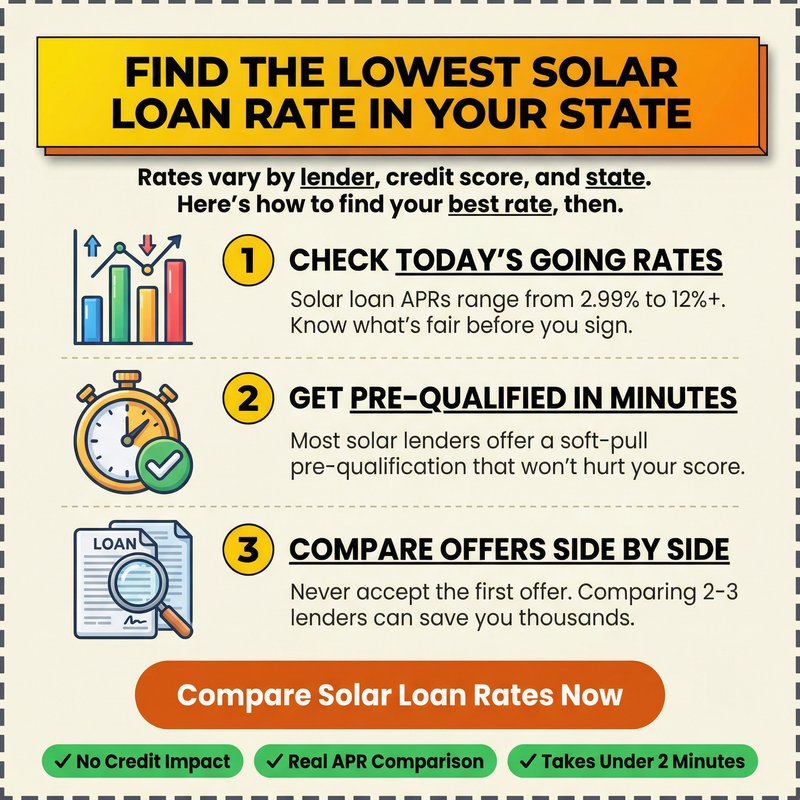
Understanding Total Cost of Financing
It’s easy to get fixated on just the interest rate, but that’s only part of the story. You need to look at the total cost of financing. This includes not just the interest you’ll pay over the years, but also any potential fees. Some lenders might offer a seemingly low interest rate but charge higher upfront fees, like origination fees or dealer fees, which can significantly increase the overall cost. Always ask for a full breakdown of all costs associated with the loan. A loan with a slightly higher interest rate but no or low fees might end up being cheaper in the long run.
Here’s a look at how loan terms can affect payments and total interest paid (rates are examples):
| Term | Interest Rate | Initial Monthly Payment | Lifetime Interest Paid |
|---|---|---|---|
| 8-year | 6% | $183 | $3,662 |
| 12-year | 5% | $129 | $4,645 |
| 15-year | 8% | $133 | $10,082 |
| 20-year | 9% | $125 | $16,230 |
Remember, a shorter loan term usually means higher monthly payments but less interest paid overall. A longer term means lower monthly payments but more interest paid over time. It’s a trade-off between immediate affordability and long-term savings.
Applying for a Solar Loan at a Credit Union
Membership Requirements
So, you’ve decided a credit union might be the way to go for your solar loan. That’s a smart move, often leading to better terms and a more personal touch. But before you can even apply, you’ll need to become a member. Credit unions are member-owned cooperatives, and that membership is key. Usually, this involves meeting certain criteria, which can be based on where you live, where you work, or even if you belong to a specific group or association. It’s not usually a difficult hurdle to clear, and once you’re in, you’re part of a community that’s invested in your financial well-being.
Required Documentation
Getting your paperwork in order is a big part of the application process. You’ll want to have a few things ready to make things go smoothly. Think of it like gathering ingredients before you start cooking, the more you have on hand, the easier the meal comes together.
- Proof of Identity: This is standard stuff, like a driver’s license or passport. They need to know it’s really you.
- Proof of Income: Pay stubs, tax returns, or bank statements showing regular income. This helps them see you can handle the loan payments.
- Proof of Residence: Utility bills or a lease agreement showing where you live.
- Details of the Solar Project: You’ll likely need the quote from your solar installer, including the total cost, equipment details, and estimated installation timeline. This shows them exactly what you’re financing.
- Information on Existing Debts: Details about other loans or credit card balances can help them assess your overall financial picture.
Ready to take the next step? credit union solar loan and see your personalized options.
The Application Process
Applying for a solar loan at a credit union is pretty straightforward, though it might feel a bit different than going to a big bank. They tend to be more hands-on.
- Initial Contact: Reach out to your credit union. You can often do this online, by phone, or by visiting a local branch. Let them know you’re interested in a solar loan or a green energy loan.
- Membership Application (if needed): If you’re not already a member, you’ll complete a membership application. This is usually quick and painless.
- Loan Application: You’ll fill out the loan application, providing all the documentation we just talked about. Be ready to discuss your solar project details.
- Underwriting: The credit union will review your application, credit history, income, and the details of your solar project. They’re assessing the risk and your ability to repay.
- Loan Approval and Offer: If approved, they’ll present you with a loan offer detailing the amount, interest rate, repayment term, and monthly payments. This is your chance to ask any lingering questions before you commit.
- Closing: Once you accept the offer, you’ll sign the final loan documents. The funds will then be disbursed, often directly to the solar installer, to get your project moving.
Credit unions often pride themselves on their member service. Don’t hesitate to ask questions throughout the process. They’re usually happy to explain things clearly, making sure you feel comfortable with your financing decision.
Comparing Credit Union Loans to Other Options
So, you’re looking into financing your solar panel system, and you’ve heard about credit unions. That’s great! But how do they stack up against other places you might get a loan? Let’s break it down.
Credit Unions vs. Big Banks
Think of big banks as the massive, national chains you see everywhere. They have a lot of resources, sure, but sometimes that means they’re less flexible. Credit unions, on the other hand, are usually smaller and member-owned. This often translates into a more personal touch and a focus on helping their members, which can include offering better rates or more understanding when it comes to loan terms.
- Personalized Service: Credit unions often have staff who get to know you and your financial situation better.
- Community Focus: They tend to prioritize local projects and community well-being, which can extend to green initiatives.
- Potentially Lower Rates: Because they’re not driven solely by profit like big banks, credit unions might offer more competitive fixed rates.
While big banks might offer a standard loan product, a credit union might be more willing to work with you on terms, especially if you’re a long-time member or if the loan is for a project that benefits the local environment.
Credit Unions vs. Installer Financing
Solar installers often have financing partners, and sometimes they advertise “0% interest.” Sounds amazing, right? But here’s the catch: that “0%” deal might come with a higher overall price for your solar system. The installer might build costs into the system price to cover the financing. With a credit union, you’re typically getting a loan based on the actual cash price of the system, and you can shop around for the best rate.
- Convenience: Installer financing bundles everything, which is easy.
- Hidden Costs: Be very careful about inflated system prices with installer financing.
- Transparency: Credit union loans are usually more straightforward about the total cost.
Credit Unions vs. Specialized Solar Lenders
There are companies out there that only do solar loans. They can be a good option, and some offer competitive rates. However, like big banks, they are often for-profit businesses. Credit unions, being member-owned, might offer a slightly different approach. It’s always worth comparing the total cost (including any fees) from both a credit union and a specialized lender to see which one truly saves you more money over the life of the loan.
- Specialization: These lenders know solar inside and out.
- Rate Shopping: You still need to compare their rates and fees carefully.
- Member Benefits: Credit unions might offer additional perks or better terms to their members.
Key Considerations for Solar Loan Approval
Getting the green light for a solar loan from a credit union, or any lender for that matter, usually comes down to a few main things. They want to see that you’re a good bet to pay the money back. It’s not just about wanting solar panels; it’s about showing you can handle the loan.
Credit Score Requirements
Your credit score is a big one. Think of it as a quick snapshot of how you’ve handled borrowed money in the past. Most credit unions will look for a FICO score of at least 650. If your score is in the 680-719 range, you’re likely to get a better interest rate. And if you’re sitting pretty with a score above 720, you’ll probably snag the best rates available. It’s worth checking your score before you even start applying.
Debt-to-Income Ratio
This looks at how much you owe each month compared to how much you earn. Lenders use this to figure out if you can manage new monthly payments. Generally, they like to see your total monthly debt payments (including the new solar loan, mortgage, car payments, etc.) be less than 50% of your gross monthly income. A lower debt-to-income ratio makes you look like a safer borrower.
Homeownership Verification
Since solar panels are typically installed on your home, and often the loan is secured by your home, lenders need to confirm you actually own the place. You’ll need to be listed on the property’s title. This is pretty standard for any loan tied to your house. They’ll want to see proof of ownership, which usually comes up during the mortgage process, but they’ll verify it again for the solar loan.
Lenders want to feel confident that you can repay the loan. They look at your credit history, your income versus your debts, and your ownership of the property where the solar system will be installed. It’s all about managing risk for them and making sure the loan makes sense for your financial situation.
Wrapping It Up
So, you’re thinking about going solar and need a loan. We’ve looked at how credit unions can be a solid choice, often giving you better rates and more personal service than big banks. Remember, they’re member-owned and tend to focus on community. While installer financing might seem easy, always check the fine print. The main takeaway here is that getting solar is a big step, and finding the right loan makes a huge difference in how much you save over time. Do your homework, compare your options, and you’ll be well on your way to a sun-powered home without breaking the bank.
Frequently Asked Questions
What exactly is a credit union, and how is it different from a regular bank?
Think of a credit union as a bank owned by its customers, called members. Instead of aiming to make big profits for shareholders, credit unions focus on helping their members. This often means they can offer better deals, like lower interest rates on loans, and provide more personal service. They’re usually community-focused, too.
Are credit union solar loans a good deal compared to other options?
Often, yes! Credit unions can provide lower interest rates than big banks because their main goal is to serve their members, not just make money. They might also be more flexible with loan terms and offer a more friendly, local experience. It’s definitely worth comparing their offers to those from big banks or solar companies.
What kind of interest rates can I expect from a credit union for a solar loan?
Interest rates can change, but credit unions often have competitive rates, sometimes a bit lower than what you might find at a large bank. The exact rate you get will depend on things like your credit score and the loan terms. It’s always best to get a specific quote to see their current rates.
Do I need to be a member of a credit union to get a solar loan from them?
Yes, you generally do need to become a member of the credit union to take out a loan. Becoming a member is usually quite simple and often just involves opening a basic savings account with a small deposit. Many credit unions serve specific communities or groups, so you might already be eligible.
What documents will I need to apply for a solar loan at a credit union?
You’ll likely need standard identification like a driver’s license, proof of income (like pay stubs or tax returns), information about your home (like property tax statements), and details about the solar installation, such as a quote from the installer. They’ll guide you through the exact list.
What happens if my credit score isn’t perfect?
While a good credit score helps you get the best rates, credit unions might still be able to help even if your score isn’t perfect. They often look at your overall financial picture. Sometimes, having a co-borrower with a stronger credit history can also help you get approved. It’s worth talking to them directly about your situation.
Credit unions are one of several local options. Compare with local banks, credit unions and online lenders compared and how to find local solar lenders.
Ready to Start Saving on Your Energy Bills?
Get a free, no-obligation quote from trusted local providers in under 2 minutes.
No obligation • Free estimates • Takes under 2 minutes
Want real quotes before you decide how to pay for it?
A loan only makes sense once you know what the system will actually cost. If your electric bill runs above $150 a month and your roof gets decent sun, a personalized quote gives you real numbers to put into any loan comparison. Quotes are available nationwide.
Recent Posts
- Pennsylvania electricity supplier complaints: How to document, file, and resolve a billing dispute
- What happens when my electricity contract ends in Pennsylvania? A practical guide
- Pennsylvania electricity early termination fees: what to check before canceling your contract
- Cost of electricity in Houston: what your rate and electric bill really include
- How to Compare Electricity Plans Without Picking the Wrong One