Solar Panel Loan Rates Compared: Typical APRs, Terms & Best Deals

Thinking about going solar? That’s great! It’s a big step, and figuring out how to pay for it can feel overwhelming. You’ve probably heard about solar panel loans, but what’s the deal with solar panel loan rates? It’s not always straightforward. There are different types of loans, varying interest rates, and a bunch of other things to consider. Let’s break down what you need to know to find the best option for your home.
Key Takeaways
- Typical solar panel loan rates can range from around 4% to 17% APR, but this varies based on your credit score, the loan term, and the lender.
- Loan terms for solar panels usually span 15 to 25 years, helping to match monthly payments with expected energy savings.
- Secured solar loans, backed by collateral like your home, often have lower rates than unsecured loans, but carry more risk.
- Consider federal and state tax incentives, home equity loans, or HELOCs as alternative financing options that might offer better rates.
- Shopping around, improving your credit score, and potentially using a co-signer can help you secure the best possible solar panel loan rates.
Typical Solar Loan APRs
When you’re looking into financing for solar panels, the Annual Percentage Rate, or APR, is a big number to pay attention to. It basically tells you the yearly cost of borrowing money, including interest and certain fees. For unsecured solar loans, you’ll often see APRs ranging from about 3% to 7%, though this can fluctuate.
It’s interesting how these rates are sometimes kept lower by adding in “dealer fees.” Think of it like this: the company offering the loan wants to make sure they get paid well, so they might boost a fee that’s rolled into the loan’s total cost. This way, they can advertise a seemingly lower interest rate, but the overall cost to you might be a bit higher than it first appears.

On the flip side, secured solar loans, often offered by credit unions, might not have those extra dealer fees. However, their APRs can sometimes be a bit higher, maybe in the 7% to 9% range. It really depends on the lender and whether they’re asking for collateral, like your home or the panels themselves, to back the loan.
Here’s a general idea of what some providers have offered, though remember these are just snapshots and rates change:
- Mosaic: Around 5.7% APR for a 20-year term.
- Sunlight Financial: About 5.2% APR, also typically for 20 years.
- GoodLeap: Often has lower rates, around 4% APR, with longer terms up to 25 years.
- Clean Energy Credit Union: Might see rates closer to 7% APR for 15-year loans.
It’s not just about the sticker price of the loan. You’ve got to look at the whole picture – the interest rate, any extra fees, and how long you’ll be paying it off. Sometimes a slightly higher APR with no hidden fees is better than a lower advertised rate that includes a bunch of extra charges.
So, while a low APR sounds great, it’s worth digging a little deeper to understand what’s really included in that number. Comparing offers from different places is key to finding the best deal for your solar setup.
Solar Loan Term Lengths
When you’re looking into financing for solar panels, one of the big things to figure out is how long you want to take to pay it off. This is called the loan term, and it can really change how your monthly payments look.
Most solar loans out there tend to fall somewhere between 15 and 20 years. It’s pretty common, and it gives you a decent amount of time to spread out the cost. But, you’re starting to see more options for longer terms, like 25 years, popping up. Some companies even offer loans that stretch out to 30 years, especially if they’re bundled with things like long-term warranties on the equipment and installation.
The sweet spot for a loan term is often when your monthly solar payment is close to what you were paying for electricity before you got the panels. This way, you’re not really spending extra money each month in the beginning. As electricity rates go up over time (which they usually do), your savings start to grow, and you end up paying less than you would have otherwise.
Here’s a quick look at typical term lengths:
- 15-year loans: These mean higher monthly payments but you’ll own your system outright sooner and pay less interest overall.
- 20-year loans: A popular middle ground, balancing monthly costs with the total interest paid.
- 25-year loans: Lower monthly payments, but you’ll pay more interest over the life of the loan. These are often paired with longer equipment warranties.
Choosing the right term length really depends on your personal finances and how long you plan to stay in your home. If you’re a long-term homeowner, a longer term might make sense for lower monthly bills. If you think you might move in 10-15 years, a shorter term could be better so you’re not transferring a big loan to a new buyer or paying it off before you sell.
Some loans might have a “balloon payment” feature, which is a bit different. With these, your initial monthly payments are lower, but you’re left with a big lump sum to pay off at the end of the loan term. It’s important to understand if your loan has this, as it can be a surprise if you’re not expecting it.
Best Solar Panel Loan Providers
Finding the right lender for your solar panel system can feel like a puzzle, but there are some solid options out there. Many solar installers work with specific financing partners, and some even offer their own in-house loans. It’s always a good idea to compare what’s available.
Some of the companies frequently mentioned by installers include Mosaic, Sunlight Financial, and GoodLeap. These providers often have established relationships within the solar industry, which can sometimes streamline the process. You might also find options through Dividend Finance or Energy Loan Network. For those who prefer working with member-owned institutions, credit unions like Clean Energy Credit Union can be a great choice, though their rates might differ.
Here’s a look at some providers and what they’ve offered:
- Mosaic: Often seen with 20-year terms.
- Sunlight Financial: Similar to Mosaic, frequently offering 20-year terms.
- GoodLeap: Known for longer terms, sometimes up to 25 years.
- Dividend Finance: Typically offers 20-year loan terms.
- Energy Loan Network: Might offer shorter terms, around 15 years.
- Clean Energy Credit Union: Rates can vary, but they often provide 15-year terms.
Beyond these, don’t forget to check out local credit unions in your state, like UMassFive or Puget Sound CCU, if they serve your area. State-specific programs, such as MichiganSaves, can also be a resource. Other financial institutions like Home Loan Investment Bank and Lightstream Financial might also have solar financing options worth exploring.
When you’re comparing loan providers, it’s not just about the interest rate. Look at the total cost over the life of the loan, including any fees. Also, consider how long you want to finance the system – a shorter term means higher monthly payments but less interest paid overall, while a longer term lowers your monthly payment but increases the total interest.
Always shop around and compare offers from multiple lenders before making a decision. Understanding the terms, fees, and your own financial goals will help you pick the best fit for your new solar energy system.
Secured Vs. Unsecured Solar Loans

Professional Guidance To Help You Navigate Your Solar Panel Loan And Maximize Savings.
When you’re looking into financing for solar panels, you’ll run into two main types of loans: secured and unsecured. It’s a pretty big difference, and it can affect how much you pay and what happens if things go sideways.
Secured solar loans are backed by collateral. Think of collateral as something the lender can take if you stop making payments. For solar loans, this is often your home’s equity or sometimes even the solar panel system itself. Because the lender has this safety net, they usually offer better terms, like lower interest rates and longer repayment periods. It’s generally a less risky option for you if you’re comfortable using your home as security.
On the flip side, unsecured solar loans don’t have any collateral. This means the lender is taking on more risk. To make up for that, they typically come with higher interest rates and sometimes shorter repayment windows. These loans are more like a standard personal loan, where the lender is just trusting your promise to pay.
Here’s a quick look at the main differences:
- Secured Loans:
- Require collateral (like home equity).
- Generally have lower interest rates.
- Lender can repossess collateral if you default.
- Unsecured Loans:
- No collateral required.
- Typically have higher interest rates.
- Default can still lead to legal action, but no specific asset is immediately seized.
Choosing between the two often comes down to your financial situation and how much risk you’re willing to take. If you have a good amount of home equity and a stable income, a secured loan might be the way to go for potentially saving money over time. If you don’t have equity or prefer not to tie your home to the loan, an unsecured option might be better, even with the higher rate.
If you can’t make your payments on a secured loan, the lender has the right to take the collateral. For a solar loan secured by your home, this could mean losing your house. If you sell your home before the loan is paid off, you’ll usually need to pay off the remaining balance or have the buyer agree to take over the loan, which isn’t always straightforward.
How Solar Loans Work
So, you’re thinking about getting solar panels but the upfront cost is making your head spin? That’s where solar loans come in. Basically, it’s a way to borrow money specifically to pay for your solar energy system. This means you can start using solar power without needing all the cash right away. It’s a pretty common way for folks to go solar these days.
When you get a solar loan, you’re essentially taking out a loan that’s tied to the solar installation. The lender pays the installer, and then you pay back the lender over time. The whole point is to make solar energy accessible without a massive initial payment.
Here’s a quick rundown of what you’ll usually encounter:
- Loan Amount: This is the total cost of your solar system, including installation. Some loans might cover 100% of it.
- Interest Rate (APR): This is the cost of borrowing the money. It can vary a lot between lenders, so shopping around is key.
- Loan Term: This is how long you have to pay the loan back, often ranging from 10 to 25 years.
- Monthly Payments: Based on the loan amount, interest rate, and term, you’ll have a set monthly payment. Some loans might offer zero-down options, which is nice.
It’s not quite like getting a car loan or a personal loan. Often, the solar company you’re working with will have financing partners, and they can present you with loan offers right there. This can make the process feel pretty streamlined.
Keep in mind that the advertised interest rate, or APR, might not tell the whole story. Sometimes there are extra fees rolled into the loan that can increase the overall cost. It’s always a good idea to ask for a full breakdown of all charges before you sign anything.
Think of it like this: you get the benefits of solar power now, and you pay for it gradually. It’s a way to invest in your home and potentially lower your energy bills over the long run. You can explore different solar loan providers to see what fits your budget best.
Dealer Fees Explained
Okay, so let’s talk about dealer fees. These are a bit of a sneaky part of some solar loan agreements, and you really need to pay attention to them. Basically, when a solar installer works with a lender to get you financing, the lender might charge the installer a fee. The installer then passes that cost right onto you, the homeowner, by adding it to your loan amount. This fee can significantly increase the total cost of your solar system.
These fees go by a few different names – sometimes they’re called “program fees,” “finance fees,” or even “buy downs.” The idea behind them is often to keep the advertised interest rate looking low, but that upfront fee inflates the actual amount you borrow. For example, if a solar system costs $30,000 in cash, but the loan includes a 25% dealer fee, you’d be financing $37,500 plus interest. The lender pockets that extra $7,500, and the installer gets their money upfront.
It’s super important to ask for a cash price quote alongside any financed quote. The difference between those two numbers is pretty much your dealer fee. Don’t be afraid to ask your installer exactly what that difference represents. Some companies are upfront about it, while others might try to gloss over it. Remember, these fees can add thousands to your bill, so understanding them is key to getting a good deal on your solar setup. It’s worth looking into how these fees impact your overall investment solar leases and loans.
Here’s a quick rundown of what to watch out for:
- Ask for the cash price: Always compare this to the financed price.
- Inquire about the fee percentage: Know how much extra you’re paying.
- Understand the lender’s role: Who is actually charging the fee and why?
- Check the APR carefully: Make sure it reflects the total cost, including fees.
Sometimes, the advertised interest rate on a solar loan doesn’t tell the whole story. Dealer fees are tacked onto the loan principal, meaning you borrow more than the system’s actual cost. This extra amount goes to the lender or installer, not towards your solar panels, and it increases the total interest you’ll pay over time.
Balloon Payments
So, let’s talk about balloon payments. It’s a bit of a tricky part of some solar loans that you really need to get your head around before signing anything. Basically, a balloon payment is a large, lump sum payment that’s due at the very end of your loan term. But with solar loans, it often comes up much sooner, usually around 12 to 18 months after you get the loan.
Here’s the deal: many solar loans are structured with the expectation that you’ll use the federal solar tax credit to pay off a big chunk of the loan. This tax credit is typically 30% of your system’s cost. The loan payment is calculated as if you’ll make this large payment, often called an “incentive payment,” within that first year and a half. If you don’t make that payment, your monthly payments can jump up significantly. It’s like the lender is saying, ‘Hey, you’re supposed to get this money back from the government, so use it to pay us back a big chunk, or your monthly bill is going to get a lot higher.’
This can be a real problem for a few reasons:
- Tax Credit Uncertainty: You’re not guaranteed to get the full tax credit amount, especially if your tax liability is lower than the credit’s value. The credit is non-refundable, meaning it can only reduce your tax bill to zero. Any leftover credit gets carried over, but you still owe the full balloon payment amount.
- Hidden Costs: Sometimes, these “expected” payments aren’t made super clear when you’re signing the loan documents, especially if you’re doing it all on a tablet. It’s easy to miss the fine print.
- Cash Flow Issues: Even if you get the tax credit, you might have already used that money for other things by the time the balloon payment is due. Then you’re stuck with a much higher monthly payment.
It’s really important to ask your lender exactly how the loan is structured around the federal tax credit. Find out if a balloon payment is required, what happens if you can’t make it, and how your monthly payments will change. Don’t just assume everything will work out perfectly with the tax credit; have a backup plan.
For example, one person might have had their monthly payment jump from $180 to $250 because they couldn’t make a $9,000 balloon payment, which would end up costing them thousands more over the life of the loan. It’s a big deal, so make sure you understand the terms of your solar loan agreement before you commit.
Federal Solar Tax Incentives
Thinking about going solar? The federal government offers a pretty sweet deal to help make it happen: the Residential Clean Energy Credit. This tax credit lets you deduct a percentage of your solar system’s cost right off your federal taxes. It’s a big reason why so many people are looking into solar power these days.
The Inflation Reduction Act of 2022 really boosted this incentive, extending it through 2034. For most of that period, from 2022 to 2032, you can claim 30% of your installation costs. After that, it steps down a bit to 26% in 2033 and 22% in 2034.
Here’s a quick rundown of how it generally works:
- Eligibility: You need to own your home and install the solar panels on it. Renters usually can’t claim this credit.
- Claiming the Credit: You claim it when you file your federal income taxes for the year the system is installed.
- Non-Refundable: This is important – the credit can reduce your tax bill to zero, but you won’t get any of it back as a refund if it’s more than what you owe in taxes.
- Timing: If you install panels in January, you won’t see the benefit until you file your taxes the following year.
It’s really common for solar companies to talk up this tax credit, sometimes making it sound like an instant discount. But remember, it’s a tax credit, not cash back. You need to have enough tax liability to actually use the credit. Plus, the amount you get depends on your specific tax situation, which the installer might not know.
While the tax credit is a fantastic incentive, it’s not the only federal support out there. The Inflation Reduction Act also set aside billions for a Greenhouse Gas Reduction Fund, which could lead to more financing options for solar projects down the line, though the specifics are still being worked out by grant recipients.
State Solar Incentives
Beyond federal programs, many states offer their own incentives to make going solar even more affordable. These can really add up and make a big difference in the overall cost of your system. Think of them as extra bonuses for choosing clean energy.
These state-level programs come in various forms, and what’s available can depend heavily on where you live. Some states focus on direct rebates, while others offer tax credits or performance-based incentives.
Here are some common types of state solar incentives:
- Rebates: Direct cash back from the state or a utility company after you install your system. These can be a fixed amount or based on the system’s size.
- Tax Credits: Similar to the federal Investment Tax Credit, but at the state level. These reduce your state income tax liability.
- Performance-Based Incentives (PBIs): You get paid for the actual electricity your solar panels produce over a set period. This often comes in the form of Solar Renewable Energy Certificates (SRECs), which you can sell to utilities.
- Sales Tax Exemptions: You don’t have to pay state sales tax on the purchase of solar equipment.
- Property Tax Exemptions: The added value of your solar system doesn’t increase your property taxes.
It’s a good idea to check with your state’s energy office or a reputable solar installer to find out exactly what incentives are available in your area. They can help you understand the specifics and how to apply.
The landscape of state incentives is always changing. What’s offered today might be different next year, so it’s wise to research current programs before making a decision. Some states have specific requirements, like needing to use certified installers or specific types of equipment, so always read the fine print.
Home Equity Loans
If you’ve got some equity built up in your home, a home equity loan is definitely something to look into for financing solar panels. Think of it like borrowing against the value of your house. Because the loan is secured by your home, the interest rates are usually pretty good, often lower than what you’d find with a personal solar loan. Lenders typically let you borrow up to a certain percentage of your home’s equity, usually around 85%.
This means you could potentially finance a significant portion, if not all, of your solar panel system.
Here’s a quick rundown of how it generally works:
- Assess Your Equity: Figure out how much equity you have in your home. This is the difference between your home’s current market value and what you still owe on your mortgage.
- Shop Around: Compare offers from different lenders. Look at the interest rates, fees, and repayment terms.
- Application & Approval: You’ll go through a loan application process, which usually involves a home appraisal.
- Funding: Once approved, you’ll receive the loan amount as a lump sum, which you can then use to pay for your solar installation.
It’s important to remember that since your home is collateral, defaulting on a home equity loan could lead to foreclosure. So, make sure you’re comfortable with the repayment schedule. Some homeowners find that a Green Improvement Loan might be a good alternative if home equity isn’t an option or if they prefer a different structure.
While a home equity loan can be a smart way to finance solar, it’s not without its risks. You’re essentially putting your home on the line, so it’s vital to have a solid plan for repayment and to fully understand all the terms before you sign anything.
Home Equity Lines Of Credit
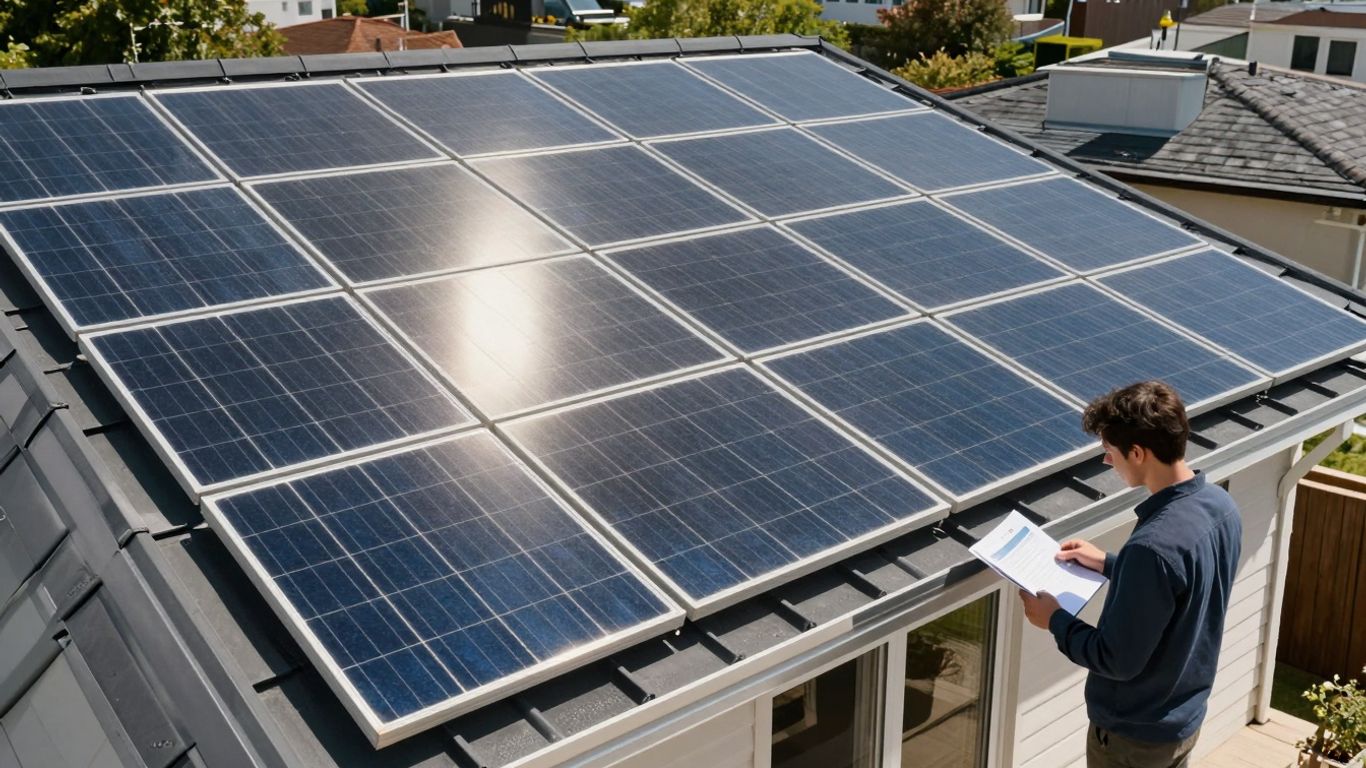
Consulting With Experts To Find The Best Solar Panel Loan Terms For Your Home Energy Project.
A Home Equity Line of Credit, or HELOC, is another way you might be able to finance your solar panel system. Think of it like a credit card, but backed by the equity you’ve built up in your home. Instead of getting a big lump sum all at once like with a traditional home equity loan, a HELOC gives you a revolving credit line. You can draw from it as needed, up to a certain limit, and you only pay interest on the amount you actually use. This flexibility can be really handy if your solar project has unexpected costs or if you plan to do other home improvements alongside the solar installation.
The interest rates on HELOCs are typically variable, meaning they can go up or down over time. This is a key difference from fixed-rate loans and something to keep in mind when budgeting. While they often come with lower rates than unsecured personal loans, they do require you to have a good amount of equity in your home and usually involve a more involved application process. You’ll also want to check for any associated fees, like appraisal or closing costs, though some lenders might waive these.
Here’s a quick look at how HELOCs compare for solar financing:
- Flexibility: Draw funds as needed, paying interest only on what you use.
- Potential for Lower Rates: Often more competitive than unsecured loans, though variable.
- Home Improvement Potential: Can cover solar and other upgrades.
- Requires Home Equity: You need to have built up sufficient equity.
- Variable Rates: Interest costs can change over the life of the loan.
Getting a HELOC can sometimes be a bit more complex than other loan types. Lenders will look closely at your credit history, your income, and the amount of equity you have. It’s also worth noting that if you have solar panels on a lease agreement, some lenders might be hesitant to approve a mortgage or HELOC, as they typically require the lease to be fully paid off or transferable before approving a mortgage.
HELOCs offer a flexible borrowing option for solar installations, allowing homeowners to access funds as needed from a line of credit secured by their home’s equity. While potentially offering lower rates than unsecured loans, borrowers should be aware of the variable interest rates and the requirement for significant home equity.
Solar Panel Lease Agreements
Thinking about going solar but not sure if buying panels is the right move for your wallet? A solar panel lease agreement might be worth a look. Basically, instead of purchasing the solar equipment outright, you’re essentially renting it from a company for a set period. This means you get to enjoy the benefits of solar power, like lower electricity bills, without the big upfront cost of buying the panels.
These agreements typically run for a good chunk of time, often 15 to 20 years. When you sign up, there’s usually no down payment required, which is a big plus for many homeowners. The monthly payments can be pretty straightforward, sometimes staying the same for the entire lease term. However, it’s not uncommon for these payments to go up a little each year according to a plan laid out in the contract. This is something to really pay attention to when you’re comparing different lease offers.
Here’s a quick rundown of what to expect:
- Ownership: The leasing company owns the solar panels, not you.
- Maintenance: Usually, the leasing company handles repairs and upkeep.
- End of Term: When the lease is up, the company typically removes the panels.
- Home Sale: Selling your home with a lease can sometimes be tricky, often requiring the new buyer to take over the lease or the lease to be bought out.
One of the main attractions of a solar lease is the potential for immediate savings on your electricity costs. With a fixed monthly payment, you can reduce your overall electricity bills saving money on electricity expenses.
It’s important to remember that while leases offer a way to get solar without owning the equipment, they also mean you won’t be eligible for certain incentives like the federal solar tax credit, which is typically for system owners. Plus, getting out of a lease early can sometimes come with significant fees, so make sure you’re comfortable with the long-term commitment before signing on the dotted line.
Power Purchase Agreements
A Power Purchase Agreement, or PPA, is a contract where you agree to buy electricity from a solar developer for a set period. Think of it like this: instead of buying the solar panels outright, you’re essentially paying for the energy they produce. The solar company installs and maintains the system on your roof, and you pay them for the electricity generated at a pre-agreed rate.
This setup means you don’t have to worry about the upfront cost of panels or any maintenance down the line. You benefit from solar power without the ownership hassle.
Here’s a quick rundown of how they typically work:
- Contract Length: PPAs usually last a long time, often between 10 to 25 years. This gives you a stable electricity price for the duration.
- Pricing: The rate you pay per kilowatt-hour (kWh) is set in the contract. Some PPAs have a fixed rate, while others might include small annual increases, often called “escalators,” to account for inflation or system degradation.
- Ownership: The solar company owns the panels throughout the contract. At the end of the term, they usually remove the system, though some agreements might offer an option to buy the panels.
- Maintenance: The PPA provider is responsible for maintaining the system, so you don’t have to.
It’s a popular way for homeowners to go solar, especially if they want to avoid the large initial investment of buying panels. You still get to take advantage of solar energy and potentially lower electricity bills, while the solar company handles the technical side. It’s a way to get solar energy without ownership.
With a PPA, you’re essentially entering into a long-term agreement to purchase the electricity generated by a solar system installed on your property. The terms are laid out clearly, including the price per unit of electricity and how long the agreement will last. This provides predictability for your energy costs over many years.
Improving Your Credit Score
Getting a solar panel loan often means you’ll need a decent credit score. Lenders look at this number to figure out how risky it is to lend you money. A higher score generally means better loan terms, like lower interest rates. If your credit score isn’t where you’d like it to be, don’t worry, there are steps you can take to improve it before you apply.
Here are a few ways to boost your credit score:
- Pay Bills On Time: This is the biggest factor. Even a few late payments can really hurt your score. Set up reminders or automatic payments if you tend to forget.
- Reduce Debt: Try to pay down balances on credit cards and other loans. Keeping your credit utilization low (the amount of credit you’re using compared to your total available credit) is a good move.
- Check Your Credit Report: Mistakes happen. You can get free copies of your credit report from the three major bureaus (Equifax, Experian, and TransUnion) and dispute any errors you find.
- Avoid Opening Too Many New Accounts: While it might be tempting to open new credit lines, doing so too often can lower your average account age and result in hard inquiries, which can temporarily dip your score.
Some lenders are more flexible than others. For instance, Upgrade has a minimum credit score requirement of 580, and LendingPoint is known for working with borrowers who have less-than-perfect credit. However, even with these lenders, a better score usually gets you a better deal.
Understanding your credit score is like understanding your financial report card. The better the grade, the more opportunities you’ll likely have, especially when it comes to borrowing money for big purchases like solar panels. It’s worth the effort to get it in good shape.
Using A Co-Signer
Sometimes, getting approved for a solar loan can be tricky, especially if your credit history isn’t as strong as you’d like. That’s where a co-signer comes in. Think of a co-signer as a financial backup. They agree to be legally responsible for the loan if you can’t make the payments. This can significantly increase your chances of getting approved and potentially snagging better loan terms.
Having someone co-sign means the lender looks at both your financial picture and the co-signer’s. If your co-signer has a good credit score and a stable income, it reassures the lender that the loan will be repaid. This can lead to lower interest rates and more favorable repayment periods than you might get on your own.
Here’s a quick rundown of why a co-signer might be a good idea:
- Easier Approval: Lenders see less risk when there’s a co-signer.
- Better Rates: A strong co-signer can help you qualify for lower APRs.
- Higher Loan Amounts: You might be able to borrow more money.
It’s important to remember that co-signing is a big commitment for the other person. They’re putting their own credit on the line. Make sure you discuss this openly and honestly with anyone you ask to co-sign for you. It’s a partnership, after all.
Choosing a co-signer is a serious decision. It’s not just about getting the loan; it’s about maintaining a good relationship with the person who is vouching for you financially. Ensure they fully understand the responsibilities involved and that you are committed to making all payments on time to protect both your credit and their financial standing.
Loan Application Process
Getting a solar panel loan involves a few steps, and it’s good to know what to expect. It’s not usually a super complicated process, but you’ll need to gather some information.
First off, you’ll need to fill out an application. This is where you’ll give the lender details about yourself, like your income, how much debt you have, and your credit history. They’ll also want to know about the solar system you’re planning to install. Some lenders might have you do this online, while others might prefer you do it in person.
After you submit everything, the lender takes a look. They’ll review all the info you provided. Sometimes, they might need more details, so they could reach out to you for extra documents or clarification. If everything checks out, they’ll send you a loan offer. This offer will lay out all the terms and conditions, like the interest rate, how long you have to pay it back, and any fees involved. It’s really important to read this carefully before you sign anything.
Here’s a general rundown of what happens:
- Application Submission: You provide personal, financial, and solar project details.
- Lender Review: The lender assesses your application and creditworthiness.
- Information Verification: You might be asked for additional documents.
- Loan Offer: If approved, you receive a detailed offer outlining terms.
- Acceptance & Closing: You review and sign the loan agreement.
Keep in mind that the specific steps can vary a bit from one lender to another. Some might have a quicker online process, while others might take a bit longer. It’s always a good idea to ask the lender about their particular timeline and what documents they’ll need upfront.
Ready to take the next step? best solar panel APR and see your personalized options.
Loan Offer Review
So, you’ve gone through the whole process, applied for a solar loan, and now you’ve got an offer (or maybe a few!). It’s super important to actually look at what they’re offering before you just sign on the dotted line. This isn’t like picking out a new phone; this is a big financial commitment, and there can be some tricky stuff hidden in the details.
Don’t just skim it – read every single word of that loan offer. Seriously. It might seem boring, but it’s where all the important numbers and rules are laid out.
Here’s what you should be looking for:
- Annual Percentage Rate (APR): This is the real cost of borrowing money, including interest and certain fees. It’s usually higher than the advertised interest rate.
- Loan Term: How long do you have to pay it back? Longer terms mean lower monthly payments, but you’ll pay more interest over time.
- Total Cost: Calculate the total amount you’ll pay back over the life of the loan. This is your principal plus all the interest.
- Fees: Look out for origination fees, late fees, prepayment penalties, or any other charges. Some lenders might try to sneak these in.
- Monthly Payment: Does this fit comfortably into your budget? Remember, this is on top of your regular bills.
Sometimes, loan offers can be a bit confusing. Lenders might use different terms or present information in a way that makes it hard to compare apples to apples. It’s okay to ask for clarification if something doesn’t make sense. A good lender will be happy to explain things clearly.
If you’re comparing multiple offers, a simple table can really help you see the differences side-by-side. You can jot down the APR, term length, total estimated interest, and any upfront fees for each offer. This makes it way easier to spot the best deal for your situation.
Solar Battery Financing
Thinking about adding a solar battery to your home energy system? You’re not alone. Many homeowners are looking into battery storage to keep the lights on during outages and to maximize their solar investment. The good news is that financing for solar batteries is often bundled with your solar panel loan. This means you can typically finance both your panels and your battery under a single loan agreement.
When you’re getting quotes for solar, be sure to ask specifically about including a battery in the financing. Some lenders and installers make this straightforward, while others might treat it as a separate add-on. It’s always a good idea to compare offers to see who provides the best terms for a combined solar and battery system.
Here’s what to consider when financing a solar battery:
- Loan Type: Most often, a solar battery will be financed as part of your overall solar panel loan. This could be a secured or unsecured loan, depending on the lender and your financial situation.
- Loan Amount: Ensure the loan amount covers the full cost of the battery, including installation. Batteries can add a significant amount to the total project cost.
- Interest Rates: The interest rate on your loan will affect the total cost of the battery over time. A lower APR means you’ll pay less in interest.
- Term Length: Longer loan terms can mean lower monthly payments, but you’ll likely pay more interest overall. Shorter terms mean higher monthly payments but less interest paid over the life of the loan.
It’s important to understand that while many solar loans allow for battery financing, not all do. Always confirm with your lender or installer that the battery is included in the financed amount and that there are no hidden fees or separate interest rates applied to the battery portion of the system.
For example, some banks offer solar loans with various term options, and these can often accommodate battery additions. You might find interest rates that vary based on the loan term you select, and some lenders even offer discounts for setting up auto-pay. When looking at options, you might see terms like 10.5-year, 20.5-year, and 30.5-year loans, each with its own associated interest rate and APR. It’s worth exploring different solar loan providers to find the best fit for your budget and needs, especially when adding a battery to the equation.
FHA Solar And Wind Technologies Program
The Federal Housing Administration (FHA) offers a program that can help homeowners finance solar and wind energy systems. It’s called the Solar and Wind Technologies program. Basically, it lets you add the full cost of installing solar panels or wind turbines right into your main FHA-insured mortgage when you buy a home. This means you don’t need a separate loan just for the solar setup.
This program is a neat way to bundle the cost of renewable energy into your home purchase. It can make going solar more accessible because the financing is part of your primary home loan. Think of it as rolling the cost of your solar investment into your mortgage payment. It’s a way to make those upfront costs feel a bit more manageable.
Here’s a quick rundown of how it generally works:
- Eligibility: The program is tied to FHA-insured mortgages. If you’re already getting an FHA loan to buy a home, you can explore adding the solar or wind technology costs.
- Financing: The cost of the solar or wind system is added to the total mortgage amount.
- Benefit: You get to finance renewable energy upgrades with potentially favorable mortgage terms, rather than seeking a separate, possibly higher-interest loan.
It’s worth looking into if you’re already planning to buy a home with an FHA loan and are interested in solar or wind power. This can be a good option for homeowners looking to integrate renewable energy from the start, potentially reducing long-term energy costs. It’s a way to make your home more energy-efficient from day one, and it’s backed by the FHA, which can offer some peace of mind. For those considering a new home purchase and renewable energy, this program is definitely worth exploring as part of your home purchase financing.
FHA Energy Efficient Mortgage Program
So, you’re thinking about making your home more energy-efficient, maybe with some solar panels? The FHA has a program that might help, called the Energy Efficient Mortgage (EEM) program. It’s basically a way to roll the costs of energy-saving upgrades right into your mortgage, whether you’re buying a new place or refinancing the one you’ve got.
This program isn’t just for solar, either. It can cover a bunch of different improvements that make your home use less energy. Think better insulation, new windows, efficient heating and cooling systems, and yes, solar panels. The idea is to make these upgrades more affordable by spreading the cost over the life of your mortgage.
Here’s a quick rundown of how it generally works:
- Get an energy assessment: You’ll likely need a professional to check out your home and figure out which upgrades would make the biggest difference and how much they’ll cost.
- Find a lender: Not all lenders offer FHA loans, and even fewer might be super familiar with the EEM. You’ll need to find one that does.
- Incorporate costs into your mortgage: The cost of the approved energy-efficient improvements gets added to your mortgage amount. This could be a new purchase mortgage or a refinance.
- Enjoy lower energy bills: The goal is that the money you save on energy each month will help offset the slightly higher mortgage payment.
It’s important to know that the FHA guarantees the mortgage, but the actual loan is provided by a private lender. They’ll have their own specific requirements and processes, so it’s always a good idea to talk to a few lenders to see what fits best for you. The FHA EEM can be a smart way to finance home improvements that save you money and make your home more comfortable.
While the FHA EEM program is designed to help homeowners, it’s still a mortgage. This means you’ll be taking on more debt, and you’ll need to qualify based on your creditworthiness and income. Make sure you understand the total cost, including interest over the life of the loan, and compare it to other financing options before you commit.
FHA PowerSaver Program
The FHA PowerSaver Program is a specific loan option designed to help homeowners finance energy-efficient upgrades, including solar panel installations. Think of it as a second mortgage, but solely for making your home more energy-efficient. It’s backed by the Federal Housing Administration, which can make it a more accessible option for some.
This program allows for loan amounts up to $25,000, and you can take up to 20 years to pay it back. The interest rates typically fall between 5% and 10%. The FHA guarantees a significant portion, up to 90%, of the loan, which can give lenders more confidence to offer competitive terms.
Here’s a quick rundown of what the FHA PowerSaver Program offers:
- Loan Purpose: Specifically for energy-efficient home improvements.
- Loan Size: Up to $25,000.
- Repayment Term: Up to 20 years.
- Interest Rates: Generally between 5% and 10%.
- FHA Guarantee: Up to 90% of the loan amount.
While this program is a great avenue for financing solar, it’s important to compare its terms with other available loan options to ensure it’s the best fit for your financial situation. Always read the fine print before committing to any loan agreement.
UMassFive Credit Union
UMassFive Credit Union is a financial institution that offers various loan products, and they can be a good option for those looking to finance solar panel installations. They focus on serving members and often have competitive rates and terms, especially for renewable energy projects.
When considering UMassFive for a solar loan, here’s what you might expect:
- Loan Amounts: They typically offer a range of loan amounts to suit different project sizes, though specific limits would need to be confirmed directly with them.
- Interest Rates (APRs): While exact rates fluctuate based on market conditions and your financial profile, credit unions like UMassFive often provide lower APRs compared to traditional banks. It’s always best to get a personalized quote.
- Loan Terms: UMassFive usually provides flexible repayment periods, allowing you to choose a term that fits your budget.
- Membership Requirements: As a credit union, you’ll generally need to become a member to access their loan products. This usually involves meeting certain eligibility criteria, such as living in a specific area or being affiliated with certain organizations.
It’s worth noting that credit unions often prioritize member benefits and community support, which can translate into more favorable loan conditions for solar projects. They might also have specific programs or partnerships aimed at promoting green energy initiatives.
Applying for a loan with UMassFive would likely involve a standard process:
- Check Eligibility: Confirm you meet their membership and loan requirements.
- Gather Documentation: Prepare necessary financial documents like proof of income and identification.
- Submit Application: Complete their loan application, either online or in person.
- Review Offer: Once approved, carefully review the loan terms, APR, and repayment schedule before accepting.
UMassFive Credit Union can be a solid choice for financing your solar panel system, especially if you value personalized service and potentially better rates than larger financial institutions.
Puget Sound CCU
Puget Sound Community Credit Union (CCU) is a financial institution that sometimes offers loans or financing options that could be used for solar panel installations. While they might not have a specific “solar loan” product advertised like some larger banks or specialized lenders, credit unions like Puget Sound CCU can be a good place to check for personal loans or home equity options that could fund your solar project.
When considering Puget Sound CCU, here are a few things to keep in mind:
- Loan Types: You’ll likely be looking at unsecured personal loans or potentially home equity loans if you own your home and have built up equity. Unsecured loans generally have higher interest rates but don’t require collateral. Home equity loans use your home as collateral, which can mean lower rates but also carries more risk.
- APR and Terms: The Annual Percentage Rate (APR) and loan terms will vary based on your creditworthiness, the loan type, and current market conditions. It’s always a good idea to compare their rates with other lenders.
- Membership Requirements: As a credit union, Puget Sound CCU typically requires you to be a member to access their financial products. Membership is often based on where you live, work, or belong to certain groups.
It’s worth investigating if Puget Sound CCU has any partnerships or special programs that might benefit solar installations, even if they aren’t explicitly branded as such. Sometimes credit unions work with local installers or offer specific incentives for energy-efficient upgrades.
To get the most accurate information, it’s best to contact Puget Sound CCU directly or visit their website. You’ll want to ask about:
- Current interest rates for personal loans and home equity loans.
- The typical loan amounts they offer.
- The repayment periods available.
- Any fees associated with their loans, such as origination fees or prepayment penalties.
- Their membership eligibility requirements.
MichiganSaves Program
Michigan homeowners looking to finance energy-efficient upgrades, including solar panels, have a great option through the Michigan Saves Home Energy Financing program. This initiative is designed to make going solar more accessible by offering competitive loan terms.
The program allows for loan amounts up to $50,000, with interest rates typically ranging from 4.44% to 7.90% and repayment terms extending up to 15 years. This structure can significantly reduce the upfront cost barrier that often prevents people from adopting solar energy.
Here’s a quick look at what the Michigan Saves program offers:
- Loan Amounts: Up to $50,000 for eligible energy efficiency projects.
- Interest Rates: Competitive rates, generally between 4.44% and 7.90%.
- Repayment Terms: Flexible terms, with options up to 15 years.
- Property-Assessed: Loans are often tied to the property, not just the individual, which can be beneficial.
This program is a fantastic way to invest in your home’s energy future and potentially lower your utility bills for years to come. It’s worth exploring if you’re a Michigan resident considering solar. You can find more details and updates on Michigan Saves programs.
It’s important to remember that while programs like Michigan Saves aim to simplify solar financing, it’s always a good idea to compare offers and understand all the terms before committing. Doing your homework can lead to the best possible deal for your specific situation.
Home Loan Investment Bank
Home Loan Investment Bank, while not exclusively a solar lender, can be a player in financing your solar panel project, especially if you’re looking for options that might be tied to your home. They offer a range of mortgage and refinancing products that could potentially be adapted for solar installations.
Their approach often involves leveraging your home’s equity to fund improvements like solar panels. This means they look at your home as collateral, which can sometimes lead to more favorable interest rates compared to unsecured loans, assuming you have sufficient equity built up.
Here’s a general idea of how you might work with a lender like Home Loan Investment Bank for solar:
- Home Equity Loan: This is a lump-sum loan where you borrow a fixed amount against your home’s equity. You’d then use this money to pay for your solar system upfront. Repayments are typically made over a set period, often with a fixed interest rate.
- Home Equity Line of Credit (HELOC): Think of this like a credit card secured by your home. You get a credit limit and can draw funds as needed during a specific period. This can be useful if your solar project has phased costs or if you want flexibility.
- Refinancing: If you have an existing mortgage, you might be able to refinance it to include the cost of solar panels. This could potentially lower your overall mortgage payment if you secure a better interest rate.
It’s important to remember that Home Loan Investment Bank’s primary focus isn’t solely solar. You’ll need to discuss your solar project needs directly with them to see if their loan products align with your goals and if they have specific programs or partnerships that facilitate solar financing. Their rates and terms will depend heavily on your creditworthiness, home equity, and the overall market conditions. For general solar loan rates, you might find options like those from Atmos solar loans that are specifically designed for solar projects, which could offer a different set of benefits.
Wrapping It Up
So, getting solar panels is a pretty big deal, and figuring out the loan part can feel like a puzzle. We’ve looked at a bunch of different loan options, from those with lower rates but maybe a dealer fee, to others that might have slightly higher rates but no extra charges. Remember, the best rate for you really depends on your credit score, how long you want to pay the loan back, and what kind of loan you end up choosing. Don’t forget to check out any tax breaks or local programs that could help bring the cost down. Shopping around and comparing offers is key to finding a deal that makes sense for your wallet and your home. It’s all about finding that sweet spot where the monthly payment feels manageable and the savings from your new solar setup start to add up.
Frequently Asked Questions
What’s the average interest rate for a solar panel loan?
Interest rates for solar loans usually fall between 4% and 17%. However, the exact rate you get depends on things like your credit score, how long you plan to pay back the loan, and the size of the solar system you’re installing.
How long do I have to pay back a solar loan?
Most solar loans are set up to be paid back over 15 to 20 years. Some companies now offer longer terms, like 25 years, which can make your monthly payments smaller. The best length for you depends on the cost of the system and how much you expect to save on electricity bills.
Is it worth getting a loan for solar panels?
Whether a solar loan makes sense depends on a few things. Think about the total cost of the panels, how much you’ll save on electricity each year, and how long you plan to stay in your home. If you plan to stay long enough to pay off the system and save money, it’s likely a good idea.
Can I get a lower interest rate on a solar loan?
Yes, you can often get a better interest rate by shopping around and comparing offers from different lenders. Also, improving your credit score before applying or having someone with good credit co-sign the loan can help lower your rate.
Are solar loans secured or unsecured?
Many solar-specific loans are unsecured, meaning they aren’t backed by your home or the panels themselves. However, some lenders, like credit unions, might offer secured loans, which often have lower interest rates but put your home at risk if you can’t pay.
Can I use a solar loan to buy a battery too?
Typically, yes, you can include the cost of a solar battery in your solar loan. It’s always a good idea to check the specific terms and conditions of the loan to make sure batteries are covered.
Ready to Start Saving on Your Energy Bills?
Get a free, no-obligation quote from trusted local providers in under 2 minutes.
No obligation • Free estimates • Takes under 2 minutes
Recent Comments
Recent Posts
- Essential Factors to Consider Before Hiring an Energy Broker: Power to Choose is Choose My Power
- How to Choose a Power Company and a Broker: Power to Choos is Choose My Power
- How Does Choosing the Right Energy Broker Can Help You Save Money
- Commercial Solar Financing: Best Options for Businesses (Loans, PPAs, Leases)
- Solar Financing Near Me: How to Find Local Lenders & the Best Deals