Solar Loan Rates: What to Expect + Tips to Get the Lowest APR

Thinking about putting solar panels on your roof? That’s great! It’s a big step towards saving money and helping the environment. But how do you pay for it? A solar loan is a popular way to go. However, not all loans are created equal, and the interest rate you get can make a big difference over time. We’re going to break down what you can expect with solar loan rates and how to snag the best deal possible.
Key Takeaways
- Typical solar loan interest rates can range widely, but aiming for something below 6% is generally a good goal.
- Your credit score is a major factor; a higher score usually means a lower APR, making it easier to get approved and save money.
- Secured loans (like those using home equity) and larger down payments often lead to better solar loan rates because they reduce lender risk.
- Always look at the Annual Percentage Rate (APR), which includes fees, not just the interest rate, to understand the true cost of the loan.
- Shopping around with multiple lenders and considering a co-signer can significantly help you secure lower solar loan rates.
Understanding Solar Loan Rates
So, you’re thinking about going solar, which is awesome! But before you get those panels on your roof, you’ve gotta figure out how you’re going to pay for them. That’s where solar loans come in, and understanding the interest rates is a big part of the puzzle. It’s not just about the sticker price of the panels; it’s about the total cost over time, and that’s heavily influenced by your loan’s Annual Percentage Rate, or APR.
What Are Typical Solar Loan Interest Rates?
When you’re looking at solar loans, you’ll see a range of interest rates. Generally, these rates are pretty competitive, especially when you compare them to other ways of borrowing money, like personal loans or credit cards. For unsecured solar loans, you might see rates anywhere from around 3% to 6% APR. It’s not uncommon to find rates below 6%, and honestly, that’s a good target to aim for. Some lenders might even go a bit higher, up to 17% or more, but those are usually less ideal.

It’s interesting how some companies keep their advertised APRs low. They often do this by adding something called a “dealer fee.” This fee is basically baked into the loan, allowing the lender to make their profit while still showing you a lower monthly payment. It’s a bit of a balancing act.
On the flip side, secured solar loans, which use something like your home as collateral, might have slightly different rate structures. Some credit unions, for instance, might not have that dealer fee but could have APRs that are a bit higher, maybe in the 7% to 8% range. It really depends on the lender and the type of loan.
Factors Influencing Your Solar Loan APR
Why do some people get a 4% APR and others get a 9% APR for the same solar system? A few things play a big role:
- Your Credit Score: This is probably the biggest one. Lenders see your credit score as a measure of how likely you are to pay back the loan. A higher score usually means a lower interest rate. If your score is below 650, you might be looking at rates above the average.
- Loan Type (Secured vs. Unsecured): As we touched on, secured loans, where you put up collateral, often come with lower rates because they’re less risky for the lender. Unsecured loans don’t have collateral, so they might carry a slightly higher rate.
- Down Payment Amount: Putting more money down upfront shows the lender you’re serious and reduces the amount you need to borrow. This can often lead to a better interest rate.
- Loan Term Length: Longer loan terms (like 20 or 25 years) can sometimes have lower interest rates, but you’ll end up paying more interest overall. Shorter terms might have higher rates but less total interest paid.
- Dealer Fees: Some loans have these “hidden” fees that can affect the overall cost, even if the advertised APR looks good.
The Impact of Inflation on Solar Loan Rates
Inflation is a bit of a tricky beast when it comes to loans. When inflation is high, the cost of everything goes up, including the cost for lenders to borrow money themselves. To keep up, they often raise interest rates on new loans. So, if inflation is on the rise, you might find that solar loan rates are also creeping up. It’s one of those things that can make getting a loan now seem more appealing than waiting.
It’s always a good idea to check current rates because they can change pretty quickly, especially with economic shifts like inflation. What looks like a good deal today might be different next month. Keep an eye on the news and lender websites to stay informed about where rates are heading.
Understanding these basics will help you when you start comparing different solar loan offers. Don’t just look at the monthly payment; dig into that APR and consider all the factors that went into it.
Key Factors Affecting Your Solar Loan APR
So, you’re looking into getting solar panels and need a loan. That’s great! But before you sign on the dotted line, it’s super important to understand what makes your Annual Percentage Rate (APR) tick. It’s not just about the interest rate you see advertised; a bunch of things can nudge that number up or down, and knowing them can save you a good chunk of change.
Credit Score Requirements for Solar Loans
Your credit score is probably the biggest player here. Lenders use it to figure out how risky it might be to lend you money. Think of it like a report card for how you handle debt. A higher score generally means you’re a safer bet, and lenders are more willing to offer you a lower APR. If your score is on the lower side, say in the 600s, working on improving it before you apply can make a huge difference. Paying down credit card balances and making sure you never miss a payment are solid ways to boost that score.
Secured Versus Unsecured Solar Loans
This is a big one. A secured loan usually means you’re using an asset, like your home’s equity, as collateral. Because the lender has something to fall back on if you can’t pay, they often offer lower interest rates. An unsecured loan, on the other hand, doesn’t have collateral. It’s based purely on your creditworthiness. While easier to get sometimes, unsecured loans typically come with higher APRs to compensate for the increased risk to the lender.
The Role of Down Payments in Loan Rates
Just like with a car or a house, putting more money down upfront can really help with your solar loan. A larger down payment shows the lender you’re serious and committed to the investment. It also means you’re borrowing less money, which naturally reduces the lender’s risk. Because of this, you’ll often find that a bigger down payment can lead to a lower APR. It’s a win-win: you borrow less, and you might get a better rate.
When you’re comparing loan offers, don’t just look at the advertised interest rate. Always ask for the APR, which includes fees and other costs. This gives you a much clearer picture of the true cost of borrowing.
Strategies for Securing Lower Solar Loan Rates
Improve Your Credit Score Before Applying
Think of your credit score as your financial report card. Lenders use it to figure out how likely you are to pay back a loan. A higher score generally means a lower interest rate. If your score isn’t where you’d like it, focus on improving it before you even start looking for loans. Paying down credit card balances and making sure all your payments are on time can make a big difference. It might take a little effort, but a better score can save you a good chunk of money over the life of your solar loan.
Shop Around for Multiple Loan Quotes
Don’t just take the first offer you get. Different lenders have different ideas about risk, and that means their interest rates can vary quite a bit. It’s a good idea to get quotes from at least two or three different lenders. This way, you can compare not just the interest rates but also the fees and terms to find the best overall deal for your situation. It’s like comparing prices for anything else – you want to make sure you’re getting the most bang for your buck.
Consider a Co-signer for Your Loan
If your credit score is a bit low or you just want to try and snag an even better rate, bringing in a co-signer could be a smart move. A co-signer is someone who agrees to be responsible for the loan if you can’t make the payments. If they have a strong credit history and a good score, it can make the lender feel more comfortable and potentially offer you a lower interest rate. Just make sure your co-signer understands the commitment they’re making.
When comparing loan offers, don’t just look at the interest rate. Sometimes, a loan with a slightly higher interest rate but no or low fees can end up costing you less overall than a loan with a super low rate but hefty origination or dealer fees. Always ask for the total cost of the loan, including all fees, over the entire term.
Here’s a quick look at factors that can influence your rate:
- Credit Score: Higher scores usually mean lower rates.
- Loan Type: Secured loans (backed by collateral) often have lower rates than unsecured loans.
- Down Payment: A larger down payment can signal commitment and potentially lower your rate.
- Loan Term: Shorter terms might have higher monthly payments but less interest paid overall. Longer terms mean lower monthly payments but more interest over time.
Navigating Solar Loan Terms and Fees
Okay, so you’ve found a solar loan that looks pretty good. But before you sign on the dotted line, we really need to talk about the fine print. It’s not just about the interest rate; there are other costs and details that can really change how much you end up paying.
Understanding Dealer Fees and Origination Costs
Think of dealer fees, sometimes called origination fees or initiation fees, as a charge from the lender for setting up your loan. It’s like a processing fee, but it can sometimes be a pretty big chunk of the total loan amount, maybe even up to 30%. This fee isn’t standard across the board, so it varies a lot from one lender to another. It’s super important to ask about this upfront. If this fee is too high, it might make more sense to look into other loan types, like a home equity loan or a personal loan that doesn’t have these extra charges.
Fixed vs. Variable Interest Rates for Solar
When you’re looking at interest rates, you’ll usually see two main types: fixed and variable. A fixed rate means your interest rate stays the same for the entire life of the loan. This is generally the safer bet because your monthly payment won’t change, making budgeting easier. A variable rate, on the other hand, can go up or down depending on market conditions. If rates go up, your monthly payment will too, which can be a nasty surprise. For most people, a fixed-rate loan is the way to go to keep things predictable.
Ready to take the next step? lowest solar APR and see your personalized options.
Choosing Between Long and Short Loan Terms
Solar loans typically range from 10 to 20 years, but you might see options for longer or shorter periods. Here’s the breakdown:
- Longer Loan Terms (e.g., 20-25 years):
- Lower monthly payments.
- You’ll pay more interest over the life of the loan.
- Can help match your monthly solar savings to your energy bill.
- Shorter Loan Terms (e.g., 10-15 years):
- Higher monthly payments.
- You’ll pay less interest overall.
- You’ll own your system outright sooner.
The best term for you really depends on your budget and how quickly you want to see maximum savings. Some people prefer lower monthly payments to start saving right away, while others want to pay off the loan faster to save more money in the long run. It’s also good to know that most solar loans don’t penalize you for paying them off early, which is a nice bonus if you get some extra cash from tax credits or other sources.
It’s also worth asking if your loan covers battery storage. Some loans are just for the panels and installation, and you might need a separate loan for a battery.
Maximizing Savings with Solar Financing
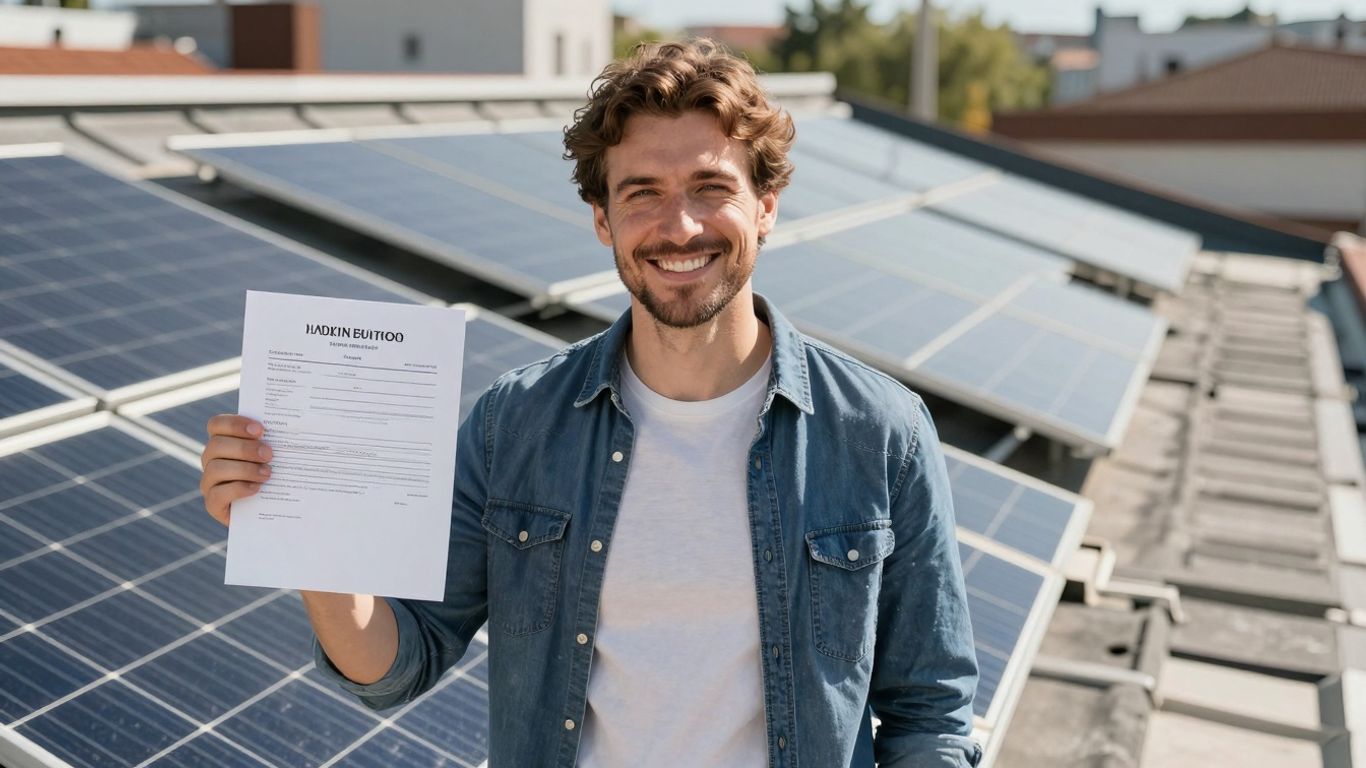
Calculate Your Monthly Solar Repayments Based On The Current 2026 Prime Lending Rate Of 10.25%.
So, you’re thinking about going solar, which is awesome! But how do you pay for it without breaking the bank? That’s where smart financing comes in. It’s not just about getting the panels on your roof; it’s about making sure the whole deal makes financial sense for you in the long run. The goal is to lower your electricity bills significantly while keeping your overall costs as low as possible.
The Importance of the Annual Percentage Rate (APR)
When you’re looking at solar loans, the interest rate is a big deal, but the Annual Percentage Rate, or APR, tells an even bigger story. Think of APR as the total yearly cost of borrowing money. It includes not just the interest rate but also any fees the lender charges, like origination fees. A loan with a seemingly low interest rate might actually cost you more if it has high fees, making its APR higher. Always compare the APRs when you’re getting quotes from different lenders. It’s the most honest way to see which loan is truly cheaper.
Here’s a quick breakdown of what APR covers:
- Interest Rate: The basic cost of borrowing.
- Origination Fees: Fees charged by the lender to process your loan.
- Other Lender Fees: Any other charges associated with getting the loan.
Understanding the APR is key because it gives you a clearer picture of the total cost of your solar loan. Don’t just focus on the advertised interest rate; dig into the APR to make sure you’re getting the best deal possible.
Leveraging Tax Deductions for Solar Loan Interest
Good news! The interest you pay on a solar loan might be tax-deductible. This can be a nice little bonus that helps offset the cost of your system. The federal solar tax credit, for instance, lets you deduct a percentage of your solar installation costs from your federal taxes. While this credit directly reduces your tax bill, some homeowners might also be able to deduct the interest paid on their solar loan, depending on specific tax laws and your individual financial situation. It’s always a good idea to chat with a tax professional to see if you qualify for these deductions. They can help you figure out how to claim them properly and maximize your savings.
Comparing Total Loan Costs Beyond Interest Rates
It’s easy to get caught up in just the monthly payment or the interest rate, but you need to look at the whole picture. What’s the total amount you’ll pay back over the life of the loan? This includes the principal amount, all the interest, and any fees. Sometimes, a loan with a slightly higher interest rate but no fees might end up being cheaper overall than a loan with a lower interest rate that charges a hefty origination fee. You should also consider the loan term. A longer term means lower monthly payments, but you’ll likely pay more interest over time. A shorter term means higher monthly payments, but you’ll pay less interest overall. It’s a trade-off, and what’s best depends on your budget and how quickly you want to be debt-free.
Here’s a simple way to think about it:
- Loan Term: How long you have to repay the loan.
- Total Interest Paid: The sum of all interest charges over the loan’s life.
- Total Fees: All other costs associated with the loan.
By adding these up, you get the true cost of your solar financing. This helps you make a more informed decision about which loan is the best fit for your financial goals.
Where to Find Solar Loans
Interest Rates Remain Competitive With Concessions Of Up To 0.20% For Green Energy Bondholders.
So, you’ve decided to go solar, which is awesome! Now comes the part where you figure out how to pay for it. Luckily, there are more ways to finance a solar setup than ever before. You don’t have to have a pile of cash just sitting around to make the switch.
Popular Solar Loan Providers
When you start looking around, you’ll see a few names pop up a lot. Companies like Mosaic, Sunlight Financial, and GoodLeap are pretty common. They often work with solar installers, so your installer might bring them up. These guys usually have a range of loan amounts and can be a good starting point. It’s smart to check out at least one or two of these big players in addition to any options your installer suggests.
Exploring Options with Your Bank or Credit Union
Don’t forget about the place where you already do your banking. Your local credit union or a big bank like Wells Fargo might have specific solar loan products. Sometimes, financing through your existing bank can get you a better deal, maybe a lower interest rate or more flexible terms, just because you’re already a customer. It’s worth asking them what they can do.
Here’s a quick look at some places you might find solar loans:
- Specialized Solar Lenders: Companies focused solely on solar financing (like Mosaic, Sunlight Financial, Good-Leap).
- Your Local Bank or Credit Union: They might have personal loans or specific energy-efficient home improvement loans.
- National Banks: Some larger banks offer solar-specific loan programs.
- Installer Partnerships: Your solar installer will likely have preferred lenders they work with.
When you’re comparing loan offers, don’t just look at the interest rate. Some lenders might have a low rate but charge a bunch of fees that end up making the loan more expensive overall. Always ask for the total cost of the loan, including all fees, to get the real picture.
Wrapping It Up
So, getting a solar loan might seem a bit complicated with all the rates and fees to think about. But honestly, it’s totally doable. Remember to check your credit score first, and don’t just go with the first offer you get. Shopping around is key, and sometimes putting down a bit more upfront can really help lower those interest rates. Also, keep an eye out for those dealer fees – they can sneak up on you! By doing a little homework and comparing your options, you can find a solar loan that fits your budget and helps you start saving money on your energy bills sooner rather than later. It’s a big step, but a smart one for your wallet and the planet.
Frequently Asked Questions
What’s a typical interest rate for a solar loan?
Interest rates for solar loans can swing quite a bit, usually landing anywhere between roughly 4% and 17%. The sweet spot, and what most people aim for, is generally below 6%. Getting a lower rate means you’ll pay less money over time and can pay off your system faster.
Can I get a solar loan with a lower credit score?
Yes, it’s often possible to get a solar loan even if your credit score isn’t perfect. While scores above 650 give you the most options and best rates, many lenders work with scores in the 550-650 range. If your score is below 550, you might need to offer a larger down payment or consider a secured loan.
What’s the difference between APR and interest rate?
The interest rate is just one part of how much a loan costs. The Annual Percentage Rate (APR) is a bigger picture number because it includes the interest rate PLUS any fees associated with the loan, like origination or dealer fees. APR gives you a more honest look at the total cost of borrowing.
Are there fees I should watch out for with solar loans?
Definitely! Some solar loans have ‘dealer fees’ that can be as high as 30% of the loan cost. These fees can sometimes cancel out the benefit of a low interest rate. Always ask about these fees upfront and compare the financed price to the cash price of the solar system.
Is the interest I pay on a solar loan tax deductible?
Good news! The interest you pay on a solar loan is generally tax deductible, similar to interest on other home improvements. This can help lower your overall tax bill, adding another layer of savings to your solar investment.
Should I choose a long or short loan term for my solar panels?
It depends on your budget! Shorter terms mean higher monthly payments but less total interest paid over time, saving you more in the long run. Longer terms mean lower monthly payments, which can make it easier to ‘break even’ sooner if your monthly savings from solar match your loan payment.
Ready to Start Saving on Your Energy Bills?
Get a free, no-obligation quote from trusted local providers in under 2 minutes.
No obligation • Free estimates • Takes under 2 minutes
Recent Comments
Recent Posts
- Essential Factors to Consider Before Hiring an Energy Broker: Power to Choose is Choose My Power
- How to Choose a Power Company and a Broker: Power to Choos is Choose My Power
- How Does Choosing the Right Energy Broker Can Help You Save Money
- Commercial Solar Financing: Best Options for Businesses (Loans, PPAs, Leases)
- Solar Financing Near Me: How to Find Local Lenders & the Best Deals