New Mexico Solar Tax Credit: Incentives, Eligibility & How to Claim

Thinking about getting solar panels in New Mexico? That’s great! The Land of Enchantment has some pretty sweet deals to help you out. You can actually save a good chunk of money thanks to different tax credits and exemptions. It’s not just about saving the planet; it’s about saving your wallet too. Let’s break down how you can take advantage of the New Mexico solar tax credit and other benefits.
Key Takeaways
- New Mexico offers a state solar tax credit, the New Solar Market Development Tax Credit (NSMDTC), which can reduce your tax payment by up to 10% of the system cost, capped at $6,000.
- You can also benefit from the federal Residential Clean Energy Credit, which covers 30% of your solar system’s cost.
- New Mexico provides a sales tax exemption on solar equipment, meaning you don’t pay state sales tax on those purchases.
- Your property taxes won’t go up just because you installed solar panels; the added value from the system is excluded from property tax assessments.
- To claim the New Mexico solar tax credit, you’ll need to purchase and install a system, get it inspected and certified, and then apply through the Energy, Minerals and Natural Resources Department before filing with the Taxation and Revenue Department.
Understanding The New Mexico Solar Tax Credit
The New Solar Market Development Tax Credit
New Mexico offers a pretty sweet deal for folks looking to go solar with its New Solar Market Development Tax Credit (NSMDTC). This credit is designed to help lower your state income tax bill when you install a solar thermal or solar photovoltaic system. It can cover up to 10% of the cost of buying and installing your system, but there’s a cap of $6,000 per taxpayer each year. So, if you’re thinking about putting solar panels on your house, business, or even your farm, this is definitely something to look into.
To qualify for this credit, you need to be a taxpayer in New Mexico, not claimed as a dependent by someone else, and the solar system must have been installed on property you own. The clock starts ticking on March 1, 2020, which is when this particular credit went into effect. It’s a great way for the state to encourage cleaner energy use.

Eligibility For The State Solar Tax Credit
So, who gets to take advantage of this New Mexico solar tax credit? Pretty much anyone who buys and installs a solar system on their property in the state. This includes homeowners, businesses, and even agricultural operations. The main things to remember are:
- You must be a New Mexico taxpayer and not someone else’s dependent.
- The solar system (either thermal or photovoltaic) needs to be installed on property you own.
- The installation date must be on or after March 1, 2020.
It’s important to note that the year you can claim the credit is the year your system passes its final inspection by the local building code authority. This usually happens after the system is fully installed and operational.
Claiming The New Mexico Solar Tax Credit
Claiming the New Mexico solar tax credit involves a few steps, and it’s mostly handled electronically these days. Your solar installer will likely play a big role in getting the ball rolling.
- Purchase and Install: First things first, you need to buy and install your solar energy system.
- Get Your Paperwork: Your contractor will provide you with the necessary documents, which usually include invoices for equipment and labor, and details about the system.
- Apply for Eligibility: You, or more commonly your installer, will submit an application to the New Mexico Energy, Minerals and Natural Resources Department (EMNRD). This is where they check if your system meets the requirements.
- Receive Your Certificate: If your application is approved, EMNRD will send you a Certificate of Eligibility. This is the golden ticket!
- File Your Taxes: Finally, you’ll use this certificate when you file your New Mexico state income taxes with the Taxation and Revenue Department to claim your credit.
Applications are processed on a first-come, first-served basis, so it’s a good idea to get your paperwork in order promptly after installation. You’ll typically get a notice that your application has been received, and then the certificate usually arrives via email within a few weeks.
Keep in mind that not all costs associated with going solar are eligible for the tax credit. Things like your own unpaid labor, costs for unrelated property improvements, research, or financing fees won’t count towards the credit amount. It’s all about the direct costs of the solar system itself.
Leveraging Federal Solar Incentives
The Residential Clean Energy Credit
When you’re looking at the big picture of making your home solar-powered, don’t forget about what the federal government offers. The main federal incentive for homeowners is called the Residential Clean Energy Credit. Think of it as a thank you from Uncle Sam for going green. This credit lets you deduct a significant portion of your solar system’s cost directly from your federal taxes. It’s designed to encourage more people to adopt clean energy, which is a win-win for everyone.
Federal Tax Credit Limits And Future Changes
The good news is that for the most part, there isn’t a cap on how much you can claim with the Residential Clean Energy Credit. The percentage you can claim has been pretty steady, but it’s good to know about potential changes. For installations happening now through 2032, you can claim 30% of your system’s cost. After that, the percentage is scheduled to decrease.
Here’s a quick look at the planned changes:
- 2024-2032: 30% of the system cost
- 2033: 26% of the system cost
- 2034: 22% of the system cost
It’s always a smart move to install your system sooner rather than later to get the most benefit.
How The Federal Solar Tax Credit Works
Claiming the federal solar tax credit is pretty straightforward, but it does involve a specific tax form. You’ll need to fill out IRS Form 5695, which is specifically for residential energy credits. This form will help you calculate the exact amount you can deduct. Once you’ve completed it, you’ll attach it to your annual federal income tax return, typically Form 1040. Your tax preparer will be familiar with this process, but it’s good to be aware of the steps involved. It’s not a rebate that you get back in cash right away; it’s a reduction in the amount of tax you owe for the year.
Remember, this federal credit applies to the costs associated with your solar energy system, including the panels, inverters, and installation labor. Make sure you keep all your receipts and documentation from your installer.
Additional New Mexico Solar Benefits
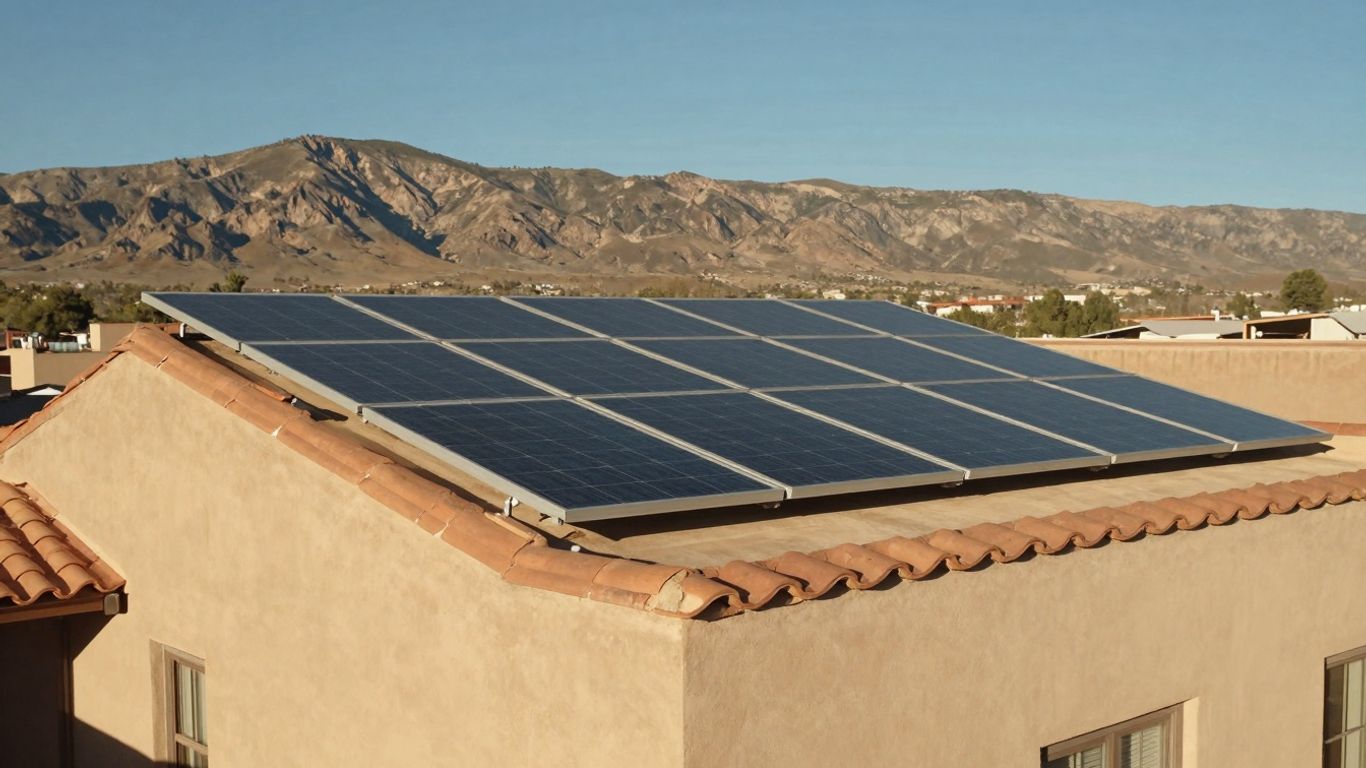
Access Your 10% State Incentive With The New Mexico Solar Tax Credit Program.
New Mexico Sales Tax Exemption For Solar
When you’re looking at the total cost of going solar, every little bit saved adds up. One of the nice perks in New Mexico is that you don’t have to pay state sales tax on solar equipment. This means you can save a good chunk of money right off the bat, as the state’s sales tax rate is 5%. So, if you’re buying a system that costs, say, $20,000, that’s an extra $1,000 you get to keep in your pocket. It’s a straightforward way the state encourages people to adopt solar energy.
Property Tax Exemption For Solar Installations
This one’s a big deal for homeowners. Usually, when you make improvements to your home, like adding a solar panel system, your property taxes might go up because your home’s value increases. However, New Mexico has a law that says the added value from a solar installation doesn’t count towards your property taxes. So, even though your home is now worth more thanks to your solar panels, you won’t see a jump in your property tax bill because of it. This exemption helps ensure that the investment you make in solar doesn’t lead to higher ongoing homeownership costs.
Sustainable Building Tax Credit Overview
Beyond the direct solar tax credits, New Mexico also offers a tax credit for building sustainably. If your home meets certain green building standards, and solar is a big part of that, you might be eligible for this credit. The amount can vary based on the size of your property and how it’s certified. It’s a way to reward homeowners who are committed to making their entire home as energy-efficient and environmentally friendly as possible. To qualify, your home typically needs to be certified by a recognized green building organization.
- Certification Process: Your home needs to be certified by a group like the U.S. Green Building Council.
- Credit Amount: The credit can be as much as $6.50 per square foot of your property.
- Eligibility: This credit is for homes built or significantly renovated with sustainable practices, including solar energy systems.
It’s worth looking into how your solar installation fits into the broader picture of sustainable building practices in New Mexico. Sometimes, combining different incentives can lead to even greater savings over time.
Key Steps To Claim Your New Mexico Solar Tax Credit
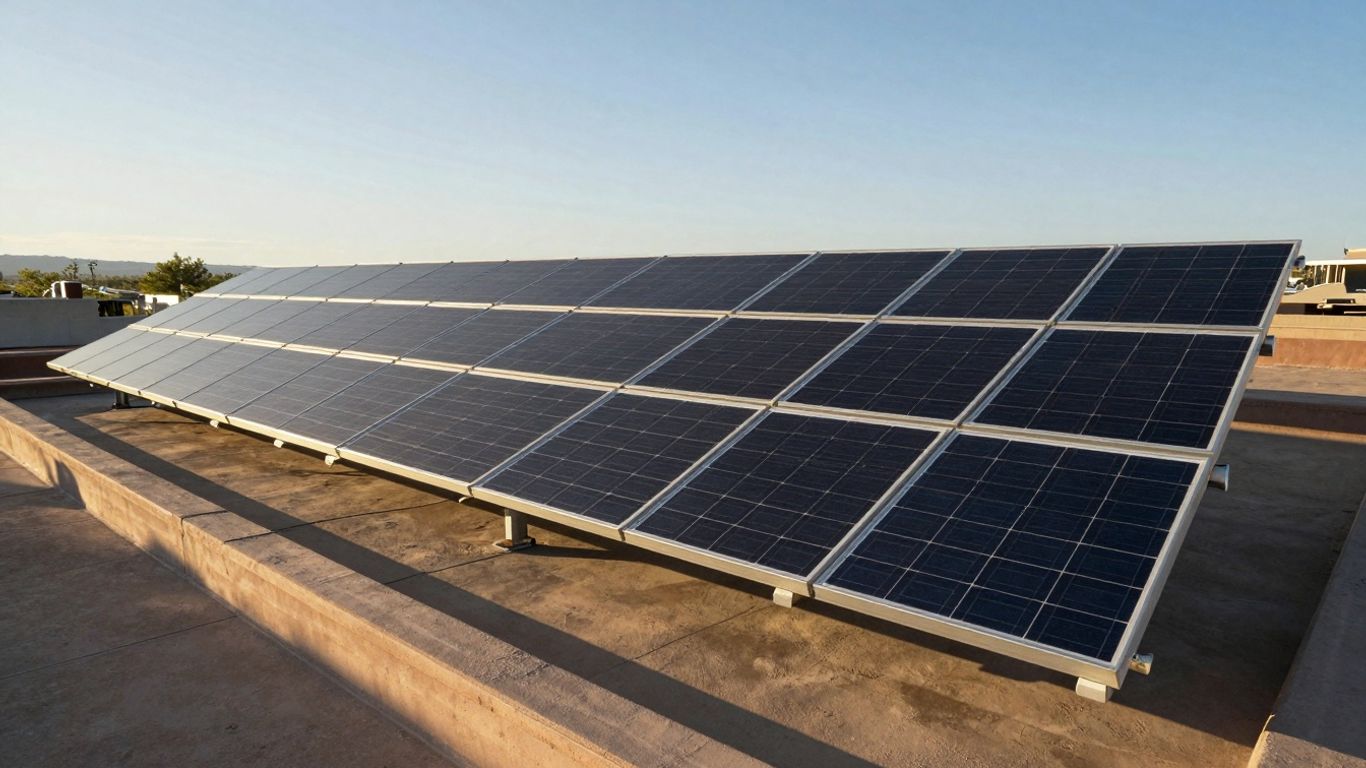
Maximizing Energy Efficiency And Savings With The New Mexco Solar Tax Credit.
So, you’ve decided to go solar in New Mexico – awesome! Now comes the part where you actually get that sweet tax credit. It’s not exactly complicated, but you do need to follow a few steps to make sure you get your money back. Think of it like assembling furniture; you gotta read the instructions.
Purchasing And Installing Your Solar System
First things first, you need to actually buy and install a solar energy system. This means getting the panels, the inverter, and all that jazz put onto your property. It needs to be an operating system, or at least really close to being done. The state wants to see that you’ve made a real investment here. This is the foundation for everything else, so make sure you’re working with a reputable installer.
Ready to take the next step? New Mexico solar rebates and see your personalized options.
Gathering Required Documentation
This is where things can get a little tedious, but it’s super important. You’ll need a bunch of paperwork from your installer. This usually includes things like:
- Itemized invoices showing the cost of equipment, materials, and labor.
- A report from the building code authority confirming a successful inspection of your system.
- Technical specifications for your solar setup.
- A statement of understanding from your contractor.
Keep all of this organized; it’s going to be your golden ticket.
Submitting Your Application For Eligibility
Once you have all your documents, you’ll need to apply for the tax credit itself. This isn’t done with the tax department just yet. You’ll submit your application electronically to the Energy, Minerals and Natural Resources Department (EMNRD). They’re the ones who will review your paperwork and decide if your system is eligible for the credit. If everything checks out, they’ll send you a certificate of eligibility. This certificate is proof that you qualify for the state tax credit.
Filing With The Taxation And Revenue Department
With your certificate of eligibility in hand, you’re ready for the final step: filing your taxes. You’ll need to report this credit to the New Mexico Taxation and Revenue Department. Your tax preparer will know exactly which forms to use, but generally, you’ll be attaching this information to your state tax return. For the federal credit, you’ll use IRS Form 5695, Residential Energy Credits, when you file your federal taxes. It’s a good idea to have your tax professional guide you through this part to make sure you claim the full amount you’re entitled to.
Remember, the year your system passes its final inspection is the year it’s considered installed for tax credit purposes. So, pay attention to those inspection dates!
It’s a multi-step process, for sure, but totally doable. Just stay on top of your paperwork and follow the instructions from the state agencies. You’ll be enjoying those savings before you know it.
Important Considerations For Solar Tax Credits
Eligible Costs For The Solar Tax Credit
When you’re figuring out how much you can claim for the New Mexico solar tax credit, it’s not just about the price tag of the panels. The state looks at the whole system. This generally includes things like the solar panels themselves, the inverters that convert the power, any battery storage you install, and all the necessary wiring. Even some special roof tiles that generate electricity can count. However, don’t expect to claim costs for things that aren’t directly part of the solar setup. For instance, if you have to reinforce your roof to handle the weight of the panels, that structural work probably won’t be eligible. Also, keep in mind that any costs you didn’t pay for, like if a part of the system was donated, or expenses for things like research or financing, won’t count towards the credit. It’s all about the direct costs of the solar energy system itself.
Understanding Certification And Inspection
Getting your solar system officially recognized is a big step before you can claim any tax credits. In New Mexico, the date your system is considered ‘installed’ for tax credit purposes is usually the date when a local building authority gives it an approved inspection. This means your system needs to meet all the local building codes and safety standards. Your installer will typically handle scheduling this inspection. Once it passes, you’ll get a certification or approval document. This is super important because it’s often the key piece of evidence you’ll need to show the state that your system is up and running correctly and qualifies for the credit. Without this official sign-off, you might run into trouble when you try to claim your tax savings.
Transferability Of The New Mexico Credit
Here’s something interesting about the New Mexico solar tax credit: it can sometimes be transferred to someone else. This isn’t something most homeowners do, but it’s a possibility, especially in business situations. The law allows for this credit to be sold or transferred. While the state has an overall annual cap on the total credits it will issue, which is $12 million, it’s pretty rare for that limit to be reached. This transferability feature is more of a safeguard for the state’s budget than something most individuals will utilize. For the average homeowner, the focus will be on claiming the credit directly for their own tax liability.
Applying for solar tax credits can feel like a puzzle, with different pieces for federal and state incentives. It’s easy to get lost in the paperwork and deadlines. Taking the time to understand exactly what costs are covered and what official approvals you need can save you a lot of headaches later on. Don’t just assume everything related to your solar project is eligible; double-check the specifics.
Wrapping It Up
So, if you’re thinking about putting solar panels on your New Mexico home, it really seems like a smart move. You’ve got the federal tax credit, which is a big chunk of savings, and then the state offers its own credit too, plus other perks like not paying sales tax on the equipment. It’s not exactly free money, but it sure makes going solar a lot more affordable. Just make sure you keep all your paperwork straight and follow the steps to claim everything you’re entitled to. It’s definitely worth the effort to get those savings.
Frequently Asked Questions
What is the New Mexico Solar Tax Credit?
The New Mexico Solar Market Development Tax Credit (SMDTC) is a state program that helps lower the cost of installing solar power for your home or business. It can reduce your state tax bill by up to 10% of the system’s cost, but not more than $6,000.
Who can get the New Mexico Solar Tax Credit?
You can get this credit if you own the property where you install a solar energy system. This applies to homes, businesses, and farms. You need to have purchased and installed the system after March 1, 2020, and it must be certified by the state after an inspection.
How much money can I get from the state solar tax credit?
The credit is for 10% of the total cost of your solar system, including equipment and installation. However, there’s a limit of $6,000 per year for each taxpayer. So, you’ll get the smaller amount between 10% of the cost and $6,000.
Do I also get a federal tax credit for solar panels?
Yes, absolutely! Besides the state credit, you can also claim the federal Residential Clean Energy Credit. This credit lets you deduct 30% of your solar system’s cost from your federal taxes. It’s a great way to save even more.
What documents do I need to claim the solar tax credit?
You’ll need proof of owning the property, bills showing the cost of equipment and labor, a report from the building inspection, and technical details about your system. Your solar installer will help you gather most of these important papers.
Can I get free solar panels in New Mexico?
While you can’t get completely free solar panels, New Mexico offers several ways to significantly lower the cost. You can use the state solar tax credit, the federal solar tax credit, and you also don’t have to pay sales tax on solar equipment, which saves you even more money.
Ready to Start Saving on Your Energy Bills?
Get a free, no-obligation quote from trusted local providers in under 2 minutes.
No obligation • Free estimates • Takes under 2 minutes
Recent Comments
Recent Posts
- Essential Factors to Consider Before Hiring an Energy Broker: Power to Choose is Choose My Power
- How to Choose a Power Company and a Broker: Power to Choos is Choose My Power
- How Does Choosing the Right Energy Broker Can Help You Save Money
- Commercial Solar Financing: Best Options for Businesses (Loans, PPAs, Leases)
- Solar Financing Near Me: How to Find Local Lenders & the Best Deals