California Solar Loan Rates: Typical APR Ranges + Top Financing Options

Thinking about going solar in California? It’s a big step, and figuring out how to pay for it is a big part of the puzzle. You’ve probably heard about solar loans, but what do you really need to know about solar loan rates in California? We’ll break down what’s typical, what affects those rates, and where you might find the best options for your home.
Key Takeaways
- Typical solar loan APRs in California can range widely, often from around 3% to over 16%, depending on factors like your credit score, the loan type, and the lender.
- Secured solar loans, often through credit unions and backed by your home or panels, might have lower APRs but can involve more risk if you can’t pay.
- Unsecured solar loans are more common and don’t require collateral, but they might have slightly higher APRs to compensate the lender.
- Loan terms can vary, usually from 15 to 25 years. Longer terms mean lower monthly payments but more interest paid overall.
- Always compare offers from multiple lenders, check for any fees, and understand the total cost (APR) before signing any solar loan agreement.
Typical Solar Loan APR Ranges
When you’re looking into financing for solar panels, the Annual Percentage Rate (APR) is a big number to pay attention to. It basically tells you the total cost of the loan, including interest and any fees rolled into it. Getting a lower APR means you’ll pay less overall for your solar system.
Right now, you’ll see a pretty wide spread of APRs out there for solar loans. For unsecured loans, which are common, rates can often fall between 3.99% and 16.99%. Some lenders might even offer promotional rates that are lower, especially if you have a good credit score. On the flip side, secured loans, which use your home or the solar equipment as collateral, might have different rate structures. It really depends on the lender, your creditworthiness, and the specific loan product.

Here’s a general idea of what you might encounter:
- Unsecured Solar Loans: These often have APRs ranging from about 3.99% to 16.99%. Some providers might have rates as low as 0.99% for very qualified borrowers, while others could be closer to 7.99% or higher.
- Secured Solar Loans: Rates can vary, but some credit unions offering secured options might have APRs in the 7.49% to 8.24% range.
- Promotional Rates: Keep an eye out for special offers. Some companies advertise very low rates, like 0.99%, but these usually come with strict qualification requirements and might only be for a limited time.
It’s super important to compare offers from different places. What one lender offers might be way different from another. You can check out providers like Mosaic solar loans to get a feel for current market rates.
Remember, the APR isn’t the only thing to consider. Loan term length, fees, and monthly payment amounts all play a role in the total cost and how manageable the loan is for your budget. Always ask for the full breakdown of costs before signing anything.
Understanding Solar Loan Interest Rates
When you’re looking into financing for solar panels, the interest rate is a big deal. It’s basically the cost of borrowing money, and it directly impacts how much you’ll pay back over the life of the loan. Think of it like this: a lower interest rate means you’re paying less for the privilege of spreading out the cost of your solar system.
Interest rates for solar loans can really vary. You might see them anywhere from around 3.99% all the way up to 16.99% APR. This range isn’t set in stone, though. A bunch of things play a role in where your specific rate lands.
Here are some of the main factors that influence your solar loan interest rate:
- Credit Score: This is probably the biggest one. Lenders see a higher credit score as less of a risk, so they’ll often offer you a better rate. If your score isn’t where you want it, taking steps to improve it before you apply could save you a lot of money.
- Loan Type: Whether you get a secured loan (where you might use your home as collateral) or an unsecured loan can affect the rate. Secured loans sometimes come with lower rates because the lender has something to fall back on if you can’t pay.
- Lender: Different companies have different pricing structures. Some might specialize in solar and offer competitive rates, while others might have higher rates but fewer fees.
- Market Conditions: Just like with mortgages or car loans, general economic conditions and what the Federal Reserve is doing can influence interest rates across the board.
- Loan Term: Sometimes, longer loan terms might come with slightly different rates compared to shorter ones, though this isn’t always a direct correlation.
It’s really important to compare offers from multiple lenders. Don’t just take the first one you see. Getting quotes from a few different places will give you a clearer picture of what’s out there and help you find the most affordable option for your situation.
The Annual Percentage Rate, or APR, is your best friend when comparing loans. It includes not just the interest rate but also most of the fees associated with the loan, giving you a more accurate picture of the total cost. Always look at the APR to make a true apples-to-apples comparison between different loan offers.
Secured vs. Unsecured Solar Loans
When you’re looking into financing for your solar setup, you’ll run into two main types of loans: secured and unsecured. It’s a pretty big deal because it affects how much you’ll pay and what happens if things go sideways.
A secured solar loan uses your home or the solar equipment itself as collateral. This means if you can’t make your payments, the lender has the right to take that asset. Because the lender has this backup, they usually offer lower interest rates and better terms. It’s like giving them a safety net, which makes them more comfortable lending you the money.
On the flip side, an unsecured solar loan doesn’t require any collateral. This is often the case with standard personal loans used for solar. Since there’s no asset backing the loan, it’s a bigger risk for the lender. To cover that risk, they typically charge higher interest rates and might have stricter requirements. You’re essentially borrowing based on your creditworthiness alone.
Here’s a quick look at the differences:
- Secured Loans:
- Require collateral (like your home).
- Generally have lower APRs.
- Lender can seize collateral if you default.
- Unsecured Loans:
- No collateral needed.
- Typically have higher APRs.
- Lender’s recourse is usually limited to legal action.
Choosing between secured and unsecured loans often comes down to your financial situation and risk tolerance. If you have equity in your home and are comfortable using it as collateral, a secured loan can save you money over the life of the loan. However, if you prefer not to put your home on the line, an unsecured loan might be the better, albeit potentially more expensive, option. It’s worth comparing rates for both types to see what makes the most sense for your budget and peace of mind.
Many solar installers work with lenders who specialize in solar financing, and these loans are often unsecured personal loans. However, if you’re looking for the absolute best rates, exploring options like a home equity loan or a HELOC could be beneficial, as these are secured forms of credit. You can find more information on solar panel loans to compare different financing avenues.
Solar Loan Term Lengths
When you’re looking at solar loans, the term length is a pretty big deal. It’s basically how long you have to pay back the money you borrowed for your solar setup. Think of it like choosing how long you want your car payment to be – shorter terms mean higher monthly payments but you’ll be debt-free sooner. Longer terms mean lower monthly payments, which can make the upfront cost of solar feel more manageable.
Most solar loans fall into a few common ranges:
- 10-15 years: This is a solid middle ground for many homeowners. You pay it off reasonably quickly without the monthly payments being too high.
- 15-20 years: This is probably the most common range you’ll see. It balances paying off the system within its typical lifespan while keeping monthly costs down.
- 25 years: These are becoming more popular, especially with larger solar companies. They really bring down the monthly payment, making solar accessible to more people. Sometimes these longer terms come with extended warranties on the equipment and installation, which can be a nice bonus.
The sweet spot for a loan term often aligns with how long you expect to benefit from the system and how much you want your monthly payment to be.
Here’s a quick look at how term length can affect your payments (this is just an example, actual numbers will vary):
| Loan Amount | Term Length | Estimated Monthly Payment |
|---|---|---|
| $30,000 | 10 years | ~$300 |
| $30,000 | 15 years | ~$220 |
| $30,000 | 20 years | ~$175 |
| $30,000 | 25 years | ~$150 |
Choosing a longer term length can make your monthly solar payments more affordable, potentially matching or even coming in lower than your current electricity bill. This can help you start saving money from day one, especially as utility rates tend to climb over time. It’s a way to get the benefits of solar without a huge immediate financial strain.
When you’re comparing offers, pay attention to the total interest you’ll pay over the life of the loan. A longer term means more interest paid overall, even if the monthly payments are lower. It’s a trade-off between immediate affordability and long-term cost. Many homeowners aim to have their solar loan payments be roughly equal to what they were paying for electricity before going solar, so they’re essentially swapping one bill for another, but with the added benefit of owning an asset that will continue to provide free electricity long after the loan is paid off.
Monthly Solar Loan Payments
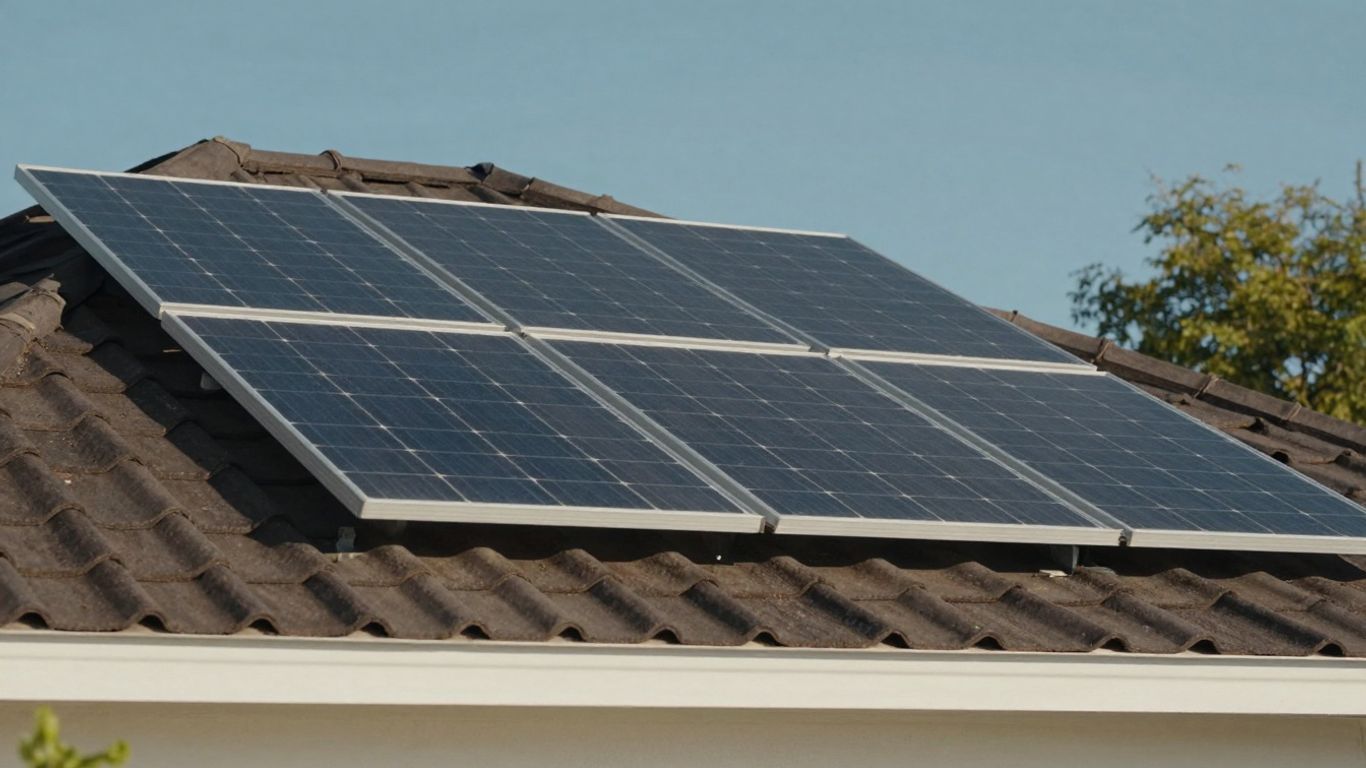
A Typical Residential Solar Panel Setup On A Home Roof In California.
So, you’ve decided to go solar and are looking at loans. One of the biggest things to figure out is what your monthly payment will look like. It’s not just about the sticker price of the panels; it’s about how that cost gets spread out over time.
The amount you pay each month depends on a few key things: the total loan amount, the interest rate (APR), and how long you plan to pay the loan back (the term length). Think of it like this: a bigger loan or a higher interest rate means a bigger monthly bill. On the flip side, stretching the loan out over more years usually means a smaller monthly payment, but you’ll likely pay more in interest overall.
Here’s a general idea of how these factors play together:
- Shorter Loan Terms: If you choose to pay off your solar loan in, say, 5 or 7 years, your monthly payments will be higher. This means you’ll pay less interest over the life of the loan and own your system outright sooner. It’s a good option if you have the budget for it.
- Longer Loan Terms: Opting for a 15, 20, or even 25-year loan will result in lower monthly payments. This can make solar more accessible if your budget is tighter. However, you’ll end up paying more interest in the long run.
- Interest Rates: As we’ve discussed, the APR significantly impacts your monthly payment. A lower APR means more of your payment goes towards the principal, saving you money over time.
It’s a balancing act. You want a monthly payment that fits comfortably into your budget without making the total cost of the loan skyrocket. Many people try to match their monthly solar payment to their previous average electricity bill, so they’re not spending extra money out-of-pocket each month.
When you’re looking at loan offers, always ask for a clear breakdown of the monthly payment, including any fees. Some loans might have a “dealer fee” built into the APR, which can make the advertised rate seem lower than it is. Make sure you understand the total cost and what you’re actually paying each month.
For example, let’s say you need a $30,000 loan for solar panels:
| Loan Term | Estimated Monthly Payment (at 7% APR) |
|---|---|
| 5 Years | ~$590 |
| 10 Years | ~$330 |
| 15 Years | ~$245 |
| 20 Years | ~$200 |
| 25 Years | ~$175 |
Keep in mind these are just estimates. Your actual payment will vary based on the specific lender and your creditworthiness. It’s always best to get personalized quotes.
Solar Loan Fees Explained
When you’re looking into solar loans, it’s not just about the interest rate you see advertised. There are often other costs, or fees, that can add up and change the total amount you end up paying. It’s super important to know what these are so you can compare different loan offers accurately.
One common fee you’ll run into is the dealer fee, sometimes called a finance charge. This is basically a fee the solar installer charges the loan provider, and then the loan provider passes that cost onto you. It can be a pretty significant chunk of the loan amount, sometimes ranging from 20% to even 50% of the system’s price. Lenders might use these fees to keep the advertised Annual Percentage Rate (APR) looking low, while still making sure they get their profit. So, a loan with a seemingly low APR might actually be more expensive overall if it has a high dealer fee.
Another potential fee is an origination fee. This is a charge from the lender for processing your loan application. It’s usually a percentage of the total loan amount, maybe 1% to 10%. Sometimes, this fee is taken out of the loan amount before you receive the money, meaning you’ll get less cash than you borrowed.
Here’s a quick look at some common fees:
- Dealer Fee (Finance Charge): Often a large percentage of the loan, passed from installer to lender to borrower.
- Origination Fee: A processing fee charged by the lender.
- Late Fees: Charged if you miss a payment deadline.
- Prepayment Penalties: Some loans might charge a fee if you pay off the loan early, though this is less common with solar loans.
Always ask for a full breakdown of all fees associated with a solar loan before you sign anything. Understanding these costs upfront can save you a lot of money and headaches down the road. Don’t be afraid to ask questions until you’re completely clear on what you’re agreeing to.
Balloon Payments and Solar Loans
When you’re looking into financing for solar panels, you’ll likely come across the term “balloon payment.” It’s a pretty important concept to get a handle on because it can really change how your loan works. Basically, a balloon payment is a large, lump sum of money that’s due at the very end of your loan term. In exchange for agreeing to this big final payment, you usually get to enjoy lower monthly payments throughout the life of the loan.
This structure is particularly common with solar loans because of how the federal solar tax credit works. Lenders often structure the loan assuming you’ll use the tax credit to cover a portion of the cost, typically around 30% of the system’s value. This portion might be due as a balloon payment about 12 to 18 months after you get the loan. It’s important to know if your loan includes this, and what happens if you can’t make the full payment.
Here’s a quick breakdown of what to consider:
- Eligibility for the Tax Credit: Make sure you understand if you qualify for the full federal solar tax credit. It’s non-refundable, meaning your tax liability limits the amount you can claim. If you don’t owe enough in taxes, you might have to carry over the unused portion, but you’ll still owe the full amount as the balloon payment.
- Loan Structure: Some loans might re-amortize the loan after 16-18 months, meaning your monthly payments will go up if you haven’t made the balloon payment. Others might offer a separate, low-interest loan specifically for that 30% portion, with a shorter term.
- Impact on Cash Flow: Think about how that large final payment will affect your finances down the road. Planning for it is key.
It’s not uncommon for solar loan providers to build the expectation of the federal tax credit into their payment structures. This can lead to lower initial monthly payments, but it means you need a solid plan for that final, larger payment. Not being prepared can lead to unexpected financial strain.
Some lenders might even offer a separate, short-term loan for that 30% portion, sometimes with no interest. It’s all about understanding the specifics of your agreement. Talking to a financial advisor can help you figure out if a solar loan with a balloon payment makes sense for your situation and how to best prepare for it.
Federal Tax Credits for Solar
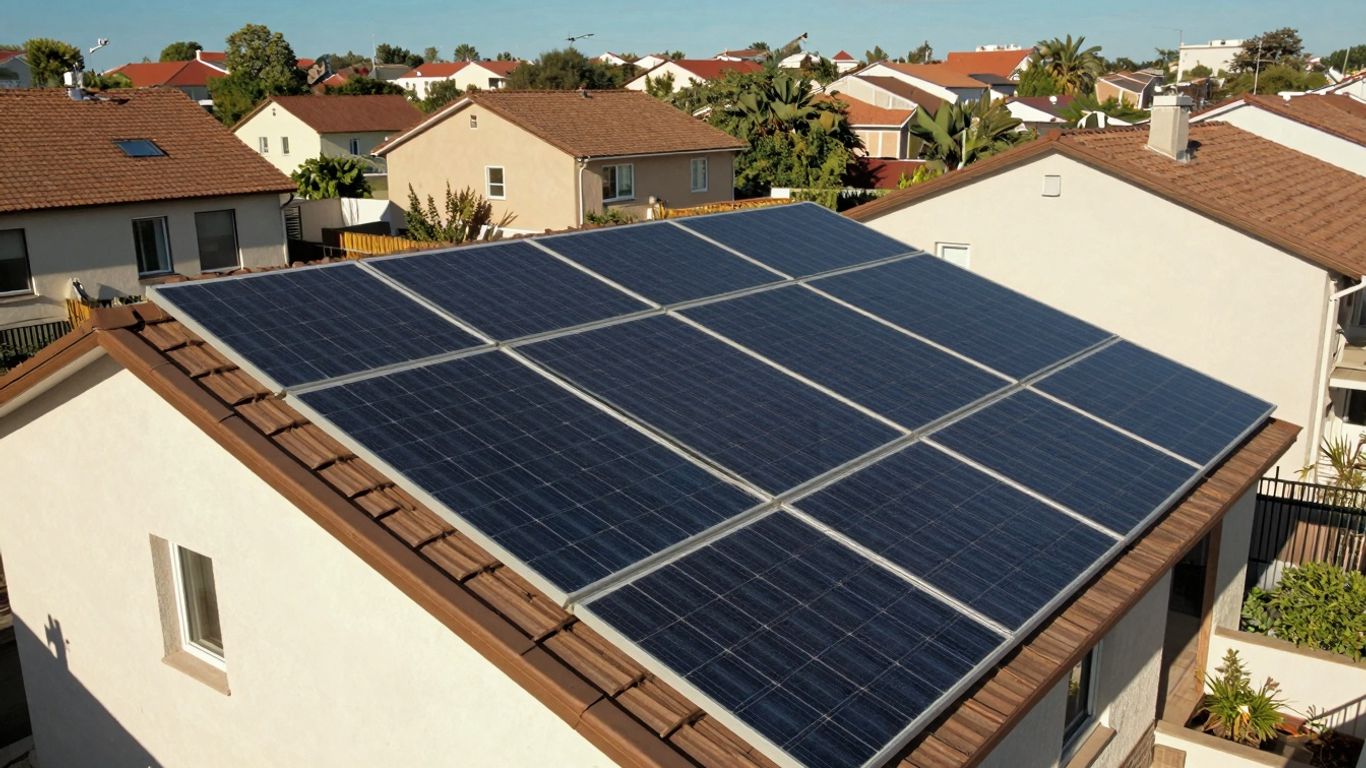
A Suburban Home With A Full Rooftop Solar Panel System Installed.
One of the biggest perks of installing solar panels is the federal solar tax credit. It’s a pretty sweet deal that can really cut down the cost of going solar. Basically, the government lets you subtract a percentage of your solar system’s cost right off your federal taxes.
Right now, this credit is set at 30% of the total system cost. So, if your solar setup costs $20,000, you could potentially get a $6,000 credit. That’s not a refund or a discount, though; it’s a direct reduction of what you owe the IRS. If you don’t owe at least $6,000 in taxes, you won’t get the difference back in cash, but you can usually carry that unused credit over to future tax years.
It’s important to know that this credit applies if you own your solar system, no matter how you paid for it – whether it was cash, a loan, or a lease.
Here’s a quick rundown:
- What it is: A credit against your federal income taxes.
- How much: 30% of your solar system’s cost.
- Who gets it: Homeowners who own their solar system.
- When to claim: You typically claim it in the tax year you install the system.
Keep in mind that tax laws can change, and eligibility requirements might shift. It’s always a good idea to talk to a tax professional to make sure you’re getting the full benefit you’re entitled to and that you understand how it applies to your specific financial situation. They can help you figure out the best way to claim it and what documentation you’ll need.
Ready to take the next step? California solar financing and see your personalized options.
How to Get a Solar Loan
So, you’ve decided to go solar, which is awesome! Now comes the part where you figure out how to pay for it. Getting a solar loan isn’t too complicated, but it does take a few steps. Think of it like getting any other loan, but specifically for your solar setup.
First off, you’ll want to do some shopping around. Don’t just go with the first company you find. Check with your solar installer – sometimes they have their own financing options or work with specific lenders. It can simplify things if they handle the loan part for you. Also, ask friends or family who’ve gone solar if they have any recommendations. You might be surprised what people know.
Your local bank or credit union is another good place to look. If you already have a relationship with them, they might offer you a better deal. Online lenders are also a big player these days, and many specialize in solar loans or offer personal loans that work just fine for solar projects. Comparing rates and terms from at least three different places is a really smart move.
When you’re ready to apply, you’ll need to fill out an application. This usually means sharing some personal info like your income, how much debt you have, and your credit history. They’ll also want details about the solar system you’re planning to install. Once they have your application, the lender will review everything. They might get in touch if they need more information to make a decision.
If your loan gets approved, you’ll get a loan offer. This document lays out all the details: the amount you’re borrowing, the interest rate (APR), how long you have to pay it back, and any fees. It’s super important to read this carefully before you sign anything. Make sure you understand every part of it.
Here’s a general idea of what you might encounter:
- Unsecured Personal Loans: These are common and don’t require you to put up any collateral. They can range from a few thousand to tens of thousands of dollars.
- Home Equity Loans/Lines of Credit (HELOC): If you own a home with equity, you can borrow against it. These often have lower interest rates but put your home at risk if you can’t pay.
- In-House Financing: Offered directly by the solar installation company. This can be convenient, especially if your credit isn’t perfect.
- PACE Loans: These are tied to your property tax bill and are paid back over a long period. They’re available in certain states.
Remember that while loans are a great way to get solar without a huge upfront cost, they do add interest to the total price of your system. It’s a trade-off for spreading the cost over time and still getting the long-term savings from solar energy.
Don’t forget to look into state and local programs too. Some areas have special financing options or incentives that can make going solar even more affordable. A quick search for ‘solar loans [your city/state]’ can turn up some useful information.
Top Solar Loan Providers
When you’re looking to finance your solar panel system, you’ll find a bunch of companies that offer loans. It’s not just banks anymore; there are specialized lenders and even some solar installers who have their own financing options. Shopping around is key to finding the best deal for your situation.
Some of the companies you’ll see mentioned a lot include:
- Mosaic
- Sunlight Financial
- GoodLeap
- Dividend Finance
- Energy Loan Network
- Clean Energy Credit Union
These companies, and others like them, often work with solar installers to provide financing directly to homeowners. Sometimes, your installer will have a preferred lender, but it’s always a good idea to see what other options are out there. You might also find local credit unions or state-specific programs that offer good rates, especially if you’re looking for something with a lower interest rate or a longer repayment period.
It’s also worth checking out programs like Property Assessed Clean Energy (PACE) loans if they’re available in your state. These are a bit different because the loan is tied to your property, not you personally, and you pay it back through your property taxes. Some states have specific energy conservation loan programs too, which can sometimes offer really low or even 0% interest rates.
Remember, the loan terms can vary quite a bit. You’ll see different interest rates, loan lengths, and fees. It’s important to compare these details side-by-side to understand the total cost of the loan over time. Don’t just look at the monthly payment; consider the APR and the total amount you’ll pay back.
When you’re comparing, look at the Annual Percentage Rate (APR), the total loan term, and any fees involved. Some lenders might offer slightly lower interest rates but charge more upfront fees, or vice versa. It can get a little confusing, so take your time and ask questions. Getting a few quotes will help you feel more confident about your choice.
Wrapping It Up
So, getting solar panels in California doesn’t have to mean a huge upfront cost. You’ve got options, from loans with pretty low APRs to longer repayment plans that can make monthly payments easier to handle. Remember to shop around, compare those APRs and fees carefully, and think about what works best for your budget and how long you plan to stay in your home. Taking the time to find the right loan means you can start saving on your electricity bills sooner rather than later, and that’s a win-win.
Frequently Asked Questions
What’s a typical interest rate for a solar loan in California?
Interest rates for solar loans can vary, but in 2023, unsecured loans often fell between 2.99% and 5.99% APR. Secured loans, like those from credit unions, might have slightly higher rates, sometimes around 7.49% to 8.24% APR. It’s always a good idea to shop around to find the best rate for you.
How long do solar loans usually last?
Most solar loans are set up for 15 to 20 years, but you’ll see more 25-year options popping up. The idea is to make your monthly payment similar to what you’d normally pay for electricity, so you start saving money right away.
What’s an APR and why is it important for solar loans?
APR stands for Annual Percentage Rate. It’s like the total cost of borrowing money, including the interest and any fees. Comparing APRs is the best way to see which loan is truly cheaper, even if the interest rates look similar.
Are there any fees I should watch out for with solar loans?
Yes, some lenders might charge an origination fee, which can be a percentage of the total loan amount. This fee might be taken out before you get the money, so you receive less than you expected. Always ask about any fees upfront.
What’s a balloon payment in relation to solar loans?
A balloon payment is a large payment due at the end of a loan term. With solar loans, lenders often plan for you to pay off a portion of the loan within the first year or so, assuming you’ll use tax credits to help with this. Understanding this is key to managing your payments.
Can I use a solar loan to buy a battery for my solar system?
Generally, yes! You can often include the cost of a solar battery in your solar loan. Just be sure to confirm the loan details with your lender to make sure it’s covered.
Ready to Start Saving on Your Energy Bills?
Get a free, no-obligation quote from trusted local providers in under 2 minutes.
No obligation • Free estimates • Takes under 2 minutes
Recent Comments
Recent Posts
- Essential Factors to Consider Before Hiring an Energy Broker: Power to Choose is Choose My Power
- How to Choose a Power Company and a Broker: Power to Choos is Choose My Power
- How Does Choosing the Right Energy Broker Can Help You Save Money
- Commercial Solar Financing: Best Options for Businesses (Loans, PPAs, Leases)
- Solar Financing Near Me: How to Find Local Lenders & the Best Deals