Solar Financing Near Me: How to Find Local Lenders & the Best Deals
Skip the Lender Search, Start With a Quote
Local lenders can only quote you a rate once they know the loan amount, and that starts with a real system price. A quote for your home gives you the number to bring to any lender.
Disclosure: we may earn a commission if you switch or request a quote through this link, at no extra cost to you. It never changes which plan or company we recommend. How we make money.
Thinking about going solar but not sure how to pay for it? It can feel like a big step, especially with the upfront costs. But don’t worry, there are plenty of ways to finance solar panels, and finding the right option near you is key to making it affordable. This guide will help you sort through the different choices, from your local bank to installer deals, so you can find the best fit for your home and your wallet. Let’s figure out how to make solar financing near me work for you.
Key Takeaways
- When looking for solar financing near me, check with your local bank or credit union first. They might offer better rates than national companies, especially credit unions that focus on community projects.
- Be cautious with installer financing, especially ‘0% interest’ deals. Always compare the installer’s cash price to their financed price to see if costs are inflated.
- Home Equity Lines of Credit (HELOCs) can be a good option if you have equity in your home, often providing lower interest rates than unsecured loans.
- Government rebates and incentives can significantly lower the amount you need to borrow, making your solar loan more manageable.
- Understand how owning vs. leasing solar panels affects your home’s financing. Owned systems are generally viewed favorably by lenders, while leases can complicate mortgages.
Exploring Local Solar Financing Options
So, you’re thinking about going solar, which is awesome! But then comes the big question: how do you pay for it? It can feel a bit overwhelming at first, especially with all the different ways to finance a system. The good news is, you don’t have to go it alone. There are plenty of local options out there, and understanding them is the first step to finding the best deal for your home.
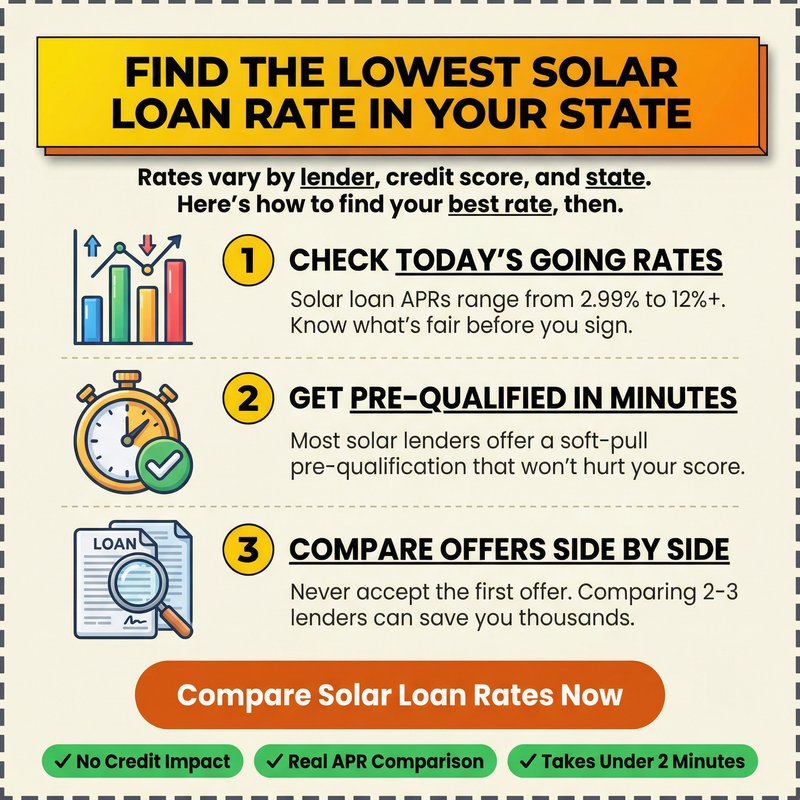
Understanding Your Local Solar Financing Near Me Landscape
When you start looking for solar financing, it’s easy to get lost in all the national programs and big-name lenders. But often, the best deals are closer than you think. Your local banks, credit unions, and even some community-focused organizations might have specific programs or a better understanding of your local market. Think about it: they’re invested in your community, and that can translate into more flexible terms or even slightly better rates than you might find with a giant, faceless corporation.
- Start with your current bank: You already have a relationship there, which can sometimes make things smoother. See what they offer for home improvement loans or green energy projects.
- Check out local credit unions: These are member-owned and often prioritize community benefit. They might have specialized solar loans with competitive rates.
- Look into community programs: Some towns or regions have specific initiatives or grants for renewable energy that can lower your overall cost.
Key Factors When Comparing Solar Loans
Not all solar loans are created equal. When you’re comparing different offers, it’s super important to look beyond just the monthly payment. You need to see the whole picture to make sure you’re getting a good deal that won’t cost you a fortune in the long run.
Here are some things to keep an eye on:
- Interest Rate: This is a big one. Is it fixed or variable? What’s the actual percentage? Even a small difference can add up to thousands over the life of the loan.
- Loan Term: How long do you have to pay it back? A longer term means lower monthly payments, but you’ll likely pay more interest overall. A shorter term means higher payments but less interest paid.
- Fees: Are there any origination fees, closing costs, or prepayment penalties? Make sure you know about all the extra costs involved.
- Total Cost: Add up all the payments, including interest and fees, to get the total amount you’ll pay for the system. This is the number that really matters.
When comparing financing options, always ask for the total cost of the loan over its entire term. This figure will give you a clear picture of what you’ll actually pay for your solar system beyond the initial price tag.
Navigating the Solar Financing Process
Getting approved for a solar loan isn’t usually as complicated as buying a house, but it does take a few steps. Being prepared can make the whole thing go much smoother.
- Get Quotes: First, you need to know how much you need to borrow. Get detailed quotes from a few reputable solar installers. Make sure you ask for the ‘cash price’ of the system, not just the financed price.
- Check for Incentives: Look into any local, state, or federal rebates or tax credits available for solar. These can significantly reduce the amount you need to finance.
- Gather Your Financials: Have your income information, credit score details, and details about your home (like equity if you’re considering a HELOC) ready.
- Apply: Approach lenders with your quotes and incentive information. Be ready to discuss your energy savings projections. This shows them it’s a smart investment.
- Compare Offers: Don’t just take the first offer. Lay out all the loan terms side-by-side and pick the one that makes the most sense for your budget and financial goals.
Leveraging Traditional Lenders for Solar Power
When you’re looking into solar, don’t forget about the banks and credit unions you already work with. They can be a solid place to start, especially if you’ve built a good relationship with them over time. Think of them as your first line of defense for getting a loan.
Working With Your Existing Bank for Solar Loans
Your current bank might have options that fit your solar project. They often have “green” loan programs designed for energy-efficient upgrades. While these might sound special, they’re often just standard personal loans with a slightly better interest rate. It’s worth asking about them.
- Ask about “green” or “eco-friendly” loans: Some banks specifically market these for home improvements like solar.
- Inquire about personal loans: Even if there isn’t a dedicated green loan, a standard personal loan could work. Just be sure to compare the rates.
- Discuss your home improvement plans: Frame your solar installation as a way to increase your home’s value and lower your monthly expenses. Providing your installer’s quote and estimated energy savings can help.
When talking to your bank, try to present your solar project as a smart investment. Showing them how it will increase your property value and reduce your utility bills can make them more receptive to offering favorable loan terms. It’s not just about borrowing money; it’s about financing an upgrade that pays for itself.
Credit Unions: A Community-Focused Alternative
Local credit unions are another great option to explore. Since they’re member-owned, they often focus more on community benefit and might offer more competitive rates or flexible terms than big banks. They sometimes have specific loan products tailored for solar installations.
- Check for membership requirements: You’ll usually need to be a member to get a loan.
- Ask about “green” or “solar” loans: Many credit unions are ahead of the curve on these types of loans.
- Compare rates and terms: Even if you’re already a bank customer, a credit union might surprise you with a better deal.
Credit unions can sometimes be more flexible with their lending criteria, which can be helpful if you don’t have a long credit history or if your financial situation is a bit unique. Their local focus means they might understand your community’s needs better.
Home Equity Lines of Credit for Solar Investments
If you own a home and have built up some equity, a Home Equity Line of Credit (HELOC) can be a very attractive option for financing solar. It’s essentially a line of credit secured by your home’s value. This often comes with lower interest rates compared to unsecured loans.
- Understand the collateral: Your home is used as security for the loan.
- Check current interest rates: HELOC rates are often variable, tied to the prime rate.
- Determine your borrowing limit: This will depend on how much equity you have in your home.
A HELOC can be a smart move because it typically offers lower interest rates than a personal loan. However, it’s important to remember that your home is on the line, so make sure you’re comfortable with that arrangement and can manage the payments comfortably. It’s a significant financial commitment.
When considering a HELOC, be sure to compare the interest rates and fees with other loan options. While the rates are often lower, the total cost over the life of the loan can still add up. It’s a good idea to get quotes from a few different lenders, including your current bank and any credit unions you’re a member of.
Solar Installer Financing: Convenience and Considerations
Many solar companies make it super easy to finance your new solar setup right through them. They often partner with finance companies to offer packages that bundle everything together. It sounds pretty straightforward, right? You get a quote, they handle the installation, and the financing is all part of the deal. This can be a big plus if you just want a simple, one-stop solution.
Evaluating Installer Financing Packages
When an installer presents their financing plan, it’s smart to look beyond just the monthly payment. Ask for the total cash price of the system too. This way, you can figure out the actual cost of the financing they’re offering. Sometimes, what looks like a great deal might have hidden costs or a higher overall price compared to getting a loan elsewhere.
Here’s a quick way to compare:
- Cash Price: The price of the system if you paid upfront.
- Financed Price: The total amount you’ll pay over the life of the loan, including interest.
- Loan Term: How many years you’ll be paying.
- Monthly Payment: The amount you pay each month.
The Truth Behind ‘0% Interest’ Solar Deals
That “0% interest” offer sounds amazing, and sometimes it really is. But it’s important to know how these deals usually work. Often, the “0% interest” is baked into a higher overall system price. So, while you’re not paying interest, you might be paying more for the panels and installation itself. It’s like getting a “free” appetizer with a meal that costs a bit more than it should.
Always ask for the system’s cash price. This is the number you need to compare apples to apples with other financing options. If the installer won’t give you a clear cash price, that’s a red flag.
Comparing Installer Offers to Traditional Loans
Don’t just take the installer’s financing at face value. It’s a good idea to shop around. Get quotes from your own bank or a local credit union. You might find that a traditional loan, even with a small interest rate, ends up being cheaper overall because the principal loan amount is lower. It takes a little more effort, but saving money in the long run is usually worth it.
Here’s a quick comparison table to help you think it through:
| Feature | Installer Financing (Example) | Traditional Loan (Example) | Notes |
|---|---|---|---|
| Interest Rate | Often advertised as 0% | Varies (e.g., 5-10%) | Check if 0% is built into a higher price. |
| Total Cost | Potentially higher | Potentially lower | Compare total paid over loan term. |
| Application Ease | Very easy, bundled | May require more steps | Installer financing is often quicker. |
| Flexibility | Limited to installer’s terms | More options available | Banks may offer better terms. |
Maximizing Your Solar Investment with Smart Financing
So, you’ve decided to go solar. That’s awesome! But before you sign on the dotted line for that shiny new system, let’s talk about making sure your financing plan actually works for you in the long run. It’s not just about getting the panels on your roof; it’s about making sure the money side of things makes sense for your wallet.
Calculating the True Cost of Solar Financing
This is where a lot of people get tripped up. You see a monthly payment, and it seems manageable. But have you looked at the total cost over the life of the loan? It’s easy to get excited about a ‘0% interest’ deal from an installer, but sometimes that ‘deal’ is baked into a higher overall system price. Always ask for the cash price of the system so you can compare apples to apples.
Here’s a quick way to think about it:
- Principal Amount: The actual cost of the solar system.
- Interest Rate: How much the lender charges you to borrow money.
- Loan Term: How many years you’ll be paying it off.
- Total Paid: Principal + Total Interest Paid.
The lowest monthly payment isn’t always the cheapest option overall. Sometimes, a slightly higher monthly payment over a shorter term can save you thousands in interest.
How Rebates and Incentives Impact Your Loan
Government rebates, tax credits, and local incentives can seriously cut down the upfront cost of your solar system. This is fantastic news because it means you might need to borrow less money, or maybe you can pay off the loan faster. It’s like getting a discount before you even start paying interest.
- Federal Tax Credits: These can offset a significant portion of your system’s cost when you file your taxes.
- State/Provincial Rebates: Many regions offer direct cash rebates for installing solar.
- Local Utility Programs: Some power companies have their own incentives.
Always factor these in before you finalize your loan. If you get a rebate after you’ve already borrowed the full amount, you’ll just have extra cash to put towards paying down the loan principal faster, saving you interest.
Ready to take the next step? solar financing near me and see your personalized options.
The Long-Term Value of Owned Solar Systems
When you own your solar system outright (or have paid off your loan), you’re essentially getting free electricity from the sun. Think about how much you spend on electricity now. That money could be going into your pocket instead. Plus, studies show that homes with owned solar systems often sell for more than comparable homes without them. Buyers see the value in those lower, predictable energy bills.
Owning your solar panels means you get to keep all the savings and the increased home value. It’s an investment that pays you back over time, not just in electricity bill reductions, but also in your property’s market appeal. It’s a win-win for your finances and the planet.
It’s really about looking at the whole picture. Don’t just focus on the immediate monthly payment. Consider the total cost, how incentives affect what you need to borrow, and the long-term benefits of owning a system that generates your own power.
Financing Solar During Home Construction or Renovation
Planning to build a new home or give your current one a major facelift? Integrating solar panels into these projects can be a smart move, but it requires a different approach to financing than adding solar to an existing, finished house. You’ll want to make sure the costs are rolled into your overall construction or renovation budget.
Integrating Solar into Construction Mortgages
If you’re building a new home from the ground up, your construction mortgage is the most straightforward place to include solar panel costs. Lenders typically disburse funds in stages as the building progresses. By including the solar installation as part of the initial construction plan, it can be factored into the total loan amount. This means the solar system is financed at your mortgage’s interest rate, which is usually lower than other loan types. It’s important to have detailed quotes from solar installers ready when you apply for your construction loan so the lender can assess the full project cost.
Using HELOCs for Solar Installations
For major renovations on an existing home, a Home Equity Line of Credit (HELOC) can be a flexible option. You can draw funds from the HELOC as needed to cover the solar installation costs during the renovation phase. Often, you’ll pay interest only on the amount you’ve drawn during this period. Once the renovation is complete and you move to regular payments, the HELOC converts to a standard repayment schedule. Rates for HELOCs are typically tied to the prime rate, so they can fluctuate.
Refinancing Your Mortgage for Solar Upgrades
Another route for existing homes undergoing renovation is refinancing your current mortgage. This allows you to tap into your home’s equity to get a lump sum for the solar installation. While refinancing might offer lower interest rates compared to a HELOC, it can involve more upfront costs like appraisal fees and closing costs. You’ll also need to consider any penalties if you’re breaking a fixed-rate mortgage term early. It’s a good idea to compare the total cost of refinancing against other options to see what makes the most financial sense for your specific situation.
When incorporating solar into a construction or renovation project, clear communication with your lender is key. Make sure they understand the full scope of the project, including the solar component, from the outset to avoid any surprises that could delay your financing or construction timeline.
Understanding How Solar Affects Property Financing
So, you’re thinking about putting solar panels on your roof, or maybe you’re eyeing a house that already has them. That’s great! But before you get too far down the road, it’s important to know how these systems can change things when it comes to getting a mortgage or refinancing your home. Lenders look at solar installations in a few different ways, and it really matters whether you own the panels outright, lease them, or have a power purchase agreement.
Owned Solar Systems and Mortgage Approval
If you buy your solar panels outright, lenders generally see them as a home improvement, kind of like a new kitchen or a better roof. This usually adds value to your property without causing major headaches for your mortgage. It’s an asset, not a debt. The main thing here is making sure the appraisal reflects the added value accurately. Sometimes, appraisers might not be totally up-to-date on how much solar adds, so it’s good to have your ducks in a row with documentation.
Challenges Posed by Leased Solar Panels
Leasing solar panels is where things can get a bit tricky. When you lease, you’re signing a long-term contract, often 15 to 25 years, with monthly payments. This lease essentially creates a lien on your property. Most mortgage lenders aren’t big fans of this. They want their mortgage to be the primary lien, and a solar lease can complicate that. Many lenders might refuse to approve a mortgage on a home with a solar lease unless that lease is paid off or transferred to the new owner before closing. The monthly payment also counts against your debt-to-income ratio, which can affect how much you can borrow.
Power Purchase Agreements and Lender Perspectives
Power Purchase Agreements (PPAs) are pretty similar to leases from a lender’s point of view. With a PPA, you agree to buy the electricity the panels produce, but you don’t actually own the equipment. The PPA company owns the panels and maintains a lien on your property. This means you run into the same issues as with a lease: the lien position and the ongoing payment obligation can make lenders hesitant. It’s not impossible to get a mortgage with a PPA, but it often requires extra steps and clear communication with all parties involved.
Here’s a quick rundown of how different solar setups are viewed:
- Owned Systems: Generally viewed positively, adding property value.
- Leased Systems: Can be a significant hurdle; lenders may require payoff or transfer.
- PPAs: Similar to leases; the system isn’t owned by you, creating lender concerns.
When you’re applying for a mortgage or refinancing, being upfront with your lender about any solar installations is super important. Surprises during the appraisal or title search can delay or even derail your deal. It’s always better to discuss it early so you know exactly where you stand and what needs to be done.
Wrapping Up Your Solar Financing Search
So, finding the right financing for your solar panels might take a little digging, but it’s definitely doable. We’ve looked at banks, credit unions, and even installer financing, each with its own pluses and minuses. Remember Dave’s story? He found a much better deal by looking beyond the obvious options and talking to his local credit union. Don’t just jump at the first offer, especially those ‘0% interest’ deals that might hide extra costs. Get a few quotes, compare them carefully, and think about what makes the most sense for your wallet and your home long-term. With a little effort, you can lock in a smart loan that makes going solar a financially sound choice.
Frequently Asked Questions
What’s the difference between a solar loan from a bank and one from an installer?
A bank loan is a more traditional loan, like one for a car or a home. Installer financing is often offered by the company putting in your solar panels. It might seem easier because it’s all in one place, but sometimes these deals have hidden costs or higher interest rates compared to what a bank or credit union might offer. It’s always smart to compare offers.
For a reference point, our review sets out a national credit union’s solar loan rates and membership terms in full rather than in summary.
Can I get a loan for solar panels if I don’t have a lot of money saved?
Yes, there are several ways to finance solar panels even if you don’t have a lot saved. You can look into loans from banks or credit unions, or sometimes installers offer special payment plans. Programs that offer rebates or grants can also lower the total amount you need to borrow.
What is a Home Equity Line of Credit (HELOC) and how can it help with solar?
A HELOC is like a credit card for your home. If you own your home and have paid off some of your mortgage, you can borrow against that owned part. This can be a good way to pay for solar panels because the interest rates are often lower than other types of loans, and you can borrow the money as you need it during the installation.
What does ‘0% interest’ solar financing really mean?
While ‘0% interest’ sounds amazing, it’s important to look closely. Sometimes, the price of the solar system itself might be higher to make up for the lack of interest. It’s like getting a free gift with a purchase, but the purchase price is inflated. Always compare the total cost over time, not just the monthly payment.
How do solar panels affect my mortgage if I want to sell my house?
If you *own* your solar panels outright, they usually make your house more attractive to buyers and can even increase its value. However, if you *lease* your solar panels or have a Power Purchase Agreement (PPA), it can make selling your house more complicated. Lenders might be hesitant because the lease or PPA is a long-term contract tied to the house that needs to be handled.
Are there local programs or incentives that can help me pay for solar?
Absolutely! Many towns, cities, and states offer special programs, rebates, or tax credits to encourage people to go solar. These can significantly lower the total cost of your system. You should check your local government’s website or ask solar installers if they know about any available incentives in your area.
Local lenders are one route among several. See also reading a solar loan quote properly and how solar loans work, start to finish.
Ready to Start Saving on Your Energy Bills?
Get a free, no-obligation quote from trusted local providers in under 2 minutes.
No obligation • Free estimates • Takes under 2 minutes
Want real quotes before you decide how to pay for it?
A loan only makes sense once you know what the system will actually cost. If your electric bill runs above $150 a month and your roof gets decent sun, a personalized quote gives you real numbers to put into any loan comparison. Quotes are available nationwide.
Recent Posts
- Pennsylvania electricity supplier complaints: How to document, file, and resolve a billing dispute
- What happens when my electricity contract ends in Pennsylvania? A practical guide
- Pennsylvania electricity early termination fees: what to check before canceling your contract
- Cost of electricity in Houston: what your rate and electric bill really include
- How to Compare Electricity Plans Without Picking the Wrong One