Solar Loan Guide: How It Works, Pros/Cons & Best Places to Apply

Ready to See Loan Options From Real Installers?
This guide covers how solar loans work. The next step is getting quotes from installers so you can compare real offers, not just estimates.
Disclosure: we may earn a commission if you switch or request a quote through this link, at no extra cost to you. It never changes which plan or company we recommend. How we make money.
Thinking about putting solar panels on your roof? It’s a great idea for saving money on electricity and helping the planet. But, let’s be real, those panels cost a good chunk of change upfront. That’s where a solar loan comes in. It’s basically a loan to help you pay for your solar system, letting you spread the cost out over time. We’re going to break down how these loans work, what you need to qualify, and where you can find the best deals. Stick around, and we’ll help you figure out if a solar loan is the right move for your home.
Key Takeaways
- A solar loan lets you finance your solar panel system, paying it off in monthly installments instead of a big upfront cost.
- You’ll typically need a decent credit score (around 640+), proof of stable income, and often need to be a homeowner to qualify for a solar loan.
- Options range from secured loans (using your home as collateral, lower rates) to unsecured loans (no collateral, higher rates), and specialized solar loans often have unique benefits.
- Watch out for extra fees like ‘dealer markups’ that can significantly increase the loan amount; always compare the total cost, not just the interest rate.
- Consider lenders like traditional banks, credit unions, and specialized solar financing companies, but also look into government programs for potential benefits.
Understanding Solar Loans
Thinking about going solar but not sure how to pay for it? A solar loan might be just the ticket. Basically, it’s a loan specifically for putting solar panels on your home. Instead of paying a big chunk of cash upfront, you borrow the money and pay it back over time, usually with interest. This makes solar power way more accessible for a lot of people who can’t just drop tens of thousands of dollars all at once.
What Is a Solar Loan?
A solar loan is pretty much what it sounds like: a loan designed to cover the costs of a solar energy system for your home. This includes the panels themselves, inverters, batteries (if you get them), and even the installation labor. The idea is to spread out the expense over several years, making it a more manageable financial decision. You own the system from day one, which is a big plus because it means you can take advantage of tax credits and incentives.
How Solar Loans Work
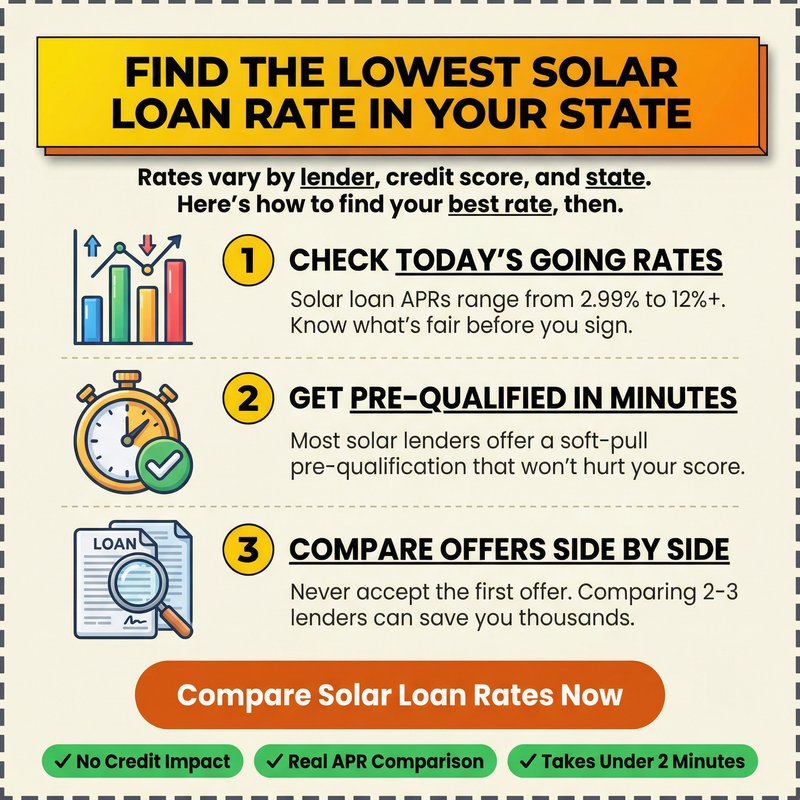
Getting a solar loan usually follows a few steps. First, you’ll get quotes from solar installers to know the total project cost. Then, you’ll shop around for lenders. Many lenders offer pre-qualification, which is a quick check that doesn’t hurt your credit score, letting you see what rates and loan amounts you might get. Once you find a lender you like, you’ll formally apply, providing documents like proof of income and details about the solar installation contract. If approved, the lender disburses the funds, often directly to the installer. You then start making regular payments back to the lender.
Here’s a general breakdown of the process:
- Get Solar Quotes: Figure out how much your system will cost from a few different installers.
- Shop for Loans: Compare interest rates, terms, and fees from various lenders.
- Pre-Qualify: See what you might be approved for without impacting your credit.
- Apply: Submit your application with all necessary documentation.
- Installation: Once approved and funded, your solar system is installed.
- Repay: Make your monthly loan payments.
Key Benefits of Solar Loans
Why choose a loan over other options? Well, for starters, you own the solar system outright from the moment it’s installed. This is a pretty big deal. It means you’re eligible for all the federal, state, and local tax credits and incentives available, which can significantly reduce your overall cost. Plus, owning the system means you benefit from any increase in your home’s value. Unlike leases or power purchase agreements (PPAs), where a third party owns the system and gets the tax benefits, with a loan, those savings are yours to keep. It’s a straightforward way to invest in renewable energy and potentially lower your electricity bills for years to come.
Navigating Solar Loan Requirements
While Leases Have Lower Upfront Costs, Solar Loans Provide 40% Higher Long-Term Savings By Year 10. Source: Energy Board.
So, you’re thinking about getting solar panels and need a loan to make it happen. That’s smart! But before you get too excited about those sunny savings, let’s talk about what lenders actually look for. It’s not just about wanting solar; they need to be sure you can pay the loan back. Think of it like applying for any other big loan, but with a few solar-specific twists.
Credit Score Expectations
Your credit score is a big deal here. It’s basically a snapshot of how you’ve handled debt in the past. Lenders use it to guess how likely you are to pay them back on time. Generally, a higher score means better loan terms and lower interest rates.
Here’s a rough idea of what different lenders might expect:
- Prime Lenders/Specialized Solar Companies: Often look for scores of 720 and up for their best deals.
- Traditional Banks & Credit Unions: Might be okay with scores in the 640-660 range, especially if you’re already a customer.
- Alternative Lenders/Some Government Programs: Sometimes go as low as 580, but expect higher interest rates and fees.
If your score isn’t quite where you want it, don’t despair. Some lenders offer options, or you might need to work on improving your credit before applying.
Income and Debt-to-Income Criteria
Beyond your credit score, lenders want to see that you have a steady income and aren’t already drowning in debt. They’ll look at your Debt-to-Income (DTI) ratio. This is simply your total monthly debt payments divided by your gross monthly income. Most lenders prefer this ratio to be below 40-50%.
They’ll also want proof of stable income, usually for the last two years. If you’re self-employed, be ready to provide tax returns and bank statements. Retirement income like Social Security or pensions is usually fine, too.
Lenders want to make sure you can comfortably handle another monthly payment on top of your existing bills. It’s all about assessing your ability to repay the loan over its lifespan.
Home Ownership and Property Details
Most solar loans are tied to your home. This means you generally need to own your home outright or have a significant amount of equity in it, especially for secured loans. Lenders will want to verify your ownership, usually through property deeds or mortgage statements.
They’ll also check:
- Property Type: Is it a single-family home, condo, etc.?
- Property Condition: Is the home in good shape and well-maintained?
- Insurance: You’ll need homeowners insurance that covers the solar system.
- Permits and HOA: Ensure your local area and Homeowners Association allow solar installations.
Sometimes, especially with secured loans, the amount you can borrow might be limited by your home’s equity. It’s a good idea to have all your property documents handy when you start applying.
Exploring Different Solar Loan Options
So, you’re thinking about going solar, which is awesome! But the upfront cost can feel like a big hurdle. Luckily, there are several ways to finance your solar panel system, and understanding these options is key to making the best choice for your wallet and your home. It’s not just one-size-fits-all, and different types of loans come with their own set of pros and cons.
Secured Versus Unsecured Solar Loans
This is a pretty big distinction. Secured loans mean you’re putting something up as collateral, usually your house or the solar system itself. Because the lender has that backup, they often offer lower interest rates and longer repayment periods, sometimes up to 25 years. The flip side? If you can’t make payments, you risk losing that collateral. Unsecured loans, on the other hand, don’t require collateral. This means less risk for you if things go south financially, but you’ll typically see higher interest rates and shorter loan terms, often just a few years. Approval might also be quicker with unsecured loans.
Solar-Specific Loans Versus Personal Loans
Some lenders offer loans made just for solar installations. These can be really handy because they might have features tailored to solar projects, like allowing deferred payments until you get your tax credits or even paying the installer directly. However, watch out for potentially higher “dealer fees” that can inflate the loan amount. A general personal loan might be an alternative. While they offer more flexibility in how you use the money, they usually come with less favorable interest rates and don’t have those solar-specific perks. It’s a trade-off between specialized features and general usability.
Home Equity Financing for Solar
If you own your home and have built up some equity, tapping into that can be a really cost-effective way to finance solar. Home equity loans give you a lump sum with a fixed interest rate, and the interest might even be tax-deductible since it’s considered a home improvement. Home Equity Lines of Credit (HELOCs) are a bit different; they work more like a credit card where you can draw funds as needed during the installation. These often have variable rates, which can be lower initially, and offer more flexibility in repayment. Generally, home equity financing tends to have some of the lowest rates available for solar projects, making it a popular choice for many homeowners. You can explore options for home equity financing to see if it fits your situation.
Evaluating Solar Loan Terms and Fees
So, you’re thinking about getting a solar loan. That’s great! But before you sign on the dotted line, we really need to talk about the nitty-gritty: the terms and fees. It’s not just about the interest rate; there’s more to it than meets the eye, and some of these details can really change how much you end up paying over the life of the loan.
Typical Loan Terms and Payment Structures
Most solar loans come with a few standard features. You’ll usually see fixed interest rates, which means your rate won’t change over time, making budgeting easier. Payments are typically made monthly, and the interest is calculated simply. A big plus is that many solar loans don’t have penalties if you decide to pay them off early. This is super handy if you get a tax credit or just want to be debt-free sooner. Loan terms can vary a lot, often ranging from 2 to 12 years for unsecured loans, and sometimes up to 25 years for secured options like home equity loans. A longer term means lower monthly payments, but you’ll pay more interest overall. A shorter term means higher monthly payments, but you’ll save money in the long run.
Here’s a quick look at how loan terms can affect your costs:
| Loan Term | Monthly Payment | Total Interest Paid |
|---|---|---|
| Shorter (e.g., 7 years) | Higher | Lower |
| Longer (e.g., 20 years) | Lower | Higher |
Understanding Hidden Fees and Dealer Markups
This is where things can get a little tricky. Some companies, especially solar installers, might add on extra fees that aren’t always obvious. These are often called “dealer fees” or “origination fees.” The Consumer Financial Protection Bureau (CFPB) has pointed out that these fees can sometimes inflate the loan amount by 30% or even more compared to what you’d pay if you just bought the system outright. It’s really important to ask about these upfront. You might also see documentation fees for processing paperwork, or late payment fees if you miss a due date. Always ask for a full breakdown of all potential charges before agreeing to anything.
Always ask for a detailed breakdown of all fees associated with the loan. Don’t be afraid to question anything that seems unclear or unusually high. Understanding these costs upfront is key to avoiding surprises later on.
Ready to take the next step? best solar loan and see your personalized options.
Calculating the Total Cost of Ownership
To really get a handle on whether a solar loan is a good deal, you need to look at the total cost. This isn’t just the amount you borrow. You have to factor in the principal and all the interest you’ll pay. Then, add in any fees, like origination or documentation fees. On the flip side, you’ll want to subtract any incentives you get, like federal tax credits, and estimate the electricity savings you’ll see over the system’s lifespan. Sometimes, solar panels can even increase your home’s value, which is another factor to consider. By looking at the whole picture, you can make a much more informed decision about the long-term financial impact. For example, many states run their own low-rate loan programmes through a green bank or state energy office, and those are usually cheaper than anything an installer will put in front of you.
Comparing Top Solar Loan Providers
Standard Bank And Absa Currently Lead The Market With Green Energy Concessions For 2026 Bondholders.
Alright, so you’ve decided a solar loan is the way to go. Now comes the part where you figure out who to get that loan from. It’s not just one big pool of lenders out there; there are a few different types of places you can turn to, each with its own quirks.
Traditional Banks and Credit Unions
Your usual suspects, like big banks and local credit unions, do offer solar loans. Sometimes, if you’re already a customer, you might get a slightly better deal or at least a smoother process. They often have competitive rates, especially if you have a solid credit history. However, they might not be as specialized in solar as other options, so the loan terms might be more generic.
Some are more specialised than that reputation suggests. Credit Human runs a dedicated solar loan product, and our review covers its rates and approval requirements.
- Light-Stream by Truist: Known for having no fees and requiring good credit, they offer a wide range of loan amounts and terms. They even have a rate beat program.
- Truist Bank: Good for existing customers, they also offer home equity options and have physical branches if you prefer that.
- Local Credit Unions: Many credit unions are getting into the solar game. They often have a community focus and can offer competitive rates, especially for members. Some even have specific clean energy loan programs.
Specialized Solar Loan Companies
Then there are companies that only do solar financing. These guys are the specialists. They understand the ins and outs of solar projects, which can sometimes mean more tailored loan products. They often work closely with solar installers, which can streamline the whole installation process. Just be aware that some might have higher dealer fees baked into the loan, so always read the fine print.
- Mosaic: This company is all about solar financing. They have various loan products designed specifically for solar and work directly with installers. They even offer bridge loans to help you cover costs while waiting for tax credits.
- Sunlight Financial: Another big player focused on solar. They use technology to speed up approvals and have a network of contractors they work with.
When you’re comparing lenders, don’t just look at the interest rate. You need to factor in all the fees, like origination fees or dealer markups, which can significantly increase the total cost of your solar system. Always ask for a full breakdown of all charges.
Government-Backed Solar Financing Programs
Don’t forget about government programs! These can sometimes offer more flexible requirements, especially if your credit score isn’t perfect. They might have lower interest rates or longer repayment terms. It’s worth checking what’s available in your area, as these programs can be a great way to make solar more affordable. You can often find information on these through local government websites or by asking your solar installation company.
- FHA Loans: Specifically, the 203(k) rehabilitation loan can be used for energy-efficient upgrades, including solar panels. These often have more lenient credit score requirements.
- VA Solar Financing: If you’re a veteran, there might be specific financing options available through the Department of Veterans Affairs.
Remember, it’s a good idea to get quotes from a few different types of providers to see who offers the best combination of rates, terms, and fees for your specific situation.
Maximizing Your Solar Loan Investment
So, you’re thinking about getting solar panels and a loan to go with it. That’s a big step, and a smart one if you do it right. It’s not just about getting the panels on your roof; it’s about making sure the loan you get actually helps you save money in the long run. Let’s break down how to make your solar loan work best for you.
Solar Loans and Tax Credits Explained
The federal solar investment tax credit (ITC) used to let you deduct 30% of your system cost from your federal taxes. It ended on 31 December 2025 and does not apply to a system you buy or finance in 2026. It’s important to know how this works with your loan. Some solar loans might let you defer payments until you can claim the credit, which can really help with upfront costs. Others might require you to pay from the start. Always ask your lender about this. Understanding how and when you’ll receive your tax credit is key to maximizing your savings.
Here’s a quick look at how tax credits can impact your loan:
- Federal Solar Tax Credit (ITC): Ended 31 December 2025. A 2026 purchase does not qualify. A lease or PPA still can, because the solar company owns the system and claims it.
- State and Local Incentives: Many states and cities offer additional rebates or credits. These vary widely, so research what’s available in your area.
- Loan Structure: Some loans are designed to let you benefit from the tax credit sooner, potentially reducing your loan principal or providing a rebate.
When a Solar Loan Makes Financial Sense
Getting a solar loan makes the most sense when the money you save on electricity bills, plus any incentives you get, outweighs the total cost of the loan (including interest and fees). It’s a calculation you’ll want to do carefully. If you can pay cash for your solar system, that’s usually the cheapest option overall because you avoid interest. But for most people, a loan is the way to go. You want to look for loans with competitive interest rates and reasonable terms. A shorter loan term means higher monthly payments but less interest paid over time, while a longer term means lower monthly payments but more interest overall.
The real win with a solar loan is when the system pays for itself faster than you’re paying off the loan, and you start seeing pure savings. It’s about turning a big upfront cost into a manageable monthly payment that eventually leads to free, clean energy.
Avoiding Predatory Solar Lending Practices
Unfortunately, not all solar loan offers are created equal. Some companies might try to tack on huge fees or offer loans with really high interest rates that eat up your savings. It’s super important to read the fine print. Watch out for:
- High Dealer Fees: These are often hidden costs added by the installer or lender, sometimes adding 20-30% to the loan amount. Always ask for the
Wrapping It Up
So, going solar with a loan seems like a pretty solid plan for a lot of folks. It lets you get those energy savings rolling without needing a huge pile of cash upfront. Just remember to do your homework. Compare those rates, watch out for sneaky fees (seriously, read the fine print) and make sure you’re picking a lender that fits your financial picture. Whether it’s a big bank, a credit union, or a solar-specific company, there are options out there. Taking the time to find the right loan means you’ll be well on your way to a sunnier, cheaper energy future for your home.
Frequently Asked Questions
What exactly is a solar loan and how does it help me?
Think of a solar loan as a special kind of loan that helps you pay for solar panels for your home. Instead of paying a lot of money all at once, you can borrow what you need and pay it back over time with monthly payments. It’s a way to get solar power without needing all the cash upfront, and you get to own the panels from the start.
What kind of credit score do I need to get a solar loan?
Most companies that offer solar loans like to see a credit score of at least 640. If you have a score of 720 or higher, you’ll likely get the best interest rates. Some places might work with scores a bit lower, but the rates might be higher.
How do solar loans work with those solar tax credits I hear about?
Solar loans and tax credits are separate but work well together. You make your regular loan payments each month. Then, when you file your taxes, you can claim the federal tax credit (which is a good chunk of the cost!). Many people use the money they get back from the tax credit to make a big payment on their loan, but you don’t have to.
Are there any hidden costs I should watch out for with solar loans?
Yes, definitely! Some companies might add extra fees that aren’t obvious. These are sometimes called ‘dealer fees’ or ‘markups,’ and they can make the loan cost much more than the actual price of the panels. Always ask for a clear breakdown of all the fees before you sign anything.
What’s the difference between a solar loan and just getting a regular personal loan?
Solar loans are made just for solar panel systems. They might have special features, like letting you wait to start payments until you get your tax credit. Regular personal loans can be used for anything, but they might have higher interest rates and don’t have those solar-specific perks.
Can I use my home’s value to get a loan for solar panels?
Yes, you can! Loans like home equity loans or HELOCs let you borrow against the value of your home. These often have lower interest rates than other loans, but remember, your home is used as security, so you need to be sure you can make the payments.
The guide pairs naturally with which solar loan types you can qualify for and the main solar panel financing options explained.
Ready to Start Saving on Your Energy Bills?
Get a free, no-obligation quote from trusted local providers in under 2 minutes.
No obligation • Free estimates • Takes under 2 minutes
Want real quotes before you decide how to pay for it?
A loan only makes sense once you know what the system will actually cost. If your electric bill runs above $150 a month and your roof gets decent sun, a personalized quote gives you real numbers to put into any loan comparison. Quotes are available nationwide.
Recent Posts
- Pennsylvania electricity supplier complaints: How to document, file, and resolve a billing dispute
- What happens when my electricity contract ends in Pennsylvania? A practical guide
- Pennsylvania electricity early termination fees: what to check before canceling your contract
- Texas electricity rates comparison: How to compare plans, fees, and contract terms
- Houston electric rates: How to compare plans, read the EFL, and avoid surprise bills