Loan for Solar: Step-by-Step to Compare Lenders & Offers
Compare Lenders Alongside Installer Quotes
Lender offers only tell half the story. Get quotes from local solar installers so you know the system price before you pick a loan.
Disclosure: we may earn a commission if you switch or request a quote through this link, at no extra cost to you. It never changes which plan or company we recommend. How we make money.
Thinking about getting solar panels for your home? That’s great! It’s a big step towards saving money on electricity and helping the environment. But the cost can seem like a lot upfront. Don’t worry, though. There are ways to finance it, and this guide will walk you through how to compare your options so you get the best deal on a loan for solar. We’ll break down where to look, what to watch out for, and how to make sure you’re saving money in the long run.
Key Takeaways
- A specialized loan for solar can be a good way to finance your system, often with better terms than a regular personal loan.
- Look beyond your main bank; credit unions and installer financing are also worth exploring, but always check the fine print.
- Compare interest rates (APR), monthly payments, and any extra fees carefully to understand the total cost of borrowing.
- Don’t forget about incentives like federal tax credits and local rebates, as these can significantly lower the amount you need to finance.
- Using a spreadsheet to compare all your loan offers side-by-side is the best way to make an informed decision and find the most affordable option.
Understanding Your Solar Loan Options
So, you’re thinking about going solar, which is awesome! But then you hit the wall: how do you actually pay for it? It can feel like a lot, with all the different ways to finance a solar panel system. You don’t want to end up paying way more than you have to, or worse, miss out on some sweet tax breaks. Let’s break down what’s out there so you can figure out the best path for your home and your wallet.
What Is a Specialized Solar Loan?
A specialized solar loan is basically a loan created just for putting solar panels on your roof. Think of it like a car loan, but for sunshine power. These loans are often offered by lenders who know the solar game, and they usually come with pretty decent interest rates and terms that make sense for a big purchase like this. Unlike just grabbing a personal loan, these are designed to work with solar projects, sometimes even lining up payments with when you might get tax credits back. This means you can get the panels installed without a giant pile of cash upfront, and still own your system outright.
Key Features of Solar Financing
Solar financing isn’t all the same. There are a few things that make these loans stand out:
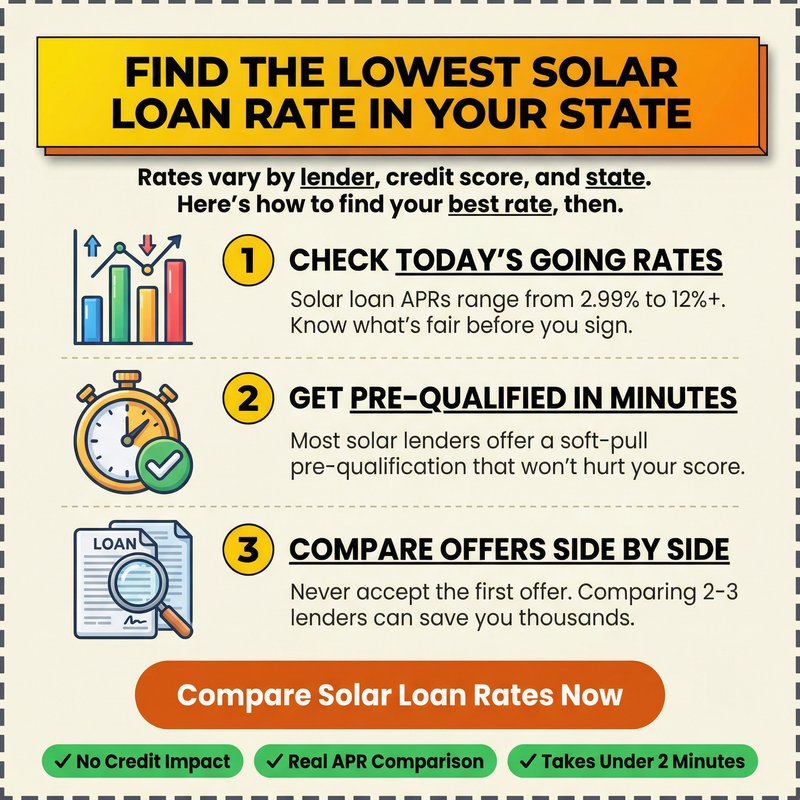
- Interest Rates & APR: You’ll see rates that can be pretty low, especially if you have good credit. Always look at the Annual Percentage Rate (APR), though, because that includes fees and gives you a clearer picture of the total cost.
- Loan Terms: These loans can stretch out for a long time, often 10 to 25 years. This helps keep your monthly payments manageable, and you can try to match them up with how much you expect to save on electricity.
- Deferred Payments: Some loans let you put off payments for a bit, often until you get your federal tax credit. This can be a nice breather when you’re first getting started.
- Fees: Keep an eye out for things like origination fees. Sometimes, solar companies might roll these into the loan, which can make the advertised interest rate look lower than it really is.
It’s really important to know what you’re signing up for. A loan that looks good on paper might have hidden costs or terms that don’t work for you long-term. Always read the fine print.
Comparing Solar Loans to Traditional Loans
So, how do these solar-specific loans stack up against the usual ways people borrow money?
- Home Equity Loans/Lines of Credit (HELOCs): If you own your home and have built up some equity, these can be a great option. They’re secured by your house, so the interest rates are often lower than unsecured loans. The downside? Your home is on the line if you can’t pay.
- Cash-Out Refinancing: This is similar to a home equity loan but involves replacing your current mortgage with a new, bigger one. You get the difference in cash. It can be good if current mortgage rates are lower than what you have now, but it also means you’re extending your mortgage term.
- Personal Loans: These are unsecured, meaning your house isn’t collateral. That’s a plus if you’re worried about risking your home. However, because they’re riskier for the lender, the interest rates are usually higher than for secured loans like home equity options.
Basically, specialized solar loans are designed to be a good middle ground, often offering competitive rates without the immediate risk of using your home as collateral, and with terms tailored for solar projects. But comparing them to your home equity options or even a good personal loan is always a smart move.
Exploring Lender Categories for Solar Financing
So, you’ve decided to go solar, which is awesome! But now comes the part that can feel a little tricky: figuring out where to get the money. It’s not just one type of place that offers solar loans anymore. The market has really grown, and there are a few different kinds of lenders you can check out. Each has its own vibe and set of rules, so it pays to look around.
Approaching Your Bank or Credit Union
Your regular bank or local credit union is often the first place people think of for a loan. They know you, and sometimes that can work in your favor. Banks might offer what are sometimes called “green” personal loans, which are basically standard personal loans but marketed for energy-efficient upgrades. They might shave off a tiny bit of interest, maybe a quarter or half a percent, but don’t expect miracles. The interest rates can still be pretty high, especially for unsecured loans, often landing between 7% and 12% or even more, depending on your credit score.
For a concrete example at the lower end of that range, our review lists the APRs, terms and approval requirements Credit Human publishes.
It’s really important to frame your conversation with your bank correctly. Instead of just asking for a loan, explain that you’re making a home improvement that will boost its value and lower your monthly bills. Show them your installer’s quote and your estimated energy savings. This makes it sound like a smart investment, not just another debt.
Credit unions are a bit different. Since they’re member-owned, they often have a stronger focus on helping the community and supporting projects like solar. Some credit unions even have specific “green loans” designed just for solar installations. Their rates can sometimes be a bit better than big banks, maybe a point or two lower, because their goal isn’t solely profit. The downside? You usually have to be a member, and their reach is local, so you’ll need to find one that serves your area. They can also be more flexible with their lending rules.
Investigating Solar Installer Financing
Many of the bigger solar companies have their own financing options, or they partner with finance companies. This can be super convenient because it bundles everything (the quote, the installation, and the loan) into one package. You might see ads for “0% interest” financing. It sounds great, but it’s crucial to understand the details. Sometimes, this “0%” is only for a short period, or the actual cost is built into the system price in ways that aren’t immediately obvious. These companies often work with third-party lenders, so it’s still a good idea to compare their offers with what you can get elsewhere. You want to make sure you’re not missing out on better terms just because it’s easy.
Considering Community-Focused Credit Unions
As mentioned before, credit unions are worth a special look. They often have a community-first approach. Some have been pioneers in offering specific loans for renewable energy projects. These aren’t just generic loans; they’re often structured with solar installations in mind.
Here’s a quick rundown of why they stand out:
- Member-Owned Structure: Their primary goal is to serve their members, not just maximize shareholder profits.
- Community Mandate: Many have a stated mission to support local environmental initiatives.
- Potentially Better Rates: Because their focus is broader than just profit, they can sometimes offer more competitive interest rates compared to traditional banks.
When you’re looking at financing, remember that solar systems can be categorized differently by lenders. Whether the system is owned outright, leased, or under a power purchase agreement can affect how a loan is viewed, especially if you’re also dealing with a mortgage. Understanding these distinctions is key to getting the right loan for your situation. Lenders categorize solar panel systems in specific ways.
It’s a good idea to talk to a few different types of lenders. Don’t just go with the first option you find. Comparing offers from your bank, a credit union, and even your installer’s financing partner will help you find the best deal for your new solar setup.
Evaluating Loan Offers and Terms
So, you’ve got a few loan offers in hand. That’s great! But now comes the part where you really need to put on your thinking cap and compare them. It’s not just about the monthly payment; there’s more to it than meets the eye. Let’s break down what you should be looking at.
Analyzing Interest Rates and APR
This is probably the first thing everyone checks, and for good reason. The interest rate is the percentage the lender charges you for borrowing money. But don’t stop there. You also need to look at the Annual Percentage Rate, or APR. The APR includes the interest rate plus any fees associated with the loan, spread out over the loan’s life. This gives you a more accurate picture of the total cost of borrowing.
Here’s a quick rundown:
- Interest Rate: The base cost of borrowing.
- APR: Interest rate + fees. Always compare APRs when looking at different loans.
- Fixed vs. Variable: A fixed rate stays the same for the entire loan term, offering predictability. A variable rate can go up or down, which can be risky.
Assessing Monthly Payments and Loan Terms
Your monthly payment needs to fit comfortably into your budget. A lower monthly payment might seem appealing, but if the loan term is super long, you could end up paying a lot more in interest over time. Think about how long you want the loan to last. Solar loans can range from 10 to 25 years. It’s a good idea to match your loan term with your expected energy savings to keep your cash flow positive.
Here’s what to consider:
- Loan Term: How many years will you be paying off the loan?
- Monthly Payment: Can you afford this amount every month, even if your budget gets tight?
- Total Interest Paid: A longer term usually means more interest paid overall.
Understanding Additional Fees and Charges
This is where lenders can sometimes hide extra costs. Always ask for a full breakdown of all fees. Some common ones include:
- Origination Fees: A fee charged for processing the loan application.
- Prepayment Penalties: Fees if you decide to pay off the loan early. This is important if you think you might get a windfall and want to pay down the loan faster.
- Late Fees: What happens if you miss a payment?
- Dealer Fees: Sometimes, solar installers bundle fees into the loan. Make sure you know what these are and if they’re inflated.
Be sure to get everything in writing. Verbal agreements don’t hold up, and you don’t want any surprises down the road. A loan offer should clearly state the interest rate, APR, loan term, monthly payment, and all associated fees. If something isn’t clear, ask for clarification before signing anything.
Maximizing Savings with Incentives and Rebates
So, you’re looking into solar, which is awesome! But let’s be real, the upfront cost can feel like a lot. The good news is, there are ways to bring that price down, and it’s not just about finding the cheapest loan. We’re talking about government programs and local deals that can make a big difference. Don’t skip this step. It could save you thousands.
Leveraging Federal Solar Tax Credits
While the main federal solar tax credit has changed, it’s always worth checking current federal programs. These credits can directly reduce the amount of tax you owe, effectively lowering the overall cost of your solar installation. Keep good records of your system’s cost and installation details, as you’ll need them for your tax filing.
Investigating Local and State Rebates
This is where things get really interesting, as state and city programmes can offer significant savings. Think of them as direct discounts on your solar project. These programs vary wildly by location, so you’ll need to do some digging.
Here’s a general idea of what you might find:
- Rebates based on system size: Some utilities and states pay a set amount per watt installed, usually capped at a total figure. Your installer will know the current cap where you live, and it is worth checking it against the programme’s own page before you sign.
- Direct installation cost reductions: Certain programs might offer a percentage off the total installation cost.
- Property tax incentives: Some municipalities allow you to finance solar through your property taxes, which can come with favorable rates and terms.
- Sales tax exemptions: In some states you will not pay sales tax on solar equipment, which is a nice chunk of savings right away.
It’s a bit of a patchwork, so checking your state energy office website and your local city or county offices is key. These programs can change, so stay updated.
Ready to take the next step? compare solar lenders and see your personalized options.
Reducing Your Loan Principal with Grants
Beyond tax credits and rebates, keep an eye out for grants. Grants are essentially free money for your solar project. They might be offered by utility companies, environmental organizations, or specific government initiatives. Sometimes, these grants can be used to directly pay down the principal of your solar loan, meaning you borrow less and pay less interest over time. Several state energy offices run rebates of this kind, and they can usually be combined with financing, directly reducing the amount you need to borrow.
The landscape of incentives is always shifting. What’s available today might not be tomorrow, and new programs pop up regularly. Make it a habit to check official government and utility websites for your specific region. Don’t rely on outdated information; always verify the details and eligibility requirements for any program you’re considering.
Comparing Loan Offers with a Detailed Spreadsheet
So, you’ve gotten a few loan offers. That’s great! But now comes the part where you really need to roll up your sleeves and look at the numbers. It’s easy to get swayed by a low monthly payment, but that doesn’t always mean it’s the cheapest deal in the long run. This is where a good old-fashioned spreadsheet comes in handy. It’s your best friend for seeing the whole picture.
Gathering All Loan Offer Details
Before you can compare apples to apples, you need all the facts for each loan. Think of this as collecting all your ingredients before you start cooking. You’ll want to jot down:
- Loan Amount: The total amount you’re borrowing.
- Interest Rate: The stated yearly rate.
- APR (Annual Percentage Rate): This includes the interest rate plus most fees, giving you a more accurate cost.
- Loan Term: How many years or months you have to pay it back.
- Monthly Payment: The amount you’ll pay each month.
- Origination Fees: Any upfront fees charged to set up the loan.
- Other Fees: Look out for things like late fees, prepayment penalties, or administrative charges.
- Total Cost of Borrowing: This is the total amount you’ll pay back, including interest and all fees, over the life of the loan.
It’s also a good idea to get the actual cash price from your solar installer. Sometimes, financing deals, especially those advertised as “0% interest,” might have that cost baked into a higher system price. Comparing the loan amount against the installer’s cash price will reveal this.
Comparing Key Financial Metrics
Now, let’s put that information into your spreadsheet. You’ll want columns for each loan offer and rows for each detail. This visual layout makes it much easier to spot differences. A table can really help here:
| Feature | Lender A (Bank) | Lender B (Credit Union) | Lender C (Installer Fin.) |
|---|---|---|---|
| Loan Amount | $25,000 | $25,000 | $30,000 |
| Interest Rate | 8.5% | 6.5% | 0% (Advertised) |
| APR | 8.9% | 6.7% | 9.5% (Includes fees) |
| Loan Term (Years) | 15 | 12 | 10 |
| Monthly Payment | $246.19 | $250.48 | $250.00 |
| Origination Fee | $0 | $1,250 | $0, a $5,000 dealer fee is built into the price instead |
| Total Interest Paid | $19,314.20 | $11,069.12 | $0 advertised, but you financed $5,000 more for the same system |
Remember, the lowest monthly payment isn’t always the best deal. Lender C has the lowest advertised interest rate, but when you factor in the higher loan amount and other fees, their APR is actually quite high, and the total cost could be more. You can use online calculators to help determine the total interest paid over the life of the loan for each offer.
Calculating Total Cost of Borrowing
This is the big one. The total cost of borrowing is what you’ll actually pay for the privilege of financing your solar system. It’s the sum of all your monthly payments plus any upfront fees, minus the original loan amount. For example, if your total payments over the loan term add up to $40,000 and you borrowed $30,000, the total cost of borrowing is $10,000.
When comparing offers, always look at the total amount you’ll repay. A slightly higher monthly payment over a shorter term might actually save you thousands compared to a lower monthly payment stretched out over many years. Don’t just focus on what fits your budget today; think about the overall financial impact.
By laying everything out clearly, you can make an informed decision that saves you money not just now, but for years to come.
Making Your Final Solar Loan Decision
Balancing Affordability and Long-Term Value
So, you’ve gathered all the numbers, crunched them in your spreadsheet, and now you’re staring at a few different loan offers. It’s easy to get caught up in just the monthly payment, right? A lower monthly payment sounds great on the surface, but it might mean you’re paying a lot more interest over the life of the loan. It’s really about finding that sweet spot between what you can comfortably afford each month and the total cost of the loan down the road. Think about your budget, can you handle a slightly higher payment now for significant savings later? Or do you need the absolute lowest payment possible to make it work? This decision is personal, and there’s no single right answer for everyone.
Considering Your Home Equity Options
Sometimes, the best loan isn’t a dedicated solar loan at all. If you’ve built up a good amount of equity in your home, you might have other options that could be even better. A Home Equity Line of Credit (HELOC) or a cash-out refinance could offer lower interest rates than some specialized solar loans, especially if your credit is strong. These options use your home as collateral, which usually means the lender sees less risk and can offer better terms. However, remember that you’re putting your home on the line, so make sure you’re confident in your ability to repay.
Here’s a quick look at how these might compare:
| Financing Type | Typical Interest Rate | Loan Term (Years) | Collateral Required | Notes |
|---|---|---|---|---|
| Solar Loan | 5% to 15% | 10 to 25 | Usually None | Often installer-specific, may have fees |
| HELOC | 7% to 12% | Variable (5-20) | Home Equity | Flexible access to funds, variable rates |
| Cash-Out Refinance | 6% to 10% | 15 to 30 | Home Equity | Replaces existing mortgage, fixed rates |
Choosing the Best Financing Path
After weighing everything, it’s time to make the call. Don’t rush this. Look back at your spreadsheet, revisit your budget, and think about your long-term goals for your home and your finances. Did one lender offer a slightly higher rate but with no hidden fees and a great customer service reputation? Did another have a slightly lower rate but require you to pay a hefty origination fee? These details matter. It’s not just about the numbers; it’s about the overall deal and what makes you feel most secure.
Ultimately, the ‘best’ financing path is the one that aligns with your financial comfort level, maximizes your savings over time, and allows you to confidently move forward with your solar installation. Don’t be afraid to ask lenders for clarification on any terms you don’t fully understand. A little extra time spent now can save you a lot of money and headaches later.
Consider these final points before signing:
- Prepayment Penalties: Can you pay off the loan early without being charged extra? This is important if you anticipate having extra funds in the future.
- Customer Reviews: What are other people saying about this lender? Look for consistent positive feedback on their service and transparency.
- Installer Relationship: Does the lender have a good working relationship with your chosen installer? This can sometimes smooth out the installation process.
By carefully considering these aspects, you can confidently select the financing that best suits your needs and helps you achieve your solar energy goals.
So, What’s the Takeaway?
Getting solar power for your home is a big step, and figuring out the money part can feel like a puzzle. But remember Dave, my neighbor? He found a way, and you can too. It might take a little digging, comparing rates from your bank, a credit union, or even looking at what installers offer. Don’t just grab the first deal that sounds good, especially those “0% interest” ones that might hide extra costs. By laying out your options, checking the numbers carefully, and asking questions, you can find a loan that actually saves you money in the long run. It’s totally doable to get a great deal and start enjoying cleaner, cheaper energy.
Frequently Asked Questions
What’s the difference between a solar loan and a regular loan?
Think of a solar loan as a special type of loan made just for solar panels. Regular loans can be used for anything, but solar loans are specifically for solar energy systems. They often have better terms, like lower interest rates or longer payback times, because they’re designed to help you save money on electricity.
Are solar loans a good idea if I can get 0% financing from an installer?
Sometimes, installer financing with 0% interest sounds great, but it’s important to check the total price. Installers might increase the price of the solar system to make up for the 0% interest. It’s wise to compare the installer’s ‘0% deal’ with a loan from a bank or credit union to see which one truly costs less overall.
How do solar tax credits work with loans?
Solar tax credits, like the federal one, let you subtract a percentage of your solar system’s cost from your taxes. This can be a big help! Some loans might let you defer payments until you get your tax credit, which can lower your loan amount and make payments easier at first.
Should I use a home equity loan or a personal loan for solar panels?
It depends! A home equity loan uses your house as a guarantee and usually has lower interest rates, but it puts your home at risk if you can’t pay. A personal loan doesn’t use your house as collateral but typically has higher interest rates. If you have a lot of equity in your home and are comfortable with the risk, a home equity loan might be cheaper. Otherwise, a personal loan could be safer.
Why should I compare offers from different lenders?
Just like shopping for anything else, comparing loan offers is key! Different banks, credit unions, and financing companies will offer different interest rates, loan lengths, and fees. By comparing, you can find the loan that saves you the most money over time, even if it’s not the one with the lowest monthly payment.
What is APR and why is it important for solar loans?
APR stands for Annual Percentage Rate. It’s not just the interest rate; it includes most of the fees associated with the loan. Looking at the APR gives you a clearer picture of the total cost of borrowing the money. A lower APR generally means a cheaper loan.
The comparison gets easier once you know typical solar loan APRs in California and what actually moves your solar loan APR.
Ready to Start Saving on Your Energy Bills?
Get a free, no-obligation quote from trusted local providers in under 2 minutes.
No obligation • Free estimates • Takes under 2 minutes
Want real quotes before you decide how to pay for it?
A loan only makes sense once you know what the system will actually cost. If your electric bill runs above $150 a month and your roof gets decent sun, a personalized quote gives you real numbers to put into any loan comparison. Quotes are available nationwide.
Recent Posts
- Are competitive electricity suppliers worth it in Massachusetts? A practical guide
- Ohio electricity supplier scams: how to spot red flags before you switch
- What happens when my electricity contract ends in Ohio? A practical guide to your next bill and options
- Should I opt out of NOPEC? How to decide before your next energy bill
- Indiana Solar Incentives: A Homeowner’s Guide