Virginia Solar Tax Credit: Incentives, Eligibility & How to Claim

See What Solar Costs at Your Virginia Address
Virginia homeowners can still use the federal tax credit toward a system. A local quote shows the real starting price for your roof before the credit is applied.
Disclosure: we may earn a commission if you switch or request a quote through this link, at no extra cost to you. It never changes which plan or company we recommend. How we make money.
Thinking about putting solar panels on your Virginia home? That’s a big step, and it’s smart to look into all the ways you can save money. There are federal incentives, and then there are programs right here in Virginia that can help bring down the cost. We’ll break down what you need to know about the Virginia solar tax credit and other incentives to help you make the best decision for your wallet and your home.
Key Takeaways
- [2026 Update] The 30% federal Residential Clean Energy Tax Credit (IRC § 25D) was repealed by the One Big Beautiful Bill Act (signed July 4, 2025). Virginia homeowners who purchase solar after December 31, 2025 are no longer eligible. A lease or PPA still offers indirect savings via the installer’s § 48E commercial ITC. See the update box below for details.
- Virginia has its own programs like the Solar Renewable Energy Credit (SREC) program, where you earn credits for the energy your panels produce, which you can then sell.
- Net metering policies in Virginia allow you to get credit on your electricity bill for any extra solar energy you send back to the grid.
- Many Virginia counties offer property tax exemptions, meaning the value added to your home by solar panels won’t increase your property taxes.
- To claim these benefits, you’ll need to keep good records of your solar installation costs and file the correct tax forms. Talking to a tax professional can help ensure you get everything you’re entitled to.
⚠️ 2026 Update: Federal Solar Tax Credit Repealed for Purchases
The 30% federal Residential Clean Energy Tax Credit (IRC § 25D) was repealed by the One Big Beautiful Bill Act, signed July 4, 2025. If you purchase a solar system outright (cash or loan) after December 31, 2025, you are no longer eligible for this federal credit. It wasn’t phased out gradually; it was repealed outright for new residential purchases.
Is there still a federal solar benefit in 2026? Yes, indirectly, through a lease or Power Purchase Agreement (PPA). The installer can still claim the § 48E commercial Investment Tax Credit (30%) and typically passes those savings to you through lower monthly rates, often 20 to 40% below your current utility rate, with no money down. Just keep in mind that with a lease/PPA you won’t own the system, so state tax credits and property tax exemptions that require ownership won’t apply to you.
For most Virginia homeowners buying solar in 2026, the real incentives are the state-level programs outlined below.
Understanding Federal Solar Tax Credits
When you’re thinking about putting solar panels on your roof, the first thing that often comes to mind is the federal tax credit. It’s a pretty big deal and can make a significant difference in the overall cost of going solar. This credit is officially called the Residential Clean Energy Tax Credit, and it’s designed to help homeowners like you save money while adopting cleaner energy sources.
The Residential Clean Energy Tax Credit Explained
This credit basically lets you deduct a portion of the cost of your solar energy system directly from your federal taxes. It applies to solar electric panels, solar water heaters, and even battery storage systems installed in your home. The Inflation Reduction Act of 2022 extended and improved this credit, making it more accessible for homeowners. For systems installed before January 1, 2026, homeowners could claim 30% of the total system cost. This credit was repealed by the One Big Beautiful Bill Act for systems installed after December 31, 2025. This percentage is set to decrease gradually after 2032, so acting sooner rather than later is generally a good idea. It’s a fantastic way to lower your initial investment in solar power.
The federal credit has gone. Your Virginia incentives have not.
The 30% federal solar credit ended on 31 December 2025, so a system you buy or finance in 2026 does not qualify for it. Virginia’s own incentives still apply, and they are what a 2026 quote should be built on. A lease or PPA is the one route that still carries the federal credit, because the solar company owns the system and claims it.
Eligibility Requirements for Federal Incentives
So, who can get this credit? Generally, you need to own the home where the solar system is installed, and it needs to be your primary or secondary residence in the United States. You can’t claim it if you’re renting out the property or if it’s a purely commercial building. If you use your home for business purposes, you might still qualify, but the credit would be prorated based on the percentage of your home used for non-business activities. It’s important that the system is new and installed on your home. You can find more details about the Residential Clean Energy Credit on the IRS website.
Claiming the Federal Solar Tax Credit
Claiming the credit is pretty straightforward, but you do need to keep good records. When you file your federal income taxes, you’ll need to fill out IRS Form 5695. This form is where you’ll calculate the eligible credit amount based on your solar system’s cost. You’ll then transfer that amount to your main tax return form (like the 1040). Make sure you have all the necessary documentation from your solar installer, which usually includes proof of purchase, system specifications, and certification. If your credit is more than what you owe in taxes, don’t worry. You can carry over the unused portion to future tax years, meaning you won’t lose out on any savings.
It’s important to remember that this federal tax credit applies to the cost of the solar equipment and its installation. This includes things like the panels themselves, inverters, wiring, and the labor involved in putting it all together. The credit is non-refundable, meaning it can reduce your tax liability to zero, but you won’t get any of the credit back as a refund if it exceeds your tax bill.
Virginia’s State-Level Solar Incentives
Virginia offers a few different ways to help make going solar more affordable for homeowners. It’s not just about the federal tax credit; the state has its own programs designed to encourage renewable energy adoption. These can really add up, making the switch to solar a much more attractive financial decision.
The Virginia Solar Renewable Energy Credit (SREC) Program
This program is a bit different from a direct tax credit. Basically, when your solar panels generate electricity, you earn Solar Renewable Energy Certificates, or SRECs. You can then sell these SRECs to utility companies, which need them to meet state renewable energy requirements. It’s a way to get paid for the clean energy your system produces.
- How it works: Your system generates electricity, which earns you SRECs.
- Selling SRECs: You can sell these certificates to utilities, often through an SREC broker or directly.
- Income potential: The value of SRECs can fluctuate, but they provide an ongoing income stream.
The SREC market is designed to incentivize the creation of renewable energy. By participating, you directly contribute to Virginia’s clean energy goals while earning money for the power you generate.
Net Metering Policies in Virginia
Net metering is a billing arrangement that helps you get the most out of your solar system, especially when your system produces more power than you’re using at a given moment. If your panels are generating extra electricity, that power goes back to the grid. Your utility company then credits your account for that exported energy.
- Credit for excess power: You receive credits on your electricity bill for the energy sent back to the grid.
- Rollover credits: These credits typically roll over from month to month, so you can use them to offset future electricity usage.
- Maximizing savings: This helps reduce your overall electricity costs throughout the year, even during times when your solar production might be lower.
Virginia Clean Economy Act Benefits
The Virginia Clean Economy Act (VCEA) is a big deal for the state’s energy future. It sets ambitious goals for renewable energy, aiming for 100% clean electricity by 2050. For homeowners, this act has opened up more opportunities and removed some old barriers to going solar.
- Increased system size limits: You might be able to install a larger solar system on your home than previously allowed.
- Fewer restrictions: The VCEA works to remove unnecessary fees and regulations that could make solar installations more complicated.
- Future-ready: It encourages the adoption of clean technologies, aligning your home with the state’s environmental objectives.
The VCEA is a significant driver for solar adoption in Virginia, making it easier and more beneficial for homeowners to invest in solar energy.
Local Property Tax Exemptions in Virginia
Beyond the federal and state-level incentives, Virginia also offers a really neat perk at the local level: property tax exemptions for solar systems. This means that the value added to your home by installing solar panels generally won’t be factored into your property tax assessment. It’s a great way to keep your property taxes from jumping up just because you decided to go solar.
Excluding Solar System Value from Property Taxes
When you add solar panels to your roof, your home’s overall value increases. Normally, this would mean higher property taxes. However, Virginia law allows local governments to exempt the added value of solar energy equipment from property tax calculations. This exemption helps make solar more affordable in the long run, as you won’t be penalized with higher taxes for investing in a clean energy system.
County-Specific Property Tax Exemptions
It’s important to know that these exemptions aren’t uniform across the entire state. Each county, city, or town in Virginia can decide whether to offer this exemption and to what extent. Some areas might offer a full exemption, while others might have partial exemptions or specific requirements.
Here’s a look at how some counties handle it:
- Fairfax County: Offers an exemption for solar equipment used for heating, cooling, or hot water.
- Loudoun County: Provides a similar exemption for renewable energy systems.
- Prince William County: Allows exemptions for solar equipment that helps offset a home’s energy use.
Checking Local Requirements for Exemptions
Because these rules vary so much from place to place, you absolutely need to check with your local government. Your county’s tax assessor’s office or building department is the best place to get the most accurate and up-to-date information. They can tell you:
- If a property tax exemption for solar is available in your specific area.
- What the exact terms and conditions of the exemption are.
- What documentation you’ll need to provide to claim it.
Don’t assume the exemption applies automatically. You’ll likely need to formally apply for it, and there might be specific forms or procedures to follow. Getting this sorted out beforehand can save you a lot of hassle and potential unexpected tax bills down the road.
Maximizing Your Virginia Solar Investment
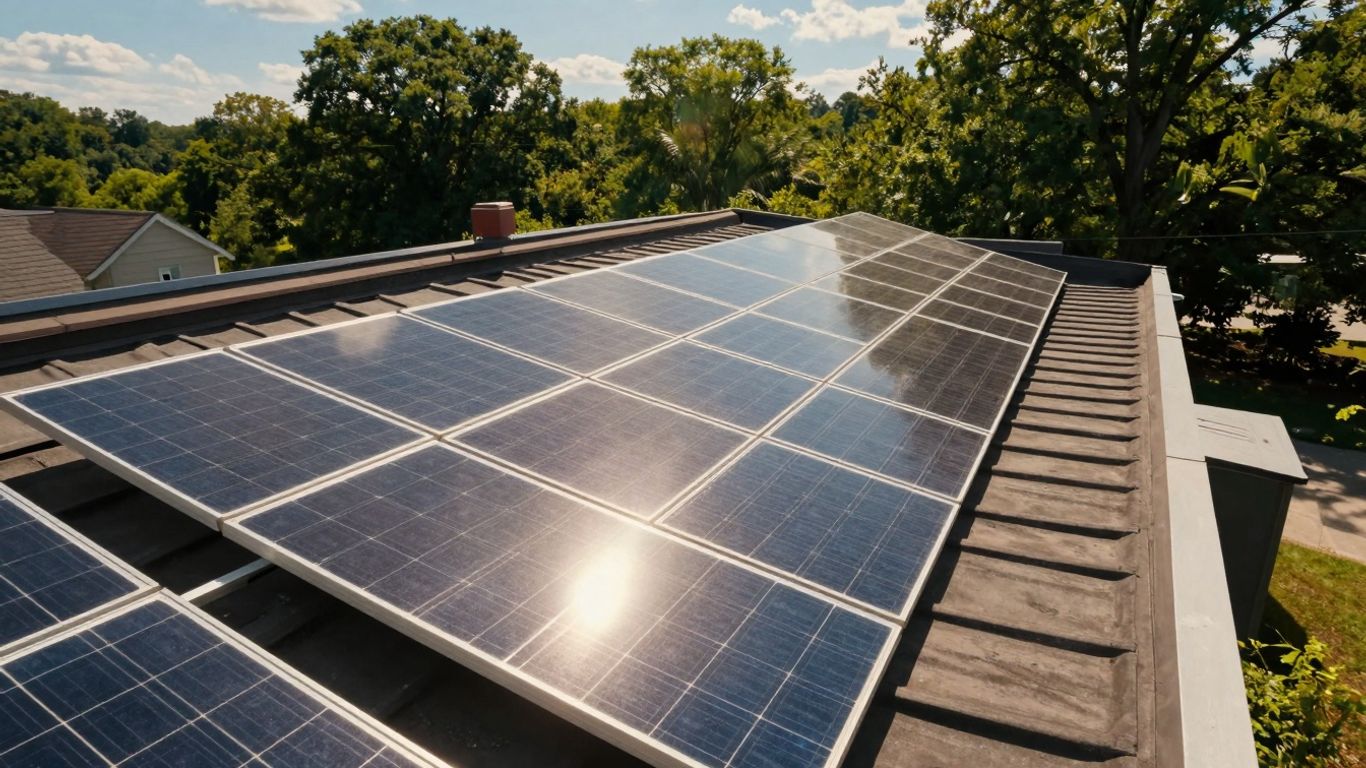
Access A Worldwide Network Of Options For Your Refinance Solar
So, you’re thinking about going solar in Virginia? That’s great! It’s a big step, and you want to make sure you’re getting the most bang for your buck. There are a few things to keep in mind to really make your solar investment pay off.
Ready to take the next step? Virginia solar tax credit and see your personalized options.
The Importance of Acting Before Year-End Deadlines
[2026 Update] The federal solar tax credit deadline has now passed. The 30% Residential Clean Energy Tax Credit (IRC § 25D) was repealed by the One Big Beautiful Bill Act for systems installed after December 31, 2025. If you are purchasing solar in 2026 (either cash or loan) the federal credit is no longer available to you as the system owner. Solar installers may still capture the § 48E commercial ITC on lease/PPA agreements and pass savings to you, but for purchased systems Virginia state programs are now your primary federal-era replacement. See the update notice above for details. Don’t wait until the last minute if you want to take advantage of this major incentive.
How Solar Financing Impacts Tax Credit Eligibility
When you’re looking at how to pay for your solar system, the way you finance it matters for the tax credit. If you buy your system outright or finance it with a loan, you generally qualify for the federal tax credit because you own the equipment. However, if you choose to lease your system or go with a Power Purchase Agreement (PPA), you typically don’t own the equipment, so you can’t claim the tax credit yourself. The company that owns the system gets the credit. It’s important to understand this difference when comparing financing options.
Understanding the Role of Solar Installers
Choosing the right solar installer is more than just getting a quote. A good installer will guide you through all the available incentives, including federal, state, and local ones. They should be able to explain how these incentives work and how they apply to your specific situation. They’ll also handle a lot of the paperwork, like permits and applications, which can be a headache if you try to do it yourself. Plus, they’ll make sure the installation is done correctly, which is key for the system to perform well and for you to be eligible for those incentives in the first place.
Here’s a quick look at how different financing options affect your ability to claim the federal tax credit:
| Financing Method | Ownership of System | Federal Tax Credit Eligibility |
|---|---|---|
| Cash Purchase | You | Yes |
| Solar Loan | You | Yes |
| Lease Agreement | Installer/Leasing Company | No (Installer claims it) |
| PPA | Installer/Leasing Company | No (Installer claims it) |
When you’re looking at solar, remember that it’s not just about the upfront cost. Think about the long-term savings and how different programs can add up. Talking to a few different installers can give you a clearer picture of what’s available and what makes the most sense for your home and your budget.
Key Considerations for Claiming Credits
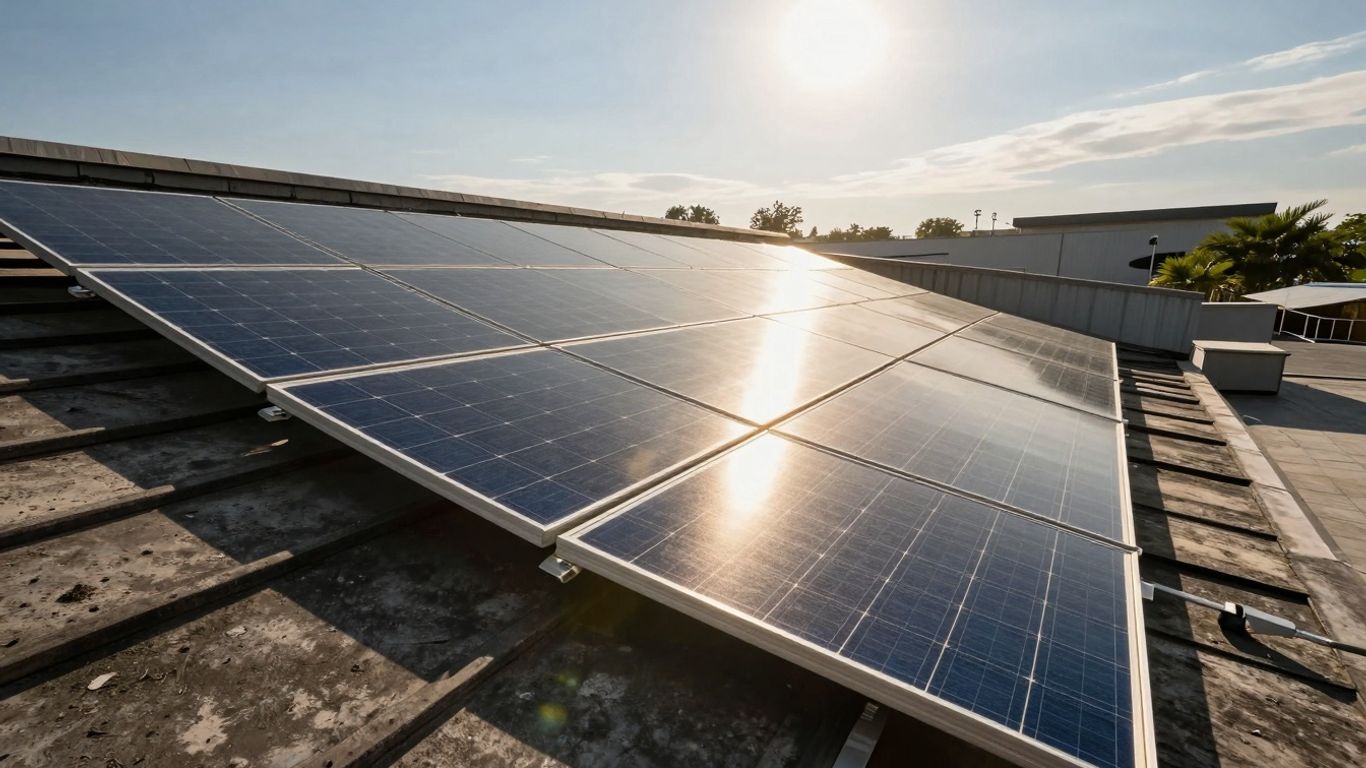
Navigating The Local Incentives And The Virginia Solar Tax Credit For Your Home
So, you’ve gone solar in Virginia, which is awesome! Now comes the part where you actually get those tax credits you’ve been hearing about. It’s not super complicated, but there are definitely a few things to keep in mind so you don’t miss out or run into any headaches. Getting your paperwork in order is the most important step.
Required Documentation for Tax Forms
When it’s time to file your taxes, you’ll need specific documents to back up your solar tax credit claim. Think of it like this: the IRS wants to see proof that you actually bought and installed a qualifying solar system. You’ll typically need:
- Invoices and Receipts: These should clearly show the cost of your solar panels, inverters, mounting equipment, and any labor costs associated with the installation. Make sure they’re detailed!
- Manufacturer Specifications: Sometimes, you might need documentation proving the equipment meets certain energy efficiency standards.
- Installer Information: Details about the company that installed your system, including their name, address, and potentially their tax ID number.
- IRS Form 5695: This is the actual form you’ll fill out to calculate and claim your Residential Clean Energy Tax Credit. You can find it on the IRS website.
Understanding Credit Rollovers and Expirations
One of the great things about the federal solar tax credit is that it’s pretty flexible. If the credit you’re eligible for is more than what you owe in taxes for that year, you don’t just lose the extra amount. You can roll that unused credit over to the next tax year. This is super helpful if your tax bill isn’t high enough to cover the full credit amount initially. The Residential Clean Energy Tax Credit was repealed by the One Big Beautiful Bill Act for systems installed after December 31, 2025. It is no longer available for 2026 residential solar purchases. Always check with a tax professional to confirm what applies to your situation.
The good news is that for the federal solar tax credit, there isn’t a hard expiration date for rolling over unused credits, at least under current law. This means you can carry forward that credit for years until you can use it. However, the specific tax forms used to claim these credits might change, so staying informed is key.
Consulting Tax Professionals for Guidance
Look, taxes can be confusing, and solar incentives add another layer. While you can certainly tackle this on your own, sometimes it’s just easier and safer to get a little help. A qualified tax professional, especially one familiar with renewable energy credits, can make sure you’re claiming everything you’re entitled to and doing it correctly. They can help you understand how the solar credit interacts with other tax benefits you might be claiming and advise on the best strategy for your specific financial situation. It’s a small investment that can save you a lot of potential headaches and maybe even more money in the long run.
Wrapping Up Your Solar Savings Journey
So, going solar in Virginia can really pay off. You’ve got the federal tax credit, which is a big chunk of savings, plus state programs like SRECs and net metering that keep adding up. Don’t forget about those local property tax exemptions too. They can make a difference over time. Just remember, some of these incentives, especially the federal one, have deadlines, so it’s a good idea to look into it sooner rather than later. Getting solar is a big step, but with all these incentives, it’s becoming more affordable and a smart move for your wallet and the planet.
Frequently Asked Questions
What is the federal solar tax credit, and who can get it?
[2026 Update] The federal solar tax credit (IRC § 25D) was repealed by the One Big Beautiful Bill Act for systems installed after December 31, 2025. Virginia homeowners purchasing solar in 2026 are no longer eligible for this 30% federal credit. If you owned and installed solar before January 1, 2026, you could claim it for that tax year. For 2026 onwards, you must own your home and the system or if it’s only used for business. It applies to solar panels, solar water heaters, and other clean energy equipment.
How do I claim the federal solar tax credit?
To claim the federal solar tax credit, you’ll need to fill out IRS Form 5695 when you file your taxes. You’ll calculate your credit amount on this form and then enter it on your main tax return form (like the 1040). Make sure to keep good records of your solar system’s costs, like receipts and installer information.
What is the Virginia SREC program?
The Virginia Solar Renewable Energy Credit (SREC) program is a state incentive. It allows you to earn credits for every megawatt-hour of clean electricity your solar panels produce. You can then sell these credits to utility companies, which helps them meet their renewable energy goals and provides you with extra income.
How does net metering work in Virginia?
Net metering in Virginia is a policy that helps you save money on your electricity bill. If your solar panels produce more energy than your home is using, the extra energy is sent back to the power grid. Your utility company then gives you credits for this excess energy, which can be used to lower your future electricity bills, especially when your panels aren’t producing enough power, like at night.
Does Virginia offer property tax breaks for solar panels?
Yes, Virginia offers local property tax exemptions for solar systems. This means that the value added to your home by installing solar panels usually won’t be included when your local government calculates your property taxes. This helps keep your property taxes lower in the long run. You should check with your specific county or city to find out the exact rules.
When do the federal solar tax credits expire?
[2026 Update] The federal Residential Clean Energy Tax Credit (IRC § 25D) was repealed by the One Big Beautiful Bill Act, signed July 4, 2025, for systems installed after December 31, 2025. Virginia homeowners purchasing solar in 2026 are no longer eligible for this federal credit. If you installed solar before January 1, 2026, you may still claim that credit on your taxes for the relevant tax year.
Ready to Start Saving on Your Energy Bills?
Get a free, no-obligation quote from trusted local providers in under 2 minutes.
No obligation • Free estimates • Takes under 2 minutes
Get a Second Quote for Your Virginia Home
Installer pricing can vary a lot, even with the same credit available. A second quote gives you a number to compare before the federal credit is applied.
Recent Posts
- Pennsylvania electricity supplier complaints: How to document, file, and resolve a billing dispute
- What happens when my electricity contract ends in Pennsylvania? A practical guide
- Pennsylvania electricity early termination fees: what to check before canceling your contract
- Cost of electricity in Houston: what your rate and electric bill really include
- How to Compare Electricity Plans Without Picking the Wrong One